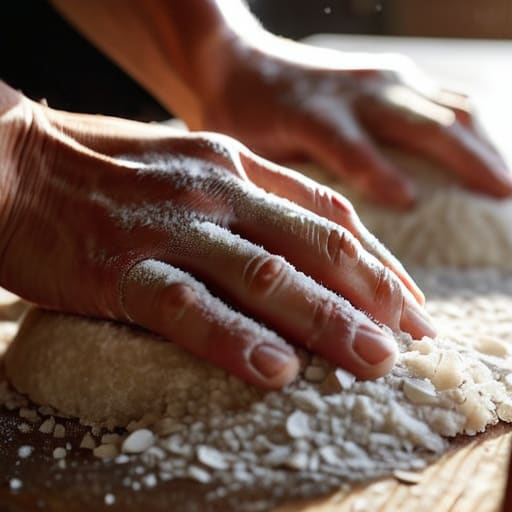
Salt Slows Yeast and Strengthens Dough
I remember a young lad who came into my shop ten years ago, clutching a cookbook that promised “miracle rises” through some expensive, imported sea salt. He looked at me like I was speaking Greek when I told him he didn’t need a boutique brand, just a steady hand and a proper scale. He was so focused on the fancy packaging that he completely missed how salt affects dough on a structural level, treating it like an afterthought rather than the backbone of the entire loaf. People think salt is just there to make things taste less bland, but if you treat it like a seasoning instead of a functional ingredient, you’re going to end up with a sticky, unmanageable mess that lacks any real character. I’m not here to sell you on artisanal crystals or complicated science jargon that leaves you more confused than when you started. I’m going…
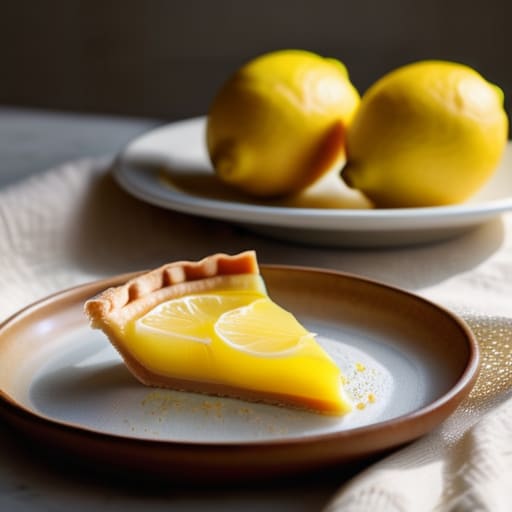
Lemon Tart That Sets Without Rubber
Most people think the secret to a perfect lemon tart lies in a fancy offset spatula or a way more expensive brand of butter, but they’ve got it entirely wrong. They spend hours scrolling through glossy photos, wondering why their curd is either a grainy mess or a weeping puddle, when the real culprit is usually just a lack of respect for the temperature. If you are searching for how to make lemon tart that actually holds its shape without sacrificing that bright, sharp sting of citrus, you have to stop looking at the decorations and start looking at your heat source. A tart doesn’t fail because you’re a bad baker; it fails because you tried to rush the emulsification. I’m not going to give you a list of decorative garnishes or tell you that you need a professional kitchen to get this right. Instead, I’m going to teach you…
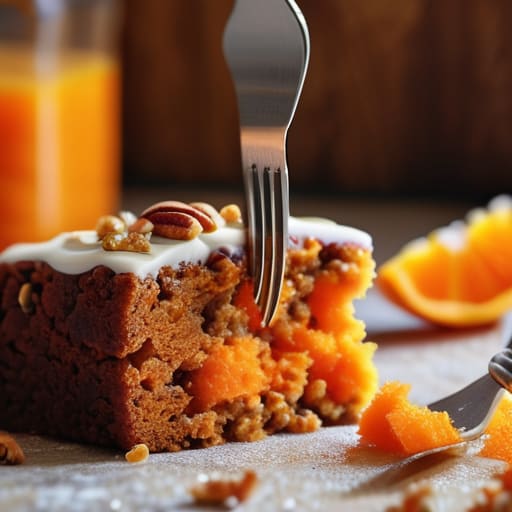
Oil-based Cakes Stay Moist Longer
Most people think that if their carrot cake comes out heavy, sodden, or tasting like a damp sponge, they simply didn’t use enough spices or a fancy enough flour. They spend hours scrolling through glossy websites trying to figure out how to make carrot cake that doesn’t collapse under its own weight, but they are looking in all the wrong places. The truth is, your cake isn’t failing because of the cinnamon; it’s failing because you’re treating your batter like a chemistry experiment instead of a living thing. You’re likely over-mixing the flour until the gluten gets angry, or you’re dumping in grated carrots that are so full of water they’ve turned your lovely crumb into mush. I am not going to give you a list of “secret ingredients” or tell you to buy a specific brand of expensive oil. Instead, I’m going to teach you to listen to the…
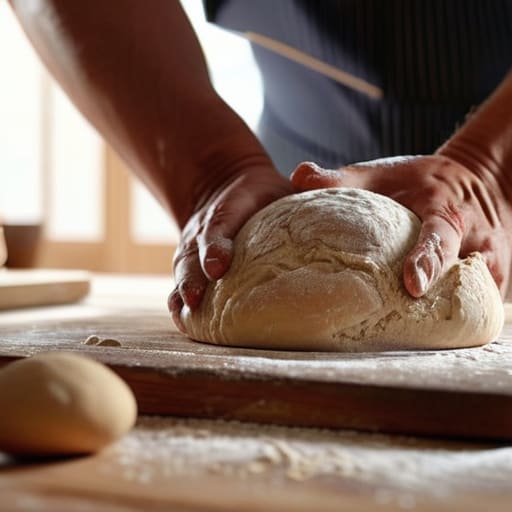
The Complete Guide to Shaping Bread
I spent thirty-four years watching people buy expensive, specialized shaping tools and high-tech dough scrapers, thinking a piece of stainless steel would suddenly teach them how to handle a ferment. They treat it like a mechanical process, but if you’re looking for a complete guide to shaping bread that relies on gadgets and fancy instructional videos, you’ve come to the wrong place. I remember my first decade in the bakery, standing before a wood-fired oven at four in the morning, realizing that no tool could replace the sensory feedback of my own skin against the dough. You don’t shape with your wrists; you shape with your intuition and the tension you feel under your palms. I’m not here to show you how to make a loaf look like a piece of art for a social media feed. Instead, I’m going to teach you how to respect the dough’s structure so…
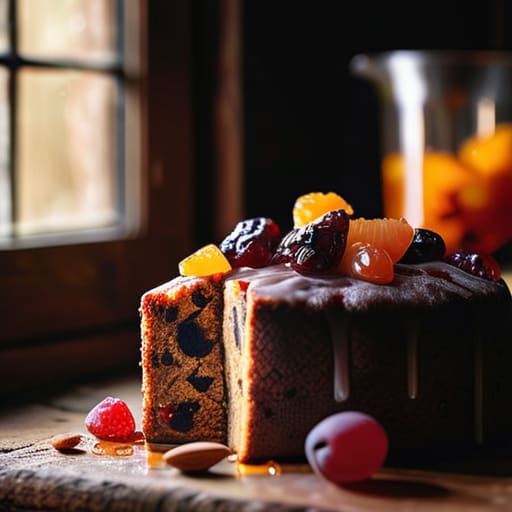
Feeding a Christmas Cake From October
I spent thirty-four years watching people walk into my shop with expensive, specialized “accelerators” and “flavor enhancers,” convinced that a bit of chemistry could replace a bit of soul. They treat a living sponge like a science experiment to be conquered rather than a guest to be hosted. If you’ve been following those glossy, over-complicated tutorials on how to feed and mature a cake only to end up with something that tastes like nothing but sugar and disappointment, you aren’t doing anything wrong—you’re just being lied to. Most of those “hacks” ignore the most important part: the rhythm of the fermentation and the temperature of your own kitchen. I’m not going to give you a list of fancy additives or tell you to buy a digital sensor you don’t need. Instead, I’m going to teach you how to listen to your batter. We are going to talk about the actual…
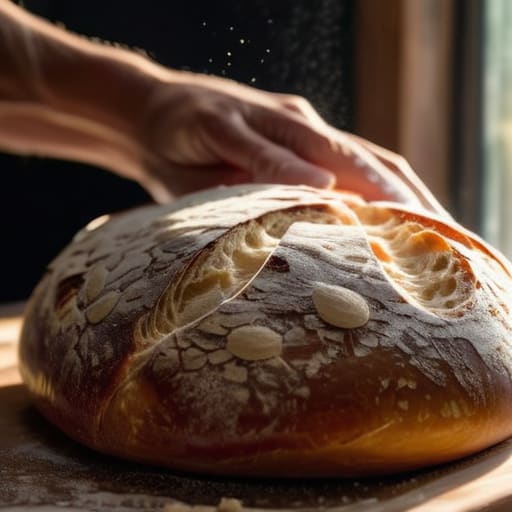
The Complete Guide to Dough Hydration
If you think you need a thirty-dollar electrolyte powder or a smart water bottle that pings your phone every twenty minutes to tell you you’re thirsty, you’ve been sold a load of nonsense. I spent thirty-four years watching dough transform in a kitchen that was often too cold and far too dry, and I learned early on that you cannot force a process that isn’t ready. People treat a complete guide to hydration like it’s some complex chemical equation to be solved with expensive gadgets, but it isn’t. It’s much more like managing a sourdough starter; it’s about rhythm and intuition, not just checking a box on a checklist. I’m not here to sell you a lifestyle or a subscription; I’m here to tell you how it actually works when you stop overthinking the math. I’ll be sharing what I’ve learned about listening to your body’s signals, much like I…
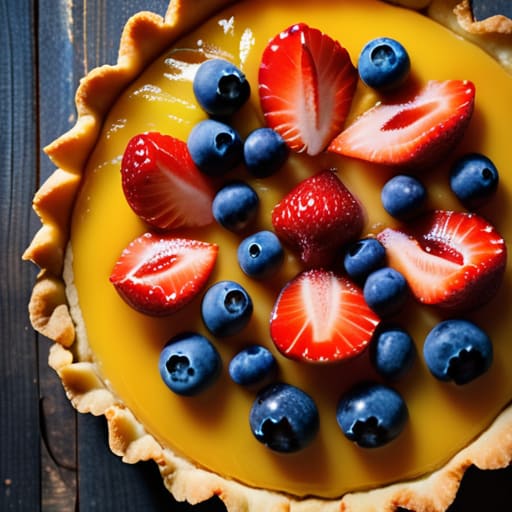
Tarts: Crisp Base, Set Filling, No Fuss
I spent thirty-four years watching people walk into my shop, eyeing the pastry cases with a mix of longing and dread, usually because they’d tried to follow some overcomplicated, ten-step recipe online that promised a “gourmet experience” but delivered nothing but a greasy, crumbling mess. Most of those glossy websites make it sound like you need a laboratory of specialized equipment and a degree in chemistry just to figure out how to make a tart that doesn’t shatter the moment a fork touches it. They focus on the decorations—the shiny glazes and the perfect fruit arrangements—while completely ignoring the fact that if your butter is too warm or your hands are too heavy-handed, all the berries in the world won’t save you from a soggy, pathetic bottom. I’m not here to sell you a dream or a list of expensive gadgets you’ll only use once. I’m going to show you…
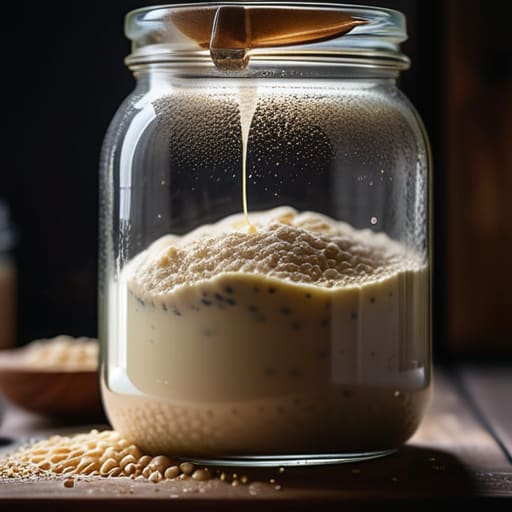
The Fridge Is a Flavour Tool
I remember standing in my shop at four in the morning, the air thick with the scent of yeast and the damp chill of a stone floor, watching a young apprentice try to “fix” a flat loaf by adding more flour and more frantic kneading. He thought he could force the bread to behave, but you can’t bully life into a dough. Most people think you need expensive specialty grains or high-tech proofing boxes to get that deep, complex tang, but they’ve missed the point entirely. The truth about how overnight fermentation improves flavour isn’t found in a grocery store aisle; it’s found in the quiet, slow magic that happens while you’re actually sleeping. I’m not here to sell you a complicated gadget or a list of obscure ingredients you can’t find at the local market. I’m going to show you how to work with time instead of against it,…
Starting a Starter and Keeping It Alive
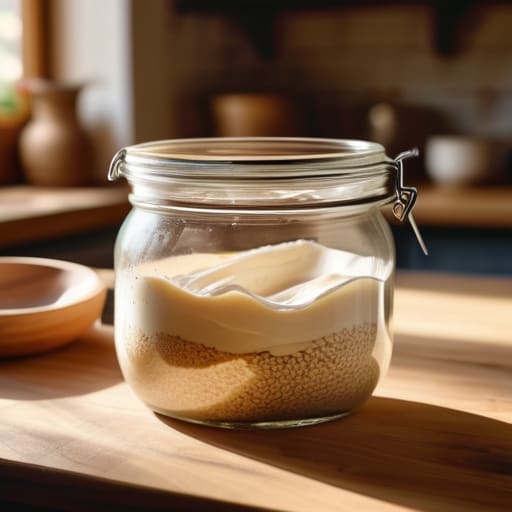
People will tell you that building a starter is some kind of dark magic, or that you need a laboratory-grade environment to succeed, but they are simply wrong. Most of the fuss comes from people treating flour and water like a chemistry experiment instead of a living thing. If you’ve been staring at a jar of grey, stagnant goo wondering how to make sourdough starter that actually bubbles and breathes, stop looking for a secret ingredient. You don’t need expensive additives or a specialized incubator; you just need to understand that you are inviting wild yeast into your kitchen, and they don’t care about your fancy gadgets. They care about consistency. In this guide, I’m going to strip away the nonsense and show you how to build a culture using nothing but simple weights and a bit of discipline. We aren’t going to use cups—because those lie to you—and we…
Choosing a Thickener for the Fruit You Have
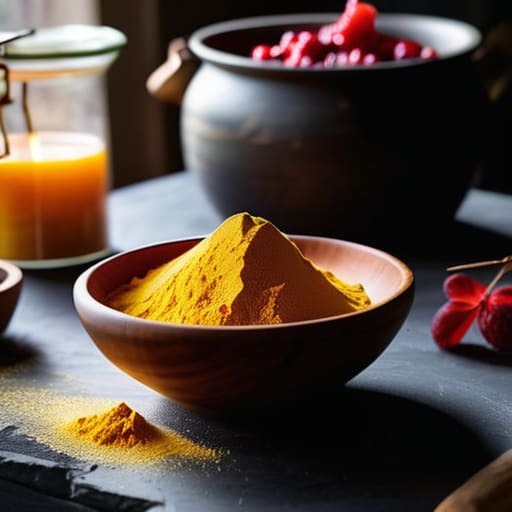
I can still smell the scorched sugar from my first summer in the bakery, standing over a pot of bubbling damson plums that refused to behave. I had followed a recipe to the letter, yet when I sliced into the tart, the filling didn’t sit; it ran across the plate like a slow, purple river, ruining the crust and making a mockery of my hard work. People will tell you that you need expensive, pre-mixed pectin packets or some laboratory-grade stabilizer to fix this, but they are selling you a solution to a problem that doesn’t exist. Learning how to thicken fruit fillings isn’t about buying more ingredients; it’s about understanding the relationship between heat, acid, and the starch you already have in your pantry. I am not here to give you a list of fancy additives or a glossy photograph of a perfect pie. Instead, I’m going to show…