I spent thirty-four years watching people walk into my shop, pick up a loaf of wholemeal, and sigh because it was too dense, too heavy, or felt like they were chewing on a brick. They’d go home, try a fancy recipe from a glossy magazine, and conclude that wholemeal is just inherently “difficult.” Let me tell you something: it isn’t difficult, it’s just different. Most of those recipes fail because they treat wholemeal like white flour, and that is your first mistake. If you want to stop fighting your dough and actually learn how to make wholemeal bread work, you have to stop treating it like an enemy and start respecting its thirst.
I’m not here to sell you expensive additives or complex machinery that will only gather dust in your pantry. I’m going to show you how to listen to the grain, adjust your hydration to account for those stubborn bran particles, and give the dough the patience it deserves. We’ll talk in weights and percentages, because that is the only way to stay honest with yourself, and I promise to tell you exactly how that dough should feel under your palms before you ever think about shaping it.
Understanding Wholemeal Flour Absorption and Hydration
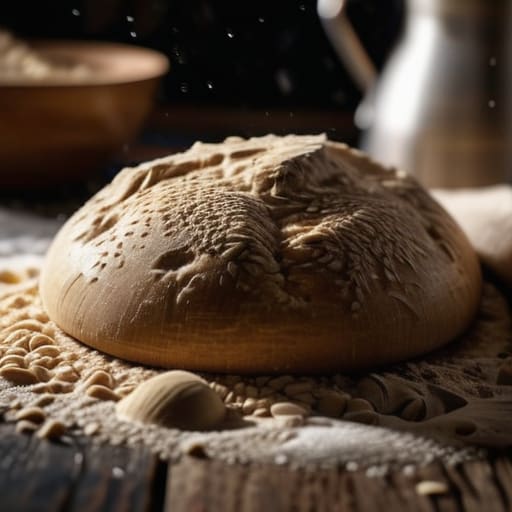
The first thing you must accept is that wholemeal flour is a thirsty, stubborn thing. Unlike white flour, which is essentially just the starch and protein, wholemeal contains the bran and germ—the bits that act like tiny, jagged sponges. If you try to treat a wholemeal recipe like a white loaf, you’ll end up with a crumb that feels like a brick. You have to account for wholemeal flour absorption by increasing your water. I usually aim for a 75% to 80% hydration level for my wholemeal loaves; if it feels too slack to hold its shape, you haven’t given it enough to drink.
To stop the bran from slicing through your gluten strands like tiny knives, you need to give the flour a head start. I always use an autolyse technique for wholemeal, mixing just the flour and water and letting it sit for at least forty minutes before I even touch the salt. This allows the bran to soften and the proteins to begin their work in peace. It’s the difference between a loaf that is heavy and tight, and one that has a supple, open crumb structure that actually breathes.
The Autolyse Technique for Wholemeal Success
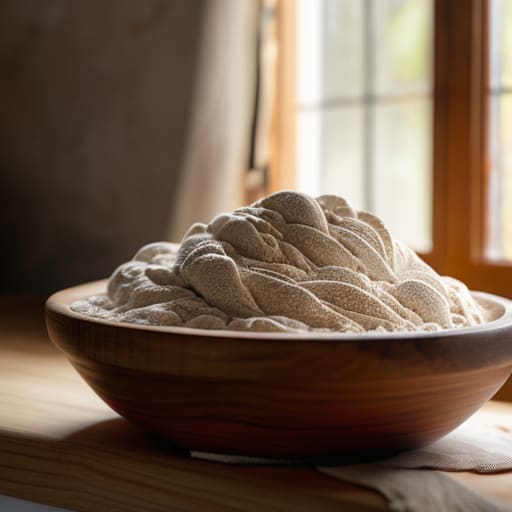
If you’re trying to fight the heaviness of a wholemeal loaf, you need to stop thinking about mixing and start thinking about soaking. This is where the autolyse technique for wholemeal becomes your best friend rather than just another fancy word in a textbook. When you combine your flour and water—and nothing else, mind you—and let them sit for forty minutes to an hour, you aren’t just waiting around. You are giving those stubborn bran particles time to fully hydrate. If you skip this, you’ll find yourself fighting a shaggy, uncooperative mass that refuses to develop any strength, leaving you with a brick instead of a loaf.
During this rest, the enzymes in the flour begin their work, naturally breaking down starches and making the gluten easier to manage. You’ll notice a massive difference in the whole wheat dough texture; it shifts from a gritty, broken mess to something that actually feels supple and alive under your palms. By allowing this quiet chemical marriage to happen before you even touch the salt or yeast, you are essentially doing the hard work of improving bread crumb structure before the kneading even begins. It’s about working with the grain, not against it.
Five Ways to Stop Fighting Your Dough and Start Working With It
- Watch the temperature, not the clock. Wholemeal flour is a dense, heavy thing that can get quite warm when you’re working it, and if your water is too warm, you’ll find the dough turning into a sticky, over-proofed mess before you’ve even finished shaping it. Aim for a final dough temperature around 24°C; if your kitchen is drafty, use slightly warmer water, but never let it get hot enough to make the dough feel limp.
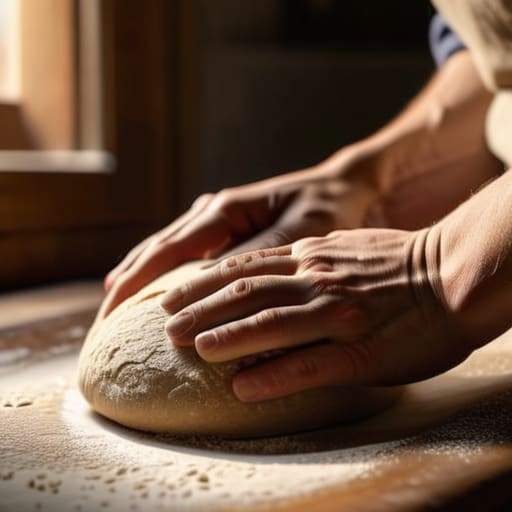
- Stop being so afraid of the stickiness. A wholemeal dough at 75% hydration might look like a disaster to someone used to white bread, but that’s just the bran being thirsty. Don’t keep adding flour to “fix” it—that’s the fastest way to turn a beautiful loaf into a brick—instead, use wet hands for your folds and trust that the gluten is building underneath that surface tension.
- Respect the bran. Wholemeal flour contains those little shards of bran that act like tiny knives, cutting through the gluten strands as they try to form. To prevent a dense, stunted loaf, you must be gentle during your bulk fermentation; use coil folds rather than aggressive kneading to build strength without tearing the very structure you’re trying to create.
- Give the salt time to settle. I always suggest adding your salt after the initial autolyse has had its say. Salt is a regulator; it tightens the gluten and controls the fermentation, so if you throw it in too early with a thirsty wholemeal flour, you might find the dough becomes stubborn and difficult to stretch before it’s actually ready to work.
- Listen to the fermentation, not the timer. Because wholemeal flour is packed with nutrients, it can go from “just right” to “over-proofed and collapsing” in the blink of an eye. Don’t pull it out of the bowl just because a recipe says twenty minutes have passed; poke it gently—if it springs back slowly and leaves a slight indentation, it’s ready. If it stays down, you’ve waited too long.
Three Things to Remember Before You Knead
Stop looking at your old white bread recipes; wholemeal is a thirsty, stubborn grain that needs more water to feel right, so always aim for a higher hydration percentage to keep the crumb from turning into a brick.
Respect the clock, not just the timer; because wholemeal ferments more aggressively than white flour, you have to watch the dough’s movement and feel rather than blindly following a clock that doesn’t know if your kitchen is drafty or warm.
Be gentle with your hands during the final shaping; the bran in wholemeal acts like tiny little knives that can cut through your gluten structure if you’re too rough, so treat the dough with a bit of softness to keep the air inside.
Trust the Process, Not the Clock
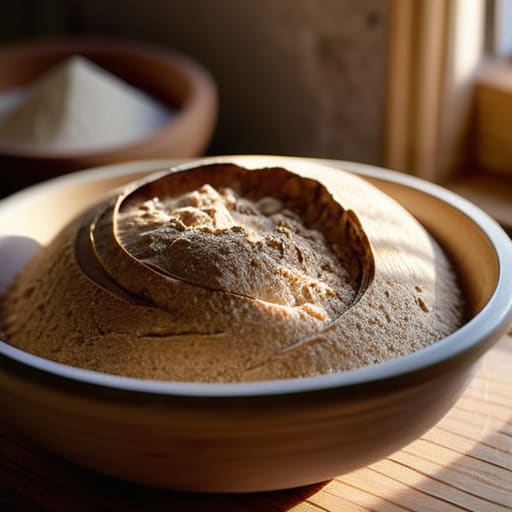
If you take nothing else away from this, remember that wholemeal is not a direct substitute for white flour; it is a different beast entirely. You cannot treat it with the same haste or the same thirst. You must respect the higher hydration needs—aiming for that 75% to 80% range depending on your bran content—and you must give the flour the time it needs to truly hydrate through a proper autolyse. If your dough feels tight or struggles to spring, don’t reach for more flour like a panicked amateur; instead, check your temperature and give it another fold. Most failures in wholemeal baking aren’t due to a lack of skill, but a lack of patience for the grain to do its work.
At the end of the day, baking is a conversation between your hands and the dough. There will be days when the kitchen is too drafty or your starter is a bit sluggish, and your loaf might come out a little denser than you intended. That is perfectly fine. Don’t let a heavy crumb discourage you from the craft. Every failed loaf is just a lesson in disguise, telling you exactly how the environment shifted. Keep your weights precise, keep your heart open, and remember that the best bread is often the one that took its sweet time to get there.
Frequently Asked Questions
My dough feels like a heavy, sticky lump instead of a smooth ball; am I over-hydrating it or just not kneading it enough?
Neither, darling—you’re likely just fighting it. If it feels like a heavy, sticky lump, your gluten hasn’t found its strength yet. Wholemeal is thirsty and stubborn; it needs time to absorb that water before it’s ready to behave. Don’t go throwing more flour at it—that’s a trap. Give it a few more sets of gentle folds and let it rest. It’ll stop fighting you once the bran softens and the structure settles.
Is it better to use a bit of white bread flour to help the structure, or am I cheating myself if I don't go 100% wholemeal?
You aren’t cheating yourself; you’re just being sensible. If you go 100% wholemeal, you’re working with a heavy, abrasive grain that can shred your gluten network if you aren’t careful. Adding 20% or 30% white bread flour isn’t a shortcut—it’s providing a structural scaffold. It gives the loaf the strength to lift rather than just sitting there like a dense brick. Use the white flour to build the skeleton, then let the wholemeal provide the soul.
My wholemeal loaves always come out looking like dense bricks—how can I tell if my starter is strong enough to lift that heavy grain?
If your loaves are coming out like bricks, your starter is likely struggling to lift that heavy bran. Think of your starter as the engine; if it’s sluggish, it won’t move the heavy cargo of wholemeal. Don’t just look at the bubbles—look at the timing. A strong starter should reliably double, or even triple, in volume within a predictable window after feeding. If it’s taking hours longer than it used to, it’s tired. Feed it more frequently and keep it warm. You need a vigorous, active culture to fight the weight of that grain.