I remember the first time I tried to swap out my standard bread flour for spelt and emmer in the village shop; I thought I was being clever, but I ended up with a tray of flat, sticky disasters that looked more like pancakes than loaves. Most of the fancy cookbooks will tell you that you just need to find the “perfect” artisanal brand, but they never tell you the truth about how ancient grains bake when they don’t have the structural backbone of modern wheat. They treat these grains like they’re just a different flavor, ignoring the fact that they behave entirely differently under your hands.
I’m not here to sell you on a lifestyle or a bag of expensive dust; I’m here to tell you that these grains are fussy, beautiful, and stubborn. Over the next few pages, I’m going to strip away the nonsense and show you how to adjust your hydration and your handling so you don’t fight your dough all day. We’ll talk about why your bulk fermentation might feel sluggish and how to listen to the grain instead of just following a printed line.
Understanding Gluten Structure in Heirloom Wheat
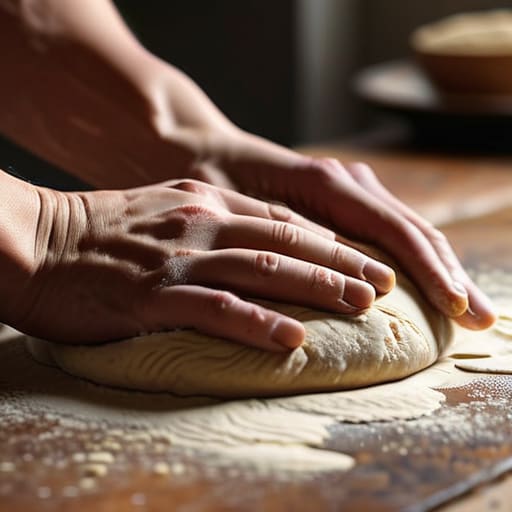
If you go into this expecting the same elastic, bouncy windowpane you get from a bag of high-protein bread flour, you’re going to have a very frustrating morning. The thing about gluten structure in heirloom wheat is that it’s inherently more fragile. While modern wheat has been bred to be a powerhouse of strength, varieties like einkorn or emmer are much more delicate. They don’t have that same aggressive, stretchy network; instead, they have a shorter, more brittle protein structure. When I’m working with them, I don’t look for that massive, snapping elasticity. I look for a dough that feels supple but yielding.
Because that structure is so temperamental, you have to change how you treat the dough. You can’t manhandle it. If you try to knead spelt or einkorn with the same vigor you’d use for a standard loaf, you’ll end up tearing those delicate bonds apart, leaving you with a sticky, unmanageable mess. Handling low gluten dough is less about strength and more about a gentle, rhythmic folding. You aren’t fighting the dough to build strength; you are simply coaxing it to hold its shape without breaking.
Mastering Ancient Grain Flour Hydration Levels
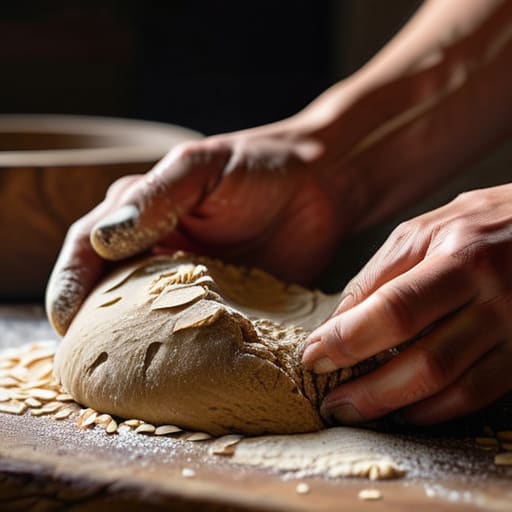
Now, if you try to treat einkorn or spelt like your standard high-protein bread flour, you’re going to end up with a sticky, unmanageable mess that refuses to hold its shape. The thing about ancient grain flour hydration levels is that they are incredibly temperamental. Because these grains often have a different bran structure and less robust gluten, they soak up water differently. I’ve found that if I’m baking with spelt, I usually need to start with about 65% hydration and then feel my way up from there. You can’t just look at a number on a screen; you have to press your palm into the dough and see if it resists or if it just slumps through your fingers like porridge.
When you are handling low gluten dough, the biggest mistake is over-working it. You might think you need to knead it vigorously to build strength, but with heirloom grains, that’s the quickest way to tear what little structure they have. Instead, use gentle folds. Let the water do the heavy lifting through time rather than through muscle. If the dough feels slack, don’t just dump more flour in—that’s how you end up with a brick. Give it a little more rest, let the temperature stabilize, and trust the process.
Five Ways to Stop Fighting Your Dough and Start Working With It
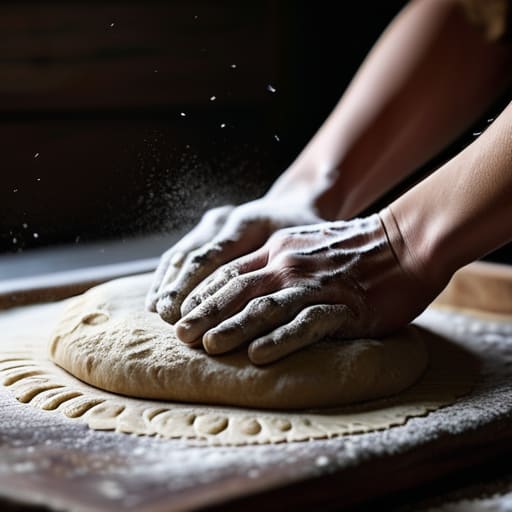
- Watch your hydration like a hawk; because heirloom grains often have higher bran content, they’ll drink up water faster than your standard bread flour, so don’t be afraid to add an extra 3% or 4% if the dough feels tight and unyielding.
- Stop overworking the dough; those ancient gluten networks are beautiful but fragile, and if you treat them with the heavy-handedness you’d use for a standard white loaf, you’ll tear the structure right out of it before it even hits the oven.
- Respect the temperature of your water; since these flours don’t have the same buffering capacity as modern wheat, a kitchen that’s even a few degrees too warm can send your fermentation spiraling out of control before you’ve even finished your shaping.
- Give the dough a longer, gentler rest; if you try to rush the bulk fermentation, you’ll find the dough is stubborn and won’t hold its shape, so let it sit and do the work—patience is what builds the volume, not your muscles.
- Don’t expect a massive oven spring; ancient grains are never going to puff up like a commercial supermarket loaf, so stop looking for that dramatic rise and start looking for the subtle, complex textures and the way the crust develops its character.
The Baker's Truths for Heirloom Grains
Stop looking for a perfect photo; instead, look for the dough to tell you it’s ready, because ancient grains will never behave with the predictable, elastic stubbornness of modern commercial wheat.
Throw your measuring cups in the bin and trust the scale, as even a five-percent shift in hydration can be the difference between a beautiful, open crumb and a heavy, gummy mess when working with thirstier, heirloom flours.
Respect the clock and the thermometer, because these grains lack the brute strength of high-protein blends and will punish you if you try to rush the fermentation or fight them with heavy-handed kneading.
The Soul in the Grain
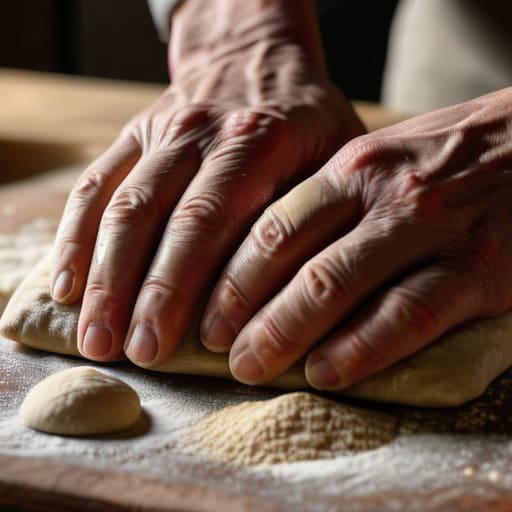
If you take nothing else away from this, remember that working with heirloom grains isn’t about following a rigid script; it is about listening to the flour. You cannot treat Einkorn or Spelt with the same heavy-handedness you might use for a high-protein commercial bread flour. You must account for that lower gluten strength by adjusting your hydration upward and, more importantly, by being gentle with your folds. Don’t go looking for that tight, elastic snap you see in supermarket loaves. Instead, look for a dough that feels supple, slightly more fragile, and deeply responsive to the warmth of your hands. If the dough feels like it’s fighting you, stop, let it rest, and stop trying to force it into a shape it doesn’t want to take.
At the end of the day, baking with these older, stubborn grains is a lesson in humility. They won’t forgive a rushed bulk fermentation or a kitchen that’s too drafty, but when they do perform, the reward is a depth of flavor that modern wheat simply cannot mimic. You aren’t just making food; you are participating in a cycle that has existed long before we started measuring everything in digital grams. So, trust your fingertips more than your timer. Let the dough tell you when it is ready, and remember that the most beautiful loaves are often the ones that required the most quiet, stubborn patience.
Frequently Asked Questions
If these heirloom grains don't have the same strength as modern wheat, should I be using a different mixing method to avoid tearing the dough?
You’ve hit on exactly why so many people get frustrated. You can’t treat an Einkorn or an Emmer like a modern high-protein bread flour; they simply don’t have the muscle for heavy-handed kneading. If you try to work them too hard, you’ll tear that delicate gluten network to shreds before it even has a chance to develop. Forget the intense kneading; I prefer gentle folds every thirty minutes. Let the time do the work your hands shouldn’t.
How do I know if my kitchen is too cold for a slow ferment when I'm working with these more temperamental flours?
If you’re waiting for a clock to tell you when the dough is ready, you’ve already lost the battle. Don’t look at the thermometer on the wall; look at the dough. If your heirloom flour is sitting there looking sluggish, tight, and unresponsive to a gentle poke, your kitchen is stealing your time. When it’s too cold, the yeast goes to sleep and the structure won’t relax. You’ll feel that resistance in your hands.
Since I'm moving away from standard white flour, can I still use my usual sourdough starter, or does the acidity affect ancient grains differently?
You can certainly use your usual starter, but don’t expect the same predictable rhythm. Ancient grains are more delicate; that acidity can soften their already modest gluten structure faster than your standard white flour. If you find the dough feels a bit slack or “soupy” during bulk fermentation, don’t panic and don’t add more flour. Just slow things down. Use a slightly cooler water temperature or shorten your fermentation time by a touch.