Marmalade in January and Why
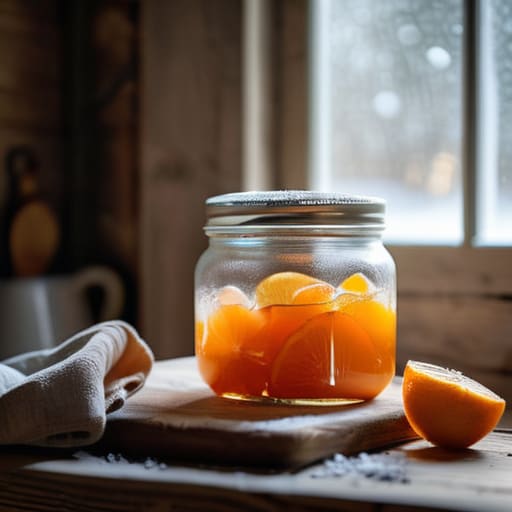
People will tell you that how to make marmalade is a matter of finding the perfect ratio of sugar to fruit, but they are lying to you. They treat it like a chemistry experiment where you just follow a list of measurements and hope for the best. I spent years watching people throw away perfectly good citrus because they thought they needed a specific brand of pectin or a fancy thermometer to succeed. The truth is much simpler and much more stubborn: marmalade is just citrus, sugar, and the slow surrender of heat. If your jars are cloudy or your peel is like chewing on a rubber band, it isn’t because your recipe failed; it’s because you didn’t respect the fruit or you tried to rush the boil. I am not here to give you a glossy, filtered version of preserves that looks pretty in a photograph but tastes like…
Three Ways to Keep a Base Crisp
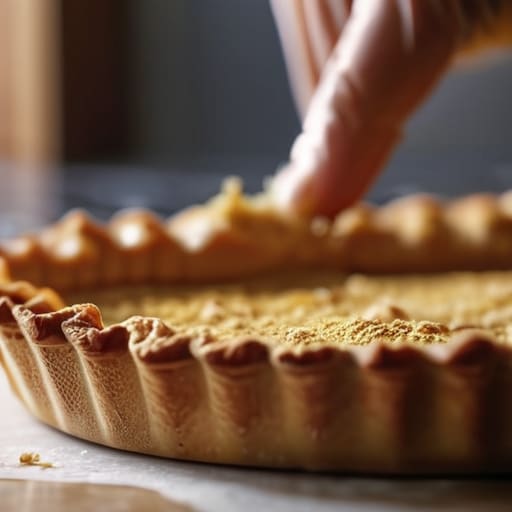
I remember standing in my shop at five in the morning, the air thick with the scent of yeast and woodsmoke, watching a young apprentice pull a tray of tarts from the oven only to see them slump into a pale, weeping mess. He’d followed the recipe to the letter, but he hadn’t understood the environment. People spend far too much money on fancy silicone mats and specialized heavy-duty tins, convinced that a gadget is the secret to how to stop a soggy bottom. It’s nonsense. A soggy base isn’t a failure of your equipment; it’s a failure to respect the relationship between heat, moisture, and the clock. I’m not here to sell you a new baking stone or a complicated gadget you’ll lose in the drawer by Christmas. Instead, I want to talk to you about thermal momentum and the way moisture behaves when it has nowhere to go.…
Stop Buying Convenience and Start Building Life: How to Start a Vegetable Garden With the Patience the Soil Demands.
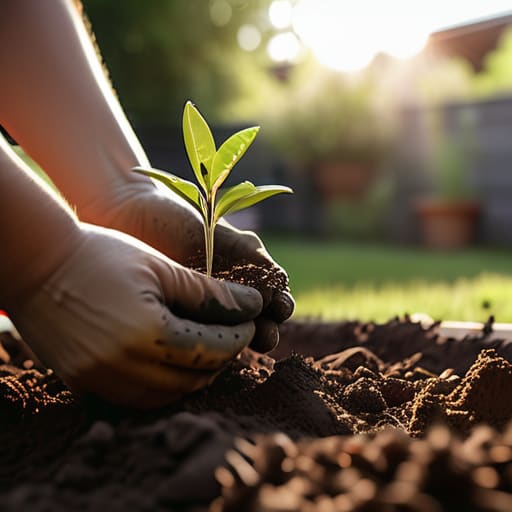
People will try to sell you a thousand-dollar starter kit, complete with designer raised beds and specialized nutrient sprays that promise a harvest by Tuesday, but they’re lying to you. They make it sound like a science experiment when it’s actually more like a slow conversation with the earth. Most folks approach learning how to start a vegetable garden by following a checklist of expensive gadgets, only to end up with a patch of wilted leaves and a lighter wallet. It’s the same as baking; you don’t need a digital thermometer to tell you the dough is ready, you need to feel the life in it. Once you have your soil sorted, you’ll find that the real work is in the timing—knowing when to plant and when to wait. I always tell people that a garden, much like a sourdough, is a living thing that requires a bit of unpredictable…
Baking With Children Without Losing the Batch
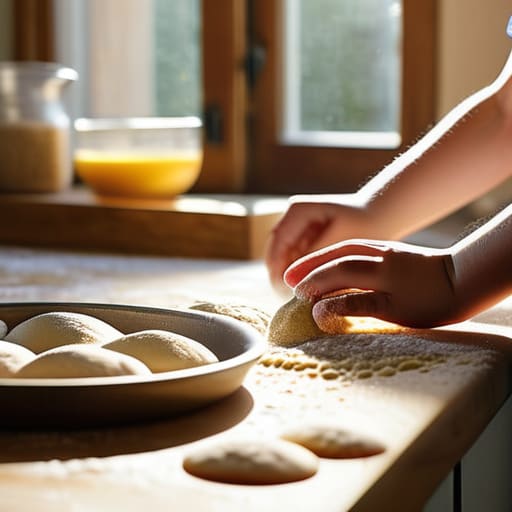
If you’ve spent any time scrolling through those glossy parenting blogs, you’ve likely seen the lie that teaching a child to bake requires a pristine kitchen, a set of miniature silicone tools, and a recipe that yields a perfect, Instagram-ready sponge every single time. It’s nonsense. When I think about how to bake with children, I don’t think about those sanitized, flour-free tutorials; I think about my own niece, four years old and covered head-to-toe in rye flour, staring in absolute wonder as a shaggy mass of dough slowly transformed under her tiny, clumsy palms. Baking isn’t a performance of precision for a camera; it is a messy, tactile conversation between a person and the ingredients. I’m not here to give you a list of “kid-friendly” cupcake recipes that rely on boxed mixes and food coloring. Instead, I want to show you how to teach them the actual rhythm of…
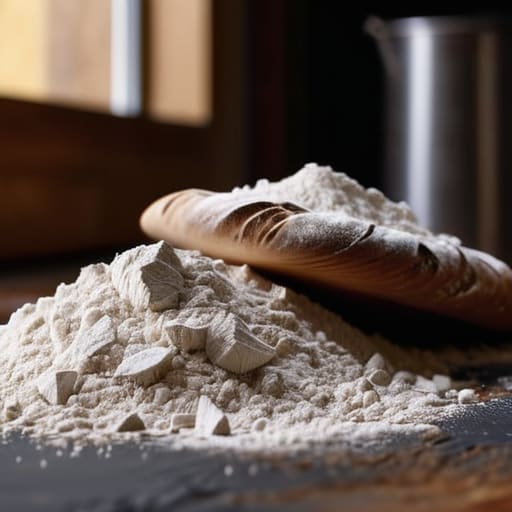
Two Strong Flours Behave Differently
I spent thirty-four years waking up at four in the morning to the sound of flour hitting wooden bowls, and if there is one thing those decades taught me, it’s that you can’t buy your way to a perfect crust with a fancy label. I see people in the specialty aisles nowadays, clutching bags of “artisanal” flour as if the price tag alone will guarantee a rise, but they don’t realize that understanding how bread flour brands differ isn’t about finding the most expensive bag on the shelf. It’s about knowing which mill understands protein, and which one is just selling you bleached dust that will collapse the moment you try to shape a boule. I’m not here to give you a marketing lecture or a list of prestige brands to worship. Instead, I’m going to tell you what actually happens when that flour hits your water—how the absorption rates…
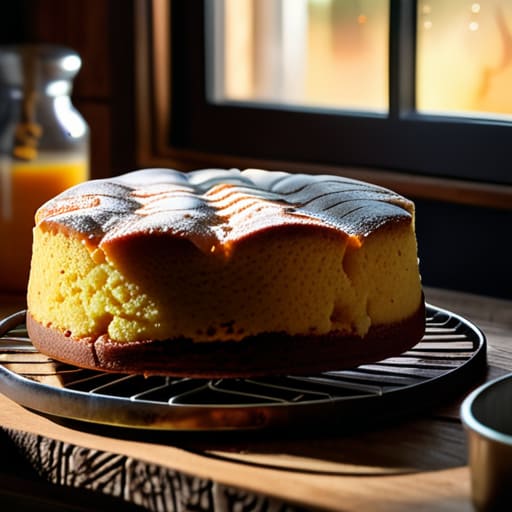
Stop Blaming the Recipe and Start Listening to the Oven: the Truth About Why Did My Cake Sink in Middle.
I can still see it when I close my eyes: that heavy, heartbreaking silence in my bakery at five in the morning when I pulled a tray from the oven only to find the center had surrendered, leaving a crater where a proud sponge should have been. You’ve likely been there too, staring at your own kitchen counter, wondering why did my cake sink in middle despite following every single instruction on that glossy, colorful recipe card. Most people will tell you that you used the wrong brand of flour or that you forgot a pinch of magic, but they are lying to you. A sunken center is rarely a failure of the ingredients themselves; it is almost always a failure of timing, temperature, or the frantic way you handled the batter. If you find yourself constantly battling the oven door only to face a deflated center, you might need…
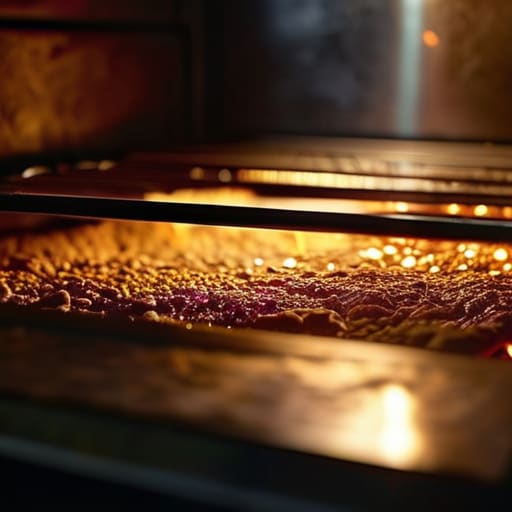
Preheating a Stone Properly Takes Longer Than You Think
I spent thirty-four years watching people treat their kitchen equipment like it was made of fine china rather than tools meant to work, and nothing irritates me more than the idea that you need a specialized, expensive kit to learn how to season a baking stone. I’ve seen enough “gurus” online claiming you need a dozen different oils and a degree in chemistry just to prepare a piece of ceramic, and frankly, it’s nonsense. If you treat a stone like a delicate museum piece, you’ll never get that proper, even heat distribution that makes a crust sing; you just end up with a cold, useless slab and a lot of wasted money. I’m not here to sell you a lifestyle or a complicated ritual. I’m going to tell you exactly how to prepare your surface using nothing more than a bit of heat and common sense, because a neglected stone…
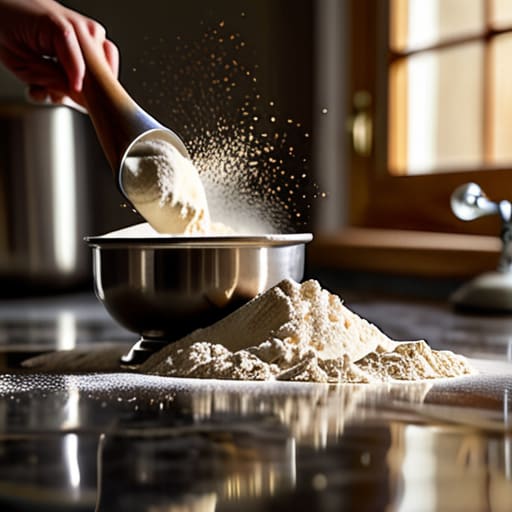
Stop Trusting the Lie of the Measuring Cup: Why You Haven’t Learned How to Measure Flour Correctly.
I remember standing in my shop at five in the morning, thirty years ago, watching a young apprentice try to scoop flour directly from the sack into a measuring cup. He was packing it down tight, like he was trying to settle a grudge, and I knew right then his loaves were going to be nothing but dense, heavy bricks. People spend a fortune on fancy gadgets and “precision” scoops, but they still don’t understand how to measure flour correctly. They think they’re being careful, but they’re actually just guessing, and in a bakery, a guess is just a polite way of inviting failure into your kitchen. Once you’ve finally put down that measuring cup and committed to the scale, you’ll realize that precision isn’t just about being fussy; it’s about understanding your ingredients. When you know exactly how many grams of flour are sitting in your bowl, you can…
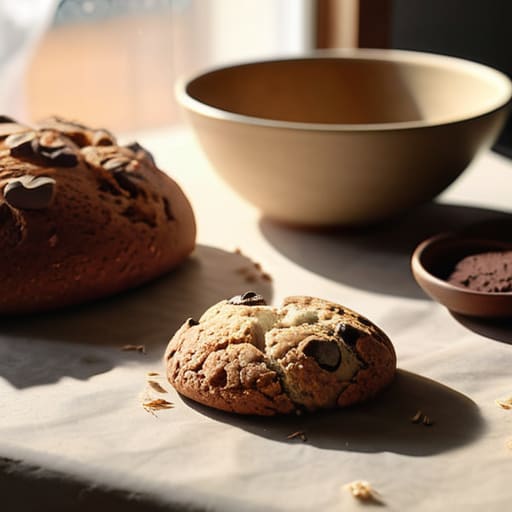
The Complete Guide to Dairy Free Baking
I’ve spent more hours than I care to count watching people throw money at “miracle” powders and expensive, processed emulsions just because they’ve been told they can’t use butter. Most of the internet will give you a complete guide to dairy free baking that reads like a chemistry textbook or a shopping list for a boutique health food store, promising that if you just buy the right $12 carton of nut milk, your sponge will magically behave. It’s a lie. They focus so much on the replacement that they forget the soul of the crumb—how the fat interacts with the flour and how the moisture levels shift when you pull the cow out of the equation. I’m not here to sell you a lifestyle or a brand of vegan butter; I’m here to teach you how to listen to your dough. We are going to look at the actual mechanics…
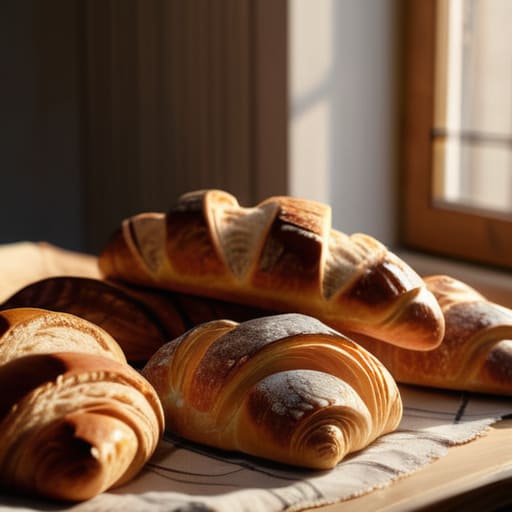
Baking Ahead for a Day You Cannot Bake
I spent thirty-four years waking up at four in the morning to the sound of flour hitting wooden bowls, and if those years taught me anything, it’s that most modern advice on how to bake ahead is absolute nonsense. You see these glossy magazines telling you to freeze dough in plastic tubs or use “specialized” airtight containers as if the bread’s soul depends on the brand of plastic you buy. They make it sound like a science experiment involving expensive gadgets, when in reality, most people fail because they try to outsmart the clock. They treat the dough like a chore to be finished rather than a living thing that needs to breathe, and frankly, it’s exhausting to watch. I’m not here to sell you a new gadget or a complicated schedule that requires you to live in your kitchen. I want to show you how to work with the…