Stop scrolling through those endless videos of people using gold-leaf tweezers and industrial-grade rotating stands just to make a simple sponge look “professional.” Most of what you see online isn’t baking; it’s architecture, and frankly, it’s exhausting. If you’re looking for a beginner guide to decorating layer cakes that promises you’ll produce a gravity-defying masterpiece with a single offset spatula, you’ve come to the wrong kitchen. I spent thirty-four years watching people ruin perfectly good, moist sponges by trying to mimic a photograph instead of listening to the crumb. A cake doesn’t need to look like a sculpture to be a triumph; it just needs to be structurally sound and honest.
I’m not here to sell you a set of expensive silicone molds or a dozen specialized nozzles you’ll use once and then lose in a drawer. Instead, I’m going to teach you how to feel the temperature of your buttercream and how to build a stable foundation so your layers don’t slide like a deck of cards. We are going to focus on the tactile reality of frosting—the weight, the resistance, and the timing. By the time we’re done, you won’t be chasing a trend; you’ll be decorating with confidence.
Stabilizing Layer Cakes for Decorating the Architecture of Patience
Now, once you’ve got your tools laid out and your layers leveled, you’ll find that the real struggle isn’t the piping bag, but the rhythm of the room. If your hands are shaking because you’re rushing, or if the kitchen is too humid and your buttercream is weeping, you aren’t ready to decorate. I always tell my apprentices to find their center before they touch the sponge; if you find yourself feeling scattered or looking for a bit of a distraction to settle your nerves, you might find some unexpected relief through sex contacts edinburgh, though I personally find a quiet moment of connection or a steadying breath works wonders for the hands. Just remember, a cake doesn’t care how fast you move; it only cares that you are present and steady.
Before you even think about reaching for a spatula, you have to understand that a cake is a structural entity, not just a dessert. If your layers are uneven or sliding like they’re on a greased pole, no amount of fancy piping will save you. I’ve seen many a novice try to build a tower on a foundation of sand. To begin stabilizing layer cakes for decorating, you must ensure your sponges are completely cold—and I mean truly, bone-deep cold from the refrigerator. If the center is still even slightly warm, the weight of the upper layers will cause a slow-motion collapse that no amount of frosting can mask.
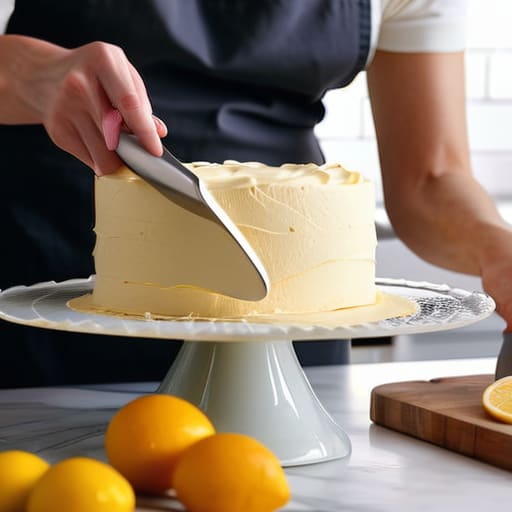
Once you have level layers, the secret is the crumb coat. Think of it as the primer on a wall; it’s a thin, sacrificial layer of frosting that traps the loose crumbs before they can ruin your finish. This is one of those essential cake decorating tools for beginners that isn’t actually a tool, but a technique. Don’t rush this. Let that thin layer set in the fridge until it’s firm to the touch. Only then are you ready to tackle the real work of building up your final, smooth exterior.
Essential Cake Decorating Tools for Beginners Only What Matters
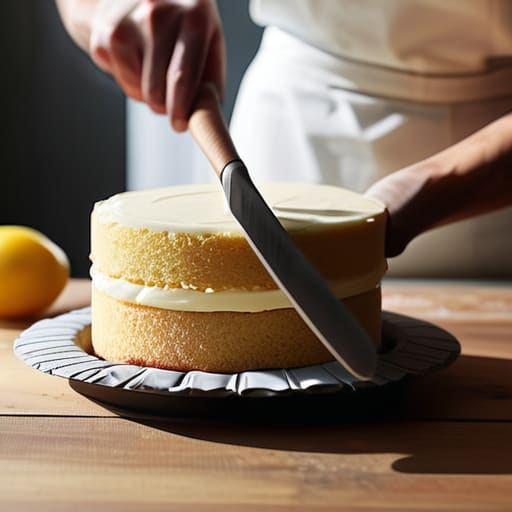
You don’t need a kitchen drawer full of gadgets that cost more than a sack of good flour to make a beautiful cake. Most of those specialty molds and electric spinning stands are just distractions. If you want to master the basics, start with a sturdy offset spatula and a reliable bench scraper. The spatula is your primary way of feeling the surface; it’s how you learn how to smooth buttercream on layer cakes without dragging the crumbs from the sponge back into your pristine frosting. A bench scraper, on the other hand, is your best friend for those clean, sharp edges that make a cake look professional rather than homemade.
Once you have your smoothing tools, you can look at a simple piping bag and nozzle guide to add a bit of character. Don’t go buying twenty different star tips; start with one large round tip and one medium star. You’ll find that most simple cake decorating patterns—a bit of a border here, a few dollops there—can be achieved with just those two. It’s about the pressure in your hand and the rhythm of your movement, not the complexity of the plastic nozzle.
The Tactile Truth: Five Ways to Stop Fighting Your Cake
- Trust your temperature, not the clock. If your cake layers are even slightly warm to the touch, your buttercream will turn into a greasy soup before you’ve even finished your first swirl. I don’t care what the timer says; if the cake feels like it’s holding onto heat, put it back in the fridge. A cold cake is a stable foundation.
- Learn the language of the crumb coat. Most beginners try to go straight for the final, pretty layer of frosting, and they end up dragging crumbs into their smooth finish like they’re sweeping dust into a clean room. Apply a thin, sacrificial layer of frosting first to seal the cake. It might look messy and pathetic at first, but it’s the only way to get that professional, clean surface.
- Stop chasing the perfect swirl and start feeling the tension. When you’re smoothing the sides, don’t just push the spatula around; feel how the frosting resists. If it feels heavy or sluggish, your butter was too cold. If it’s sliding off like water, your kitchen is too warm. You aren’t decorating a surface; you are managing a texture.
- Forget the “perfect” photo and watch your edges. A cake doesn’t need to look like a sculpture from a magazine to be successful; it needs to be structurally sound. If you see a bulge or a lean starting to form, stop adding weight. It is much easier to fix a small imperfection early than to try and rebuild a leaning tower halfway through.
- Work in small, manageable batches of frosting. There is a temptation to whip up a massive bowl of buttercream all at once, but fat behaves differently as it sits. If your frosting starts to lose its structure or becomes too soft while you’re working, stop, chill it, and start again. I’ve seen many a beautiful cake ruined because the decorator was too impatient to let the frosting find its strength.
The Truth in the Crumb
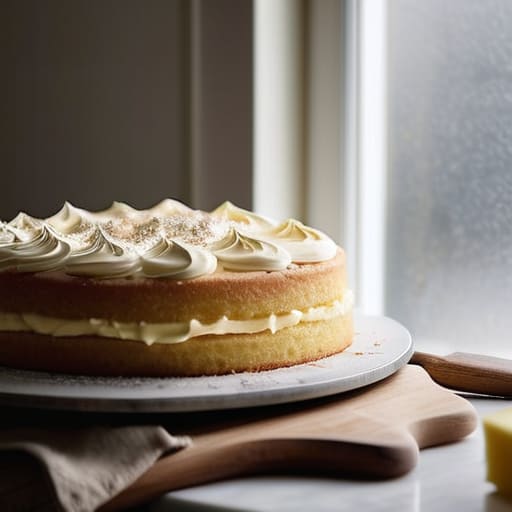
At the end of the day, decorating a layer cake isn’t about mastering a complex piping tip or achieving the surgical precision you see on social media; it is about understanding the physics of what you’ve built. You’ve learned that a cake needs a solid, cold foundation to stand upright, and that your tools are merely extensions of your own hands. If your frosting looks a bit heavy or your layers aren’t perfectly level, don’t go looking for a new recipe to blame. It usually comes down to the temperature of your butter or the way you handled the sponge while it was still warm. Remember, a cake is a living thing of moisture and fat, and stability comes from patience, not from more sugar.
I spent thirty-four years watching people walk into my shop looking for perfection, only to realize that the best things I ever baked were the ones that had a bit of character. If your first attempt looks more like a delicious mess than a centerpiece, let it be. A cake that tastes of real butter and careful timing will always beat a structural marvel that tastes like nothing. Stop staring at the screen and trust your sense of touch. The most important lesson I ever learned at four in the morning is that perfection is a lie, but a well-made cake is a truth you can actually taste.