I remember standing behind my counter at four in the morning, the smell of yeast heavy in the air, watching a young decorator try to eye-ball the slices for a wedding order. She was using a ruler and a prayer, trying to guess the value of her labor while her margins evaporated right in front of her. People will tell you that you need some complex, expensive software to figure out how to portion and price cakes, but that’s just more noise designed to take money out of your pocket. If you don’t respect the math of the slice, you aren’t running a bakery; you’re just giving away your life one crumb at a time.
I’m not here to sell you a spreadsheet or a fancy subscription. I’m going to show you how to treat your ingredients and your time with the same respect you give your oven temperature. We are going to look at the actual weight of the work, because precision is the only way to ensure your passion doesn’t turn into a debt. I’ll teach you how to measure the reality of your costs so that when you finally hand over a slice, you know exactly what it’s worth.
Beyond the Visual Using a Wedding Cake Portion Guide
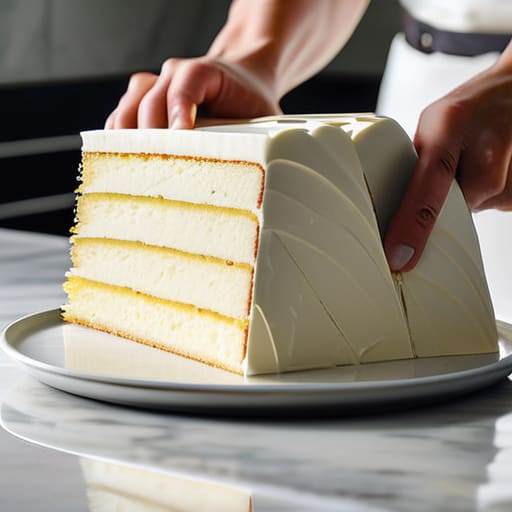
I’ve seen too many young bakers try to eyeball a wedding cake, cutting slices based on what looks “fair” to the eye. That’s a recipe for disaster. When you’re dealing with a tiered masterpiece, you cannot rely on intuition; you need a reliable wedding cake portion guide that treats every inch of sponge with respect. A wedding isn’t a birthday party where people grab handfuls; it is a choreographed event where the math must be as precise as the icing.
You have to understand that standard cake slice dimensions are not suggestions. If you cut a slice too thick, you aren’t being generous—you are literally throwing your profit into the bin. I always tell my apprentices to look at a cake serving size chart before they even pick up the knife. It’s about consistency. If one guest gets a heavy slab and the next gets a sliver, you haven’t just failed the guest; you’ve failed the discipline of the craft. Treat the geometry of the slice with the same reverence you give your oven temperatures, and the numbers will finally start to make sense.
The Truth of Standard Cake Slice Dimensions
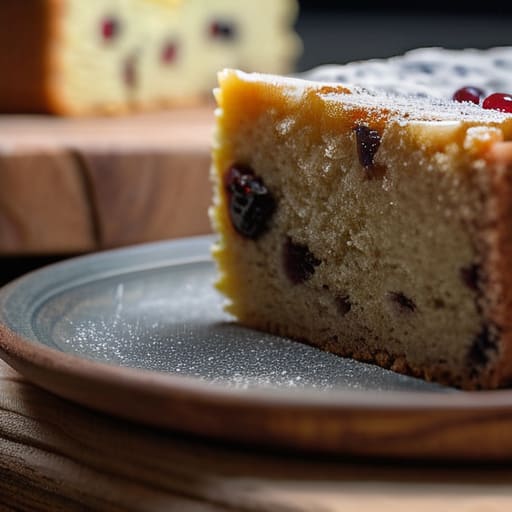
If you walk into a supermarket and buy a cake, you aren’t buying a portion; you’re buying a suggestion. In a real bakery, we don’t deal in suggestions. When people ask me about standard cake slice dimensions, they usually want a number they can scribble on a chalkboard, but the truth is a bit more fluid than that. A slice of a dense, dark fruitcake is a world away from a wedge of a light sponge, even if they occupy the same physical space on a plate. If you try to treat them as equals, you’ll find your margins thinning out faster than a poorly whipped meringue.
You have to understand that a slice isn’t just a piece of food; it is a mathematical unit of your labor. I always tell my apprentices that if you don’t respect the physical volume of the slice, you’ll never truly master your bakery profit margin calculation. You aren’t just selling flour and sugar; you are selling the precise amount of cake that justifies the cost of the electricity used to bake it and the time it took to decorate it. Don’t let a “generous” slice become a habit that eats your livelihood.
The Baker’s Ledger: Five Rules for Not Giving Your Profit Away
- Stop eyeing the slices and start weighing them; a cake might look generous, but if you aren’t consistent with your cuts, you’re essentially handing out free dessert to anyone with a sharp knife and a bit of luck.
- Account for the “Baker’s Tax,” which is the weight lost to crumbs, leveling, and the inevitable bit of frosting that ends up on your spatula—if you don’t price for the waste, you’re working for free.
- Don’t just charge for the flour and sugar; you have to price in the electricity that ran your oven and the hours you spent standing on a hard floor, because a recipe is only half the cost of a cake.
- Treat your tiered cakes like a structural engineering project rather than a decoration job; the more complex the assembly and the more delicate the crumb, the higher the premium, because stability costs more than just aesthetics.
- Build a buffer into your pricing for the “unexpected” because in thirty-four years, I’ve learned that a kitchen never runs perfectly, and your margins need to be thick enough to survive a bad batch or a broken whisk.
The Baker’s Bottom Line: Three Rules for Not Working for Free
Stop eyeing your slices and start weighing them; if you don’t use a scale to ensure every portion is identical, you aren’t just losing profit, you’re losing the consistency that keeps customers coming back.
Your price must account for more than just the flour and sugar on the plate—it has to cover the electricity for the oven, the hours you spent standing, and the inevitable cost of the scraps left in the bowl.
Never price based on what the shop down the street is doing; price based on your own costs and the specific weight of your product, because a “cheap” cake is often just a recipe for a bankrupt baker.
The Baker’s Bottom Line
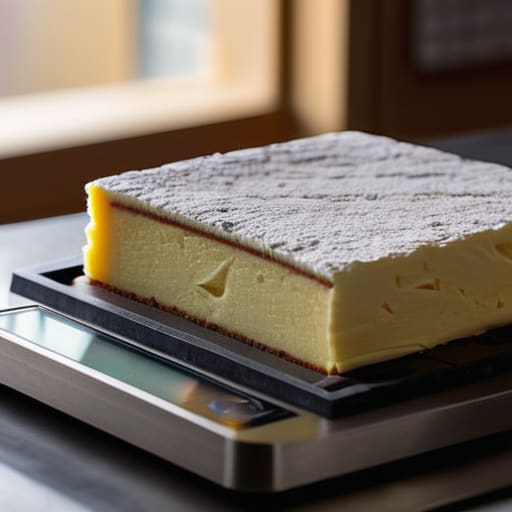
At the end of the day, pricing your cakes isn’t about being greedy; it’s about making sure you can afford to keep your oven running tomorrow. We’ve talked about why you can’t trust your eyes when it comes to portioning, why those standard dimensions matter, and why you must respect the math as much as you respect your ingredients. If you are guessing at your margins with a knife and a prayer, you aren’t running a business, you’re running a charity. Use your scales, stick to your percentages, and remember that every gram of flour and every minute of your labor has a specific, calculated value that must be reflected in your final price.
I know it feels cold to talk about pennies and grams when you’ve just spent hours folding delicate sponge or perfecting a buttercream, but precision is the highest form of respect you can show your craft. When you master the discipline of the scale and the logic of the ledger, you give yourself the freedom to keep creating without the constant, nagging fear of running dry. Baking is a labor of love, but patience and precision are what turn that love into a life. Don’t be afraid to charge what you are worth; a well-priced cake is a sustainable one, and a sustainable baker is one who can keep feeding the soul of the village for years to come.
Frequently Asked Questions
If I’m slicing a cake for a wedding versus a birthday, how much does the actual weight of the slice change my pricing?
Listen, a wedding slice and a birthday slice are two entirely different animals. At a wedding, people want a tidy, uniform piece—usually a smaller, rectangular cut—because they’re balancing a plate and a conversation. For a birthday, they want a generous, wedge-shaped slab. If you price by the slice, you must account for that density. Don’t just eyeball it; if your wedding slice is 40% lighter than your birthday wedge, your margin will vanish before the candles are blown out.
How do I account for the cost of the ingredients when my slices aren't perfectly uniform?
Stop trying to chase perfection in a slice; you’ll go mad and your margins will go with it. You don’t price the slice, you price the whole cake. Calculate your total ingredient cost for the entire tin, then divide that by your expected yield. If your slices vary by a few grams, it doesn’t matter. You’ve already accounted for the flour and the butter in the total weight. Build a little buffer into your math for the scraps, and stop worrying about the uneven edges.
What do I do when a customer asks for a "generous" slice—how do I translate that into a price without losing my profit to the air?
When a customer asks for a “generous” slice, they aren’t asking for a different recipe; they’re asking for more of your labor and ingredients. Don’t wing it. A “generous” slice is simply your standard portion plus a calculated percentage—usually 25% to 30% more weight. If your standard slice is 100g, a generous one is 130g. Price it by the gram. If you don’t charge for that extra weight, you’re just gifting them your profit.