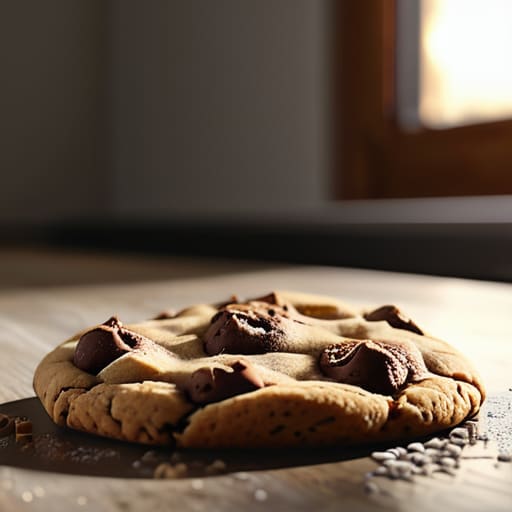
Stop Chasing the Photograph and Learn How to Make Perfect Chocolate Chip Cookies Through Patience, Temperature, and the Truth of the Dough.
If you think a “perfect” cookie is about finding some secret, expensive brand of chocolate or a magic gadget from a late-night infomercial, you’ve been sold a lie. I spent thirty-four years watching people walk into my bakery asking how to make perfect chocolate chip cookies by following those colorful, glossy recipe cards that promise heaven in every bite, only to return a week later with a tray of flat, greasy discs. The truth is much more boring and much more honest: it’s about the temperature of your butter, the weight of your flour, and the way you handle the dough before it hits the heat. A cookie doesn’t fail because of the brand of vanilla; it fails because your kitchen was too warm or you rushed the chill. I’m not here to give you a list of “easy steps” that ignore the science of the bake. Instead, I’m going…
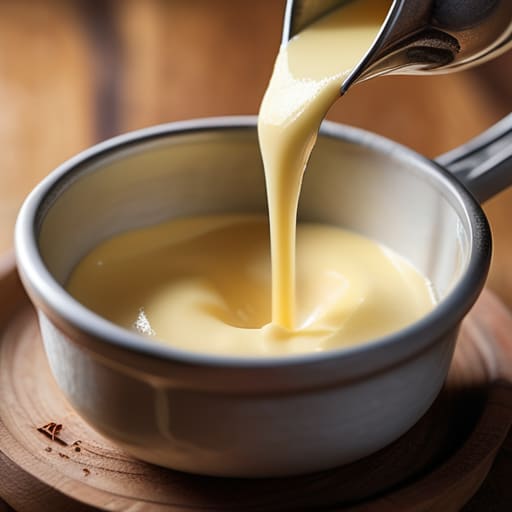
Custard That Does Not Scramble
I spent thirty-four years watching people treat custard like a chemistry experiment or, worse, a reason to buy a tin of powdered nonsense from the supermarket. They’ll tell you that you need vanilla beans from a specific island or some expensive stabilizer to keep it from weeping, but that’s just expensive nonsense. Most people struggle with how to make custard because they are fighting the heat rather than working with it. I’ve seen enough curdled, scrambled eggs masquerading as dessert to last a lifetime, and frankly, it breaks my heart. I’m not going to give you a list of fancy gadgets or a recipe that requires a degree in molecular gastronomy. Instead, I’m going to teach you the rhythm of the whisk and the importance of temperature control. We are going to focus on the relationship between the fat and the flame, ensuring you understand exactly when the custard has…
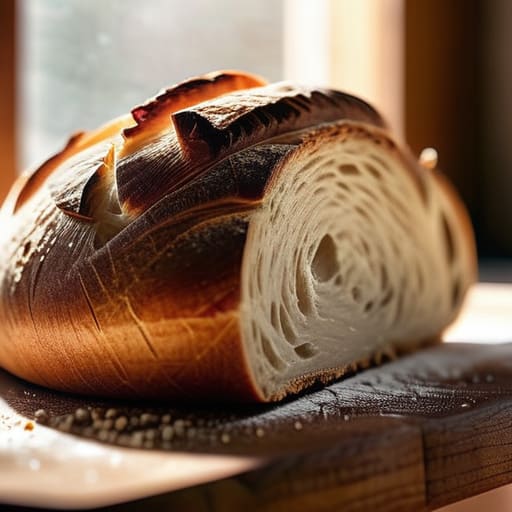
Testing an Unfamiliar Flour on One Loaf
I remember standing in my shop at four in the morning, thirty years ago, staring at a sack of flour that looked exactly like the last one but behaved like a different animal entirely. My dough wouldn’t hold its shape; it felt slack, almost disobedient, despite me following my usual hydration. That was the day I realized that a brand name on a bag is nothing more than a suggestion, not a guarantee. Most people think you need a laboratory or a fancy protein analysis to figure out what you’re working with, but they’re wrong. Learning how to test a new flour isn’t about expensive equipment; it’s about knowing how to use your own hands and a bit of intuition to see if that grain has the backbone to support your bake. I’m not going to give you a checklist of scientific metrics that won’t mean a lick of difference…
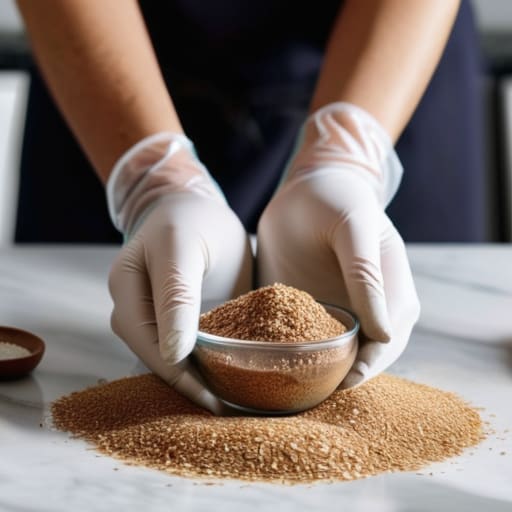
Baking Safely for an Allergy You Do Not Have
I remember a young mother coming into my shop years ago, eyes red-rimmed, clutching a box of expensive, pre-packaged gluten-free crackers like they were a lifeline. She was terrified that if she tried to bake something herself, she’d end up making someone sick, or worse, making something that tasted like cardboard. Most people will tell you that learning how to bake for someone with allergies requires a cabinet full of overpriced, specialty powders and a chemistry degree, but they are selling you a lie. You don’t need a magic ingredient to keep a kitchen safe; you need discipline and a clean workspace. I am not going to waste your time with complicated substitutions that fall apart the moment they hit the oven. Instead, I’m going to teach you how to respect the science of the swap, focusing on how moisture and structure actually work when you pull wheat or dairy…
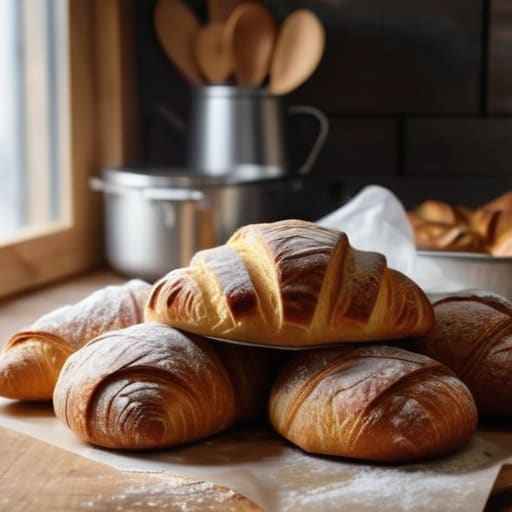
The Complete Guide to Freezing Bakes
I remember sitting in the back of my shop at five in the morning, the flour dust dancing in the light of the oven, watching a young apprentice try to salvage a batch of brioche that had gone stone-cold and stale because he’d packed them into containers while they were still breathing steam. He thought he was being efficient, but he was actually just suffocating his hard work. Most people treat freezing like a magic trick or a way to hide a mistake, but if you want a complete guide to freezing bakes that actually works, you have to stop treating your bread like a commodity and start treating it like a living thing. I’m not going to give you a list of fancy vacuum sealers or expensive gadgets you don’t need. Instead, I’m going to tell you how to protect the moisture and the soul of your grain so…
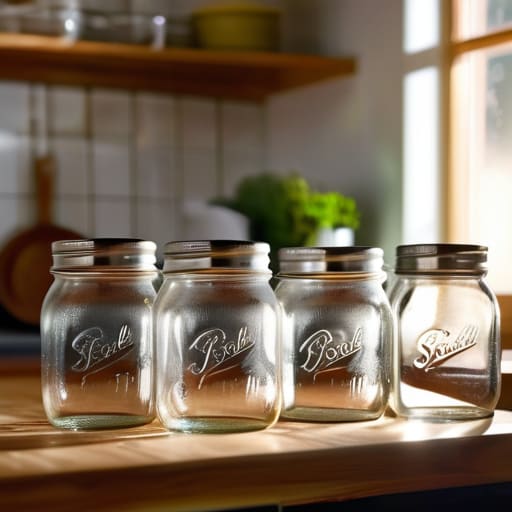
Sterilising Properly Before You Fill
I remember the first time I lost a whole batch of summer peach preserves; I’d spent three days picking fruit only to find the jars cloudy and the seals broken by the following Tuesday. I thought I’d followed the instructions, but I’d been lazy with the heat, treating the preparation like a chore rather than the foundation of the whole process. Most people think that a quick rinse with boiling water is enough, but if you want to know truly how to sterilise jars so your hard work actually lasts through the winter, you have to respect the science of the heat. A jar that looks clean to the eye can still be a playground for spoilage if you haven’t treated it with the proper discipline. In this guide, I’m not going to give you any of that sterilized, clinical nonsense that makes you feel like you’re working in a…
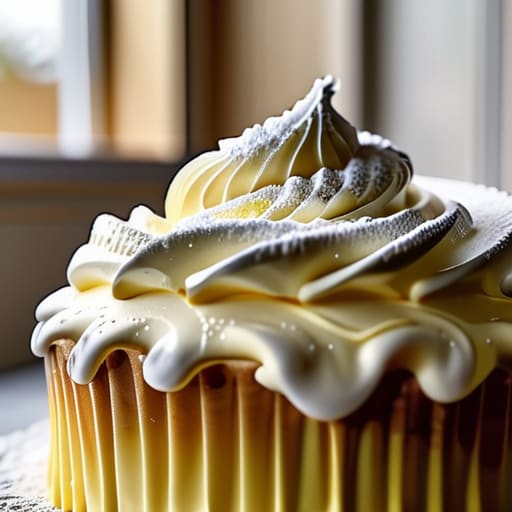
stop Chasing the Photograph: the Truth About Common Mistakes When Making Buttercream Frosting
I remember standing in my shop at five in the morning, thirty years ago, staring at a bowl of buttercream that looked more like yellow grease than a silky frosting. I had followed a recipe to the letter, but my kitchen was too warm and my hands were moving too fast, and suddenly I was staring at a ruined batch of expensive butter. People will tell you that you need a specialized machine or a specific brand of imported vanilla to get it right, but that’s nonsense. Most of the common mistakes when making buttercream frosting have nothing to do with your equipment and everything to do with your patience and your understanding of how fat behaves when it meets sugar. I am not here to sell you a fancy mixer or a complicated gadget you’ll use once and hide in the cupboard. I’m going to tell you exactly why…
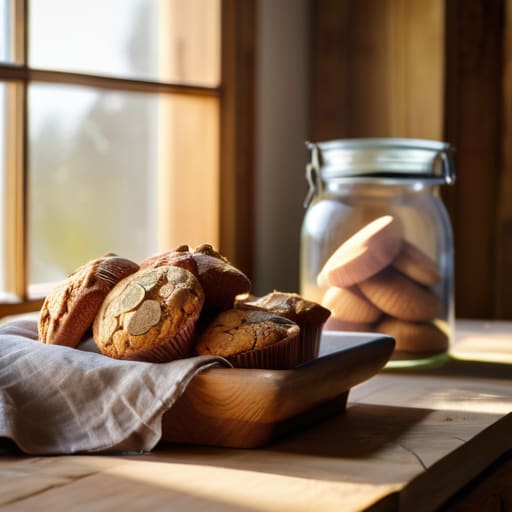
The Complete Guide to Storing Bakes
I’ve spent thirty-four years watching people pour their heart, soul, and expensive flour into a beautiful loaf, only to throw it in the bin twenty-four hours later because they didn’t know how to treat it once it left the oven. They go searching for some miracle, high-tech gadget or a fancy vacuum sealer, thinking a “complete guide to baking storage” means buying more plastic. It’s nonsense. Most of what you read online is just marketing fluff designed to make you feel like your kitchen is inadequate. The truth is, a loaf doesn’t go stale because you lack the right equipment; it goes stale because you misunderstood its rhythm and let the air steal its life. I’m not here to sell you a subscription to a gadget magazine or a set of overpriced airtight canisters. What I’m going to give you is the honest, unvarnished truth about how to keep your…
Marmalade in January and Why
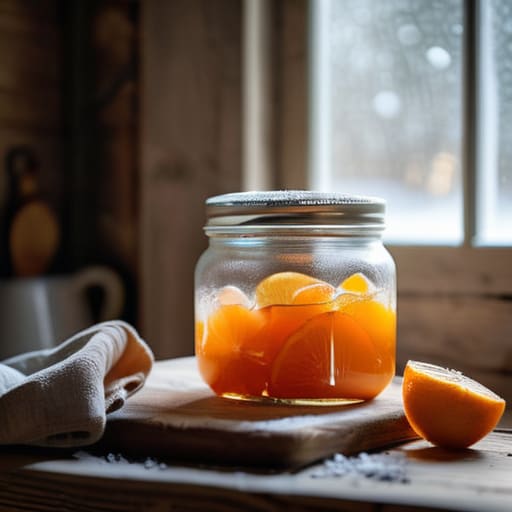
People will tell you that how to make marmalade is a matter of finding the perfect ratio of sugar to fruit, but they are lying to you. They treat it like a chemistry experiment where you just follow a list of measurements and hope for the best. I spent years watching people throw away perfectly good citrus because they thought they needed a specific brand of pectin or a fancy thermometer to succeed. The truth is much simpler and much more stubborn: marmalade is just citrus, sugar, and the slow surrender of heat. If your jars are cloudy or your peel is like chewing on a rubber band, it isn’t because your recipe failed; it’s because you didn’t respect the fruit or you tried to rush the boil. I am not here to give you a glossy, filtered version of preserves that looks pretty in a photograph but tastes like…
Stop Guessing With Your Leavening: the Truth About the Difference Between Baking Soda and Powder and Why Your Crumb Is Failing.
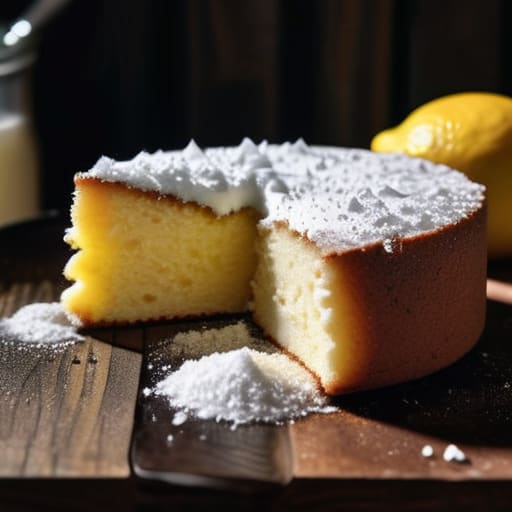
I remember a Tuesday morning back in ’94, around three in the morning, when a young apprentice reached for the wrong canister while I was mid-knead. He’d tried to substitute one for the other in a batch of heavy rye, thinking they were just two different names for the same white dust. The result wasn’t just a flat loaf; it was a dense, soapy-tasting brick that could have doubled as a doorstop. Most people treat these two like interchangeable pantry staples, but if you don’t grasp the fundamental difference between baking soda and powder, you aren’t really baking—you’re just hoping for the best. And in a professional kitchen, hope is a very poor substitute for chemistry. Now, if you find yourself staring at a flat, heavy loaf and wondering where the lift went, don’t go blaming your oven temperature just yet; it’s usually a matter of timing your leaveners correctly.…