Three Ways to Keep a Base Crisp
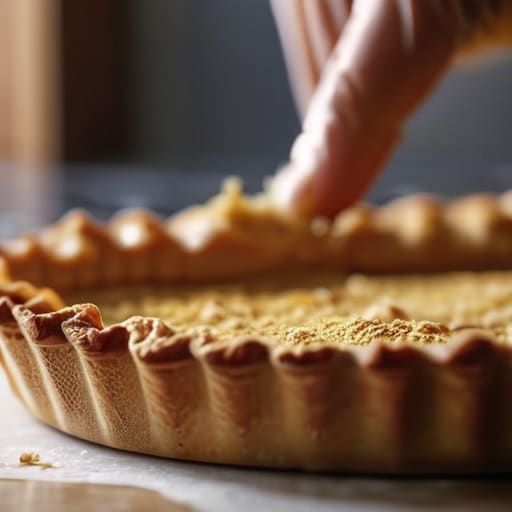
I remember standing in my shop at five in the morning, the air thick with the scent of yeast and woodsmoke, watching a young apprentice pull a tray of tarts from the oven only to see them slump into a pale, weeping mess. He’d followed the recipe to the letter, but he hadn’t understood the environment. People spend far too much money on fancy silicone mats and specialized heavy-duty tins, convinced that a gadget is the secret to how to stop a soggy bottom. It’s nonsense. A soggy base isn’t a failure of your equipment; it’s a failure to respect the relationship between heat, moisture, and the clock. I’m not here to sell you a new baking stone or a complicated gadget you’ll lose in the drawer by Christmas. Instead, I want to talk to you about thermal momentum and the way moisture behaves when it has nowhere to go.…
Blind Baking So the Base Is Actually Cooked
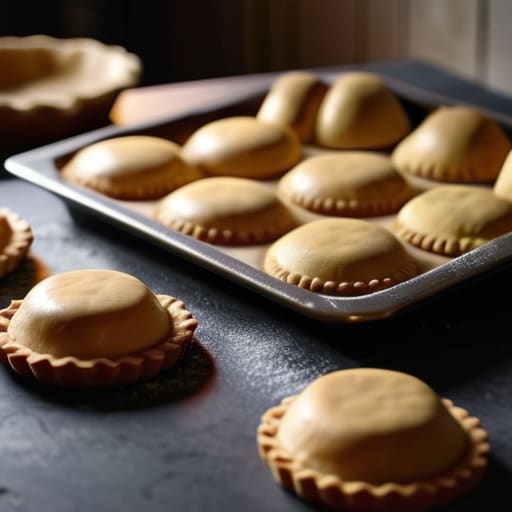
I can still see that first tart I ever pulled from the oven—a soggy, weeping mess that looked more like a puddle than a pastry. I had followed every “expert” tip online, using expensive silicone mats and fancy specialized tools, yet the bottom was as limp as wet paper. It’s a common frustration because most people treat blind baking like a magic trick rather than a lesson in physics. They think if they buy the right gadget, they’ve mastered the art, but they forget that knowing how to blind bake properly is actually about managing heat and moisture, not collecting more kitchen clutter. I’m not going to waste your time with complicated gadgets or “hacks” that only serve to clutter your cupboards. Instead, I’m going to tell you what’s actually happening to that fat and flour when the heat hits it. We are going to talk about weight, temperature, and…
Shortcrust That Is Tender Instead of Tough
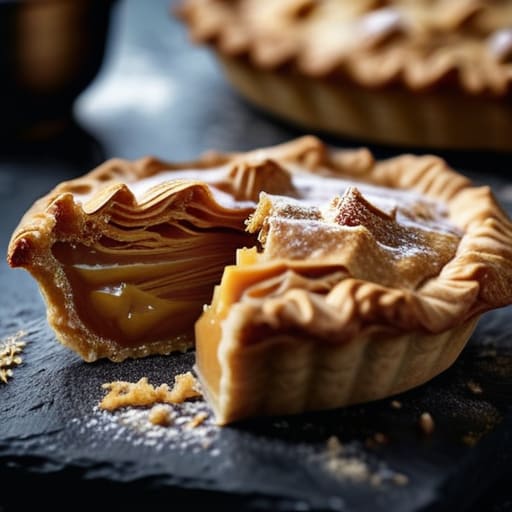
I spent thirty-four years watching people walk into my shop and ask for “secret” pastry techniques, as if there’s some magic powder you can buy to fix a dough that’s been worked into a rubbery mess. Most of those fancy cookbooks will tell you that you need a chilled marble slab or a specialized pastry cutter to master the craft, but that’s just nonsense designed to sell more gadgets. If you are struggling with how to make shortcrust that actually flakes instead of crumbling into sad, sandy dust, the problem isn’t your equipment—it’s your patience and the heat coming off your own palms. I’m not going to give you a list of “golden rules” that ignore the reality of a warm kitchen. Instead, I’m going to teach you to listen to the dough. We are going to talk about the exact ratio of fat to flour—and yes, we are using…
Rough Puff for When You Have an Hour
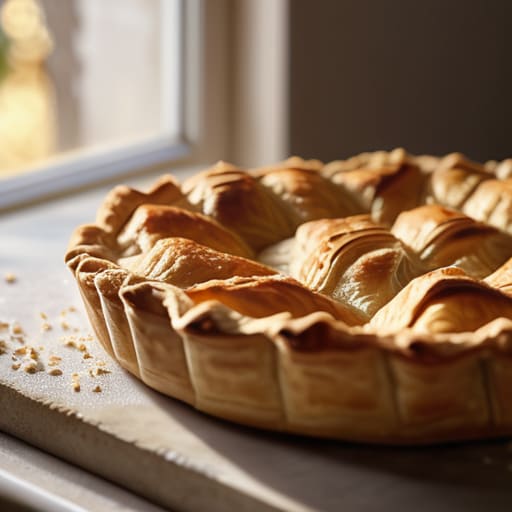
I spent thirty-four years watching people treat pastry like a high-stakes chemistry experiment, sweating over every millimeter of dough as if a single degree of warmth would ruin their lives. They buy those expensive, specialized pastry cutters and specialized marble slabs, convinced that the secret to a good tart lies in the gear rather than the hands. But if you’re sitting there wondering how rough puff compares to the traditional, labor-intensive method, let me tell you something: most of that fuss is just exhaustion disguised as technique. People get so caught up in the pursuit of textbook, razor-thin lamination that they forget we actually want to eat the thing, not just admire its geometry. I’m not here to give you a lecture on perfection or sell you a fancy kit you don’t need. Instead, I’m going to tell you exactly what happens when you stop trying to control the butter…
Lamination and Why Temperature Is Everything
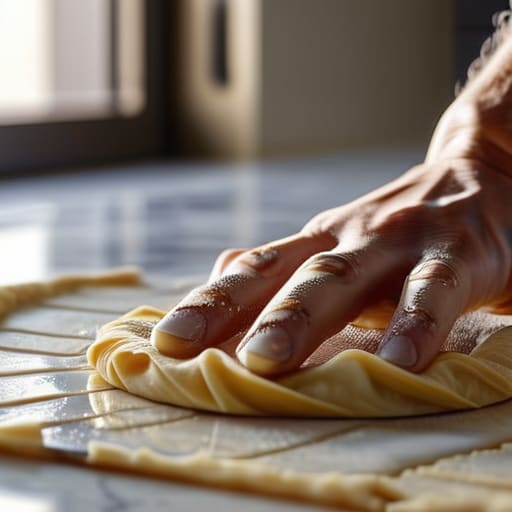
If you’ve spent any time scrolling through those glossy recipe sites, you’ve likely been told that learning how to make puff pastry requires a degree in pastry arts or a kitchen full of expensive, specialized equipment. They make it sound like some mystical, unreachable alchemy, often burying the truth under a mountain of “pro tips” that involve nothing more than making your life difficult for the sake of a pretty photograph. Let me tell you something: puff pastry isn’t a secret, it’s just a matter of temperature and discipline. Most people fail not because they lack talent, but because they treat the dough like a chore to be rushed rather than a living thing that needs to stay cold. I’m not going to give you a list of fancy gadgets or tell you to buy imported butter that costs more than your electricity bill. Instead, I’m going to show you…
Choux: Dry the Paste, Then Add Eggs Slowly
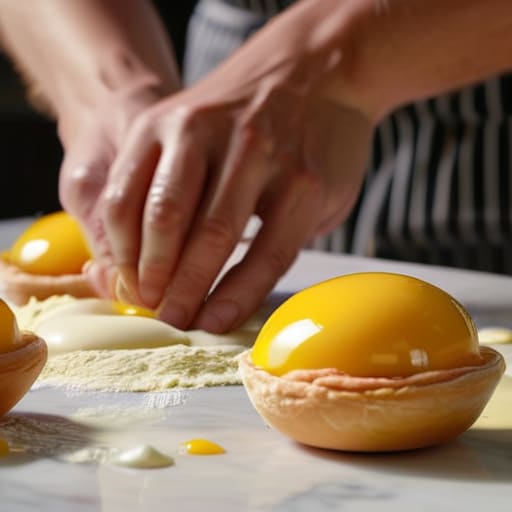
Everyone tells you that if your éclairs come out flat and sad, you simply didn’t follow the recipe, but that is a lie. I spent my first few years in the bakery watching young apprentices weep over heavy, sodden shells, and I can tell you that the fault almost never lies in the measurements. If you are struggling with how to make choux pastry that actually holds its shape, it isn’t because you used the wrong brand of flour; it is because your panade wasn’t dried long enough on the heat, or your kitchen was too drafty for the steam to do its work. Choux isn’t a chemistry experiment you can set and forget; it is a dance of temperature and moisture that requires you to pay attention to the pot, not just the page. I am not here to give you a list of pretty pictures or a “foolproof”…

Stop Chasing the Perfect Photograph and Start Listening to the Batter: My Essential Tips for Making Moist Chocolate Cakes That Rely on Science, Not Luck.
Stop looking at those glossy, airbrushed photos of chocolate cakes that look more like velvet sculptures than something meant to be eaten; they are lying to you. Most of those “secret” tips for making moist chocolate cakes involve adding expensive syrups or strange chemical stabilizers that only serve to mask a fundamental misunderstanding of heat and fat. I spent thirty-four years in a bakery where the oven temperature was a suggestion and the humidity was a living thing, and I can tell you that a dry cake isn’t a recipe failure—it is a failure to respect the physics of the bake. I’m not here to sell you a miracle ingredient or a complicated gadget you’ll use once before it gathers dust in the pantry. Instead, I am going to give you the honest, unvarnished truth about how moisture actually lives within a crumb. We are going to talk about the…
Stopping Biscuits Spreading Into Each Other
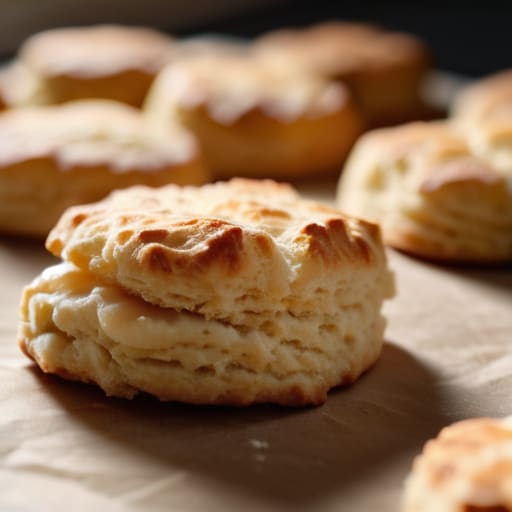
I’ve spent thirty-four years watching people walk into my shop, staring at a tray of beautiful, towering biscuits, only to go home and produce something that looks more like a sad, melted puddle on a baking sheet. Most of those folks are following some fancy, overcomplicated recipe that demands expensive cultured butters or specialized gadgets, but they still can’t figure out how to make biscuits that keep shape. Let me tell you something: it isn’t about the brand of flour you buy or having a designer rolling pin; it is almost always because your hands were too warm or you treated that dough like it was something you needed to punish. I am not here to sell you a dream or a list of ingredients you can’t find at the corner grocer. I’m going to tell you exactly what is happening inside that dough when the heat of your palms…
Beyond the Sugar and the Spectacle: What the History of Traditional Wedding Cakes Teaches Us About the Patience Required to Build a Life.
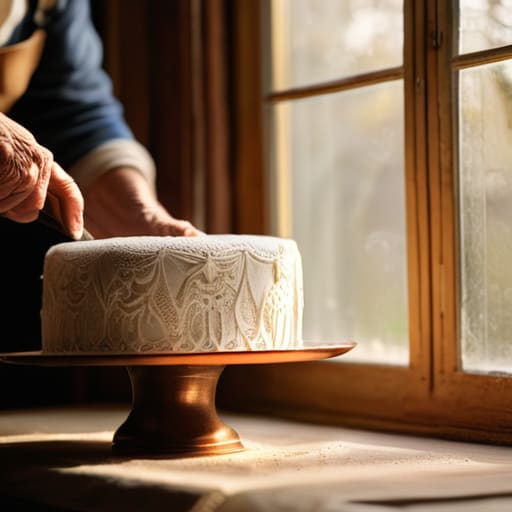
I remember standing in my bakery at five in the morning, watching the steam rise off a tray of sponges, thinking about how much nonsense people spout about wedding sweets. You’ll hear people talk about the history of traditional wedding cakes as if it’s all about pristine white lace and expensive sugar flowers, but that’s a lie told by people who have never had to worry about a cake collapsing in a humid reception hall. In reality, the history of traditional wedding cakes is much messier; it’s a story of survival, grain, and community, born from old customs of breaking bread and stacking spiced buns just to see if the luck would hold. I’m not here to sell you on a fairy tale or some over-engineered fondant sculpture that tastes like sweetened plastic. Instead, I want to pull back the curtain on how these bakes actually evolved from humble, heavy…
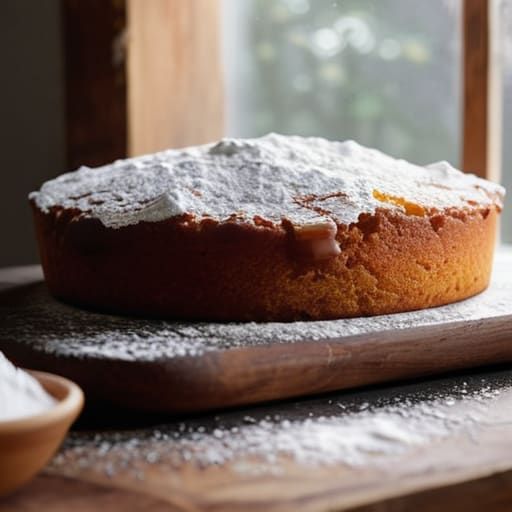
The 7 Best Easy Recipes for Beginner Cake Bakers to Master Today
Most people approach a kitchen timer with a sense of dread, convinced that if their sponge sinks or their crumb turns out gummy, they simply lack the “magic touch.” They spend hours staring at glossy, airbrushed photographs in cookbooks, trying to mimic a visual perfection that doesn’t actually exist in a real, warm kitchen. The truth is, finding easy recipes for beginner cake bakers isn’t about finding a list of ingredients that can’t fail; it’s about understanding that a cake fails when the butter is too cold, the oven is temperamental, or you’ve tried to rush the chemistry of the rise. You don’t need talent as much as you need to stop trusting the measuring cup and start trusting your senses. In the seven items I’ve laid out below, I am going to strip away the fluff and give you the foundation you actually need. We aren’t just looking at…