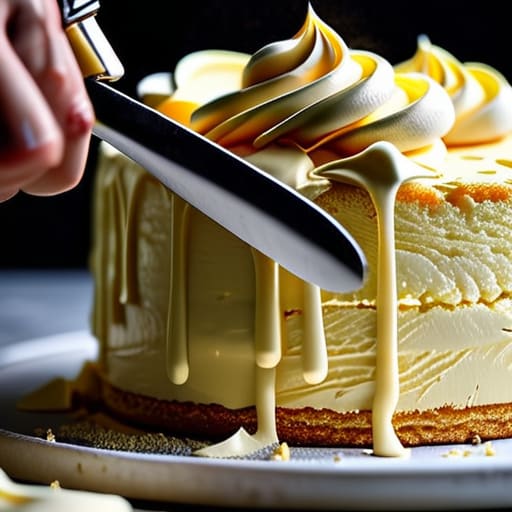
Stop Chasing the Photograph: the Tactile Truth About Decorating Layer Cakes With Buttercream Frosting
I spent thirty-four years watching people throw money at expensive rotating cake stands and specialized metal combs, thinking those gadgets would somehow fix a frosting that’s too warm or a crumb coat that’s too thin. They think decorating layer cakes with buttercream frosting is a matter of having the right equipment, but they’re looking at the wrong end of the spatula. I’ve seen more beautiful cakes ruined by a rushed hand and a kitchen that was too humid than I ever saw saved by a fancy professional tool. It isn’t about the gadgets; it’s about the temperament of your butter and the patience in your wrists. I’m not here to show you how to make a cake that looks like a plastic sculpture in a magazine. Instead, I’m going to teach you how to feel the resistance of the cream against the sponge and how to judge the temperature of…
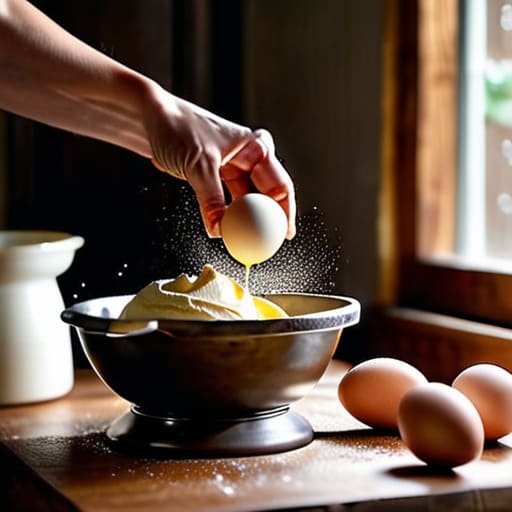
Forget the Measuring Cups and the Frantic Rushing: How to Bake a Classic Sponge Cake With Nothing but Patience and Precision.
You can spend all afternoon staring at those glossy, airbrushed photos of towering sponges, but let me tell you a secret: a photograph won’t tell you why your cake collapsed in the center or why it feels more like a heavy biscuit than a cloud. Most people think they struggle with the recipe, but they are actually struggling with their environment. When I was teaching my apprentices back in the shop, I’d tell them that learning how to bake a classic sponge cake isn’t about following a list of instructions; it’s about understanding how the air in your kitchen and the temperature of your butter play together. If your butter is too cold, it won’t trap the air you need, and no amount of extra flour will save a heavy, lifeless crumb. I am not here to give you a list of fancy decorations or complicated substitutions. I am going…
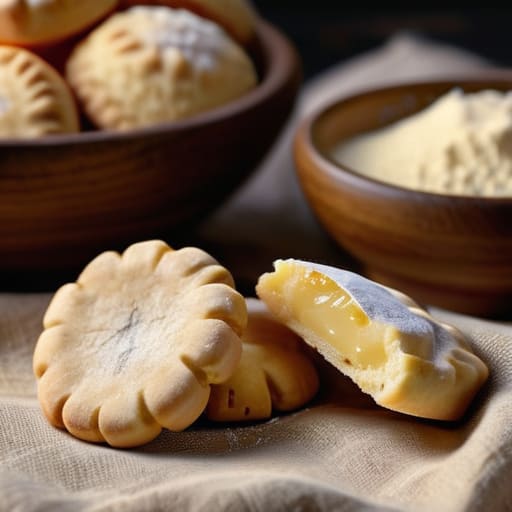
Shortbread Is Three Ingredients and Restraint
Most people think that learning how to make shortbread is about finding a secret ingredient or a fancy brand of butter, but they are looking in all the wrong places. I spent my first decade in the bakery watching beginners ruin perfectly good fat by overworking it, turning what should be a crisp, sandy biscuit into a greasy, heavy mess. The truth is, shortbread isn’t a feat of chemistry; it is a lesson in restraint. If you approach it with heavy hands and a rushed spirit, the dough will fight you every step of the way. I am not going to give you a list of colorful garnishes or tell you that you need a specialized pastry cutter to succeed. Instead, I am going to teach you the discipline of the 1:2:3 ratio—one part sugar, two parts butter, and three parts flour—and more importantly, I will tell you how those…
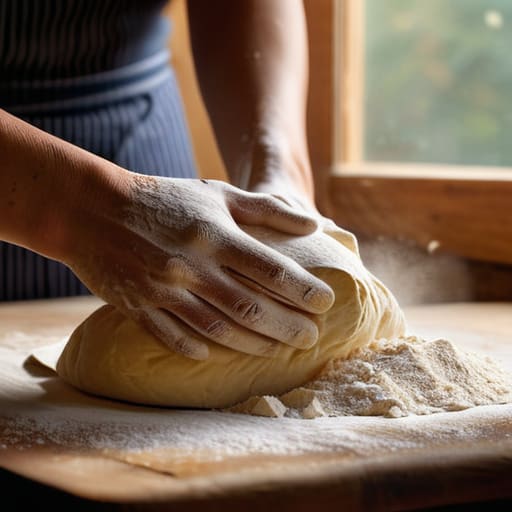
Scones Rise Because You Barely Touched Them
I’ve spent half my life watching people walk into my shop, pointing at a tray of golden, flaky scones and asking if I used some sort of secret, expensive imported butter or a specialized pastry cutter. It’s nonsense. Most people struggle with how to make scones properly not because they lack fancy equipment, but because they are fighting against the heat of their own hands or rushing the dough before it’s ready to rest. I remember standing in my bakery at five in the morning, flour coating my lungs, realizing that a scone isn’t a chemistry experiment to be mastered; it’s a lesson in temperature and restraint. I’m not going to give you a list of “gourmet” additives or tell you that you need a copper bowl to succeed. Instead, I’m going to give you the truth in weights and percentages, because if you can’t weigh your flour, you aren’t…
Flapjacks That Do Not Crumble
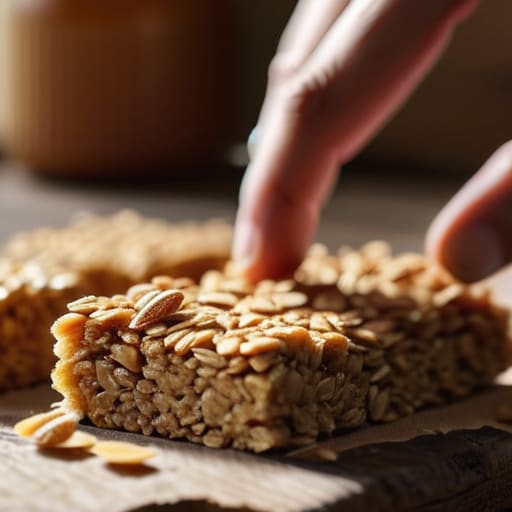
I remember a young lad coming into the shop on a rainy Tuesday, looking absolutely gutted because he’d spent his whole afternoon in the kitchen only to end up with a tray of expensive, sugary gravel. He’d followed some fancy recipe online that promised “gourmet” results, but all he had were crumbs and a bruised ego. That’s the trouble with most modern recipes; they treat oats like a decoration rather than a structural component. If you are searching for how to make flapjacks that hold together without turning them into a brick of pure sugar, you need to stop looking at the glossy photos and start looking at the physics of the bind. I’m not going to give you a list of “secret” ingredients or tell you that you need a specialized silicone mat to succeed. I am going to tell you about the relationship between heat, syrup viscosity, and…
Forget the Measurements That Lie and the Photos That Deceive: How to Bake a Classic Sponge Cake Through Touch, Temperature, and Patience.
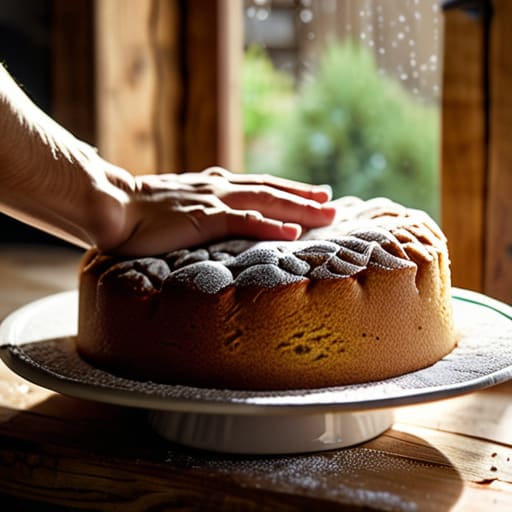
If you’ve ever pulled a sad, sunken crater out of your oven and blamed the recipe, stop right there. Most people think a sponge cake fails because of a “bad” list of ingredients, but that’s a lie. The truth is, learning how to bake a classic sponge cake is less about following a list and more about understanding the air you’re trying to trap inside that batter. I remember a Tuesday morning, decades ago, standing over a bowl of weeping, heavy batter in my old village shop, realizing that I hadn’t been gentle enough with the eggs. I was fighting the ingredients instead of working with them, and that’s when I learned that a sponge isn’t built; it’s nurtured. I’m not going to give you a glossy photograph and tell you to “mix until it looks right,” because “looking right” is how most home bakers end up with a brick.…
Fudgy or Cakey Is a Ratio Decision
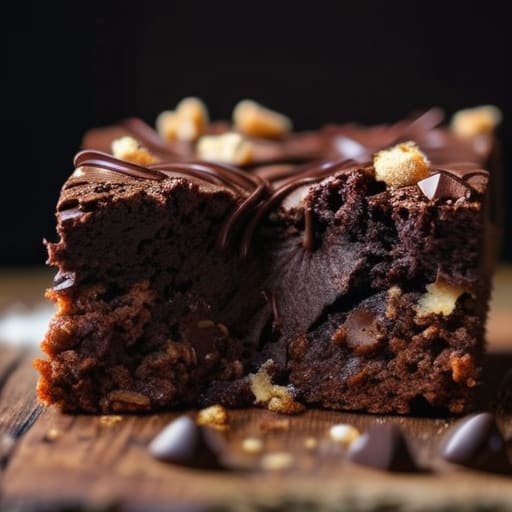
I remember standing in my shop at five in the morning, the air thick with the scent of yeast and woodsmoke, watching a young apprentice try to fix a batch of brownies that had turned into nothing more than dry, chocolate-flavored sponges. He was frantically adding more cocoa powder, thinking the recipe was broken, when the truth was much simpler: he’d overbeaten the eggs until he’d introduced too much air. People spend far too much time searching for some magical, expensive ingredient to solve their problems, when the real secret to how to make brownies fudgy or cakey lies in the way you treat your fats and the sheer violence—or lack thereof—with which you stir your batter. I am not going to give you a list of fancy imports or tell you that you need a sous-vide machine to get it right. Instead, I’m going to show you the math…
Traybakes for Numbers
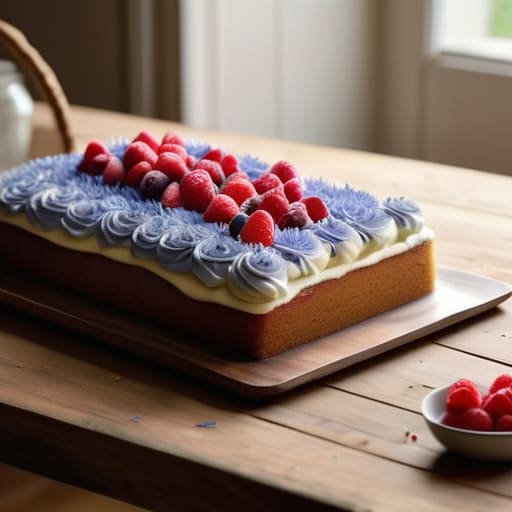
I spent thirty-four years watching people walk into my shop looking for “magic” in a box, as if a traybake could be perfected by simply following a glossy instruction sheet and a timer. They treat it like a chemistry experiment where you just plug in the numbers, but they forget that a kitchen is a living, breathing thing. If you’re looking for a way to make traybakes by simply relying on a digital scale and a prayer, you’ll likely end up with something dry enough to choke a bird. The truth is, knowing how to make traybakes isn’t about the gadget you bought or the fancy brand of chocolate you’re using; it’s about understanding the weight of the batter and how the heat of your oven actually behaves when you close that door. I’m not here to give you a list of expensive ingredients or a series of steps that…
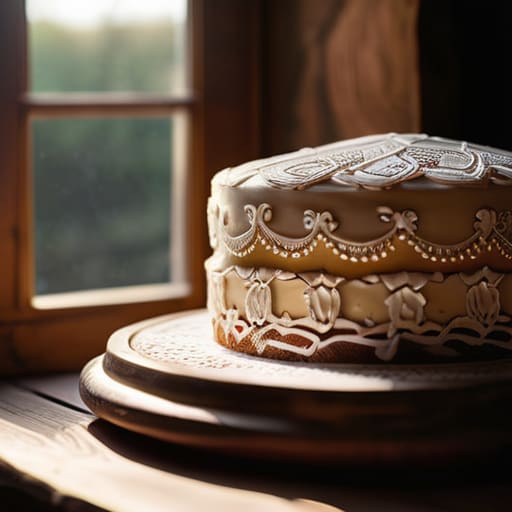
Beyond the Sugar and the Spectacle: What the History of Traditional Wedding Cakes Teaches Us About the True Weight of Commitment.
I remember standing in my shop at five in the morning, flour coating my eyelashes, watching a young bride weep because her tiered masterpiece looked nothing like the glossy magazine spread she’d pinned to her fridge. People treat wedding cakes like these photographs—as if they are mere architectural feats of sugar and structural engineering designed to impress strangers. But if you look closely at the history of traditional wedding cakes, you’ll find they weren’t born from a desire for a perfect Instagram post; they were born from grain, honey, and the sheer, stubborn necessity of celebrating life with what you had on hand. Now, as we look at how these traditions moved from the heavy, spiced fruitcakes of the medieval era to the lighter sponges we see today, it’s clear that celebrations have always been about more than just the sugar on the plate; they are about the people you…
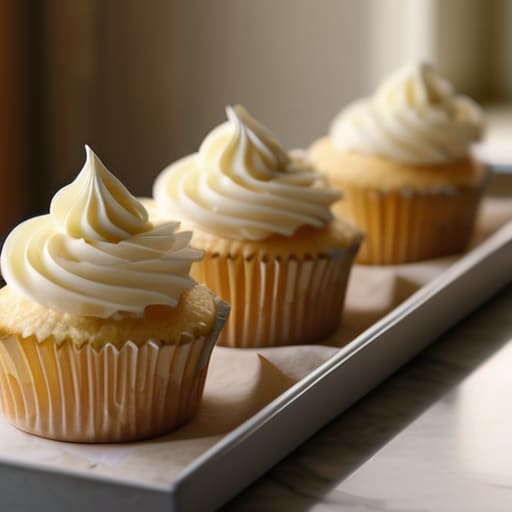
Cupcakes That Are All the Same Size
I remember standing in my shop at five in the morning, the air thick with the scent of yeast and sugar, watching a young apprentice try to “eyeball” her batter distribution. She was looking for that perfect, symmetrical dome you see in glossy magazines, but she was doing it by eye, and she was doing it with a spoon. By the time those trays came out of the oven, half were sunken craters and the other half were overfilled monsters. People spend far too much money on fancy silicone molds or expensive rotating pans thinking that’s the secret to how to make cupcakes evenly, but they’re just buying expensive distractions. I’m not here to sell you a new gadget or a complicated gadget-based technique. I’m going to tell you that the secret isn’t in the pan, it’s in the precision of your scale. I’ll show you how to stop guessing…