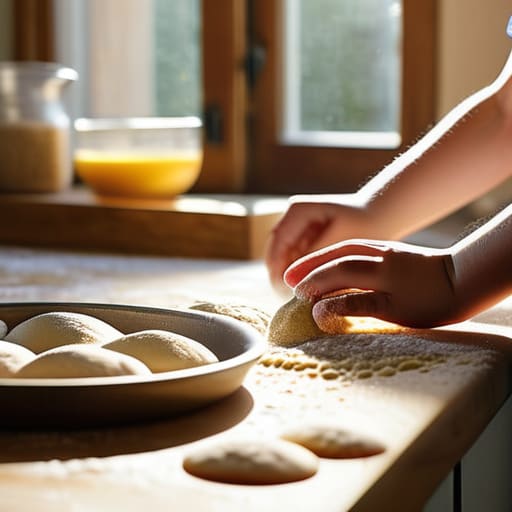
I remember standing in my shop at five in the morning, the air thick with the scent of yeast and woodsmoke, watching a young apprentice pull a tray of tarts from the oven only to see them slump into a pale, weeping mess. He’d followed the recipe to the letter, but he hadn’t understood the environment. People spend far too much money on fancy silicone mats and specialized heavy-duty tins, convinced that a gadget is the secret to how to stop a soggy bottom. It’s nonsense. A soggy base isn’t a failure of your equipment; it’s a failure to respect the relationship between heat, moisture, and the clock.
I’m not here to sell you a new baking stone or a complicated gadget you’ll lose in the drawer by Christmas. Instead, I want to talk to you about thermal momentum and the way moisture behaves when it has nowhere to go. I will show you how to listen to your dough and how to manage your oven’s temperament so that your crusts stay crisp from the first bite to the last. We aren’t going to chase perfection in a photograph; we are going to master the physics of the bake.
Mastering Pastry Crust Moisture Control Through Discipline
Mastering Pastry Crust Moisture Control Through Discipline
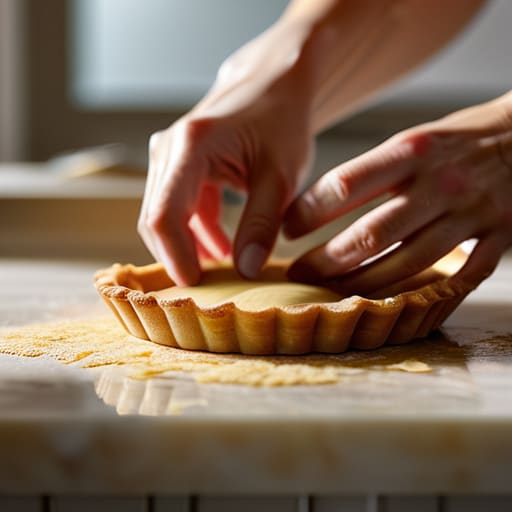
If you want a crust that snaps rather than one that yields like wet cardboard, you have to stop treating the oven like a suggestion and start treating it like a tool. Most people think a soggy base is a curse, but it’s usually just a lack of discipline during the initial bake. You cannot simply throw a raw shell into a lukewarm oven and expect it to hold its own against a fruit filling. True pastry crust moisture control begins with the heat; you need that initial burst of energy to set the structure before the fats can melt and soak into the flour.
This is where most home bakers stumble, skipping the essential blind baking techniques that separate a professional tart from a messy one. I’ve spent decades watching people try to rush this. If you aren’t using weights—be they ceramic beads or even dried beans—to keep the sides from collapsing, you’re fighting a losing battle. You need that weight to ensure the dough stays taut and even. It is about creating a fortress of crispness that can withstand whatever moisture you pour into it later. Don’t be afraid of the extra time; the dough isn’t going anywhere.
The Truth About Preventing Wet Pastry Base via Temperature
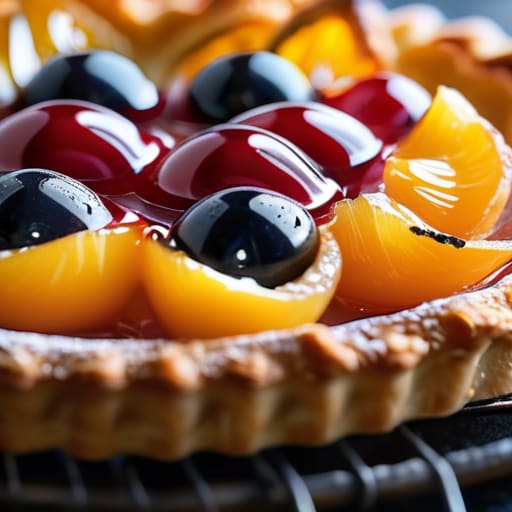
The truth about a weeping base is rarely found in the flour, but in the way you treat the heat. Most people think a soggy bottom is a failure of the pastry itself, but it’s usually just a case of the dough being too lazy to set before the filling arrives. If your oven temperature for pastry is too low, you aren’t baking; you’re just drying out the dough, and that is a recipe for disaster. You need that initial, sharp burst of heat to set the structure and create a barrier before the moisture from your fruit or custard can seep in.
This is where proper blind baking techniques become non-negotiable. I don’t care how much you trust your recipe; if you aren’t using weights—be they ceramic beads or dried beans—to keep the sides from collapsing, you’re asking for trouble. You want to see a pale, golden-brown finish that feels sturdy to the touch, not a limp, translucent shell. If the base feels soft when it comes out, it isn’t ready for the filling. Give it another five minutes. The heat is your friend, provided you don’t try to rush it.
The Small Details That Save a Crust
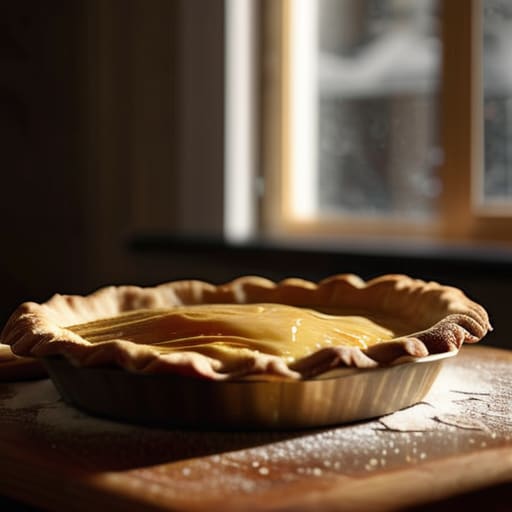
- Stop trusting your oven’s dial and start trusting your hands. A soggy bottom often means the heat didn’t penetrate the base fast enough to set the starch before the filling could soak in. If you’re baking a tart, preheat that tray in the oven for ten minutes before the pastry even touches it; that initial shock of heat is what builds the barrier.
- Watch your hydration, especially in your pastry. If you’re working with a 55% hydration shortcrust, you’re in a good place, but if you’ve been too heavy-handed with the water, you’re essentially inviting the filling to turn your crust into porridge. The dough should feel like damp sand, not like wet clay.
- Blind baking isn’t a suggestion; it’s a necessity for anything with a high-moisture filling. But don’t just throw weights in the crust and hope for the best. You need to bake it until the surface looks matte and dry, not pale and raw. If it still looks “wet” to the eye, it isn’t ready for the filling.
- The filling is often the culprit, not the pastry. If you’re using fruit that’s weeping or a custard that’s too thin, no amount of baking skill will save you. I always suggest cooking down your fruit fillings or adding a bit of extra starch to your liquids to ensure the moisture stays bound to the ingredient rather than escaping into the crust.
- Patience with the cooling process is the final, most overlooked step. I’ve seen many a beautiful tart ruined because it was sliced while the steam was still trapped inside. Let it settle. Let the structure firm up. If you rush the cooling, the steam has nowhere to go but back into the base, and that’s when you lose the crunch you worked so hard for.
The Baker’s Final Check
Stop trusting your eyes and start trusting your hands; if the pastry feels limp or overly heavy before it hits the oven, your hydration is too high or your fat has already begun to melt into the flour.
Remember that heat is a tool, not a suggestion—if you don’t give the base a sharp, hot start to set the structure, the moisture has nowhere to go but into the crust.
Patience is the only way to ensure a crisp bottom; rushing the bake or overloading a tart with wet fillings before the pastry has found its strength is a recipe for a soggy mess every single time.
The Final Proof
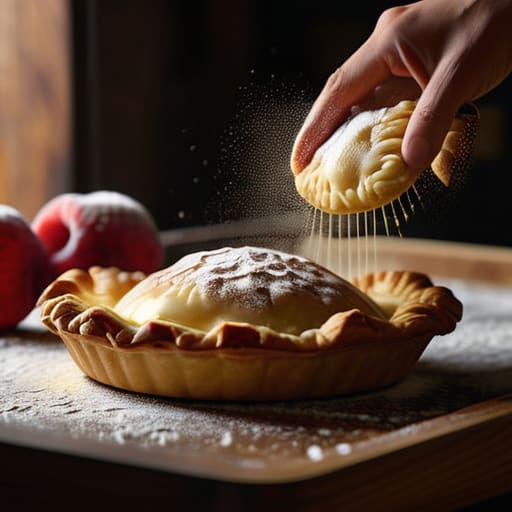
At the end of the day, a soggy bottom isn’t some mysterious curse; it is simply a breakdown in the relationship between your ingredients and your environment. Whether you are fighting the steam from a heavy fruit filling or failing to respect the thermal mass of a cold pastry, the culprit is almost always a lack of control over moisture and heat. Remember that your dough needs a dry, hot start to set its structure before the fillings can begin their work, and your kitchen temperature is just as much an ingredient as the flour itself. Stop looking for a magic trick and start looking at your oven’s heat distribution and your handling of the dough.
I spent thirty-four years watching people panic over a wet crust, thinking they had ruined a recipe, when all they had really done was rush the process. Baking is an exercise in observation—learning to feel when a dough is ready and seeing when a crust has truly found its strength. Don’t be discouraged when your first few attempts don’t yield that perfect, crisp snap; even the best bakers have had a few heavy bases in their time. Just listen to the dough, keep your weights precise, and give yourself the grace to learn. The perfect crust isn’t found in a cookbook, but in the patience you bring to the bench.
Frequently Asked Questions
If I’m using a fruit filling that’s naturally very juicy, should I be adjusting my flour weights or just looking at how I handle the bake?
You can adjust your flour, but don’t just throw more in; that’s how you end up with a heavy, leaden crust. I’d rather see you adjust your hydration or add a bit of cornstarch to the fruit itself to bind those juices. If the filling is weeping, it’s a moisture management issue. Keep your dough’s hydration steady, but watch your bake—you need enough heat early on to set that structure before the juices escape.
Does the type of fat I use—butter versus lard or shortening—change how much moisture the crust can actually hold back?
It isn’t just about the fat; it’s about how that fat behaves when it meets heat. Butter is a temperamental creature—it carries water, which can steam the dough and create those lovely flakes, but it can also lead to a damp base if you’re careless. Lard or shortening, being pure fat, creates a much more formidable barrier. They coat the flour particles more effectively, essentially waterproofing your crust against whatever juices are waiting to escape.
I’ve tried chilling my dough thoroughly, but my base still turns out soft; could the humidity in my kitchen be more to blame than the temperature?
Oh, you’ve hit on it now. You can chill that dough until it’s stone cold, but if your kitchen feels like a tropical rainforest, you’re fighting a losing battle. High humidity means the flour in your crust is thirsty and will pull moisture right out of the air before it even hits the oven. When the air is heavy, your pastry stays limp. On those days, I find a bit of extra flour in the workspace helps, but mostly, you just have to accept that some days the weather is the ingredient you can’t control.