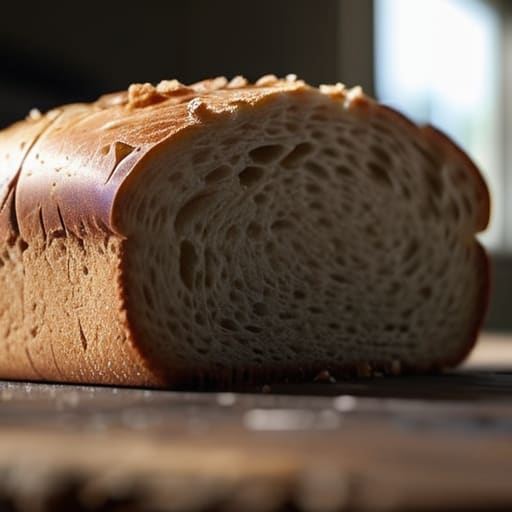
I spent thirty-four years watching people walk into my shop looking for “gourmet” miracles, convinced that a dessert needs gold leaf or a complicated reduction to be special. They think a pudding earns its reputation through fancy plating or expensive imports, but they couldn’t be more wrong about how classic puddings earned their place. A real pudding doesn’t care about your Instagram feed; it earned its seat at the table through the honest, heavy work of sugar, fat, and steady heat. It survived because it was the thing that could turn a handful of cheap flour and a bit of milk into something that felt like a warm hug when the world was cold.
I’m not here to teach you how to decorate a plate to look like a museum exhibit. I’m going to tell you how these dishes actually work—how the temperature of your milk changes the custard, and why patience is the only thing standing between a silky finish and a grainy mess. We aren’t going to chase trends; we are going to master the mechanics of heat and timing so you can bake something that tastes like it was made by someone who actually knows what they’re doing.
The Culinary Evolution of Desserts From Hearth to Table
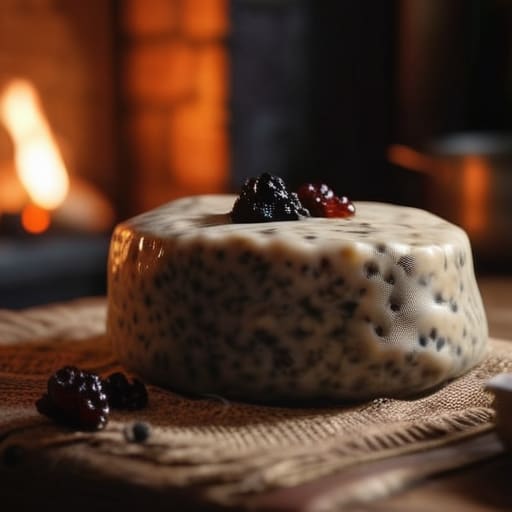
Long before we had electric ovens that beep and whine, we had the hearth—a temperamental, glowing beast that dictated exactly what a kitchen could produce. The culinary evolution of desserts didn’t start with delicate sugar work or pastry chefs in tall hats; it started with whatever could survive the edge of a fire. In those early days, a pudding was often just a mixture of suet, dried fruit, and grain, steamed in a cloth or tucked into a pot. It was honest, heavy food designed to sustain a family through a winter, not to impress a dinner guest.
As we moved toward the Victorian era dessert culture, things shifted from survival to ceremony. Suddenly, the socioeconomic impact of traditional sweets became visible on the dining table. If you had access to refined sugar or spices brought in from across the seas, your puddings looked different than the coarse, rustic versions of the working class. But even as the ingredients grew more expensive, the soul of the pudding remained the same: it was about the slow, steady application of heat and the patience to let flavors marry. Whether it was a simple porridge or a rich, steamed sponge, a pudding earned its status through the integrity of its texture.
Pudding Ingredients Through the Ages More Than Mere Flour
If you think a pudding is just a bowl of flour and sugar, you haven’t been paying attention to how a kitchen actually breathes. In my years at the oven, I’ve learned that the soul of a dessert lives in the quality of its fat and the temper of its spices. Centuries ago, the pudding ingredients through the ages were dictated entirely by what could be scavenged or grown in the immediate soil. You didn’t reach for vanilla bean if you lived in a village where the only sweetness came from a handful of dried currants or a drizzle of local honey.
As we moved into the more structured Victorian era dessert culture, the pantry began to swell with things like refined sugar and imported spices, turning what was once a simple sustenance into a display of status. But even then, the magic wasn’t in the luxury; it was in the balance. A heavy suet could be lightened by the sharp bite of a grated nutmeg, or a dense bread pudding could find its life through the slow infusion of cream. It’s about understanding how these elements fight or dance together under heat.
Lessons learned from the steam and the spoon
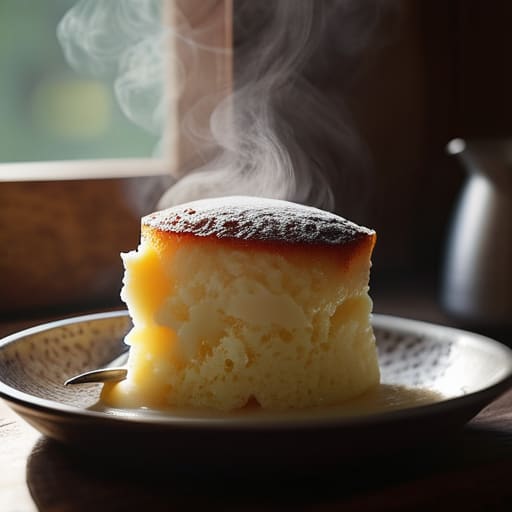
- Stop chasing the clock and start watching the heat. A pudding doesn’t care what your timer says; it cares if the center has reached the temperature where the starch finally realizes it’s time to thicken. If you pull a custard before the molecules have shaken hands, you’ll be eating soup instead of dessert.
- Respect the fat, but don’t let it rule you. Whether it’s suet in a traditional steamed pudding or butter in a sponge, the fat is there to provide a coat for the tongue, not to turn your dessert into a grease trap. If your pudding feels heavy and sits in your stomach like a stone, you’ve likely overshot your fat ratio.
- Learn to feel the moisture, not just read the grams. I don’t care if a book says use 200 grams of milk; if your kitchen is drafty and your flour is particularly thirsty today, that batter is going to look wrong. It should feel like a heavy cream, not a sludge. Your hands will tell you more than a scale ever could.
- Patience is the silent ingredient in every steamed classic. You cannot rush a pudding that needs to cook through its center via gentle, indirect heat. If you crank up the stove to finish faster, you’ll end up with a burnt skin and a raw, liquid heart. Let the steam do the work it was meant to do.
- Don’t fear the “mistake” that teaches you something. If your pudding collapses, it’s usually because you handled it too roughly when it was still fragile, or you let the air out of it too soon. A fallen pudding isn’t a failure; it’s a lesson in how much tension a delicate structure can actually hold.
What the Pudding Teaches Us
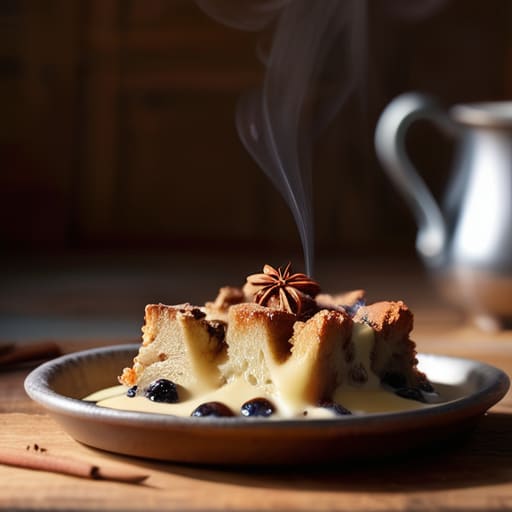
A recipe is only a suggestion; the real work happens in how you manage the heat and the clock, ensuring the ingredients have the time they need to actually become something.
Stop reaching for the measuring cups and start trusting the weight of your ingredients and the feel of your hands, because a pudding is won or lost in the texture, not the math.
Respect the history of the hearth, for the most enduring desserts aren’t built on expensive novelties, but on the honest, slow marriage of simple staples and steady patience.
The Heart of the Matter
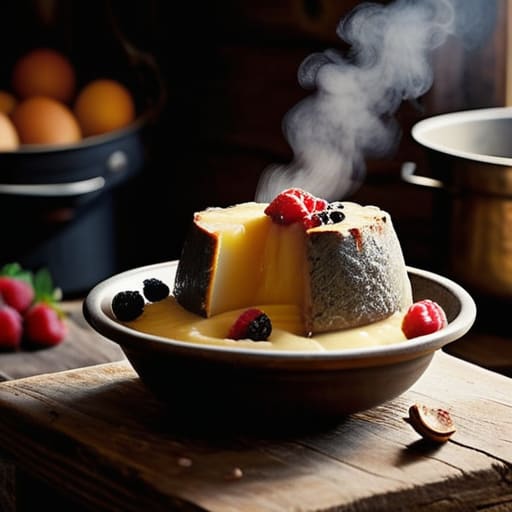
We have seen how these puddings traveled from the unpredictable heat of a communal hearth to the precise, measured kitchens of today. They survived because they weren’t just about luxury or sugar; they were about the clever way we used what we had—flour, fat, and whatever fruit the season allowed. Whether it was a heavy suet pudding meant to sustain a laborer or a delicate custard for a Sunday feast, these desserts earned their permanence by being adaptable and honest. They didn’t rely on expensive imports to be meaningful; they relied on the fundamental alchemy of heat and time to turn humble scraps into something that felt like home.
If you take anything away from this, let it be that a pudding is never just a recipe on a page. It is a living thing that demands you pay attention to the steam, the scent, and the way the spoon resists the surface. Don’t get so caught up in trying to make it look like a photograph in a glossy magazine that you forget to listen to what the batter is telling you. The most classic puddings in the world weren’t perfected by people chasing perfection, but by people who understood that patience is the most vital ingredient. So, turn off the distractions, watch your temperatures, and let the kitchen do its work.
Frequently Asked Questions
If the ingredients haven't changed much over the centuries, why does a modern pudding often lack that specific, deep richness found in historical recipes?
It isn’t the ingredients that have changed, it’s the quality of the life behind them. Modern flour is processed until it’s practically lifeless, and we’ve traded the slow, heavy cream of yesterday for stabilized, diluted versions. But mostly, it’s the speed. We rush the heating, we rush the cooling, and we use ingredients that have been stripped of their character to suit a shelf life. A pudding needs time to settle into its own richness.
How much did the shift from open hearths to controlled ovens actually change the way we handle the temperature of a pudding's base?
It changed everything. On an open hearth, you weren’t cooking with a number; you were cooking with your eyes and the heat on your skin. You had to manage the embers, moving the pot further from the flame as the pudding set. Once we moved to controlled ovens, we traded that intuition for dials. We stopped listening to the bubble of the milk and started trusting a piece of metal, which is a dangerous habit if you aren’t careful.
Since most of these classics rely on slow cooking, how can I tell if my pudding is actually cooked through or if I've just rushed the heat to save time?
You can’t rush a pudding any more than you can rush a sourdough starter; you’ll only end up with a center that’s still weeping. If you’ve cranked the heat, the edges will set and look finished while the middle remains a liquid mess. Trust your senses, not the timer. A proper pudding should feel firm and spring back gently when pressed, and if you use a skewer, it must come out clean—not just damp, but truly clean.