I spent thirty-four years watching people treat custard like a chemistry experiment or, worse, a reason to buy a tin of powdered nonsense from the supermarket. They’ll tell you that you need vanilla beans from a specific island or some expensive stabilizer to keep it from weeping, but that’s just expensive nonsense. Most people struggle with how to make custard because they are fighting the heat rather than working with it. I’ve seen enough curdled, scrambled eggs masquerading as dessert to last a lifetime, and frankly, it breaks my heart.
I’m not going to give you a list of fancy gadgets or a recipe that requires a degree in molecular gastronomy. Instead, I’m going to teach you the rhythm of the whisk and the importance of temperature control. We are going to focus on the relationship between the fat and the flame, ensuring you understand exactly when the custard has reached its peak before it turns on you. If you can manage your patience and keep a steady hand, you’ll find that true custard is nothing more than milk, eggs, sugar, and the discipline to not pull it from the heat too soon.
Mastering the Egg Yolk Ratio for Custard
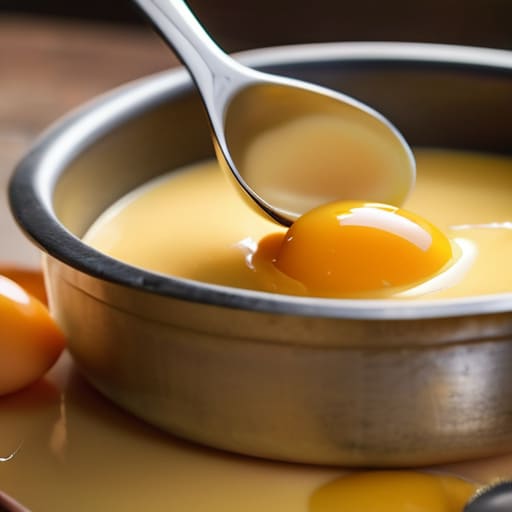
If you want a custard that actually coats the back of a spoon rather than one that runs like water, you have to stop treating eggs like an afterthought. In my kitchen, we don’t count eggs; we look at the egg yolk ratio for custard as the backbone of the whole affair. I usually aim for a rich, heavy custard where the yolks make up about 20% of the total weight of the liquid. If you’re using too much milk and not enough yolk, you aren’t making custard—you’re making sweet milk.
The trick is understanding that those yolks are your primary thickening agent, not some starch you can sprinkle in to fix a mistake. When you’re working with a high yolk concentration, custard temperature control becomes your absolute priority. If you let that heat climb too high, too fast, those proteins will tighten up and seize. You aren’t just cooking a sauce; you are managing a delicate emulsion. If you see those tiny grains forming, you’ve crossed the line from creamy to scrambled, and at that point, no amount of whisking is going to save your dignity.
Precision in Stovetop Custard Technique
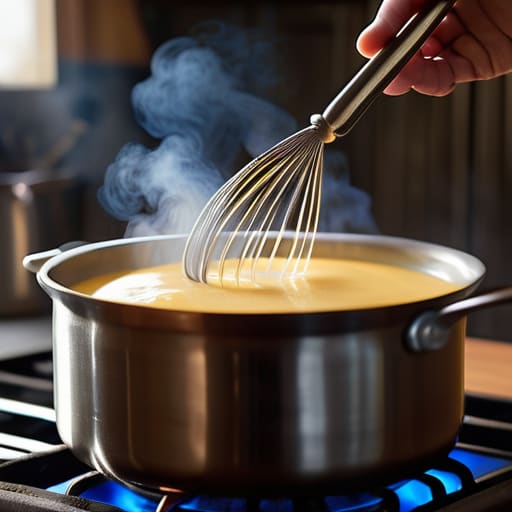
Now, let’s talk about the actual heat. Most people approach a saucepan like they’re trying to win a race, but a proper stovetop custard technique is more like a slow conversation. You aren’t fighting the ingredients; you are coaxing them. If you crank that burner to high because you’re hungry, you’ll find yourself staring at a pan of scrambled eggs instead of a silk-smooth cream. You must maintain constant, gentle movement. I always say that if you stop whisking for even thirty seconds while the liquid is heating, you’ve already lost the battle.
The real secret to preventing curdled custard isn’t a magic ingredient; it’s custard temperature control. You want to see the steam rising, but you never want to see it boiling violently. If the edges of the pan start to look grainy or “tight,” pull it off the heat immediately and whisk in a splash of cold cream to drop the temperature. It’s about watching the way the liquid moves—it should coat the back of your spoon with a heavy, lazy weight. If it runs like water, it’s too thin; if it clumps, you’ve been too impatient.
Five ways to keep your custard from turning into a scramble
- Temper those eggs like you mean it; if you dump hot milk directly into a bowl of yolks without whisking a little bit of the liquid in first, you aren’t making custard, you’re making sweet scrambled eggs.
- Stop looking at the clock and start looking at the spoon; a timer can’t tell if your custard has thickened or if it’s about to curdle, but the way the liquid coats the back of a spoon will tell you everything you need to know.
- Use a heavy-bottomed pot or you’ll pay for it; thin pans create hot spots that scorch the bottom of the custard, and once that burnt taste takes hold, no amount of vanilla or cream is going to mask it.
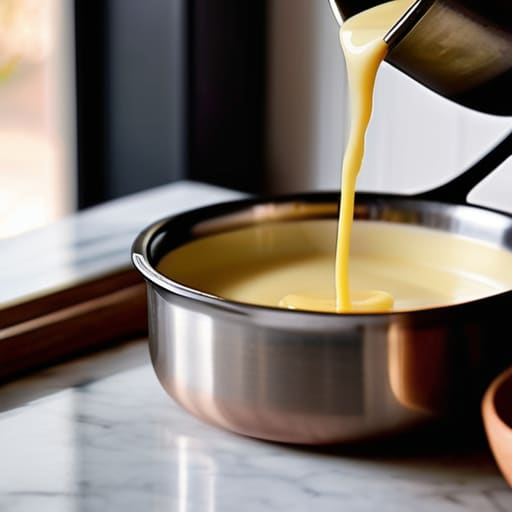
- Keep a fine-mesh sieve nearby, not as an option but as a necessity; even if you follow every rule, a tiny bit of protein might clump, and passing it through a sieve is the only way to ensure that silky mouthfeel we’re after.
- Don’t let the heat do the work for you; if you see tiny bubbles forming around the edges of the pan, you’re pushing it too hard—pull it off the heat immediately and let the residual warmth finish the job.
The Baker's Rules for a Perfect Set
Trust your senses, not the clock; a custard is done when it coats the back of a spoon like heavy cream, regardless of what the timer says.
Temperature is your silent partner, so keep the heat low and steady—if you see bubbles breaking the surface, you’ve moved too fast and you’re already making scrambled eggs.
Always strain your mixture through a fine sieve before the final cook to catch any stray bits of cooked egg, because a smooth texture is non-negotiable.
The Final Temper
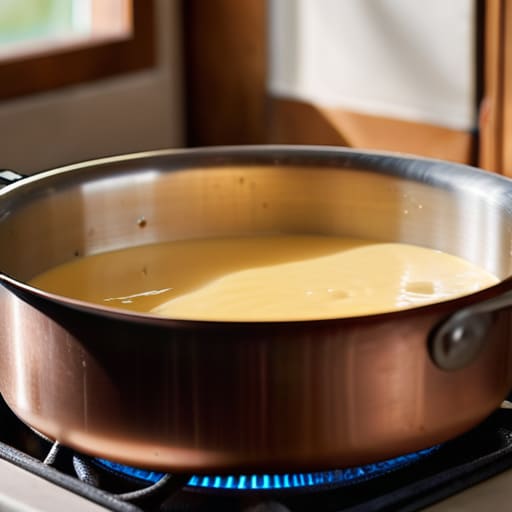
At the end of the day, a perfect custard isn’t about luck; it’s about the respect you show the ingredients. You’ve learned that the yolk ratio dictates the richness, that your heat control is the difference between silk and scrambled eggs, and that patience is your most vital tool. If you find yourself staring at a pot that looks a little thin, don’t panic and don’t crank the heat—just remember that the residual warmth of the pan is still doing its job. If you’ve kept your eyes on the thermometer and your whisk moving steadily, you’ve already done the hard part. It really comes down to watching the liquid change, not just following a timer.
Don’t let a single curdled batch or a slightly runny set discourage you from reaching for the whisk again tomorrow. Even after thirty-four years of early mornings, I still have days where the kitchen humidity plays tricks on my temperamental creams. Baking, much like life, is a series of small adjustments and learning how to read the room—or in this case, the saucepan. Once you stop looking at the recipe as a set of rigid laws and start seeing it as a conversation between you and the heat, you’ll find your own rhythm. Now, pour it, chill it, and enjoy the quiet triumph of something made well.
Frequently Asked Questions
Why does my custard always turn out grainy or curdled even when I follow the temperature instructions?
If you’re following the temperature but still seeing grains, you’re likely fighting your own impatience or a lack of agitation. You’re probably adding the hot milk too fast, or not whisking enough to keep those proteins from clumping together. Even if the thermometer says you’re safe, if the heat isn’t moving constantly, those yolks will seize. It’s about the movement, not just the number on the dial. Don’t just watch the heat; watch the whisk.
Can I use whole milk instead of heavy cream, and how will that change the final texture?
You can certainly use whole milk, but don’t expect a miracle if you’re looking for that heavy, velvet mouthfeel. By swapping cream for milk, you’re dropping your fat content significantly. Your custard will be lighter and more delicate—almost like a drinkable cream—but it will also be much more temperamental. Without that fat to buffer the heat, you’ll need to watch the temperature like a hawk, or you’ll end up with scrambled eggs instead of silk.
If I accidentally let the custard get too hot and it starts to thicken unevenly, is there any way to save it?
If you see those tiny little grains forming, you’ve started to scramble your eggs. Don’t panic, but don’t keep heating it either. Immediately pull the pan off the flame and pour the whole mess through a fine-mesh sieve into a clean bowl. It won’t be perfectly silky, but it’ll be drinkable. If it’s truly a disaster, whisk in a splash of cold cream and hit it with the immersion blender; it’s a bit of a cheat, but it works.