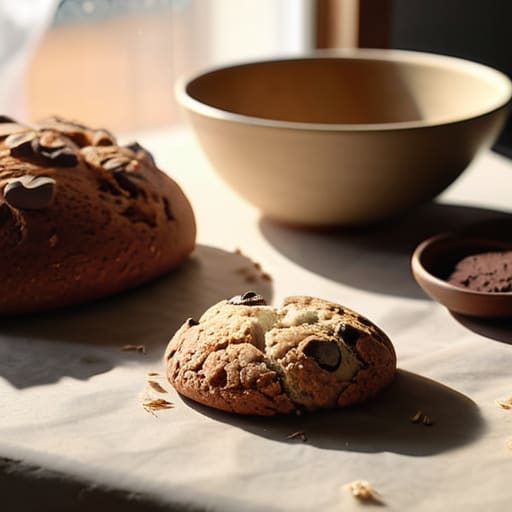
The Complete Guide to Dairy Free Baking
I’ve spent more hours than I care to count watching people throw money at “miracle” powders and expensive, processed emulsions just because they’ve been told they can’t use butter. Most of the internet will give you a complete guide to dairy free baking that reads like a chemistry textbook or a shopping list for a boutique health food store, promising that if you just buy the right $12 carton of nut milk, your sponge will magically behave. It’s a lie. They focus so much on the replacement that they forget the soul of the crumb—how the fat interacts with the flour and how the moisture levels shift when you pull the cow out of the equation. I’m not here to sell you a lifestyle or a brand of vegan butter; I’m here to teach you how to listen to your dough. We are going to look at the actual mechanics…
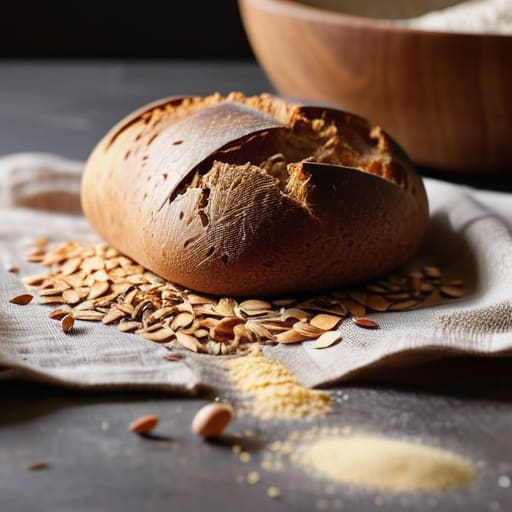
The Complete Guide to Baking for Allergies
I remember a Tuesday morning about fifteen years ago, standing in my shop with a tray of almond croissants that smelled like heaven, only to have a mother walk in with eyes full of tears because her son couldn’t touch a single thing on my cooling racks. It was a sharp, stinging realization that all the skill in the world doesn’t mean a thing if you aren’t accounting for the people sitting at your table. Most people think a complete guide to allergy aware baking means buying a dozen expensive, pre-packaged “free-from” mixes that taste like sweetened cardboard, but they’ve got it all wrong. I’m not here to sell you on fancy, processed substitutes that ruin the crumb of your bread or leave your cakes feeling like wet sand. Instead, I’m going to show you how to respect the science of substitution by focusing on what actually matters: ratios, hydration,…
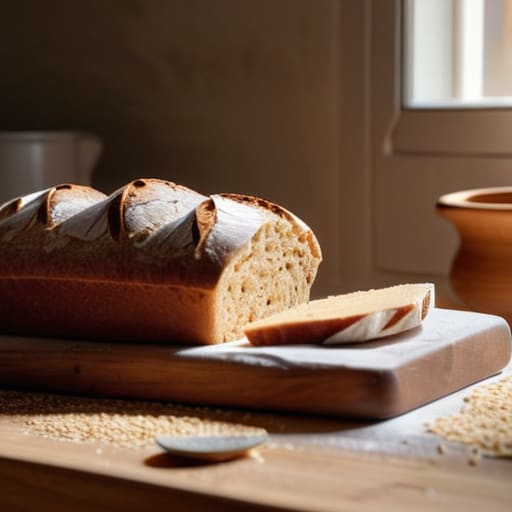
The Complete Guide to Gluten Free Baking
I’ve spent thirty-four years watching people treat gluten-free baking like some sort of dark magic or a high-priced science experiment that requires a laboratory to master. They’ll hand you a bag of expensive, pre-mixed flour and tell you it’s a miracle, but when your loaf comes out looking like a dense, sandy brick, they won’t tell you why. Most of these online tutorials are nothing more than a collection of pretty photographs that ignore the reality of how moisture and starch actually behave. If you are looking for a complete guide to gluten free baking that relies on fancy additives and “magic” ingredients to fix a lack of structure, you’ve come to the wrong kitchen. I’m not here to sell you a proprietary blend or a way to pretend you’re making wheat bread. I want to teach you how to understand the ratios and the hydration so you can actually…
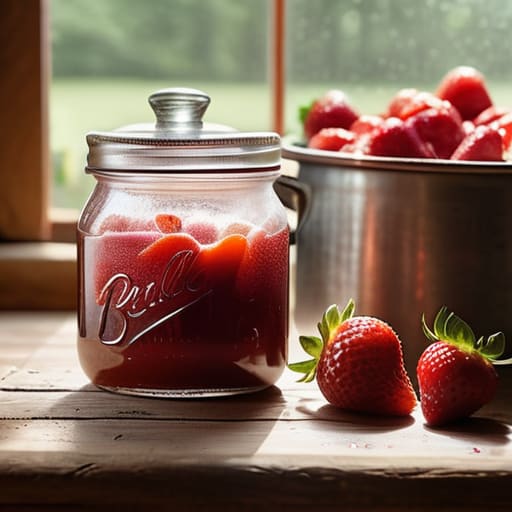
The Complete Guide to Jam Making
I spent thirty-four years watching people walk into my bakery looking for perfection in a box, and I see the same thing happening online with every “complete guide to jam making” that claims you need a laboratory of specialized pectin powders and expensive copper preserves pans to succeed. It’s nonsense. Most of these guides treat fruit like a chemistry experiment rather than a living thing, and they’ll leave you staring at a runny, syrupy mess while telling you that you simply didn’t follow the instructions. The truth is, your jam didn’t fail because you lacked a fancy gadget; it failed because you didn’t respect the relationship between heat and sugar, or you tried to force the fruit to set before it had truly surrendered its soul to the pot. I’m not here to sell you on expensive additives or complicated gadgets that will only gather dust in your pantry. Instead,…
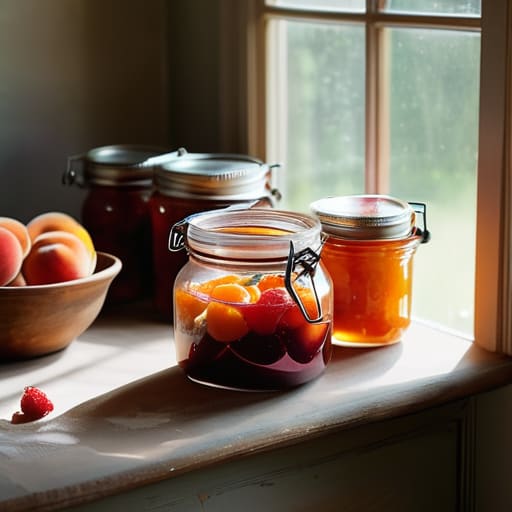
The Complete Guide to Preserving Fruit
I remember standing in the back of my bakery at five in the morning, the air thick with the scent of yeast and the sticky, cloying sweetness of overripe peaches that had sat on the counter just a day too long. It used to break my heart to see such vibrant life go to waste because I hadn’t mastered the timing. Most people will tell you that you need a laboratory of specialized vacuum sealers and expensive, boutique pectin to save the season, but that is a load of nonsense. If you are looking for a complete guide to preserving fruit that relies on gadgets rather than your own senses, you’ve come to the wrong place; fruit is a living thing, and if you ignore the temperature of your kitchen or the ripeness of the harvest, you aren’t preserving it—you’re just watching it rot. I’m not here to sell you…
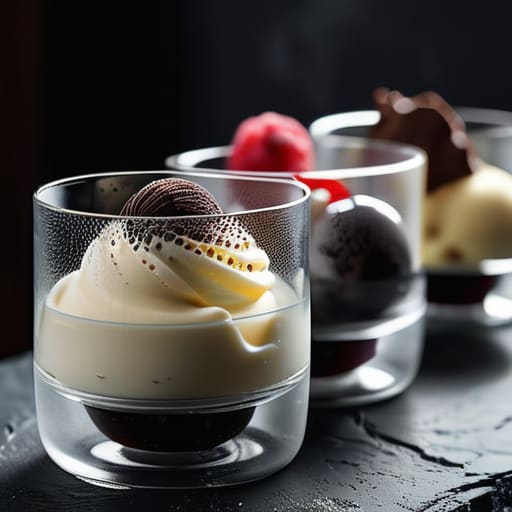
The Complete Guide to Frozen Desserts
If you’ve ever spent forty dollars on a fancy countertop machine only to end up with a tub of icy, gritty disappointment, you’ve been sold a lie. People think a “complete guide to frozen desserts” needs to involve expensive gadgets and a chemistry degree, but they’re looking at the wrong end of the spoon. I’ve spent thirty-four years watching people blame their equipment when the real culprit is usually a lack of understanding regarding sugar solids and fat content. A sorbet isn’t ruined by a cheap freezer; it’s ruined because you didn’t respect the temperature of your base or you rushed the freeze, leaving behind crystals that feel like sand against the tongue. I’m not here to sell you on a lifestyle or a shiny new appliance. Instead, I’m going to give you the truth about how heat, sugar, and air interact to create something worth eating. We will talk…

Stop Treating Social Grace Like a Recipe to Be Memorized and Learn How to Start a Conversation With a Stranger Through the Rhythm of Presence and the Patience of Listening.
I’ve spent thirty-four years watching people approach a counter with the same terrified, frozen expression, as if a simple “hello” were a recipe they hadn’t quite mastered. They come in looking for some magic trick, some polished, high-society “icebreaker” they read in a glossy magazine, but let me tell you: those scripted lines are as useless as a thermometer in a wood-fired oven. Most people overthink how to start a conversation with a stranger because they’ve been taught that social grace is about performance rather than presence. They treat a greeting like a delicate soufflé that might collapse if they breathe too hard, when really, it should be as sturdy and reliable as a sourdough boule. I’m not going to give you a list of witty one-liners or teach you how to fake a personality you don’t possess. Instead, I want to talk to you about the temperature of a…
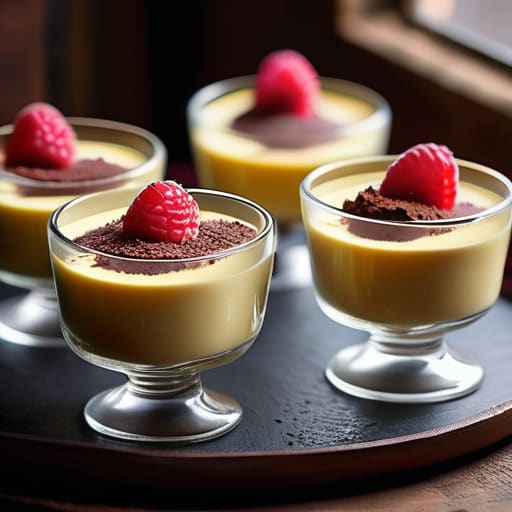
The Complete Guide to Puddings
If you’re looking for a “complete guide to desserts” that promises you can whip up a silk-smooth mousse or a towering sponge using nothing but a handheld mixer and a sense of optimism, you can close this page right now. Most of these glossy manuals are written by people who have never had flour under their fingernails or felt the panic of a broken emulsion at midnight. They focus on the decoration—the gold leaf, the perfect piping, the Instagram-ready drizzle—while completely ignoring the physics of why your custard curdled or why your pastry turned out like a wet biscuit. I’m not here to sell you on fancy gadgets or expensive extracts that do nothing but pad the price tag. Instead, I am going to teach you the unseen mechanics of sugar, fat, and heat. We are going to talk about why the temperature of your butter is more important than…
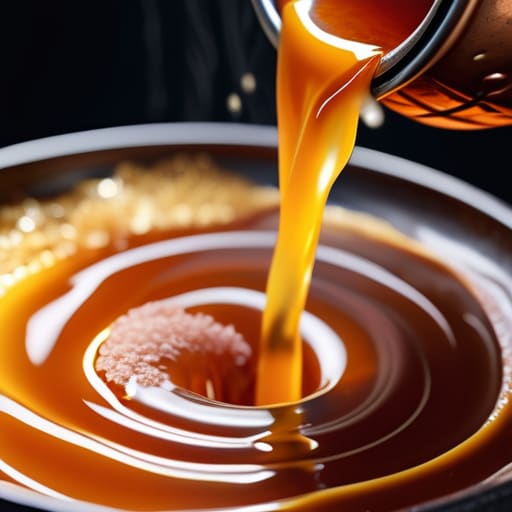
The Complete Guide to Caramel
I remember the first time I truly understood sugar; I was nineteen, standing over a copper pot in my aunt’s kitchen, watching a batch of amber liquid turn into a black, acrid sludge in the blink of an eye. Most people think they need fancy thermometers, expensive stabilizers, or a degree in food science to master this, but that’s nonsense. They’ll sell you a thousand gadgets, yet they won’t tell you that caramel is really just heat, sugar, and an unforgiving clock. If you are looking for a “complete guide to caramel” that promises perfection through a magic ingredient or a high-tech tool, you’ve come to the wrong place. I’m not here to give you a list of complicated steps that fail the moment your kitchen gets a draft. Instead, I’m going to teach you how to listen to the sugar—to see the color change and feel the shift in…
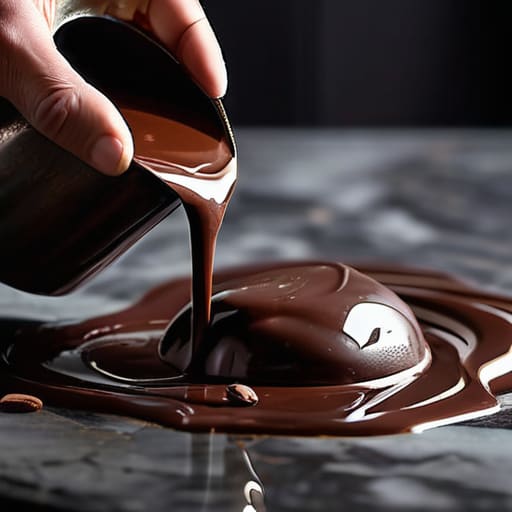
The Complete Guide to Working With Chocolate
I’ve spent thirty-four years watching people throw expensive thermometers and fancy marble slabs at a problem that doesn’t require a bank loan, just a bit of respect for the physics of it. Most people will hand you a “complete guide to chocolate work” that reads like a chemistry textbook, filled with jargon meant to make you feel small while you struggle to get a decent shine. They tell you that you need a laboratory to temper properly, but they forget to mention that chocolate is a living, temperamental thing that reacts to the slightest draft or a heavy-handed stir. If your ganache has split or your shards look dull and dusty, it isn’t because you lack the “correct” equipment; it’s because you rushed the cooling or let your hands dictate the temperature. I’m not here to sell you a dream or a complicated gadget. My promise is simpler: I will…