I’ve spent more hours than I care to count watching people throw money at “miracle” powders and expensive, processed emulsions just because they’ve been told they can’t use butter. Most of the internet will give you a complete guide to dairy free baking that reads like a chemistry textbook or a shopping list for a boutique health food store, promising that if you just buy the right $12 carton of nut milk, your sponge will magically behave. It’s a lie. They focus so much on the replacement that they forget the soul of the crumb—how the fat interacts with the flour and how the moisture levels shift when you pull the cow out of the equation.
I’m not here to sell you a lifestyle or a brand of vegan butter; I’m here to teach you how to listen to your dough. We are going to look at the actual mechanics of fat, water, and protein, because if you understand how a substitute behaves, you can bake anything. This isn’t about following a rigid recipe; it’s about understanding the science of the swap so you can trust your hands again. We’ll work with weights, we’ll talk about hydration, and we’ll make sure your bread and cakes taste like they were made by a baker, not a laboratory.
Beyond the Carton Mastering Plant Based Milk Alternatives
When you reach for a carton of almond or soy milk, you aren’t just swapping a liquid; you are changing the chemistry of your batter. In my years at the oven, I learned that milk isn’t just for moisture—it’s for protein and fat, which dictate how much a sponge rises and how much it browns. If you use a thin, watery nut milk where a recipe calls for whole milk, you’ll find your crumb lacks structure. To master plant based milk alternatives, you must look at the fat content. I often find that oat milk, with its natural sweetness and higher viscosity, behaves much more like the dairy I used for thirty years, providing a richness that almond milk simply can’t mimic.
Don’t just pour and pray; you have to understand the vegan baking science at play. If you’re working on something delicate, like a brioche or a rich cake, the lack of milk solids can leave you with a pale, lifeless loaf. I suggest testing your liquids first; if your substitute feels thin between your fingers, your cake will likely struggle with achieving moisture in dairy free cakes. You aren’t just looking for a liquid; you are looking for a partner for your flour.
The Weight of Richness Choosing Non Dairy Butter Substitutes
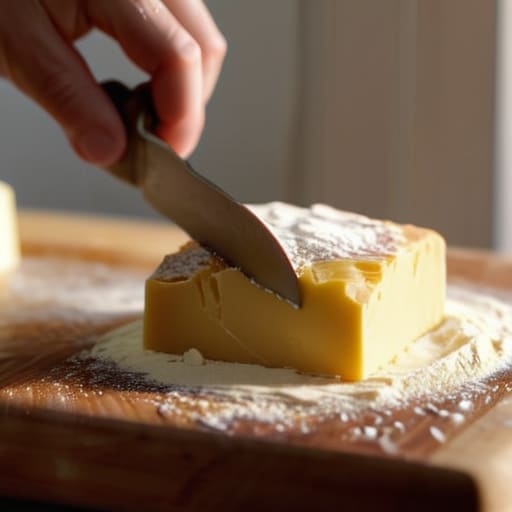
When you pull a stick of butter out of the fridge, you aren’t just grabbing fat; you’re grabbing a specific ratio of water, milk solids, and lipids that dictates how a crust shatters or a sponge rises. This is where most people stumble with non-dairy butter substitutes. If you grab a tub of oil-based spread meant for spreading on toast, your pastry will be a greasy, heavy mess. You need a fat that behaves like a solid at room temperature but melts predictably in the oven. For my shortcrust, I look for a block with a high fat content—ideally something that mimics the 82% butterfat standard—because if the fat doesn’t coat the flour properly, you’ll end up with a tough, bread-like texture instead of those delicate, flaky layers.
It isn’t just about flavor; it’s about the physics of the crumb. In vegan baking science, the way a fat integrates into the flour determines whether your cake stays tender or turns into a brick. If you’re using a coconut oil-based substitute, remember that it hardens significantly when cold. You’ll need to adjust your handling; don’t overwork the dough, or you’ll melt that fat with the heat of your palms before it even hits the oven.
The Baker’s Instinct: Five Truths for When the Dairy Disappears
- Stop looking for a mirror image and start looking for the function. If you’re swapping heavy cream for a coconut-based alternative, you aren’t just changing a flavor; you are changing the fat content and the water ratio. You must adjust your hydration—I’d rather see a 72% hydration dough than a 75% one if your substitute is wetter than the milk you replaced.
- Watch the protein, not just the label. When you move away from milk, you lose the structural support that dairy proteins provide to your crumb. If you’re using a nut milk that is mostly water, your cake might collapse because it lacks the “backbone” of real milk. Sometimes, a little extra egg or a touch more flour is the only way to keep the structure from weeping.
- Temperature is your silent partner, especially with plant fats. Most vegan butters behave differently under a warm kitchen light than a stick of real dairy butter. They melt faster and lose their “shortness” more easily. Don’t just follow the clock; touch the dough. If it feels greasy rather than supple, your fat is too warm and you’ve lost the fight.
- Salt is the bridge between “alternative” and “authentic.” Plant-based fats and milks can sometimes taste flat or overly “green.” You might need to nudge your salt percentage up by a fraction of a percent to pull the richness out of a cashew cream or a cocoa butter, making the palate forget the dairy is missing.
- Give the dough more time to find itself. Dairy provides a certain chemical momentum in fermentation and browning. When you strip it away, the dough might feel sluggish or take longer to develop that golden, caramelized crust. Don’t rush it just because a recipe says ten minutes; wait until the dough tells you it’s ready.
The Baker's Truth: Three Things to Carry Into Your Kitchen
Stop looking for a 1:1 replacement on a label and start looking at the fat content; if your substitute lacks the solids of real butter, your crumb will be weak and your structure will collapse because you haven’t accounted for the missing richness.
Treat your plant milks like the temperamental ingredients they are by checking their protein levels; a thin, watery almond milk will never give you the same lift or Maillard reaction as a heavy oat milk, so adjust your hydration accordingly.
Trust your hands over the instructions; when you remove dairy, the dough’s behavior changes, and you must be prepared to add a splash more liquid or a dusting more flour to find that sweet spot where the dough feels alive rather than sticky or stiff.
The Heart of the Matter
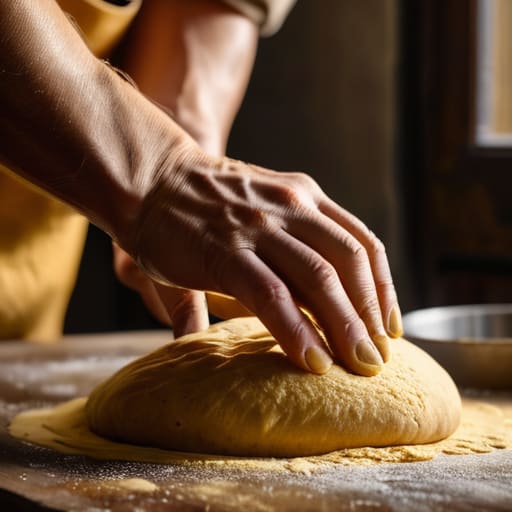
At the end of the day, dairy-free baking isn’t about finding a way to mimic what you’ve lost; it’s about understanding how these new ingredients behave under your hands. We’ve talked about the protein levels in your plant milks and how the fat content in your oils or vegan butters will dictate whether your crumb is tight and sturdy or soft and yielding. Remember, if your dough feels too slack, it’s likely because your substitute has more water than the dairy it replaced, so don’t be afraid to adjust your flour by a few grams. You cannot rely on a static list of swaps to do the thinking for you; you must watch the way the fat integrates and listen to what the dough tells you as it develops.
Don’t let a flat loaf or a heavy sponge discourage you. In my thirty-four years, I’ve learned that a failed bake is just a lesson in disguise, usually teaching you something about the temperature of your kitchen or the timing of your fermentation. If you treat your ingredients with respect and give them the time they require, you will find that baking without dairy isn’t a compromise at all—it’s a different kind of alchemy. Trust your senses, not just the timer, and remember that patience is the one ingredient you can never buy in a shop, but it is the one that will always yield the best bread.
Frequently Asked Questions
If I'm swapping out heavy cream for a plant-based fat, how much do I need to adjust my hydration percentages to keep the crumb from turning into a brick?
You’re asking the right question. If you’re swapping heavy cream for a plant-based fat, you’re likely losing some of that liquid volume. If your fat substitute is a solid (like coconut oil), you’ll need to bump your hydration by about 3-5% to compensate for the lack of water in the cream. If it’s a liquid, watch your dough closely; it’ll feel slack. Don’t trust the math blindly—feel the dough. It should feel supple, not sticky or stiff.
Can I still rely on the same fermentation timing if my non-dairy milk is coming straight from a cold refrigerator instead of room temperature?
Not if you want to keep your sanity. If you pour cold milk straight into your flour, you’re effectively putting your yeast into a deep sleep. That temperature drop will drag your fermentation timing out much longer than the recipe suggests. I never bake with a cold bowl; I let my liquids sit out until they feel like the room. If you must use cold milk, expect to wait an extra hour or two for that dough to wake up.
How do I tell if my dough is lacking the structural strength that milk proteins usually provide, and what can I do about it without adding more flour?
If your dough feels slack, like a wet rag instead of a springy muscle, you’ve lost that protein tension. You’ll see it in a crumb that collapses under its own weight rather than holding its shape. Don’t just throw more flour at it; that’ll only make it heavy and dead. Instead, increase your folds. Give it more strength through handling—stretch and folds every thirty minutes. You’re building a skeleton with movement, not just mass.