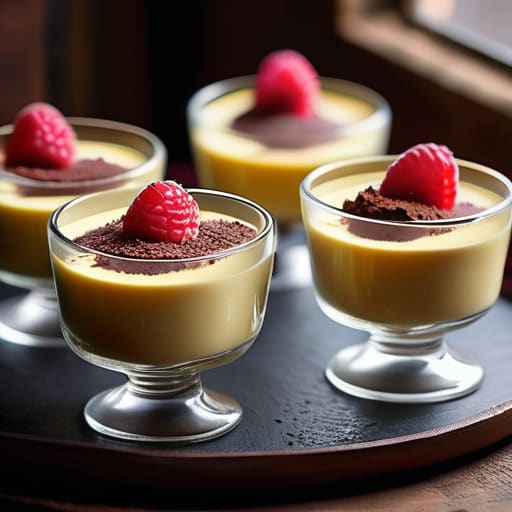
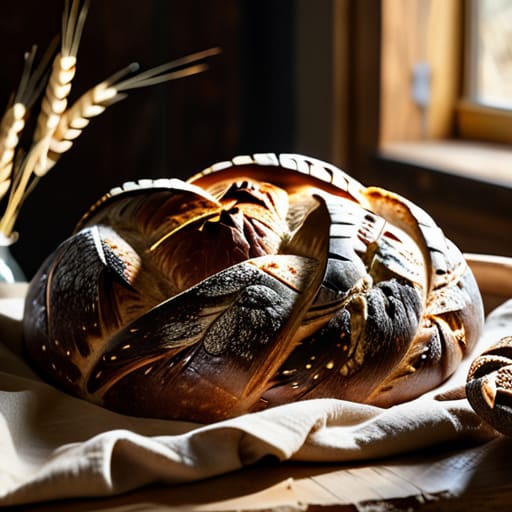
I’ve spent more than half my life watching people panic when a recipe calls for something they can’t use, usually resulting in a kitchen full of expensive, expensive-looking sludge that tastes like nothing. Most of the internet will tell you that learning how to make egg free desserts requires a chemistry degree or a cupboard full of “miracle” powders that cost more than the flour itself. They’ll point you toward complicated stabilizers and tell you that without an egg, your sponge is doomed to be a brick. Let me tell you something: most of those “solutions” are just expensive distractions from the actual mechanics of moisture and structure.
I’m not here to sell you a magic dust or a complicated substitute that ruins the soul of a cake. Instead, I’m going to show you how to understand the purpose an egg serves—whether it’s providing lift, fat, or binding—so you can replace it with something sensible. We’ll talk about hydration, the way a batter should cling to your spoon, and why your timing matters more than the brand of flour you buy. If you want the truth about how to build a dessert that actually holds its shape without the eggs, you’ve come to the right place.
Mastering Vegan Baking Science and the Weight of Texture
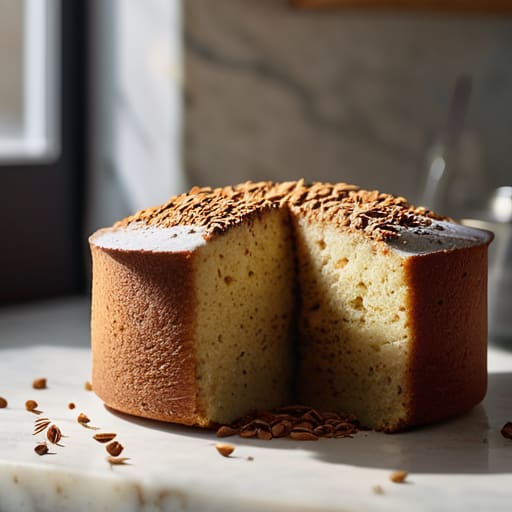
When you strip the eggs out of a recipe, you aren’t just removing an ingredient; you are removing the glue, the moisture, and the very breath of the bake. Most people stumble because they treat a substitute like a direct swap, but vegan baking science isn’t about replacement—it’s about reconstruction. If you want a crumb that doesn’t feel like a wet sponge or a dry brick, you have to understand what you’re trying to mimic. Are you looking for the structural strength of a yolk or the airy lift of a white?
If you’re chasing a light, airy finish, don’t bother with heavy mashes; you’ll want to experiment with aquafaba for meringue to get that delicate, stable foam. However, if you are working on something denser, like a sturdy muffin or a quick bread, baking with applesauce can provide a lovely, controlled moisture, provided you adjust your flour weight accordingly. Remember, if your cake feels gummy, you haven’t failed the recipe; you’ve likely over-hydrated the batter by not accounting for the liquid content in your replacer. Watch the dough, feel the resistance, and respect the chemistry.
The Truth About the Flax Egg Recipe Versus the Lie of Volume
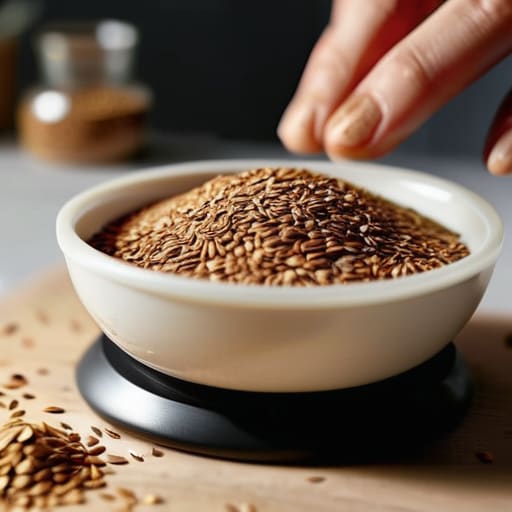
Most people treat a flax egg recipe like a magic trick, but it is actually just a lesson in mucilage. If you follow some internet guide that tells you to use a “tablespoon” of ground flax and a “tablespoon” of water, you are already inviting disaster into your kitchen. A tablespoon is a suggestion, not a measurement, and in eggless baking, consistency is everything. I always weigh my flaxseed meal; if your binder is too thin, your sponge will collapse into a gummy mess, and if it is too thick, you’ll end up with a crumb that feels like wet sand. You aren’t just looking for a substitute; you are looking for the specific viscosity required to hold that structure together.
When you are hunting for the best egg replacers for cookies, don’t just grab whatever is in the pantry. A flax egg provides fat and binding, but it won’t give you the lift of a real egg. If you want that elusive, light eggless cake texture, you have to understand that you are balancing moisture against structure. If you use too much flax, you lose the delicate crumb; if you use too little, the cake won’t hold its own weight. It isn’t a mystery—it’s just math and a bit of feel.
Five ways to stop fighting your dough and start trusting the science
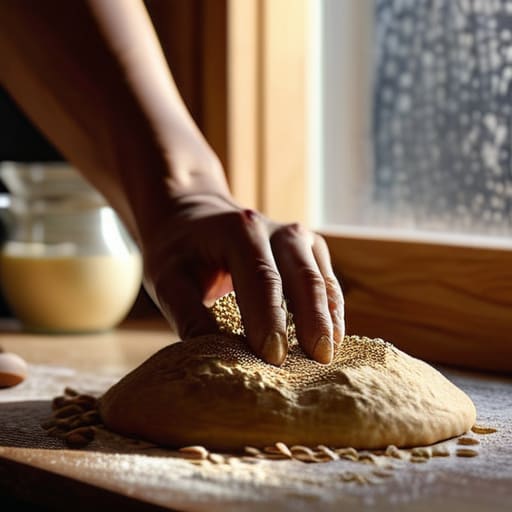
- Stop looking for a one-to-one swap. If you are replacing eggs in a sponge, you aren’t just replacing a binder; you are replacing aeration. Use aquafaba—the liquid from a tin of chickpeas—and whip it until it holds a stiff peak. It’s about the protein structure, not just the volume, and it’s the only thing that will give you the lift you’re looking for without the heavy, gummy center.
- Respect the hydration. When you remove eggs, you are removing a significant amount of liquid and fat. If your batter looks like sludge, don’t just throw in more flour—that’s how you end up with a brick. Instead, adjust your liquid by weight. If you’re using a starch-based binder like cornstarch, you’ll need to compensate for the thirstiness of that starch to keep the crumb tender.
- Temperature is your silent partner. In a traditional recipe, eggs act as an emulsifier that helps bridge the gap between fat and water. Without them, your batter is more prone to splitting. Make sure your plant milks or oils are at room temperature; if you hit a cold batter with a cold substitute, the emulsion will fail before it even sees the oven.
- Use acidity to find your lift. If you aren’t using eggs for leavening, you need a chemical reaction to do the heavy lifting. A splash of apple cider vinegar or lemon juice reacting with baking soda creates the carbon dioxide bubbles your cake needs to breathe. It’s a simple bit of chemistry, but if you skip it, you’re just making a very expensive biscuit.
- Give it time to rest. This is the part everyone rushes, and it’s where most egg-free bakes die. Without the immediate structure of egg proteins setting, your batter needs time for the starches to fully hydrate. Let your batter sit for twenty minutes before it goes into the heat. It allows the flour to settle and the binders to “knit” together, ensuring the cake doesn’t collapse the moment you crack the oven door.
Lessons from the bench: What to remember when the eggs are missing
Stop looking at volume and start looking at weight; when you swap an egg for a starch or a seed, you aren’t just changing an ingredient, you are changing the hydration percentage of your entire batter.
Respect the structural integrity of your crumb by understanding that binders like aquafaba or flax provide different types of tension than a yolk ever could—don’t expect a sponge to behave like a heavy pound cake.
If your eggless bake feels gummy or dense, it isn’t a failure of the substitute, it is a failure of patience; you likely didn’t give the proteins enough time to set or the moisture enough time to distribute.
The Baker’s Final Word
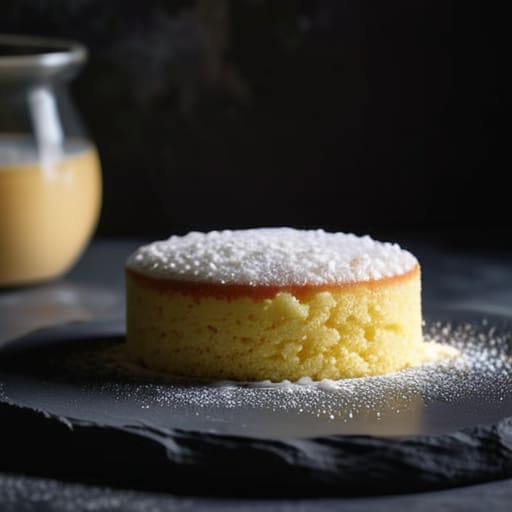
At the end of the day, removing an egg isn’t about finding a magical replacement that mimics nature perfectly; it is about understanding how you are restructuring the architecture of your bake. We have talked about why you must ditch the measuring cups for a digital scale to manage your hydration, and why relying on a “flax egg” without respecting its binding limits is a recipe for a dense, gummy mess. Whether you are leaning on starches, aquafaba, or fruit purees, remember that you are managing structural integrity and moisture retention. If your sponge feels heavy or your mousse refuses to hold its peak, don’t go hunting for a new recipe—look back at your temperatures and your timing, because that is where the real work happens.
I spent thirty-four years watching dough rise and cakes fall, and if there is one thing I have learned, it is that the kitchen is a living thing. It doesn’t care about your dietary restrictions, and it certainly doesn’t care about your expectations; it only responds to how you treat it. Don’t be afraid of a little failure, because a collapsed cake is just a lesson in how much air your substitute could actually hold. Baking without eggs is simply a different way of dancing with the chemistry of flour and heat. Trust your hands more than the instructions on the box, and remember that patience is the only ingredient that truly guarantees a masterpiece.
Frequently Asked Questions
If I'm swapping eggs in a delicate sponge, how do I know if my replacement has enough structural integrity to keep the cake from collapsing once it leaves the oven?
If your sponge collapses, it’s because your substitute lacks the protein tension to hold the air you’ve worked so hard to whip in. A flax egg is fine for a heavy muffin, but for a delicate sponge, it’s too heavy and “muddy.” You need something that mimics the coagulating strength of egg whites. Try aquafaba—the liquid from a can of chickpeas. It provides the structural scaffolding needed to keep those tiny air bubbles from weeping and collapsing the moment the temperature drops.
My egg-free brownies are coming out dense and gummy rather than fudgy; am I overworking the batter or is my liquid-to-dry ratio off?
It’s rarely just one or the other; it’s usually the way they’re interacting. If you’re using a flax egg, you’ve added a lot of mucilage, which can turn gummy if you overmix. Once that flour hits the liquid, stop stirring. If you overwork it, you’re developing gluten, and brownies aren’t bread—they don’t need structure. Check your hydration; if your liquid-to-dry ratio is high, you might just need a few more minutes in a slightly cooler oven.
When using aquafaba for meringues, how do I account for the difference in stability compared to the proteins in a real egg white?
Aquafaba isn’t a miracle; it’s just a different kind of structure. While egg whites rely on protein coagulation, you’re working with starches and saponins. It’s more temperamental. To get that stability, you must compensate for the lack of structural “grip” by using a stabilizer—cream of tartar is your best friend here. And for heaven’s sake, don’t use the liquid straight from a can of chickpeas if it’s too salty; reduce it slightly to concentrate those solids.