I remember standing in my shop at four in the morning, thirty years ago, staring at a tray of loaves that looked more like heavy, grey stones than bread. I had followed the recipe to the letter, yet the dough refused to rise, leaving me feeling like a complete fraud. Most people will tell you that you need a fancy digital scale or a specialized steam-injection oven to fix those kinds of disasters, but they’re selling you nonsense. This isn’t a complete guide to baking troubleshooting meant to teach you how to buy more gadgets; it’s about understanding that your kitchen is a living, breathing environment that doesn’t care about your expensive equipment.
I’m not here to give you a list of “hacks” or tell you to buy a different brand of flour. Instead, I’m going to teach you how to listen to the dough and respect the variables that actually matter: temperature, time, and the way your hands move. We are going to look at why your hydration levels might be lying to you and how a drafty window can ruin a whole day’s work. By the time we’re done, you won’t be looking for a new recipe every time something goes wrong; you’ll be reading the dough instead of the instructions.
The Deception of Cups and Baking Ingredient Ratios
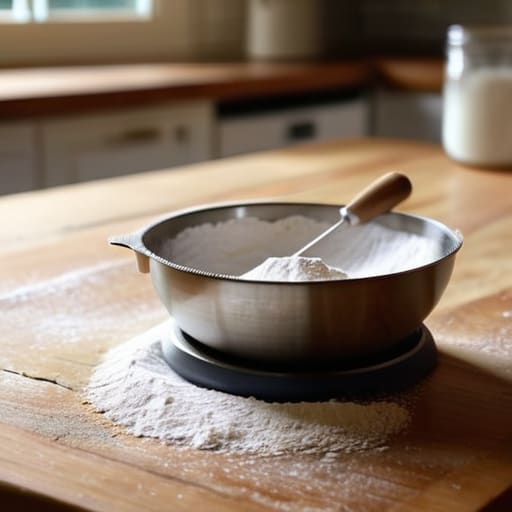
If you walk into my kitchen and ask for a cup of flour, I’ll give you a look that suggests you’ve just asked me to measure a cloud. A cup is a fickle, lying thing. One person packs it tight like they’re building a brick wall, and the next person sifts it so loosely it barely fills the vessel. Either way, you’ve just ruined your baking ingredient ratios before you’ve even turned on the oven. I don’t care what the cookbook says; if you aren’t using a scale, you aren’t baking, you’re guessing.
When I talk about a dough, I talk in percentages. If I tell you a recipe is 75% hydration, I’m telling you exactly how much water is fighting against the strength of that flour. This is where most people run into bread texture problems—they think they’ve followed the instructions, but they’ve actually added twenty grams too much flour because they used a measuring cup. Once that ratio is off, the dough won’t stretch, it won’t breathe, and no amount of “extra kneading” will save a loaf that was dead on arrival.
Dough Hydration Levels and the Truth of Touch
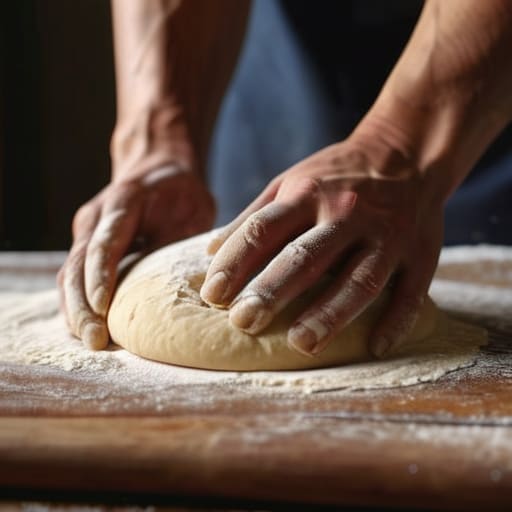
Once you’ve stopped measuring by the cup and started looking at your dough hydration levels, you’ll realize why your loaves have been behaving like stubborn children. Most people think a “wet” dough is a mistake, but hydration is simply the relationship between your flour and your water. If you’re working with a 65% hydration dough, it should feel supple and elastic, like a well-loved earlobe. If it’s sticking to your fingers like wet cement, you haven’t necessarily added too much water; you likely haven’t given the flour enough time to actually drink it.
When you run into bread texture problems—specifically a crumb that is gummy or a crust that feels strangely heavy—it’s almost always a misunderstanding of how that water is being managed. A high-hydration dough (we’re talking 75% or higher) requires a gentle hand and a lot of patience during the folding process. If you manhandle it, you’ll knock the air out and end up with a dense brick. You have to learn to feel the tension building under your palms. The dough will tell you when it’s ready to stretch; you just have to stop looking at the clock and start listening to the dough.
The Three Invisible Variables: Temperature, Time, and Touch
- Stop looking at the clock and start looking at the dough; if your kitchen is a drafty stone box in January, that two-hour rise time you read in a book is a lie, and you need to give that dough the extra hour it’s asking for.
- Watch your hands, not just the timer, because if you’re manhandling the dough with heavy, aggressive movements during the final shaping, you’re tearing the very gluten structure you spent all morning building.
- Your oven is a fickle beast that doesn’t care what the dial says, so if your crust is looking pale and sad, your oven isn’t actually holding the heat it promised, and you might need to preheat it for much longer than the manual suggests.
- Learn the difference between “sticky” and “wet” by feeling the tension; if your dough feels slack and refuses to hold a shape, you haven’t failed the recipe, you’ve likely just under-developed the strength through insufficient folding.
- Don’t rush the cooling process just because you’re hungry, because slicing into a loaf while it’s still steaming is the fastest way to turn a beautiful crumb into a gummy, collapsed mess—the bread is still cooking itself on the inside.
The Baker’s Essentials
Stop reaching for your measuring cups; if you aren’t using a scale to track your weights and percentages, you aren’t baking, you’re just guessing.
Hydration is a living thing that changes with the humidity in your kitchen and the thirst of your flour, so trust the feel of the dough under your palms more than the numbers on a page.
When a loaf fails, look at your environment first—check if your kitchen was too drafty, if you rushed the fermentation, or if you were too heavy-handed during the fold.
The Baker’s Long Memory
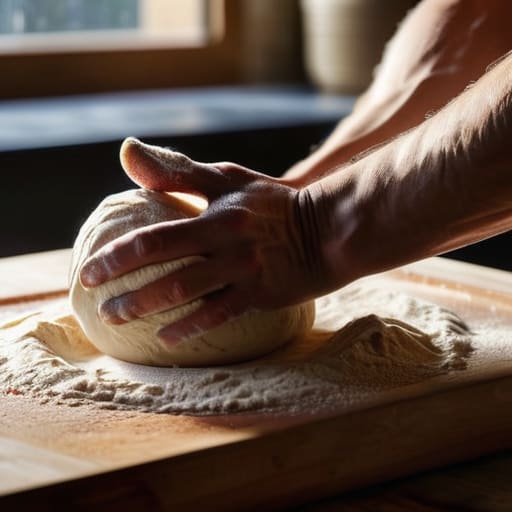
At the end of the day, troubleshooting isn’t about memorizing a list of errors; it’s about learning to listen to what the flour and water are telling you. We’ve talked about why you must ditch the measuring cups for a scale and why understanding your hydration percentages is the only way to truly master the feel of a dough. If your loaf comes out heavy or your crust is lackluster, stop looking for a flaw in the instructions and start looking at your environment. Was the water too cold? Did you rush the bulk fermentation because you were in a hurry? Most mistakes are simply a mismatch between your patience and the process, and once you stop fighting the variables, you start working with them.
Don’t let a flat loaf or a gummy crumb discourage you from getting your hands back in the flour. I spent thirty-four years waking up before the sun, and I can tell you that even on my best days, the dough didn’t always behave. Some days the humidity in the air was too high, or the starter was just a bit sluggish, and that was simply the nature of the craft. Baking is a living, breathing thing, and it requires a bit of grace for the imperfections. Keep your weights exact, keep your kitchen warm, and most importantly, trust your hands more than any textbook. The best bread isn’t made by perfectionists; it’s made by people who aren’t afraid to try again tomorrow.
Frequently Asked Questions
If I’m using a digital scale but my dough still feels too stiff or too slack, am I reading the hydration wrong?
Not necessarily. If your scale says 75% hydration but the dough feels like a stiff brick, your flour is likely thirstier than you think. Different brands, or even different bags of the same brand, absorb water differently depending on the humidity in your kitchen. Don’t trust the numbers blindly; trust your hands. If it feels tight, add a tablespoon of water. If it’s a puddle, add a dusting of flour. The scale is a guide, but the dough is the boss.
How can I tell if my kitchen is too cold for my specific dough without having a professional thermometer on hand?
You don’t need a digital probe to tell you the air is stealing your fermentation. If you can feel a slight chill on your knuckles when you reach for the flour, your dough is feeling it too. Watch your bubbles; if the surface stays stagnant and the dough feels heavy and lifeless after an hour, your kitchen is a refrigerator, not a workspace. When in doubt, use your hands—if the dough feels stubbornly cold to the touch, it’s stalling.
When I say I'm "handling" the dough, what does that actually mean in terms of pressure and movement so I don't bruise it?
You aren’t wrestling a heavy rug, darling; you’re tending to something living. When I say “handling,” I mean moving with intention rather than force. If you’re folding, use the heels of your hands to gently tuck the dough under itself. If you’re shaping, use a light, rhythmic pressure—just enough to create tension on the skin without popping those precious gas bubbles. If the dough feels like it’s fighting you, stop. It’s telling you it needs rest, not more muscle.