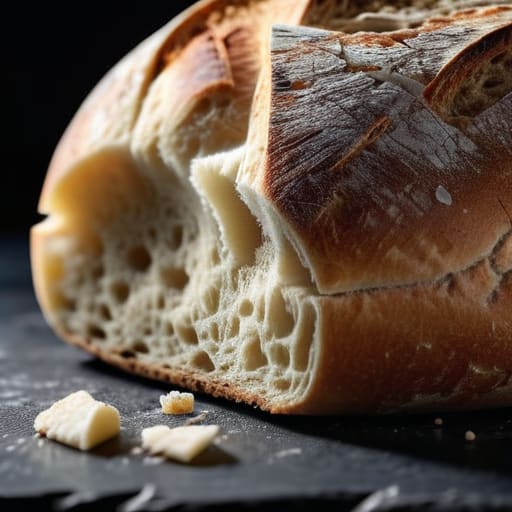
I remember sitting in my shop at five in the morning, the air smelling of yeast and woodsmoke, watching a young man walk in with a loaf he’d baked at home. He looked so proud, until he tried to slice it and the knife bounced off a surface as hard as a cobblestone. He’d followed a recipe to the letter, but he’d ended up with a loaf that felt more like a weapon than a meal. Most people think they need a professional steam-injection oven or some expensive, specialized Dutch oven to fix this, but learning how to avoid a thick tough crust isn’t about buying more gear. It’s about understanding the relationship between heat and moisture—something most cookbooks completely gloss over in favor of pretty pictures.
I’m not going to sell you on a fancy gadget or a complicated three-hour ritual that leaves your kitchen a mess. Instead, I’m going to tell you exactly what is happening to your dough when it hits the heat and why your current method is likely starving it of the breath it needs. We are going to talk about temperature, the way you handle your dough, and why your timing might be your biggest enemy. I’ll give you the truth, plain and simple, so you can stop fighting your bread and start enjoying it.
Mastering Oven Temperature for Crust Texture
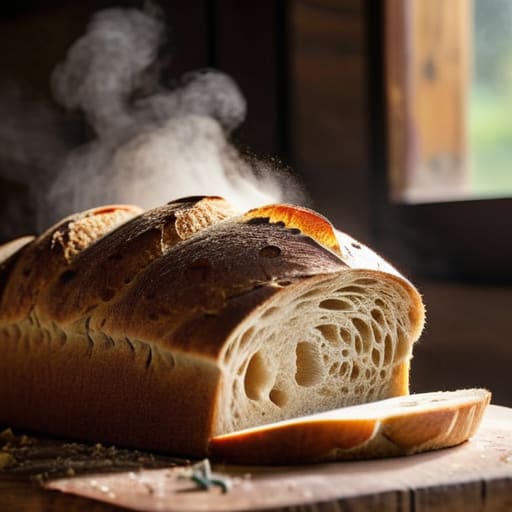
Most people think a hot oven is a magic wand, but if you’re just blasting the heat without a plan, you’re merely turning your hard work into a decorative brick. The secret isn’t just the heat; it’s managing the transition from steam to dry heat. I always tell my students that the first ten minutes are about expansion, not browning. If you don’t have enough steam in that chamber, the surface of the loaf sets too quickly, trapping the gases and forcing the crust to thicken and toughen as it struggles to stretch.
To get that shattered-glass crispness, you need to find the right oven temperature for crust texture by balancing high initial heat with a controlled finish. If you keep the temperature at a rolling boil for the entire bake, you’ll end up with a dark, impenetrable shell. I prefer to start hot to kickstart the oven spring, then dial it back slightly to allow the interior to cook through without the exterior becoming overly charred. It’s about managing the energy you give the dough, ensuring the crust develops its character without becoming a weapon.
The Silent Role of Optimal Baking Humidity
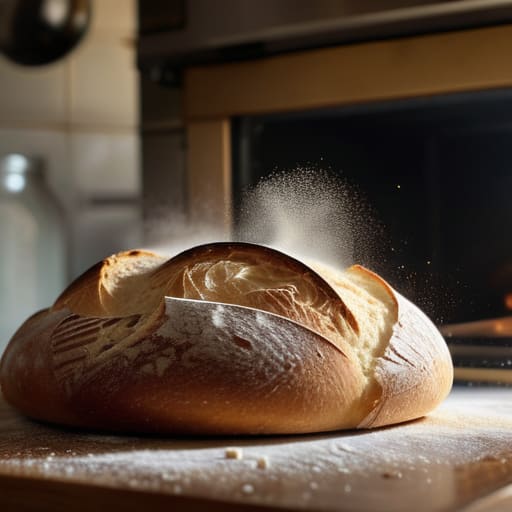
People tend to focus so much on the heat that they forget the air around the loaf. You can have the perfect oven temperature for crust texture, but if your kitchen is as dry as a bone, that loaf is going to set far too early. When the surface of the dough dries out before the bread has finished expanding, you get a thick, leathery shell that resists the rise. This is why optimal baking humidity is the secret I used to rely on back when I was fighting my old wood-fired oven every morning.
To get that shatteringly crisp finish without the struggle, you need to keep the steam trapped in the oven during the first half of the bake. I always keep a heavy cast-iron pan on the bottom rack, ready to pour in boiling water the moment the loaves go in. This burst of moisture keeps the skin supple, allowing for a better spring and a more delicate crust color and crispness. If you aren’t providing that steam, you aren’t baking bread; you’re just dehydrating flour.
Five Ways to Stop Treating Your Dough Like a Combatant
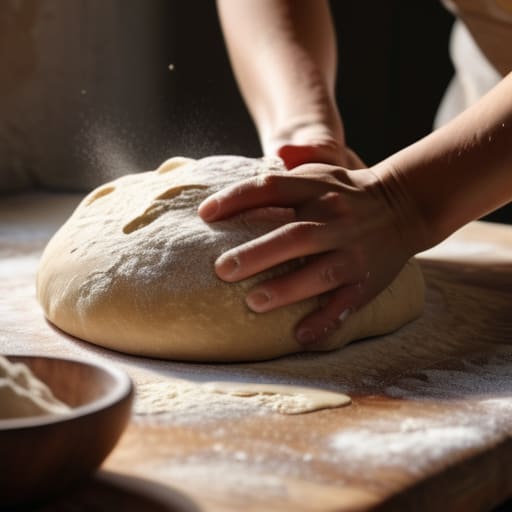
- Watch your handling during the final shape. If you’re degasifying the dough like you’re trying to squeeze the life out of it, you’re creating a dense, tight structure that can only bake into a hard, impenetrable shell. Be gentle; you want the air to stay in the dough, not be crushed out of it.
- Respect the proofing stage. If you pull a loaf out of the basket before it’s actually ready—before it’s soft and pillowy and has truly expanded—the crust will bake into a thick, leathery armor because the interior hasn’t developed the structure to push back against the heat.
- Don’t forget the salt. It’s not just for flavor; salt regulates yeast activity. If your dough is rushing ahead of you because it’s under-salted, it can lead to an uneven bake where the crust sets too quickly before the crumb has finished its work.
- Mind your hydration levels. A dough that is too dry—anything under 65% for a standard loaf—is going to struggle to produce that thin, crisp crust we’re after. Higher hydration gives you more steam and more elasticity, which translates to a more delicate, shatteringly crisp exterior rather than a heavy one.
- Stop the “over-baking” habit. I see people pulling loaves out because they want that deep, dark color, but they’ve actually just baked the moisture right out of the crust. If it looks done but feels like a stone, you’ve left it in the heat for three minutes too long. Trust your ears; listen for that hollow sound, but don’t let it turn into a drum.
The Baker’s Checklist for a Tender Crust
Stop treating the oven like a set-it-and-forget-it appliance; if you aren’t managing the steam and the heat in tandem, you’re just baking bricks.
Respect the hydration of your dough, because a thirsty dough will always struggle to produce a crust that isn’t punishingly hard.
Give your loaves the time they actually need to proof, because rushing the rise is the fastest way to end up with a dense, impenetrable shell.
Trust Your Hands, Not Just the Timer
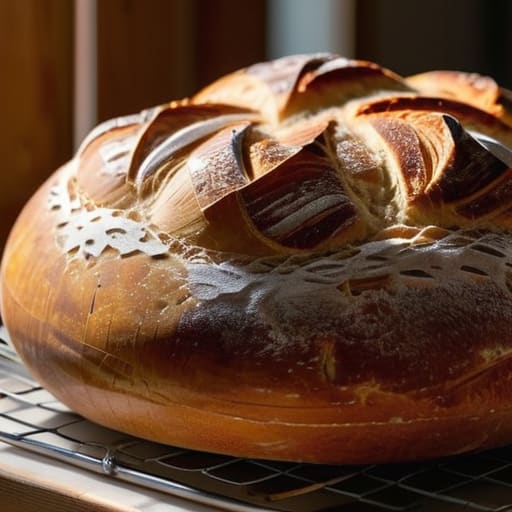
At the end of the day, preventing a crust that feels like a piece of old leather comes down to managing the environment around your dough. You have to respect the relationship between the heat of your oven and the moisture in the air; if you starve the dough of steam or let the temperature drop too low for too long, you are essentially baking a brick instead of a loaf. Remember that your oven is a living thing that fluctuates, and your kitchen’s humidity is just as much an ingredient as your flour. When you balance those elements, you stop fighting the crust and start working with the physics of the bake.
If you find yourself staring at a loaf that didn’t turn out quite right, don’t go throwing your recipe in the bin. Most of the time, the math was sound, but the timing or the temperature simply drifted. Baking isn’t about hitting a perfect, sterile target every single time; it is about learning to read the dough and understanding why it reacted the way it did. So, wipe the flour off your apron, look at what happened, and try again tomorrow. After thirty-four years, I can tell you that patience is the only ingredient that truly makes the difference between a chore and a craft.
Frequently Asked Questions
If I'm using a Dutch oven to trap steam, why is my crust still coming out harder than a cobblestone?
If your crust is still coming out like a cobblestone despite the Dutch oven, you’re likely overbaking or your dough is too dry. A Dutch oven traps the moisture the dough releases, but if you leave it in too long, that steam evaporates and the heat just turns the crust into armor. Check your hydration—if you’re below 75%, you’re starting with a fight. Also, take the lid off earlier to let it breathe.
How can I tell if my dough has over-proofed and is going to collapse into a dense, leathery crust in the oven?
You’ll see it in the way the dough behaves, not just how it looks. If you poke it and the indentation stays there like a bruise, refusing to spring back, you’ve gone too far. It’ll feel limp and fragile, almost like it’s weeping. When that dough hits the heat, it has no strength left to fight; it just deflates, leaving you with a dense, leathery slab instead of a proud, airy loaf.
I've been using a higher hydration dough lately, but it seems to be producing a thicker crust than my lower hydration loaves; why is that happening?
It’s a bit of a tease, isn’t it? You add more water thinking it’ll soften things, but you’re actually giving that crust more fuel to grow. A higher hydration dough—say, 78% or 80%—creates a much more vigorous steam release in the oven. That steam expands the loaf beautifully, but it also drives a more intense caramelization. If you aren’t compensating with a bit more steam in the oven itself, that extra moisture just ends up building a sturdier, thicker shell.