I’ve spent thirty-four years watching people try to fix their lives with “miracle” sweeteners and expensive, processed substitutes that taste like sweetened cardboard. They treat sugar like a moral failing rather than a component, rushing into these frantic, restrictive diets that leave them hungrier than when they started. If you’re looking for a magic pill or a list of “superfood” replacements to save you, you’ve come to the wrong kitchen. Learning how to reduce sugar sensibly isn’t about deprivation or buying into the latest wellness hype; it’s about understanding the rhythm of your own palate and realizing that most of our cravings are just a sign that we’ve been rushing our fuel.
I’m not going to give you a complicated chart or a lecture on glycemic indices. Instead, I want to talk to you about balance, much like I do with a sourdough starter. I’ll show you how to step back from the rush of sweetness and find a way to eat that actually satisfies you without the inevitable crash. We are going to focus on real, steady adjustments—the kind that rely on patience and intuition rather than a shopping list of expensive gimmicks.
Exposing the Hidden Sugars in Processed Foods
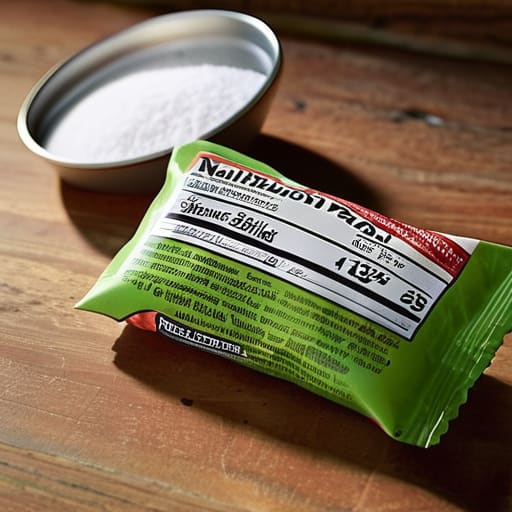
You can’t trust a pretty package, and you certainly can’t trust a “healthy” label. In my bakery, if I wanted to hide something, I’d tuck it under a dusting of flour, but the food industry is far more cunning. They’ve mastered the art of masking sweetness under a dozen different names—maltodextrin, barley malt, or agave nectar—all of which hit your system with the same relentless speed. When you start reading nutrition labels for sugar, you’ll realize that much of what we call “food” is really just a delivery system for glucose. It’s a shell game played with your pantry.
The real trouble is that these additives are designed to bypass your body’s natural “I’m full” signals. When you consume these ultra-processed goods, you aren’t just eating calories; you are experiencing a massive spike in your insulin levels. This constant roller coaster is exactly what makes managing sugar cravings feel like an uphill battle against your own biology. It isn’t a lack of willpower; it’s simply that your blood sugar is being yanked up and down like a yo-yo by ingredients you didn’t even know were there.
Reading Nutrition Labels for Sugar Like a Master
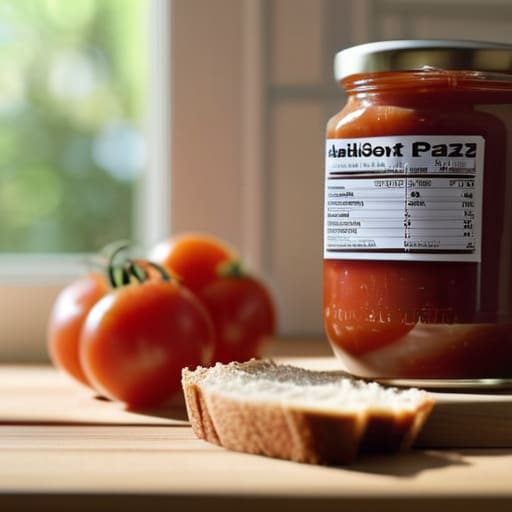
Now, don’t let those glossy packages fool you; they are designed to look wholesome while hiding a mountain of sweetness. When you are reading nutrition labels for sugar, you have to look past the marketing fluff and get straight to the ingredient list. If you see words ending in “-ose”—maltose, dextrose, fructose—or even just “syrup,” you’re looking at a recipe designed to spike your system. I spent decades measuring out sucrose by the gram, so I know how easily a manufacturer can tuck sweetness into a savory-looking loaf or a jar of sauce.
The real trick is understanding the order of operations. Ingredients are listed by weight, so if sugar is one of the first three items, that product isn’t a food; it’s a dessert in disguise. You aren’t looking for a product with zero sugar—that’s a myth—you are looking for a balance. I always tell my neighbors to look for low glycemic index foods that offer a slow, steady release of energy rather than that frantic, sugary rush that leaves you hollow an hour later. It’s about the math, not the magic.
Five ways to stop the sugar rush without losing your mind
- Stop treating sweetness like a constant requirement; if you’re used to a dessert after every single meal, your palate has become lazy, and you need to give it a few weeks of quiet, savory meals to remember what real food actually tastes like.
- If you’re making something at home—a cake, a sauce, or a dressing—stop reaching for the sugar bowl by instinct; use a scale to measure exactly what you’re adding, because once you see that “a pinch” is actually twenty grams, you’ll start to realize how much you were actually masking with sweetness.
- Don’t swap a heavy sugar hit for a mountain of artificial sweeteners that leave a chemical aftertaste; it’s a hollow victory that keeps your brain hunting for that same high, so try using a bit of real fruit or a touch of honey instead to get a more honest, nuanced flavor.
- Watch your liquid intake like a hawk, because drinking your sugar is the fastest way to spike your system without ever feeling full; a glass of juice or a sweetened tea hits your bloodstream like a runaway cart, whereas eating a piece of fruit gives you the fiber to actually manage the energy.
- Learn to embrace the bitter and the sour; if you train your tongue to appreciate the sharp tang of yogurt or the deep, dark notes of real cocoa, you won’t feel like you’re missing out when you decide to skip the extra spoonful of syrup.
Three things to carry in your apron pocket
Stop looking for the word “sugar” alone; the industry hides it behind a dozen aliases like maltodextrin or agave, so learn to spot the patterns of sweetness rather than just the names.
Treat sugar like salt in a dough—it’s a tool for texture and balance, not the main event, and you’ll find much more satisfaction when you use it to highlight a flavor rather than mask a lack of one.
Trust your palate over the printed label; if a food leaves you feeling frantic or hollow an hour after eating, it’s likely spiked with more sugar than your body actually needs to function.
Finding Your Own Rhythm
We’ve looked at how those clever marketing labels hide the truth and how to spot the sneaky sugars tucked away in things that don’t even taste sweet. Reducing sugar isn’t about a sudden, violent purge of everything delicious in your pantry; it’s about intentionality. It is about recognizing that most of the “sugar crashes” you feel aren’t a lack of willpower, but a direct result of how much glucose you’ve invited into your bloodstream all at once. When you start looking at ingredients like a baker looks at flour quality, you realize that true balance comes from understanding the source, not just counting the grams on a box.
If there is one thing thirty-four years of kneading taught me, it’s that you cannot rush a good result. You can’t force dough to rise by turning up the heat until it burns, and you can’t fix a poor diet by swinging between extremes. Be patient with yourself. Some days you will stumble and reach for the processed stuff, and that is perfectly alright. The goal isn’t perfection—it’s consistency and awareness. Treat your body with the same respect I give my sourdough starter: give it the right environment, the right fuel, and most importantly, the time it needs to flourish on its own terms.
Frequently Asked Questions
If I stop using sugar in my baking, how do I stop the bread from feeling dry or the cakes from losing their texture?
Sugar isn’t just for sweetness; it’s a humectant, meaning it holds onto water. When you strip it away, you’re stripping away moisture. To keep your crumb from turning into sawdust, you need to look at your fats and liquids. Use more fat—like butter or yogurt—to coat the flour proteins, or introduce a bit of honey or fruit purée. It’s about replacing that moisture, not just the flavor.
How can I tell if a "natural" sweetener is actually better for me, or if it's just another way to trick my palate into wanting more?
Don’t let a fancy label fool you; honey, agave, and maple syrup are still sugar, just with a better pedigree. They might have minerals, but your liver doesn’t care about the “natural” label when it’s processing a glucose spike. If you’re using them to mimic the old sweetness, you’re just training your palate to demand more. Use them for flavor, not as a way to hide the fact that you’re rushing the process.
When I'm cutting back, how do I know if my dough is under-proofing because of the lack of sugar, or if my kitchen is just too cold?
Don’t go blaming the sugar just yet; sugar is fuel, but it isn’t the engine. If your dough is sluggish, look at your thermometer first. A cold kitchen will stall fermentation faster than a lack of sweetness ever could. Check the dough’s feel: under-proofed dough feels tight and resistant, like a coiled spring. If it hasn’t relaxed or grown, find a warmer spot. Sugar helps, but warmth and time do the heavy lifting.