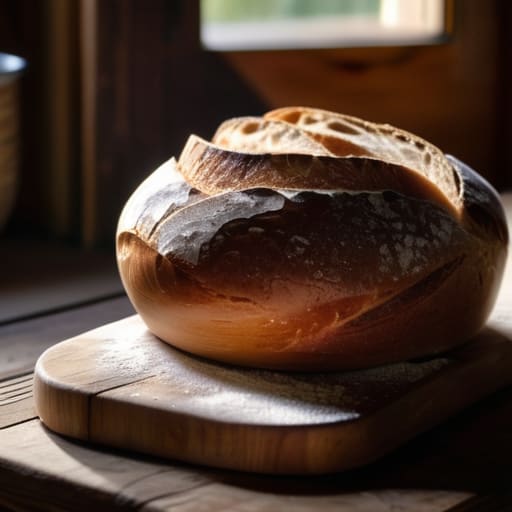
I remember standing in my shop at four in the morning, watching the steam rise off a fresh batch of sourdough, feeling that specific, quiet ache in my shoulders that told me it was time to slow down. There is nothing quite like the sight of a loaf hitting the stone and suddenly stretching toward the ceiling, but I see too many people online buying expensive steam-injection ovens or high-tech gadgets thinking that’s the secret. They treat it like a magic trick, but understanding how oven spring happens isn’t about the hardware you buy; it’s about the life inside the dough. If your loaf comes out looking like a flat, dense brick instead of a proud, airy boule, you haven’t failed the recipe—you’ve likely just ignored the temperature or the tension.
I’m not here to sell you a fancy piece of equipment or a complicated gadget. I’m going to tell you exactly what is going on inside that crust when the heat hits, focusing on the rhythm of fermentation and the way your hands shape the dough. We’ll talk about why your kitchen temperature matters more than any instruction manual, and I’ll show you how to read your dough so you can stop guessing and start baking with confidence and intention.
Thermal Expansion in Baking and the Yeast Fermentation Process
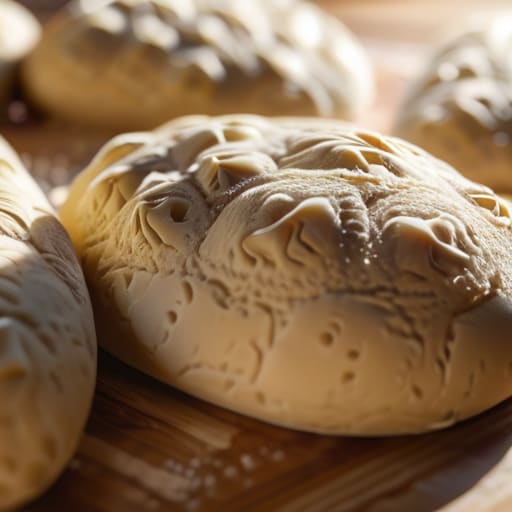
Now, you have to understand that the magic doesn’t actually start when the loaf hits the heat; it’s been brewing long before that. During the final proofing stage, the yeast fermentation process is busy producing tiny pockets of carbon dioxide, stretching the dough like a balloon. If you’ve done your job right, those bubbles are trapped within a strong, supple structure. I always tell my students that if your dough feels tight or lifeless before it goes into the oven, you aren’t going to see much movement later. You need that gluten network elasticity to be at its peak so it can actually hold onto the gas when things get frantic.
When that dough finally meets the intense heat of the oven, we see the real drama. This is where thermal expansion in baking takes over. The heat causes the gases inside those little pockets to expand rapidly, and the moisture in the dough turns to steam, pushing outward with everything it’s got. It’s a violent, beautiful moment of growth. If your kitchen was too cold during the rise, or if you didn’t give the dough enough time to settle, the structure won’t have the strength to catch that expansion, and your loaf will simply stay flat.
Why Gluten Network Elasticity Demands a Gentle Hand
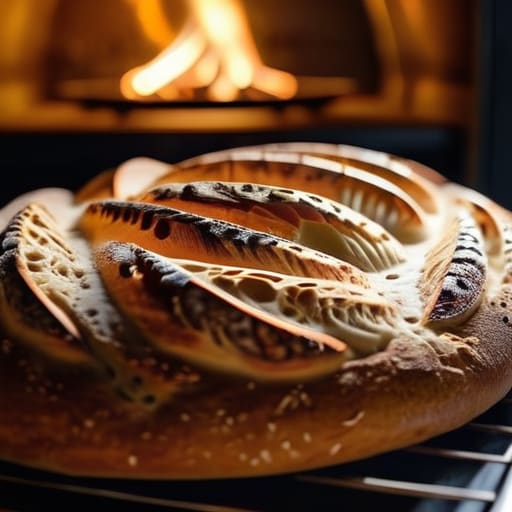
You can have the perfect temperature and the right amount of steam, but if you’ve been too heavy-handed with your dough, you’ve already lost the battle. Think of your gluten network elasticity like a delicate silk balloon; it needs to be strong enough to hold the gas, but supple enough to stretch without snapping. If you’ve over-kneaded the dough or, more likely, if you’ve been too aggressive during your shaping, you’ll end up with a tight, bruised structure. Instead of a magnificent leap, you’ll get a loaf that sits there like a heavy stone because the gluten has become too rigid to move.
During the final proofing stage importance cannot be overstated—this is when that tension is settled. If you manhandle the dough right before it hits the heat, you’re essentially sealing the exits. I’ve seen many a baker try to “fix” a soft dough by adding more flour or squeezing it too tightly, but all they’re doing is creating a structural cage. You want the dough to feel alive and relaxed, not tense and stressed. If the gluten is too tight, it won’t allow for that beautiful, sudden bread dough expansion we’re all looking for.
Five Ways to Stop Muffling Your Dough’s First Breath
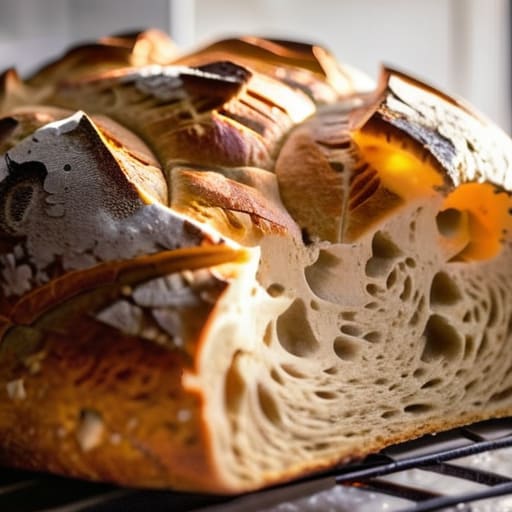
- Watch your dough temperature, not just the oven. If your dough is sitting in a cold kitchen at 18% hydration, it’s going to be sluggish; you want that dough to feel alive and slightly warm to the touch before it hits the heat, or it simply won’t have the energy to leap.
- Stop over-proofing your loaves. I’ve seen many a beginner think a puffy dough is a ready dough, but if you let it go too far, the gluten structure is already exhausted; when it hits the oven, it won’t expand, it will just collapse like a tired lung.
- Give it a blast of steam. Without moisture in the air, the crust sets too quickly, forming a hard shell that acts like a straitjacket on your bread; you need that steam to keep the surface supple so the dough can actually stretch upward.
- Don’t be afraid of a high initial heat. You need a sharp temperature shock to trigger that rapid gas expansion, so if you’re using a home oven, make sure it’s truly preheated—don’t just trust the little light that clicks off.
- Respect the tension in your shaping. If you don’t build enough surface tension when you’re rounding your boules, the gases will just push out the sides like a leaking balloon rather than forcing the dough to climb upward.
The Baker's Truth: Three Things to Remember When the Oven Door Closes
Don’t chase a photo; chase the feel. If your dough feels tight and stubborn before it hits the oven, you haven’t given it enough time to relax, and no amount of heat will force that spring if the gluten is still fighting you.
Temperature is your silent partner. If your kitchen was a drafty cellar during the rise, your yeast was sleeping on the job, and they won’t have the energy to leap when the heat finally hits them.
Respect the hydration. A dough that is too dry will never expand, no matter how much you pray to it; you need that water to turn into steam to provide the physical push your loaf needs to grow.
The Secret is in the Timing
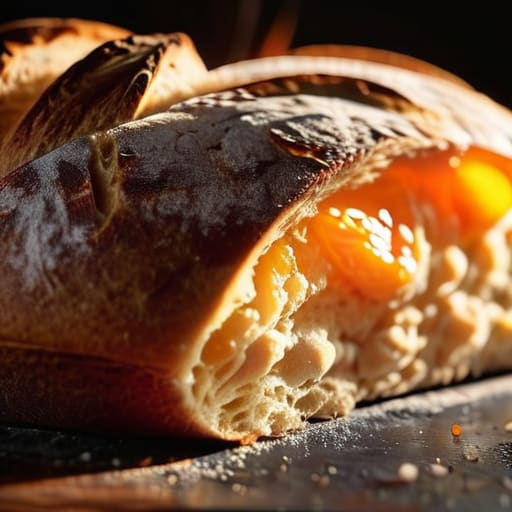
At the end of the day, a good oven spring isn’t some magic trick or a secret ingredient you can buy in a jar; it is simply the result of managing the delicate dance between heat, gas, and tension. You have to give the yeast enough warmth to wake up and produce that lovely carbon dioxide, but you must also ensure your gluten structure is strong enough to hold it without snapping. If your loaf comes out looking like a dense brick instead of a soaring masterpiece, stop looking at your flour brand and start looking at your thermometer or your proofing basket. It usually comes down to one of two things: either the oven wasn’t hot enough to trigger that rapid thermal expansion, or you let the dough over-proof until the structure simply gave up the ghost.
Don’t let a flat loaf discourage you. I’ve spent thirty-four years pulling trays out of the oven, and I can tell you that even the best bakers have days where the dough just refuses to cooperate. Baking is a living, breathing conversation between you and the ingredients, and sometimes the dough just wants to say something different. Instead of getting frustrated, listen to what the dough is telling you through its texture and its smell. Once you stop fighting the science and start working with the rhythm of the fermentation, you’ll find that the most beautiful leaps aren’t forced—they are earned.
Frequently Asked Questions
If my kitchen is particularly cold, can I compensate for a lack of oven spring by increasing the dough temperature before it goes in?
You can, but don’t go chasing a high temperature like you’re trying to boil water. If your kitchen is a refrigerator, your dough is likely sluggish and cold to the core. Aim to bring your final dough temperature up to about 26°C (79°F) before it hits the oven. Use slightly warmer water during mixing or a gentle proof in a draft-free spot. Just don’t overheat it; if you rush the yeast too much, you’ll lose that structure entirely.
I’ve noticed my loaves are coming out flat even with a hot oven; am I over-proofing the dough, or is my gluten structure just too weak?
It could be either, but let’s look at the dough first. If your structure is weak, your dough will feel slack and puddle like a pancake before it even hits the oven. If it’s over-proofed, it’ll feel fragile, like it’s holding its breath, and collapse the moment you touch it. Don’t just guess; feel the tension. If it won’t hold a shape during the final fold, you’ve likely pushed the fermentation too far.
How much does the amount of steam in my oven actually matter for that initial burst of growth?
It matters more than most people realize. Think of it this way: steam keeps the surface of your dough supple and moist. If the crust sets too quickly because the air is dry, it acts like a tight corset, pinning the loaf down and choking that growth. You want that skin to be stretchy and elastic for those first few minutes so the gases can actually push the dough upward. Without steam, you’re just baking a brick.