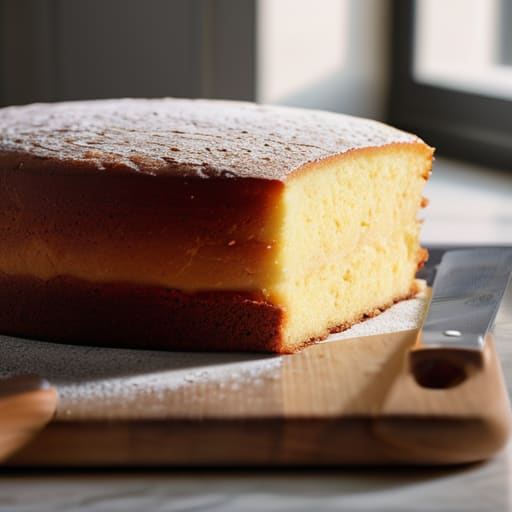
If you’ve spent your afternoon staring at a glossy cookbook, wondering why your sponge looks more like a heavy brick than a cloud, then stop looking at the pictures. Most of these “expert” tutorials are nothing more than a collection of expensive gadgets and colorful food dyes designed to distract you from the actual science of the bake. I’ve spent thirty-four years watching people ruin perfectly good butter because they followed a “complete guide to cakes” that prioritized aesthetic perfection over the fundamental reality of heat and hydration. They tell you to buy a specific brand of vanilla or a designer mixer, but they never tell you that a kitchen that’s too drafty will kill your rise before the oven even preheats.
I’m not here to sell you a fancy spatula or promise you a masterpiece in five minutes. What I am going to give you is the truth about how ingredients actually behave when they meet friction and warmth. We are going to talk about ratios and temperatures, not cups and guesswork, so you can finally understand the soul of the batter. This isn’t a list of recipes to memorize; it is a way to learn how to listen to your cake, so that when you finally slide that tin out of the oven, you aren’t just hoping for the best—you actually know it’s there.
The Crucial Science of Baking Ingredient Ratios
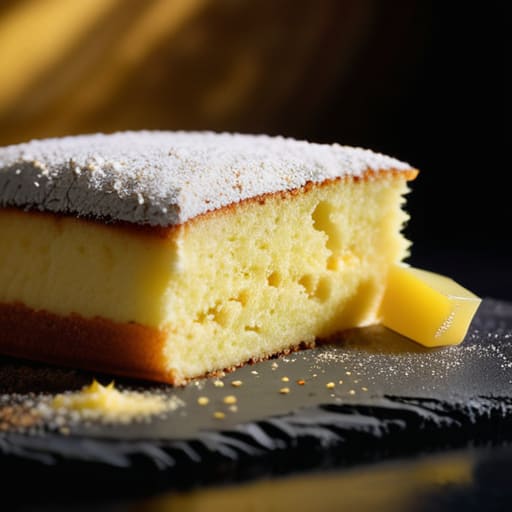
If you want to understand why one sponge feels like a cloud and another feels like a doorstop, you have to stop looking at the list of ingredients and start looking at the relationships between them. This is the heart of baking ingredient ratios. In my shop, I never thought in terms of “three eggs and a cup of sugar”; I thought in terms of how much fat was available to coat the flour particles and how much moisture was needed to activate the leavening. When you get the ratio of fat to flour wrong, you aren’t just making a different flavor of cake—you are fundamentally altering the cake texture and crumb structure.
Most people stumble because they treat ingredients like a grocery list rather than a chemical equation. They’ll see a recipe call for a certain amount of sugar and think it’s just for sweetness, forgetting that sugar is a liquid once it meets the heat. If your ratios are off, even the most expensive butter won’t save you. You have to respect the balance; too much liquid and your structure collapses, too little and you’ve baked a biscuit by mistake.
Why Your Cake Texture and Crumb Structure Fails
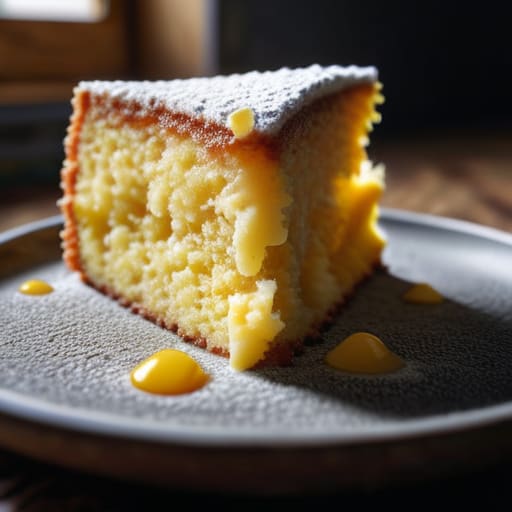
Most people think a dense, gummy cake is a failure of the recipe, but they’re usually wrong. It’s almost always a failure of handling or heat. If you find yourself staring at a collapsed center or a crumb that feels more like wet sand than sponge, stop blaming the flour and start looking at your mixing bowl. Often, it comes down to the creaming method vs muffin method; if you’ve overworked the batter after adding your flour, you’ve developed gluten like you’re making a loaf of sourdough, and that is the quickest way to turn a delicate sponge into a rubbery brick.
Temperature is the silent killer of cake texture and crumb structure. If your butter was too cold when you started, you didn’t trap the air needed for lift; if your eggs were straight from the icebox, they broke your emulsion. A broken emulsion means your fats and liquids aren’t dancing together, leaving you with a greasy, heavy mess. You have to feel the batter—it should be aerated and light, not heavy and struggling against the spoon.
Five Truths They Don't Tell You in the Glossy Cookbooks
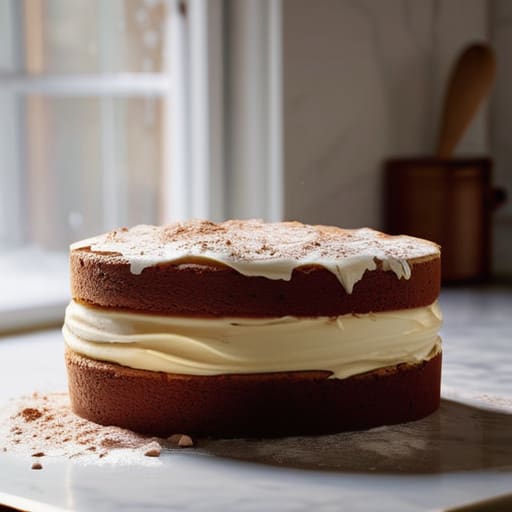
- Stop treating your eggs like an afterthought; if you drop cold eggs straight into your creamed butter, you’ll break the emulsion and end up with a greasy, heavy crumb that no amount of whisking can fix. Let them sit on the counter until they reach room temperature, or don’t bother starting at all.
- Your oven is a liar, and its dial is even worse. A recipe might call for 175°C, but if your oven is running hot and your cakes are peaking in the middle before collapsing, you aren’t “baking,” you’re just rushing the heat. Get an oven thermometer; it’s the cheapest insurance you’ll ever buy.
- Sift your dry ingredients not just to remove lumps, but to aerate. If you’re working with a 70% hydration sponge, you need that lightness. If you just dump flour into a bowl, you’re packing it down, and you’ll be fighting a dense, gummy mess halfway through the bake.
- Respect the creaming stage. I see people doing this for thirty seconds and wondering why their cake lacks lift. You aren’t just mixing sugar and fat; you are carving tiny air pockets into that butter. You need to see the color change from a heavy yellow to a pale, almost white fluff. That’s where your structure begins.
- The most important tool in your kitchen isn’t a stand mixer, it’s your sense of touch and your eyes. Don’t pull a cake out just because the timer went off; pull it out when the edges just barely start to pull away from the tin and the center springs back like a memory. If you wait for it to look “brown enough,” you’ve already overbaked it.
The Baker’s Three Non-Negotiables
Throw those measuring cups in the bin; if you aren’t weighing your flour and liquids to the gram, you aren’t baking, you’re just guessing, and guessing is how you end up with a heavy, greasy sponge.
Temperature isn’t just a number on a dial, it’s the lifeblood of your batter—if your eggs are cold or your butter is too soft, the emulsion will break before it even hits the oven, and no amount of whisking will save it.
Respect the clock and the room; a cake needs time to settle and a kitchen that isn’t a drafty corridor, because rushing the process or fighting a cold oven will ruin a perfectly good ratio every single time.
Before You Pre-heat the Oven
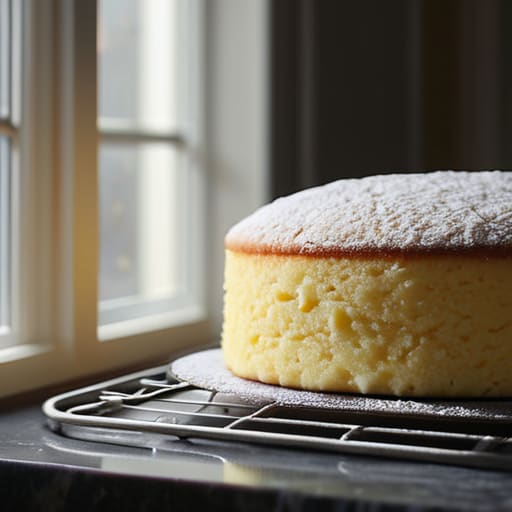
If you’ve followed me this far, you already know that baking isn’t some magic trick performed by a recipe card; it is a conversation between your ingredients and the environment they live in. We’ve talked about why you must ditch those deceptive measuring cups for a scale, why your hydration percentages dictate the very soul of the crumb, and why a cold kitchen can turn a perfect batter into a heavy, lifeless brick. Remember, if your cake comes out dense or uneven, don’t go hunting for a new recipe to blame. Look at your ambient temperature, check your mixing method, and ask yourself if you were rushing the science just to get to the eating part.
At the end of the day, my thirty-four years of four o’clock starts haven’t taught me how to be perfect, but they have taught me how to be observant. You will have days where the oven runs hot or your hands are too heavy on the batter, and that is perfectly fine. A failed sponge isn’t a tragedy; it’s just a lesson in how the flour felt that morning. So, put your scale on the counter, trust your senses over a glossy photograph, and have a little patience. The best cakes aren’t made by people who never fail, but by those who learn to listen to the dough.
Frequently Asked Questions
If I'm using a different type of flour than what you've suggested, how much should I adjust my hydration percentage to keep the crumb from drying out?
If you’re swapping my suggested flour for something with less protein—like a pastry flour—you’ll need to nudge that hydration up by about 3% to 5% to keep the crumb from feeling like sawdust. However, if you’re moving to a heavy whole grain, you’ll likely need closer to 8% more water because those bran particles are thirsty. Don’t trust the math blindly, though; feel the batter. It should be luscious, not stiff.
My kitchen is always drafty and cold in the winter; how do I know if my batter is actually at the right temperature before I put it in the oven?
If your kitchen feels like a meat locker, stop guessing. A drafty room is the enemy of a good rise. You can’t just look at a bowl and know; you need a digital probe thermometer. For most sponge cakes, you’re aiming for a batter temperature around 21°C to 23°C. If it’s too cold, your fats won’t emulsify and you’ll end up with a heavy, greasy mess instead of a light crumb.
I’ve been following the weights exactly, but my cakes still come out heavy and dense—am I overworking the gluten or is my leavening agent the problem?
If your weights are spot on, stop blaming the scale and start looking at your hands or your heat. If you’re mixing until your arm aches, you’re likely overworking the gluten, turning a tender crumb into something resembling a rubber ball. But check your leavening too—if your baking powder is old enough to vote, it won’t lift a thing. It’s usually a combination of aggressive mixing and a kitchen that’s just a touch too cold.