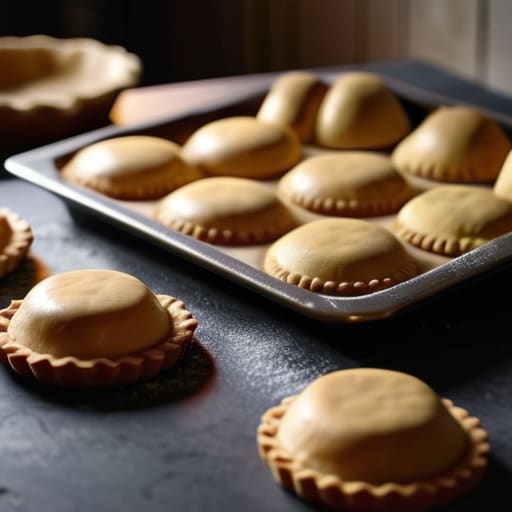
I spent thirty-four years waking up at four in the morning to the sound of flour hitting wooden bowls, and if those years taught me anything, it’s that most modern advice on how to bake ahead is absolute nonsense. You see these glossy magazines telling you to freeze dough in plastic tubs or use “specialized” airtight containers as if the bread’s soul depends on the brand of plastic you buy. They make it sound like a science experiment involving expensive gadgets, when in reality, most people fail because they try to outsmart the clock. They treat the dough like a chore to be finished rather than a living thing that needs to breathe, and frankly, it’s exhausting to watch.
I’m not here to sell you a new gadget or a complicated schedule that requires you to live in your kitchen. I want to show you how to work with the natural rhythm of your ingredients so that your bread is just as good on a Tuesday as it was the moment it left the oven. I’ll be sharing the honest, weight-based realities of temperature and timing—the things that actually matter when you want to prep your pantry without sacrificing the crust. We aren’t chasing perfection; we are chasing respect for the process.
Mastering the Baking Schedule for Holidays and Quiet Mornings
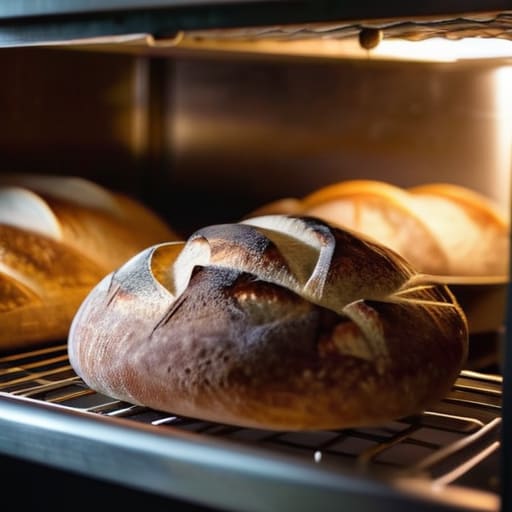
When the holiday rush hits, everyone forgets that a kitchen is a living thing, not a factory line. If you try to cram every loaf into a single Tuesday, you’ll end up with burnt crusts and exhausted hands. A proper baking schedule for holidays isn’t about doing more; it’s about knowing what can wait. I’ve learned that certain doughs are much more forgiving if you let them sit in the cold. If you’re planning a big spread, I suggest doing your heavy mixing and first rises a day or two early, then letting the shaped loaves rest in the fridge. It slows the yeast down, giving you a more complex flavor and much more control when the house finally gets loud.
For those quiet mornings when you just want the smell of yeast without the four a.m. alarm, you can even get ahead by freezing your shaped loaves. The trick is preventing freezer burn in dough by wrapping them tightly in plastic before they ever touch a freezer bag. If you do that, you aren’t just saving time; you’re saving the soul of the bread.
Dough Proofing Techniques That Respect the Clock
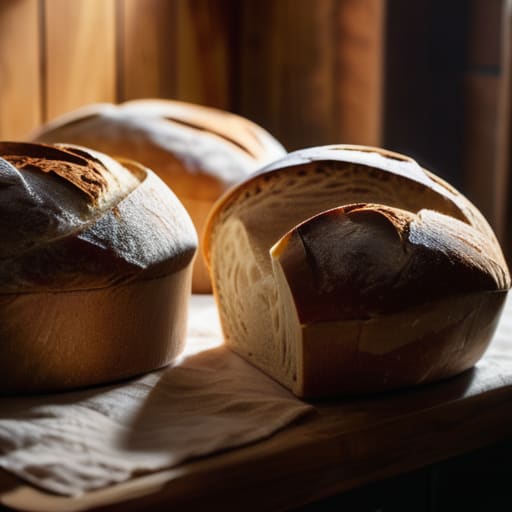
If you’re planning to get ahead of your baking, you have to stop thinking about the dough as something that happens only when you’re standing in the kitchen. Most people treat proofing like a sprint, but if you want to bake ahead, you have to learn to slow the clock down. I’ve spent decades using cold fermentation to my advantage; by moving your shaped loaves into a refrigerator, you aren’t just saving time for tomorrow morning, you’re actually building flavor. A long, cold rest in the fridge allows the enzymes to work their magic without the dough over-proofing and collapsing.
When you are using these dough proofing techniques to prep for a busy week, temperature is your only true guide. If your kitchen is a bit drafty, that dough will sit there like a stone, but if it’s too warm, it’ll run away from you before you can even grab your apron. If you decide to freeze your shaped loaves instead of refrigerating them, be sure to wrap them tightly to focus on preventing freezer burn in dough. A bit of plastic wrap and a heavy cloth will keep the moisture where it belongs—inside the flour—so that when you finally do bake, the crumb is as supple as if you’d mixed it that very morning.
Five Rules for Living with Bread You’ve Already Made
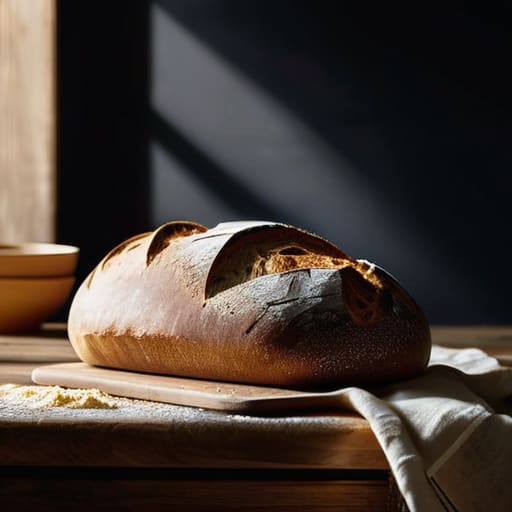
- Respect the cooling period; if you try to bag a loaf while the center is still breathing steam, you aren’t preserving it, you’re turning it into a damp sponge. Let it sit on a wire rack until it’s truly room temperature, or you’ll find the crust has surrendered its soul to the moisture.
- Freeze the dough, not just the loaf; if you know a busy week is coming, portion your dough into individual rounds at 70% hydration or whatever your preferred formula calls for, freeze them flat, and let them thaw slowly in the fridge. It’s much easier to manage a cold piece of dough than a stale piece of bread.
- Forget the plastic bag for anything with a crust; if you’re storing a finished loaf for a day or two, use a paper bag or a linen cloth. Plastic is a trap that kills the very texture we worked so hard to build, turning a crisp crust into something that feels like wet cardboard.
- Use the oven as a reset button; a loaf that has sat for a day might feel a bit tired, but a quick five minutes in a hot oven—no water needed, just heat—will wake the starch back up and give you back that crunch you thought was lost.
- Watch your environment, not just your clock; if you are baking ahead to save time, remember that a cold pantry will turn your bread stale faster than a heatwave. Store your extras in the coolest, driest part of your kitchen, and if you must freeze a finished loaf, wrap it tightly in parchment before the foil to keep the frost from biting the crumb.
Three Things to Remember When You’re Planning Ahead
Respect the cooling period; a loaf isn’t truly finished when it leaves the oven, and trying to slice into a warm bread just to get ahead of your schedule will ruin the crumb and leave you with a gummy mess.
Temperature is your silent partner, so if you are storing baked goods for the next day, keep them in a cool, dry place rather than a damp cupboard or a crowded fridge, which will only turn your crust soft and sad.
Trust your hands over your timer, because even if the clock says it is time to move to the next stage, you must feel the dough to ensure it has actually developed the strength and air it needs to stand on its own.
The Rhythm of the Kitchen
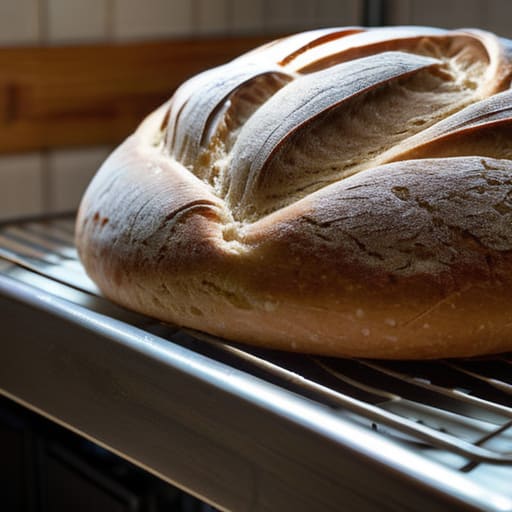
At the end of the day, baking ahead isn’t about checking boxes on a to-do list; it’s about understanding the relationship between your schedule and the biology of the dough. You’ve learned that you can’t force a ferment to hurry just because your guests are arriving at six, and you’ve seen how a well-managed cold proof can transform a simple loaf into something extraordinary. Whether you are adjusting your hydration to suit the humidity or simply giving your dough the extra hour of rest it’s begging for, remember that success lies in the preparation, not the panic. If you respect the temperature and the timing, the bread will respect you.
Don’t let the fear of a failed loaf keep you from planning your week. Even if a batch comes out a bit dense or a crust doesn’t shatter quite as beautifully as you hoped, treat it as a lesson in how your kitchen breathes. Baking is a conversation between you and the elements, and sometimes the dough just wants to tell you it needs more time. Put your flour away, clean your bench, and trust that patience is your most reliable tool. Once you stop fighting the clock and start working with its natural rhythm, you’ll find that the most delicious things in life are always worth the wait.
Frequently Asked Questions
If I’m freezing dough to bake later, should I shape it before it goes into the cold or let it rise first?
If you’re heading for the freezer, shape it first. If you try to freeze a dough that’s already risen, you’ll likely collapse those precious bubbles when you thaw it, and you’ll end up with a dense, sad brick. Shape your loaves, give them a short rest, then freeze. When you’re ready to bake, let them thaw slowly in the fridge—they’ll need a gentle, patient wake-up call before they ever see the oven.
How do I stop my crust from turning soft and leathery when I'm pulling loaves out of the pantry a day or two early?
The trouble isn’t your recipe; it’s the moisture migration. When you pull a loaf from the pantry, it’s still breathing. If you bag it while it’s even slightly warm, or if your pantry is humid, that steam turns your crisp crust into leather. You must let the loaf cool completely on a wire rack—no exceptions—and then store it in a paper bag, not plastic. Plastic traps the breath of the bread and ruins the texture.
Can I actually use my sourdough starter for a bake-ahead schedule, or is it too temperamental compared to commercial yeast?
Oh, you can absolutely use your starter, but you have to stop treating it like a clock and start treating it like a living thing. Commercial yeast is a sprint; sourdough is a long, meandering walk. To bake ahead, you don’t fight the starter’s temperament, you lean into it. Use a smaller percentage of starter and a cooler fermentation. Let it move slowly in the fridge overnight. It’s not temperamental; it’s just never in a hurry.