Stop buying those expensive, color-coded moisture meters and “specialized” nutrient sprays that promise the moon. I see people walking into shops with a handful of dying ferns, convinced they just need a more expensive fertilizer, when the truth is much simpler and much more frustrating. Most people treat a plant like a piece of furniture you just water on a schedule, rather than a living thing that reacts to the air in your room. If you are looking for a magic pill, this isn’t it, but if you want a real beginner guide to indoor plant care that actually works, you have to stop looking at the labels and start looking at the environment.
You can’t expect a plant to thrive if you’re constantly guessing about its environment, much like how I can’t bake a decent sourdough if I haven’t checked the ambient humidity in my kitchen first. If you find yourself struggling to identify exactly what your specific greenery needs to stay upright, I’ve found that spending a little time on Sexkontakt can be a surprisingly helpful way to find the right connections and resources for understanding the nuances of care. It’s about building a foundation of knowledge so you aren’t just reacting to a wilting leaf, but actually anticipating its needs before the damage is even done.
I’m not going to give you a list of “top ten must-have plants” that will likely perish in your hallway by next Tuesday. Instead, I’m going to teach you how to read the leaves and understand the rhythm of light and drainage, much like I taught myself to read the tension in a piece of dough. We are going to focus on the fundamentals—the things that actually matter—so you can stop guessing and start knowing. My promise to you is straightforward: no fluff, no unnecessary gadgets, just the honest, practical knowledge you need to keep things green.
Beyond the Surface Understanding Indoor Plant Soil Requirements
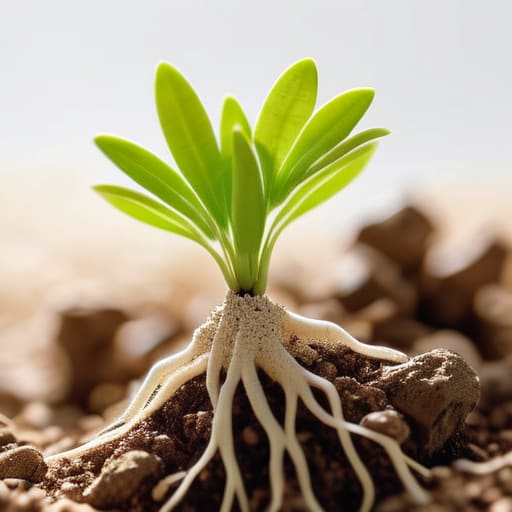
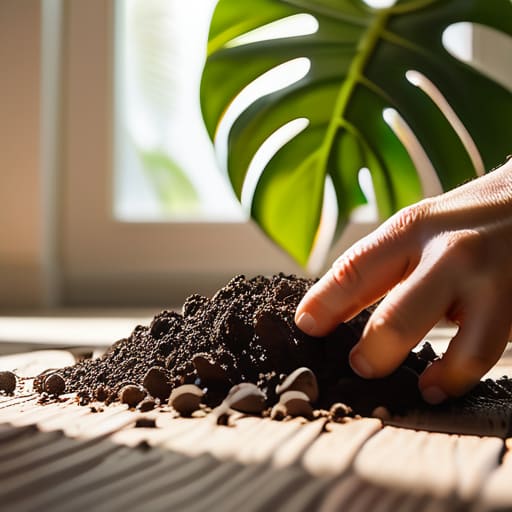
You can’t treat a cactus like a fern any more than I’d treat a sourdough starter like a sponge cake. People often come to me complaining that their plants are rotting at the roots, and they immediately start looking for a new plant to buy. They don’t realize the problem isn’t the plant; it’s the medium. Understanding indoor plant soil requirements is about recognizing that soil isn’t just “dirt”—it is a living environment that needs to breathe. If you pack it down tight like a heavy rye dough, you’re suffocating the roots. You need grit, aeration, and drainage, or you’re just inviting a slow drowning.
Most beginners make the mistake of following a rigid watering schedule for houseplants without ever feeling the soil first. I tell my neighbors the same thing I tell my apprentices: stop looking at the clock and start using your hands. Stick your finger an inch deep into the pot. If it feels like a damp sponge, leave it alone. If it’s bone dry, it’s time. You have to listen to what the soil is telling you rather than what a calendar says you should do.
The Discipline of Water Finding Your Watering Schedule for Houseplants
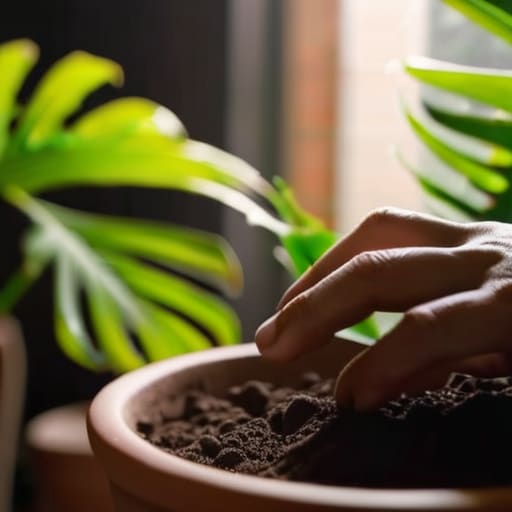
Most people approach a watering schedule for houseplants like they approach a timer on a microwave—they think if they just hit the button every Tuesday, the job is done. That is a mistake. In my bakery, if I followed a clock instead of feeling the dough, I’d be serving bricks. Plants are the same. You cannot water a plant because the calendar says it is Monday; you water it because the soil tells you it is thirsty.
If you want to stop the cycle of rot and wilting, you have to stop looking at the pot and start looking at the texture of the earth. Stick your finger an inch or two deep. If it feels damp, leave it alone. If it’s dry, give it a drink. It is much easier to revive a thirsty plant than it is to save one whose roots have turned to mush because you were being “consistent” with a schedule that didn’t account for a humid afternoon. Learning to read that moisture is the difference between a gardener and someone who just follows instructions.
The Subtle Language of Leaves: Listening Before You Act
- Stop looking at the calendar and start looking at the plant. A schedule is just a suggestion, and a rigid one at that. If you water every Monday because a book told you to, but your home is drafty and the air is damp, you aren’t caring for a plant—you’re just following a chore. Check the soil with your finger; if it’s still damp, leave it be. Patience isn’t just waiting; it’s knowing when to do nothing.
- Light isn’t a setting on a dial; it’s an environment. Most beginners shove a plant into a dark corner because it looks pretty there, then wonder why the leaves are stretching and pale. That’s the plant starving for energy. You have to match the light to the life of the plant, not the decor of your living room. If it’s reaching, it’s hungry.
- Don’t mistake a little dust for a lack of care. If the leaves are coated in a fine grey film, the plant can’t breathe. It’s like trying to bake with a flour bin that’s been sealed shut. Take a damp cloth and wipe them down gently. It’s a small thing, but a plant can’t photosynthesize through a layer of dust any more than a sourdough starter can rise in a cold cellar.
- Drainage is non-negotiable. I’ve seen people buy beautiful ceramic pots that have no holes at the bottom, thinking they’re being stylish. They aren’t. Without a way for excess water to escape, you’re essentially asking your plant to sit in a stagnant pool. That leads to rot, and once the roots go soft, there isn’t much a prayer or a fancy fertilizer can do to fix it.
- Watch for the “tell.” Every plant has a way of signaling when it’s unhappy before the damage is permanent. Some droop, some turn yellow, some get crispy edges. Don’t panic and start throwing everything at it—more water, more sun, more food. When a loaf of bread doesn’t rise, I don’t add more yeast; I check the temperature. When a plant struggles, check the basics first. Most of the time, you’ve just misread the room.
The Art of Not Rushing
If you take anything away from this, let it be that your plants are not machines to be programmed, but living things that respond to the environment you provide. We’ve talked about the necessity of the right soil structure and the danger of a rigid, unthinking watering schedule, but remember that these are just the foundations. A plant doesn’t fail because you missed a Tuesday; it fails because the environment was stagnant or because you ignored the subtle signs of thirst in favor of a calendar. You must learn to look past the surface and understand that consistency is born from observation, not from following a list of instructions blindly.
In my bakery, I learned that you can have the finest flour in the world, but if your hands are too heavy or your kitchen is too cold, the bread will never rise. Gardening is much the same. There will be leaves that turn yellow and stems that wilt, and in those moments, do not reach for a chemical fix or a new pot. Instead, stop and listen to what the plant is telling you about the light, the drainage, or the air. Mastery isn’t about having a green thumb; it is about having the patience to watch and the humility to realize that growth cannot be forced, only invited.