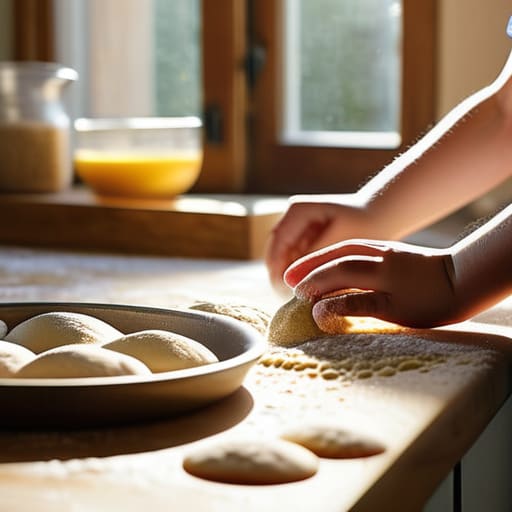
Baking With Children Without Losing the Batch
If you’ve spent any time scrolling through those glossy parenting blogs, you’ve likely seen the lie that teaching a child to bake requires a pristine kitchen, a set of miniature silicone tools, and a recipe that yields a perfect, Instagram-ready sponge every single time. It’s nonsense. When I think about how to bake with children, I don’t think about those sanitized, flour-free tutorials; I think about my own niece, four years old and covered head-to-toe in rye flour, staring in absolute wonder as a shaggy mass of dough slowly transformed under her tiny, clumsy palms. Baking isn’t a performance of precision for a camera; it is a messy, tactile conversation between a person and the ingredients. I’m not here to give you a list of “kid-friendly” cupcake recipes that rely on boxed mixes and food coloring. Instead, I want to show you how to teach them the actual rhythm of…
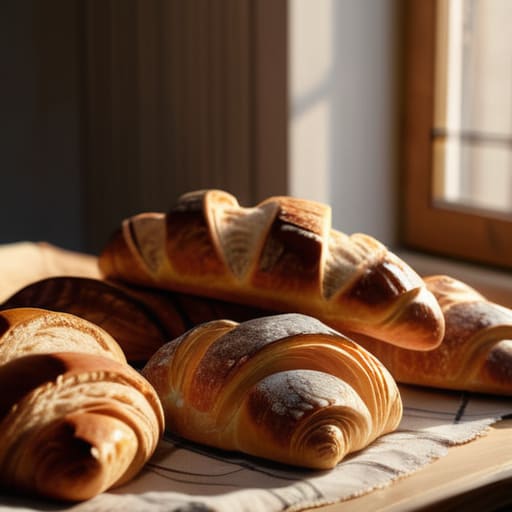
Baking Ahead for a Day You Cannot Bake
I spent thirty-four years waking up at four in the morning to the sound of flour hitting wooden bowls, and if those years taught me anything, it’s that most modern advice on how to bake ahead is absolute nonsense. You see these glossy magazines telling you to freeze dough in plastic tubs or use “specialized” airtight containers as if the bread’s soul depends on the brand of plastic you buy. They make it sound like a science experiment involving expensive gadgets, when in reality, most people fail because they try to outsmart the clock. They treat the dough like a chore to be finished rather than a living thing that needs to breathe, and frankly, it’s exhausting to watch. I’m not here to sell you a new gadget or a complicated schedule that requires you to live in your kitchen. I want to show you how to work with the…
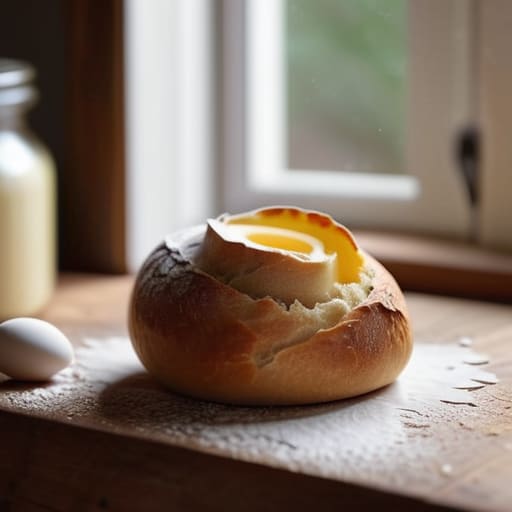
Baking for One or Two Without Waste
I spent thirty-four years watching people try to scale down recipes by grabbing a handful of flour and a “generous” scoop of a measuring cup, only to end up with a gummy, heavy mess that wouldn’t rise if you begged it. There is this ridiculous notion in modern baking blogs that you need specialized, miniature equipment or some expensive little gadget to master how to bake in small batches. It’s nonsense. When you are working with a tiny amount of dough, the margin for error vanishes; a few grams too much water or a minute too long on the knead isn’t just a slight deviation, it is the difference between a loaf and a brick. I’m not here to sell you a tiny rolling pin or a boutique silicone mold. I’m going to show you how to respect the math and the mechanics of a smaller dough mass using nothing…
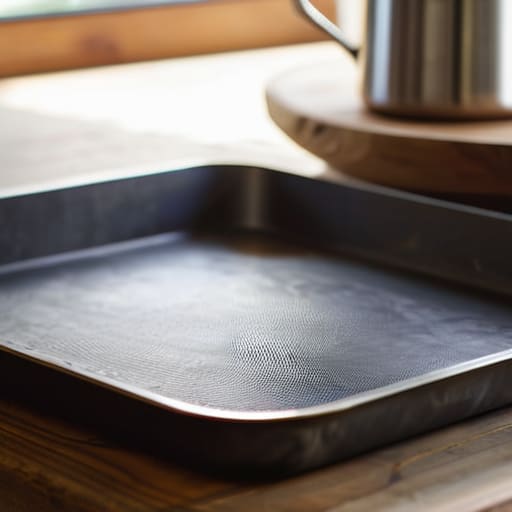
Never Scrub a Well-used Tray
I can still smell the singed sugar and heavy flour dust from my old shop, but what I remember most isn’t the scent—it’s the sound of a heavy tin hitting the scrub board too hard. I’ve seen too many people spend a fortune on “specialty” non-stick sprays and designer cleaning kits, thinking they can buy their way out of basic maintenance. It’s nonsense. If you want to know how to look after baking tins and trays, you don’t need a chemistry set; you need to understand that your tools are living things that respond to how you treat them. A tin isn’t just a piece of metal; it’s the foundation of your crust, and if you treat it like a piece of disposable plastic, it will behave like one. I’m not here to sell you a miracle cleanser or a subscription to a gadget club. I am going to tell…
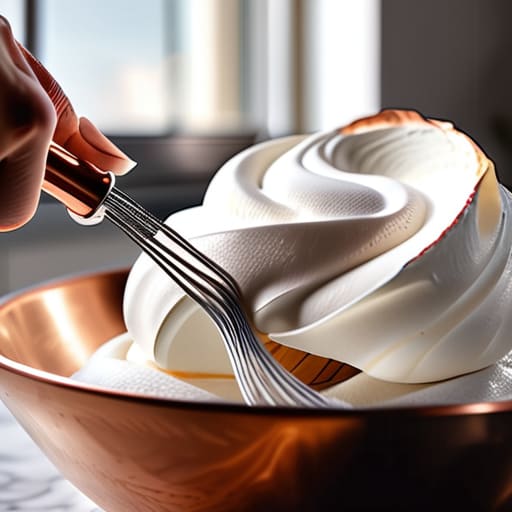
Stop Chasing the Photograph and Start Feeling the Peaks: Why Understanding Different Methods for Whipping Perfect Meringue Is the Difference Between a Collapse and a Masterpiece.
I remember standing in my shop at five in the morning, the flour dust dancing in the dim light, watching a young apprentice try to fix a weeping, soupy mess of egg whites by simply turning the mixer up to a higher speed. He thought he could bully the air into the proteins, but you cannot intimidate a meringue into submission. People spend far too much money on specialized gadgets and “secret” stabilizer powders, convinced that the right equipment is the only way to master different methods for whipping perfect meringue. The truth is, whether you are using a copper bowl or a heavy-duty stand mixer, the physics of the egg doesn’t change just because you bought a more expensive whisk. Now, if you find yourself staring at a bowl of weeping, watery whites and wondering where the life went, don’t go reaching for a new whisk or a faster…
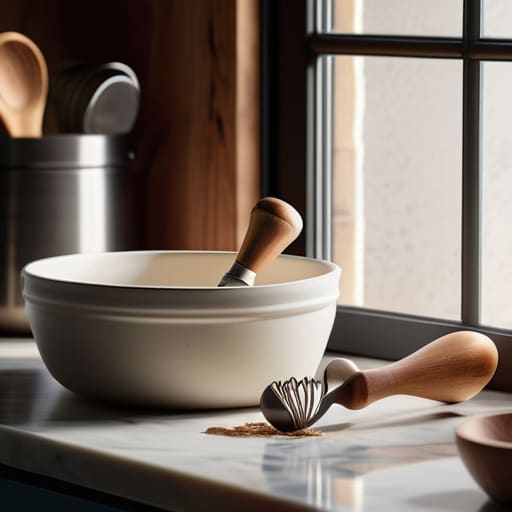
The Six Things Worth Buying First
I’ve spent thirty-four years watching people walk into kitchen supply stores and walk out with a drawer full of silicone gadgets that promise “perfection” but do nothing but take up space. They buy expensive, flashing digital thermometers and specialized rolling pins for every conceivable pastry, thinking that a shiny new tool will somehow fix a dough that hasn’t been given enough time to rest. If you’re looking for a magic wand in a box, you’re in the wrong place; learning how to choose baking equipment isn’t about finding the most expensive item on the shelf, it’s about finding the tools that actually work with the ingredients rather than against them. I am not here to sell you on the latest trend or a gadget that requires a specialized battery. Instead, I’m going to tell you which tools are worth your hard-earned money and which ones are just expensive clutter. We…
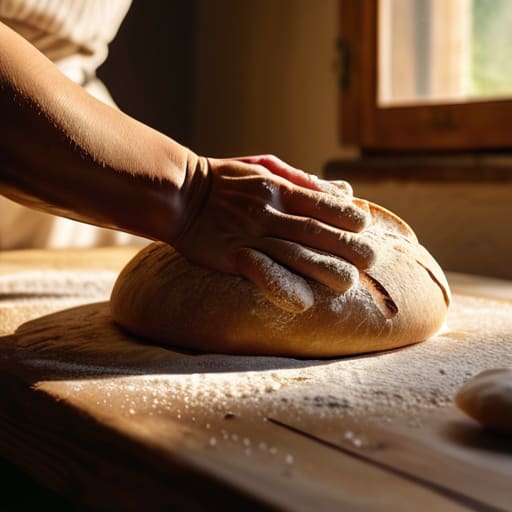
Everything Here Was Made by Hand for Decades
I spent thirty-four years listening to the relentless, high-pitched whine of industrial mixers at four in the morning, and if there is one thing I’ve learned, it’s that the machine is often just a way to avoid actually feeling your bread. People will try to sell you expensive stand mixers or complicated gadgets, claiming they are the only way to get a decent crumb, but they are lying to you. Most of those fancy machines actually strip the life out of the dough because they do all the work without any of the intuition. If you are wondering how to bake without a mixer, you aren’t looking for a shortcut; you are looking to reconnect with the flour and the water. I’m not going to give you a list of “hacks” or tell you to use a whisk like it’s some magical wand. Instead, I’m going to teach you how…
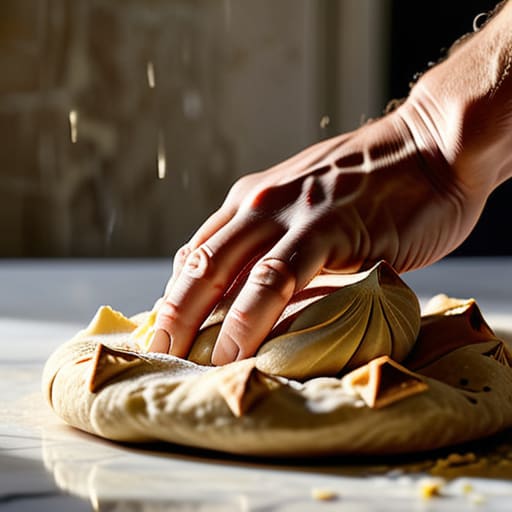
Stop Chasing the Photograph: the Truth About Making Flaky Pastry Crusts From Scratch Is Found in the Temperature of Your Hands, Not the Recipe.
I remember standing in my bakery at four in the morning, the air smelling of yeast and damp stone, watching a young apprentice try to “fix” a tough crust by adding more water because the dough looked dry. She was following a printed recipe to the letter, but she was ignoring the feel of the fat against her palms. People think making flaky pastry crusts from scratch requires some expensive, high-tech pastry cutter or a specialized marble slab, but that is nonsense. Most of the time, when your crust turns out like a heavy biscuit instead of a delicate cloud, it isn’t because you lacked the right equipment; it’s because you let the butter get too warm or you worked the dough until it was tired. Now, once you have your fat and flour sorted, you’ll likely find yourself wondering about the finer points of timing, especially if you’re trying…
Substituting Without Ruining the Structure
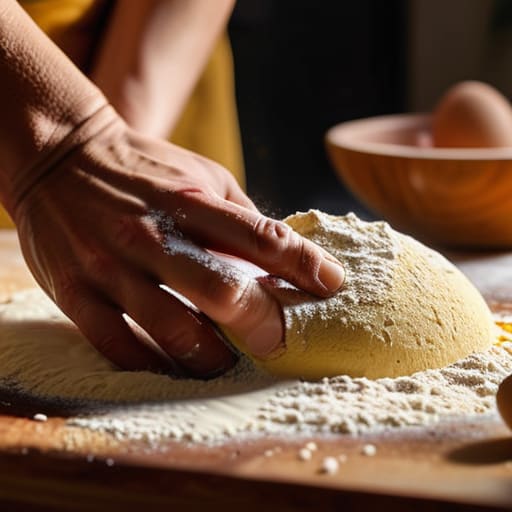
I remember a Tuesday morning back in ’94, about three hours into a shift, when I realized I’d run out of whole milk and the delivery truck was still hours away. I stood there in the flour dust, staring at a tray of brioche that suddenly felt like a crisis. Most of those glossy cookbooks would tell you that you’re doomed unless you run to the shop for that specific brand of cultured butter or high-protein flour, but that is absolute nonsense. Learning how to adapt a recipe to what you have isn’t about following a backup list of substitutions; it’s about understanding the logic of the dough so you don’t panic when the pantry looks thin. I’m not going to give you a list of “emergency swaps” that will leave your cake tasting like cardboard. Instead, I’m going to teach you how to look at your ingredients through the…
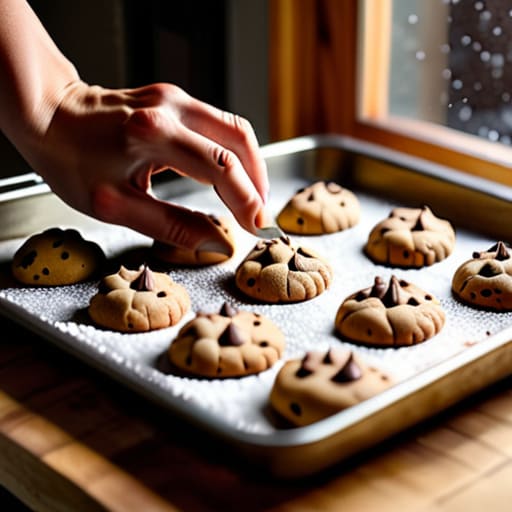
stop Chasing the Photograph: a Masterclass in Troubleshooting Common Cookie Baking Mistakes Through Touch, Temperature, and Temperament
I’ve spent thirty-four years watching people walk into my bakery, look at a tray of uneven, sad-looking biscuits, and immediately blame the recipe or start eyeing those expensive, “professional-grade” silicon mats. It’s a nonsense way to look at it. Most of the time, when you’re troubleshooting common cookie baking mistakes, the culprit isn’t a faulty ingredient or a bad book; it’s that your butter was a few degrees too soft, or you handled the dough with heavy, impatient hands that broke the structure before it even hit the heat. I’m not here to sell you a specialized gadget or tell you that you need a kitchen that looks like a laboratory to get results. I’m going to tell you why your dough behaved that way and how to listen to it next time. We are going to look at the physics of your kitchen—the temperature of your fats, the way…