I’ve spent more years than I care to count watching people tear their hair out over a collapsed sponge or a buttercream that’s turned into a greasy puddle, all because they followed a flashy video instead of understanding the science of their own kitchen. Most people think they need a professional pastry kitchen and a mountain of expensive gadgets to master this, but that is a lie. If you are looking for a complete guide to layer cakes that promises perfection through a magic ingredient or a specific brand of mixer, you can stop reading right now. A cake doesn’t care about your fancy equipment; it cares about the temperature of your butter and the steady rhythm of your hands.
I’m not here to sell you on a dream or show you a photograph that’s been airbrushed into submission. Instead, I’m going to give you the honest truth of how these structures actually hold together, from the crumb stability to the physics of stacking. We will talk in weights and percentages, because that is the only way to ensure your layers are even and your frosting behaves. This is my promise: I will teach you how to read your batter and respect the time it takes, so you can stop guessing and start baking with confidence.
Precision Over Photographs Mastering Cake Leveling Tools
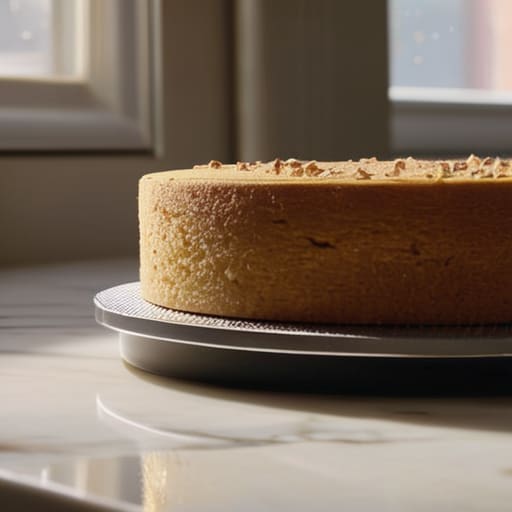
You can stare at a photograph of a perfectly straight, five-tier wedding cake all day, but that image won’t help you when your third layer starts to list like a ship in a storm. Most people think a lopsided cake is a failure of talent, but usually, it’s just a failure of physics. If your layers aren’t flat, your stack won’t be stable. You must invest in proper cake leveling tools—a serrated knife is fine for a Sunday sponge, but for anything serious, a rotating turntable and a professional cake leveler are your best friends. You aren’t just cutting off the “domes”; you are creating a foundation.
Once you have those flat surfaces, don’t rush the assembly. This is where the structural integrity of tiered cakes is won or lost. I’ve seen many a beautiful sponge collapse because someone skipped the crumb coat or ignored the necessity of a firm, chilled layer. A thin, tight coat of frosting acts as a sealant, trapping those loose crumbs so they don’t end up in your final finish. If you’re going high, remember that the weight of the top layers needs to be carried by something sturdier than sponge alone.
The Science of Structure Ensuring Structural Integrity of Tiered Cakes
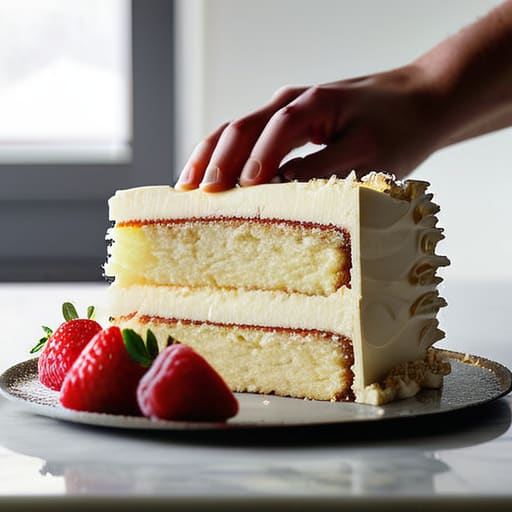
A cake that looks like a dream but leans like the Tower of Pisa is nothing more than a lesson in physics. When you move from a single sponge to multiple levels, you aren’t just decorating anymore; you are building. The most common mistake I see is people treating a tiered cake like a stack of pancakes, hoping the frosting will do the heavy lifting. It won’t. You must respect the structural integrity of tiered cakes by understanding that the weight of the top layers must be transferred directly to the cake board below, not through the delicate crumb of the bottom sponge.
This is where your internal architecture comes into play. You’ll need to master cake dowel placement—those sturdy little pillars that act as the skeleton of your creation. If you place them too far apart, the center will sag; too close, and you’ll tear the cake apart during assembly. I always tell my apprentices to think of it as a house: the frosting is the paint, but the dowels are the beams. Without that support, even the most expensive buttercream will eventually succumb to gravity.
Beyond the Visual Achieving Frosting Stability for Tiers
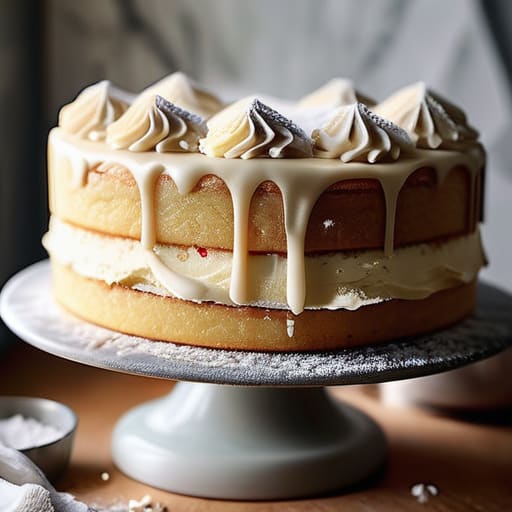
You can have the most level, structurally sound layers in the world, but if your frosting behaves like a melting candle, your cake is going to lean before the guests even arrive. When we talk about frosting stability for tiers, we aren’t just talking about how sweet it tastes; we are talking about the physics of fat and sugar. If you are using a high-ratio buttercream with too much liquid or a whipped cream that hasn’t been properly stabilized, that weight is going to migrate downward. I’ve seen beautiful cakes turn into a slow-motion landslide because the decorator chose a flavor profile that couldn’t handle the room temperature.
Before you even think about the final decorative flourish, you must respect the crumb coat importance. That thin, chilled layer of frosting isn’t just for aesthetics; it acts as a sealant, locking in the moisture and creating a grippy, stable foundation for your final coat. It keeps the crumbs from migrating into your smooth finish and, more importantly, it provides a uniform surface that helps the entire structure hold its shape. Don’t rush this; let that coat set firm in the fridge before you attempt any serious professional cake assembly.
The Foundation of Flavor Professional Cake Assembly Techniques
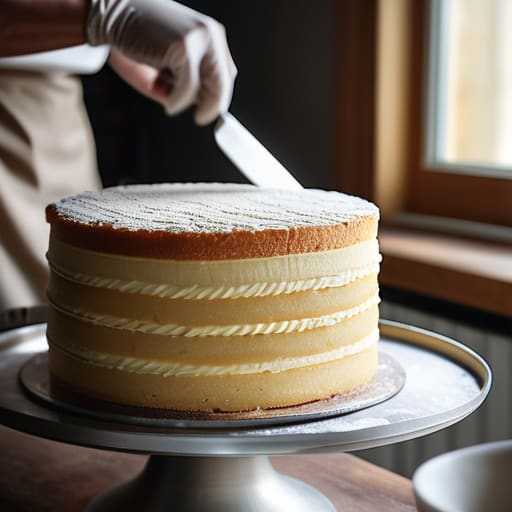
Once you have your layers leveled and your crumb is stable, you have to stop thinking about the cake as a dessert and start thinking about it as a construction project. Most people rush straight to the final layer of buttercream, but that is a recipe for a mess. You must respect the crumb coat importance; that thin, chilled layer of frosting isn’t just for show, it’s the sealant that traps the loose bits so they don’t ruin your final finish. If you skip this, you’ll spend three hours trying to smooth out crumbs that shouldn’t have been there in the first place.
When you move into professional cake assembly, especially if you are stacking, you cannot rely on the cake’s own strength. I’ve seen too many beautiful creations lean like the Tower of Pisa because someone forgot the internal support. Precise cake dowel placement is what keeps the weight of the top tier from crushing the delicate sponge beneath it. It’s about creating a hidden skeleton. If the foundation is honest, the decorating becomes the easy part.
The Baker’s Intuition: Five Truths They Don't Teach in the Glossy Magazines
- Temperature is your silent partner; never attempt to frost a cake that still holds the ghost of the oven’s heat, or you’ll find your beautiful buttercream turning into a weeping mess before you’ve even reached the second tier.
- Stop trusting the timer and start trusting your touch; a cake is done when the springback is firm and the crumb feels set, not just because a digital beep told you to stop.
- Respect the crumb’s rest period; if you try to level or slice a cake the moment it leaves the pan, you aren’t baking, you’re just tearing apart what you worked so hard to build.
- Weight is the only language that doesn’t lie, so if you’re scaling your batter for different pan sizes, use a scale to ensure your bottom tier has the actual mass required to support the weight above it.
- Patience with the chill is non-negotiable; a quick trip to the freezer might seem like a shortcut, but a properly chilled cake in the refrigerator is what gives you the structural stability to stack without a prayer.
The Baker's Truth: Three Things to Carry With You
Stop trusting your eyes and start trusting your scale; a cake that looks right in a photo can still be structurally unsound if the crumb is too coarse or the hydration is off.
Temperature is your invisible ingredient, because no amount of precise leveling will save a cake that was stacked while the sponge was still breathing heat.
Respect the architecture of the build, knowing that a tiered masterpiece isn’t won in the decoration, but in the quiet, steady work of ensuring every layer has the support it needs to stand.
The Baker's Final Word
At the end of the day, a successful tiered cake isn’t built on luck; it is built on the marriage of physics and patience. We’ve talked about leveling your layers so they don’t lean like a tired traveler, ensuring your crumb has the structural strength to hold its own weight, and choosing a frosting that won’t surrender to the heat of a busy kitchen. If you’ve measured your ingredients by weight and respected the temperature of your butter, you have already done the hardest part of the work. Remember, a cake that tilts slightly or a crumb that isn’t perfectly uniform isn’t a failure—it is simply a sign that real food was made by human hands rather than a machine.
Don’t let the fear of a collapsed tier keep you from picking up the spatula. You will have days where the kitchen is too humid or your hands are a bit too heavy, and the cake won’t look like the glossy picture in a magazine. That is perfectly fine. Baking is a conversation between you, your ingredients, and the air around you. Once you stop chasing the impossible perfection of a photograph and start listening to how the batter feels and how the sponge responds, you will find your own rhythm. Now, clean your station, set your timers, and go make something beautiful.
Frequently Asked Questions
My layers keep doming in the center and making my stack lean; is it a problem with my oven temperature or my mixing method?
It’s rarely just one thing, but if your cakes are doming and leaning, you’re likely fighting a battle between heat and aeration. If your oven is too hot, the edges set while the center keeps rising, creating that mountain. But if you’re over-mixing your batter, you’re trapping too much air, which causes a violent, uneven lift. Check your oven temp first, but watch your hands; don’t beat the life out of the batter.
I’ve tried using different buttercream weights, but my tiers still seem to bulge at the sides after a few hours—how do I know if my frosting is actually stable enough?
If your sides are bulging, your buttercream is likely too soft or your cake is still breathing heat. Don’t just look at the weight; look at the temperature. A stable buttercream should hold a stiff, sharp peak when whipped, feeling like heavy cream rather than soup. If it’s weeping or sliding, your kitchen is too warm or you’ve over-aerated it. Let the layers chill thoroughly before stacking; a warm cake is a structural disaster.
If I’m working in a kitchen that’s particularly humid or drafty, how much should I adjust my assembly timing to keep the structure from shifting?
If your kitchen is drafty, your butter-based frostings will set too fast, making them impossible to smooth. If it’s humid, that same frosting will weep and slide right off the tiers. In a drafty room, work faster and keep your crumb coats thin. In humidity, you must slow down; give the layers more time to chill in the fridge between stages. Don’t fight the air—adjust your pace to match it.