
Baking Ahead for a Day You Cannot Bake
I spent thirty-four years waking up at four in the morning to the sound of flour hitting wooden bowls, and if those years taught me anything, it’s that most modern advice on how to bake ahead is absolute nonsense. You see these glossy magazines telling you to freeze dough in plastic tubs or use “specialized” airtight containers as if the bread’s soul depends on the brand of plastic you buy. They make it sound like a science experiment involving expensive gadgets, when in reality, most people fail because they try to outsmart the clock. They treat the dough like a chore to be finished rather than a living thing that needs to breathe, and frankly, it’s exhausting to watch. I’m not here to sell you a new gadget or a complicated schedule that requires you to live in your kitchen. I want to show you how to work with the…
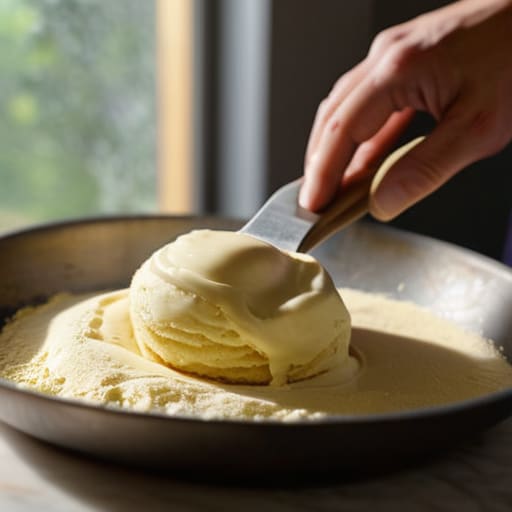
Forget the Measuring Cups and the Frantic Rush: a Masterclass on How to Bake a Sponge Cake From Scratch Through Patience and Precision.
You’ve likely seen those glossy, perfect sponge cakes on your screen and thought the secret was a fancy stand mixer or a specific brand of expensive flour, but that is a lie. Most people fail at learning how to bake a sponge cake from scratch because they focus on the ingredients instead of the physics of the air trapped within them. I remember a young apprentice in my shop thirty years ago who followed a recipe to the gram, yet ended up with a heavy, rubbery disc that sat in the bin like a stone; she hadn’t failed the recipe, she had simply bullied the eggs. A sponge isn’t a list of items; it is a delicate architecture of bubbles that requires a gentle hand and a keen eye for the batter’s weight. I am not here to give you a list of pretty pictures or tell you to “mix…
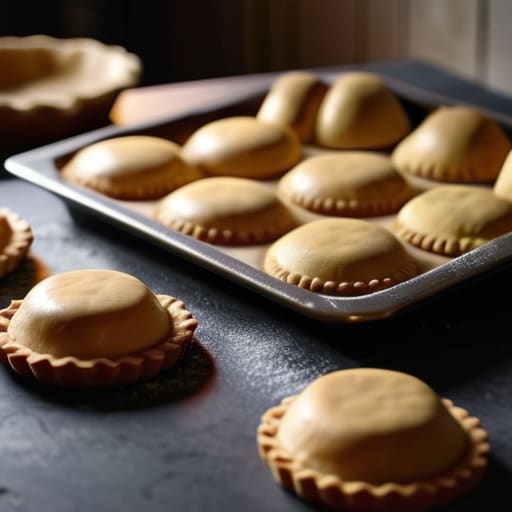
Blind Baking So the Base Is Actually Cooked
I can still see that first tart I ever pulled from the oven—a soggy, weeping mess that looked more like a puddle than a pastry. I had followed every “expert” tip online, using expensive silicone mats and fancy specialized tools, yet the bottom was as limp as wet paper. It’s a common frustration because most people treat blind baking like a magic trick rather than a lesson in physics. They think if they buy the right gadget, they’ve mastered the art, but they forget that knowing how to blind bake properly is actually about managing heat and moisture, not collecting more kitchen clutter. I’m not going to waste your time with complicated gadgets or “hacks” that only serve to clutter your cupboards. Instead, I’m going to tell you what’s actually happening to that fat and flour when the heat hits it. We are going to talk about weight, temperature, and…
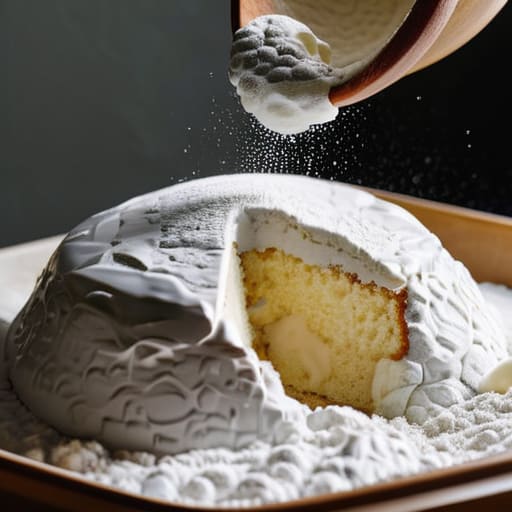
Stop Relying on Intuition and Start Relying on Chemistry: the Fundamental Difference Between Baking Soda and Baking Powder That Determines Whether Your Crumb Rises or Collapses.
I remember a Tuesday morning back in ’94, around four in the morning, when a young apprentice nearly ruined a batch of lemon sponges because she thought she could swap one leavening agent for the other just to save a trip to the pantry. She looked at me with those wide, panicked eyes, and I had to explain that baking isn’t a game of “close enough.” If you don’t understand the fundamental difference between baking soda and baking powder, you aren’t just risking a flat cake; you’re fighting against the very chemistry of your kitchen. One needs an acid to wake it up, and the other is already prepared to do the work, and treating them as interchangeable is a recipe for bitter flavors and heavy crumbs. Now, if you find yourself getting truly tangled up in the mechanics of how these ingredients behave in different climates or even just…
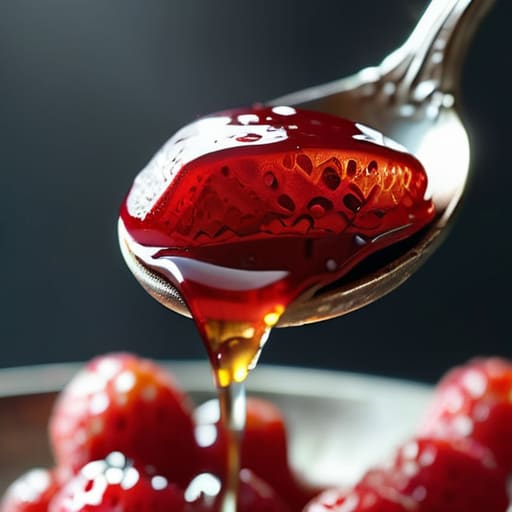
Testing for a Set Without a Thermometer
I remember sitting in my shop kitchen at five in the morning, watching a batch of strawberry preserves turn into nothing more than a sad, runny syrup that refused to hold its shape on a piece of toast. I felt like a failure, even after thirty years of flour under my fingernails, convinced I’d somehow broken the fruit. But the truth is, most people struggle with how to make jam that sets not because they lack talent, but because they are following recipes that treat cooking like a math equation rather than a conversation with heat. They buy expensive commercial pectins and follow rigid checklists, only to end up with something that tastes like a chemistry experiment or, worse, a puddle of sugar water. I am not going to give you a list of expensive additives or tell you that you need a laboratory to succeed. Instead, I’m going to…
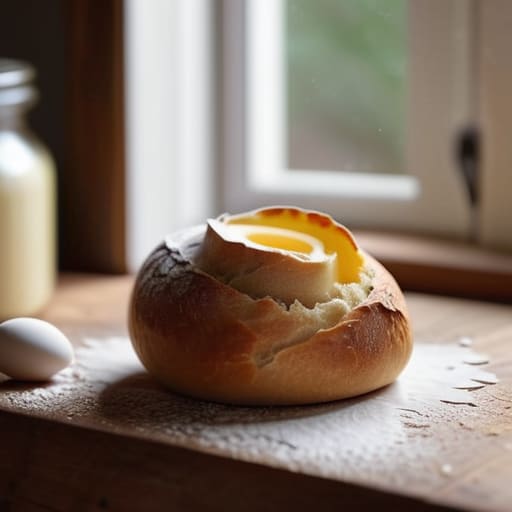
Baking for One or Two Without Waste
I spent thirty-four years watching people try to scale down recipes by grabbing a handful of flour and a “generous” scoop of a measuring cup, only to end up with a gummy, heavy mess that wouldn’t rise if you begged it. There is this ridiculous notion in modern baking blogs that you need specialized, miniature equipment or some expensive little gadget to master how to bake in small batches. It’s nonsense. When you are working with a tiny amount of dough, the margin for error vanishes; a few grams too much water or a minute too long on the knead isn’t just a slight deviation, it is the difference between a loaf and a brick. I’m not here to sell you a tiny rolling pin or a boutique silicone mold. I’m going to show you how to respect the math and the mechanics of a smaller dough mass using nothing…
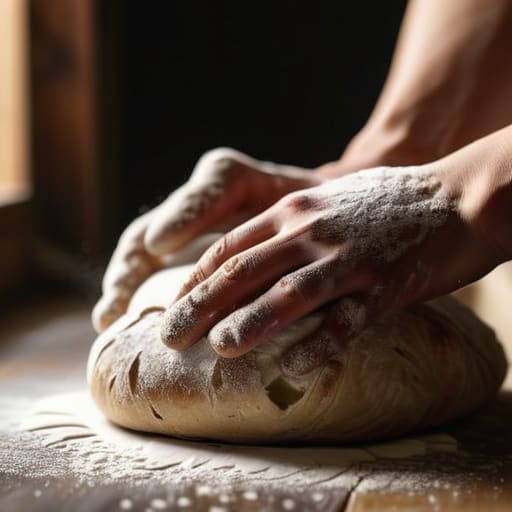
stop Rushing the Ritual: the Common Mistakes When Kneading Bread Dough That Are Ruining Your Patience and Your Crust
I remember a young man who came into my shop years ago, clutching a fancy stand mixer like it was a holy relic and looking absolutely defeated. He’d followed every high-tech instruction in his glossy cookbook, yet his loaves came out looking like dense, grey bricks. He was so focused on the mechanical speed of his machine that he completely missed the rhythm of the dough under his palms. Most people think they need expensive gadgets to master the craft, but they end up making the same common mistakes when kneading bread dough simply because they’ve stopped listening to what the flour is actually telling them. I’m not here to sell you a specialized silicon spatula or a motorized miracle; I’m here to tell you how to use your hands. In the following pages, I’m going to strip away the jargon and show you exactly where your technique is likely…
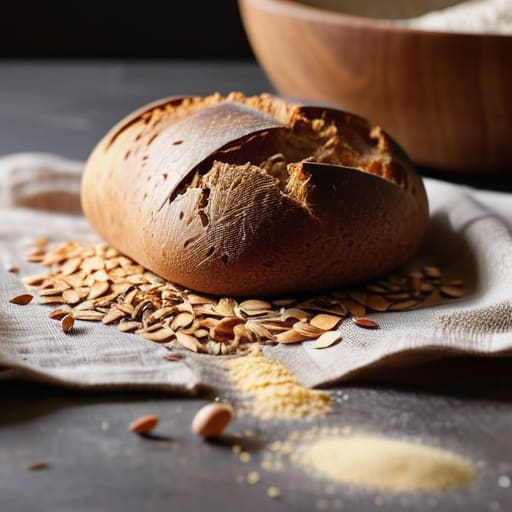
The Complete Guide to Baking for Allergies
I remember a Tuesday morning about fifteen years ago, standing in my shop with a tray of almond croissants that smelled like heaven, only to have a mother walk in with eyes full of tears because her son couldn’t touch a single thing on my cooling racks. It was a sharp, stinging realization that all the skill in the world doesn’t mean a thing if you aren’t accounting for the people sitting at your table. Most people think a complete guide to allergy aware baking means buying a dozen expensive, pre-packaged “free-from” mixes that taste like sweetened cardboard, but they’ve got it all wrong. I’m not here to sell you on fancy, processed substitutes that ruin the crumb of your bread or leave your cakes feeling like wet sand. Instead, I’m going to show you how to respect the science of substitution by focusing on what actually matters: ratios, hydration,…
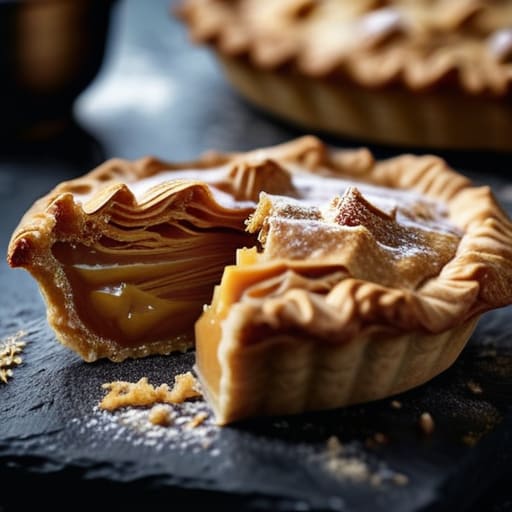
Shortcrust That Is Tender Instead of Tough
I spent thirty-four years watching people walk into my shop and ask for “secret” pastry techniques, as if there’s some magic powder you can buy to fix a dough that’s been worked into a rubbery mess. Most of those fancy cookbooks will tell you that you need a chilled marble slab or a specialized pastry cutter to master the craft, but that’s just nonsense designed to sell more gadgets. If you are struggling with how to make shortcrust that actually flakes instead of crumbling into sad, sandy dust, the problem isn’t your equipment—it’s your patience and the heat coming off your own palms. I’m not going to give you a list of “golden rules” that ignore the reality of a warm kitchen. Instead, I’m going to teach you to listen to the dough. We are going to talk about the exact ratio of fat to flour—and yes, we are using…
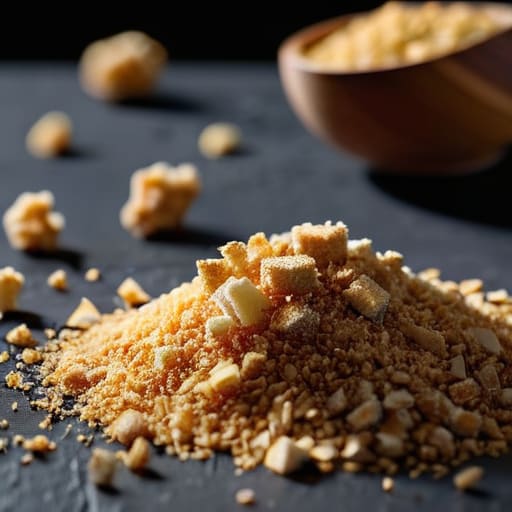
Fresh and Dried Crumbs Are Different Ingredients
I spent thirty-four years watching people treat breadcrumbs like an afterthought, or worse, something you should buy in a plastic shaker from a supermarket aisle. They’ll tell you that any old crust will do, but if you’ve ever tried to coat a cutlet in those dusty, flavorless granules, you know they’re a disappointment. Most people struggle with how to make breadcrumbs properly because they think it’s about the grinding, when it’s actually about the moisture content of the loaf you start with. If you use bread that’s still too soft, you aren’t making crumbs; you’re making a gummy paste that will stick to your pan like glue. I’m not here to give you a fancy culinary lecture or tell you to buy a specialized electric processor. I want to teach you how to respect the grain by using what you have in the pantry. I’ll show you why a day-old…