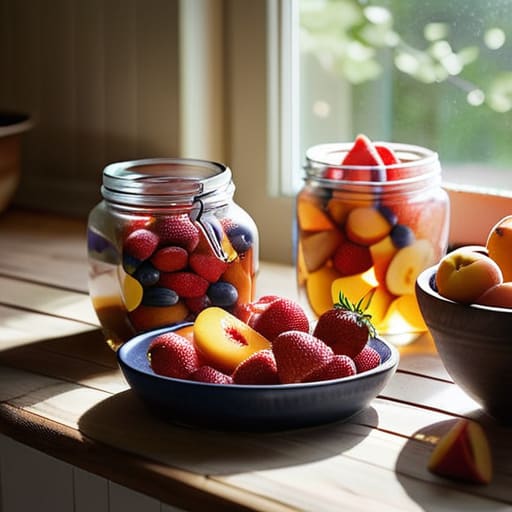
Putting Summer Fruit Away Properly
I remember standing in my kitchen at five in the morning, thirty years ago, surrounded by crates of peaches so ripe they practically bruised if you looked at them too hard. Back then, there were no fancy vacuum sealers or expensive gadgetry to save the harvest; there was just the heat of the stove, the scent of bubbling sugar, and the heavy weight of the fruit. People today make it far too complicated, buying all sorts of contraptions when they should be focusing on the fruit itself. If you want to learn how to preserve fruit for later, you don’t need a laboratory; you need to understand that fruit is a living thing that demands respect for its timing. I’m not here to sell you on a complicated system or a kitchen gadget that will sit in your drawer gathering dust. I’m going to show you how to work with…
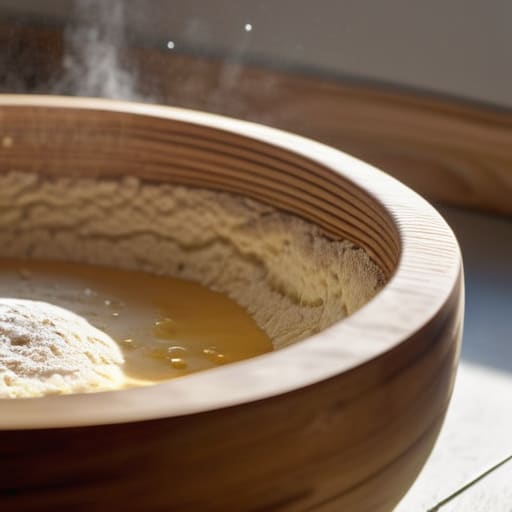
Stop Rushing the Rise: the Crucial Difference Between Yeast and Baking Powder That Your Recipe Won’t Tell You
I remember a Tuesday morning, back when my shoulders didn’t ache quite so much, watching a young apprentice stare in absolute horror at a tray of heavy, leaden scones. She had tried to swap my sourdough starter for a packet of instant granules because she was in a rush, and she’d ended up with something closer to a brick than a breakfast. That’s the trouble with most modern baking advice; it treats ingredients like interchangeable commodities rather than what they actually are. If you don’t respect the fundamental difference between yeast and baking powder, you aren’t really baking—you’re just performing a chemistry experiment that’s bound to fail. Now, if you find yourself getting muddled when you’re staring at a cupboard full of different powders and packets, don’t beat yourself up; even after thirty years, I still have moments where I have to pause and think. Sometimes, when the kitchen gets…
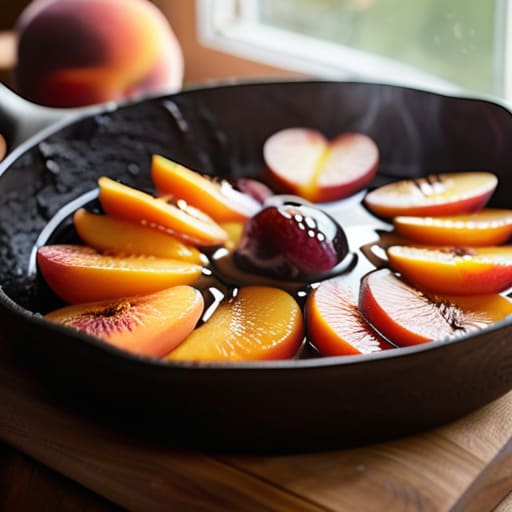
Cooking Fruit at Its Actual Peak
I spent thirty-four years watching people walk into my bakery and ask for strawberries in the middle of a biting January, as if a little bit of sugar and a heated greenhouse could ever replace the real thing. They want that bright, red perfection year-round, but they don’t realize they’re just paying for hollow flavor and a texture like wet cardboard. If you want to learn how to use seasonal fruit well, you have to stop fighting the calendar and start listening to what the earth is actually offering you. There is no point in forcing a recipe to work with fruit that hasn’t even begun to wake up yet. I’m not here to sell you on fancy gadgets or expensive imported preserves that mask a mediocre harvest. Instead, I want to teach you how to recognize the exact moment a peach transitions from hard as a stone to something…
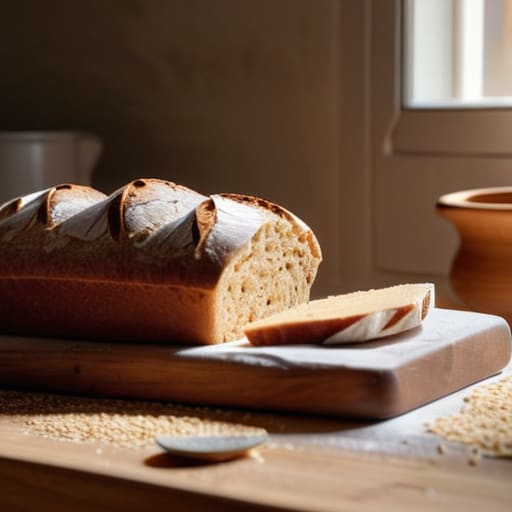
The Complete Guide to Gluten Free Baking
I’ve spent thirty-four years watching people treat gluten-free baking like some sort of dark magic or a high-priced science experiment that requires a laboratory to master. They’ll hand you a bag of expensive, pre-mixed flour and tell you it’s a miracle, but when your loaf comes out looking like a dense, sandy brick, they won’t tell you why. Most of these online tutorials are nothing more than a collection of pretty photographs that ignore the reality of how moisture and starch actually behave. If you are looking for a complete guide to gluten free baking that relies on fancy additives and “magic” ingredients to fix a lack of structure, you’ve come to the wrong kitchen. I’m not here to sell you a proprietary blend or a way to pretend you’re making wheat bread. I want to teach you how to understand the ratios and the hydration so you can actually…
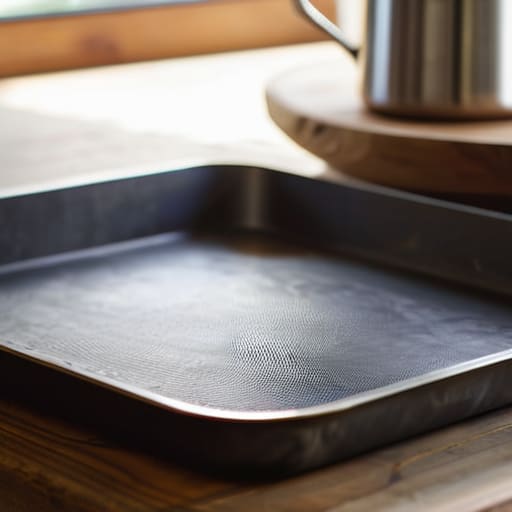
Never Scrub a Well-used Tray
I can still smell the singed sugar and heavy flour dust from my old shop, but what I remember most isn’t the scent—it’s the sound of a heavy tin hitting the scrub board too hard. I’ve seen too many people spend a fortune on “specialty” non-stick sprays and designer cleaning kits, thinking they can buy their way out of basic maintenance. It’s nonsense. If you want to know how to look after baking tins and trays, you don’t need a chemistry set; you need to understand that your tools are living things that respond to how you treat them. A tin isn’t just a piece of metal; it’s the foundation of your crust, and if you treat it like a piece of disposable plastic, it will behave like one. I’m not here to sell you a miracle cleanser or a subscription to a gadget club. I am going to tell…
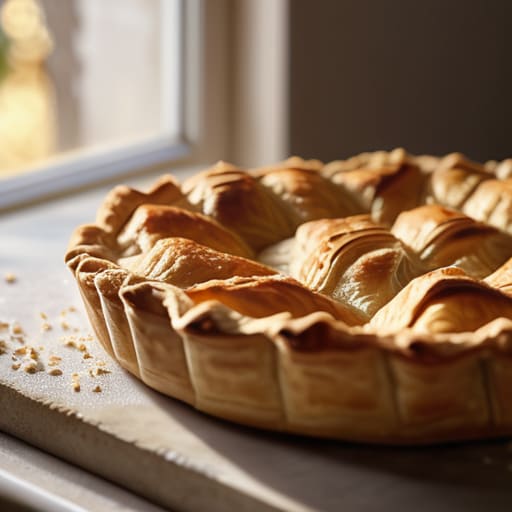
Rough Puff for When You Have an Hour
I spent thirty-four years watching people treat pastry like a high-stakes chemistry experiment, sweating over every millimeter of dough as if a single degree of warmth would ruin their lives. They buy those expensive, specialized pastry cutters and specialized marble slabs, convinced that the secret to a good tart lies in the gear rather than the hands. But if you’re sitting there wondering how rough puff compares to the traditional, labor-intensive method, let me tell you something: most of that fuss is just exhaustion disguised as technique. People get so caught up in the pursuit of textbook, razor-thin lamination that they forget we actually want to eat the thing, not just admire its geometry. I’m not here to give you a lecture on perfection or sell you a fancy kit you don’t need. Instead, I’m going to tell you exactly what happens when you stop trying to control the butter…
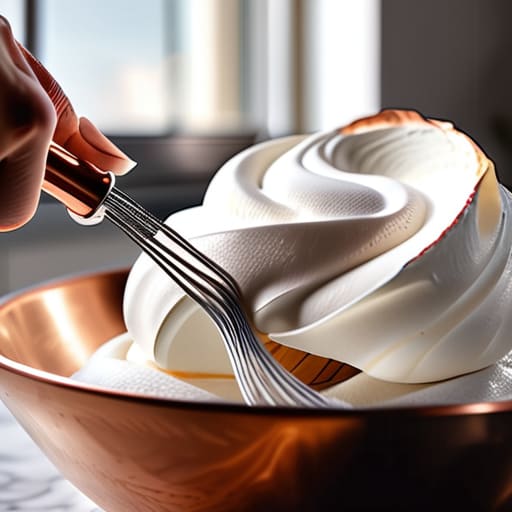
Stop Chasing the Photograph and Start Feeling the Peaks: Why Understanding Different Methods for Whipping Perfect Meringue Is the Difference Between a Collapse and a Masterpiece.
I remember standing in my shop at five in the morning, the flour dust dancing in the dim light, watching a young apprentice try to fix a weeping, soupy mess of egg whites by simply turning the mixer up to a higher speed. He thought he could bully the air into the proteins, but you cannot intimidate a meringue into submission. People spend far too much money on specialized gadgets and “secret” stabilizer powders, convinced that the right equipment is the only way to master different methods for whipping perfect meringue. The truth is, whether you are using a copper bowl or a heavy-duty stand mixer, the physics of the egg doesn’t change just because you bought a more expensive whisk. Now, if you find yourself staring at a bowl of weeping, watery whites and wondering where the life went, don’t go reaching for a new whisk or a faster…
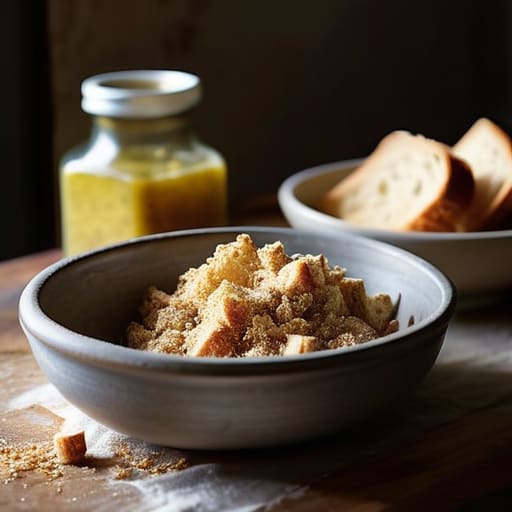
Nothing Here Ever Went in the Bin
I remember those four a.m. starts in the village bakery, the air thick with flour dust and the scent of yeast, when a batch of sourdough didn’t rise quite right. Most people see a crust that’s gone stubborn and think it’s a failure, a waste of flour and water that belongs in the bin. They’ll tell you that you need some fancy, processed breadcrumbs or a complicated recipe to make it work, but that’s nonsense. Learning how to use stale bread isn’t about finding a way to hide a mistake; it’s about understanding that a loaf that’s lost its spring is actually just waiting for a second act. I’m not going to give you a list of complicated, ingredient-heavy recipes that require a trip to a specialty grocer. Instead, I’m going to show you how to respect the grain by using what you already have. We’ll talk about the difference…
Pairing Sweet With Sweet, Carefully
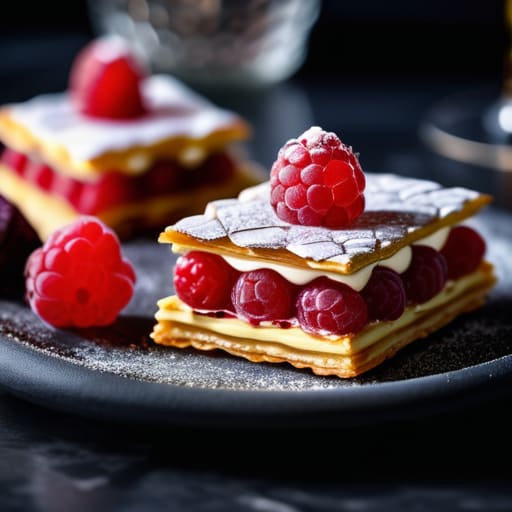
I’ve spent thirty-four years watching people approach a table with more ceremony than sense, treating a simple sweet course like a high-stakes chemistry exam. You’ll see them staring at a wine list, paralyzed by the fear of making a “wrong” choice, as if a slightly mismatched glass of Port is going to ruin their entire evening. They listen to those expensive, polished experts who talk about “notes of toasted oak” and “floral undertones” until your ears ring, but they rarely tell you the truth about how to pair dessert with drinks in a way that actually matters. Most of that high-society nonsense ignores the most basic rule of the table: if the drink is fighting the sugar instead of dancing with it, you’ve wasted both the bottle and the bake. I’m not here to teach you how to impress a sommelier; I’m here to tell you how to actually enjoy…
The Six Things Worth Buying First
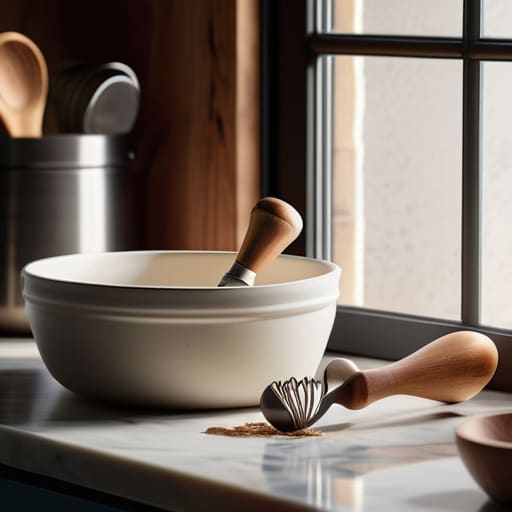
I’ve spent thirty-four years watching people walk into kitchen supply stores and walk out with a drawer full of silicone gadgets that promise “perfection” but do nothing but take up space. They buy expensive, flashing digital thermometers and specialized rolling pins for every conceivable pastry, thinking that a shiny new tool will somehow fix a dough that hasn’t been given enough time to rest. If you’re looking for a magic wand in a box, you’re in the wrong place; learning how to choose baking equipment isn’t about finding the most expensive item on the shelf, it’s about finding the tools that actually work with the ingredients rather than against them. I am not here to sell you on the latest trend or a gadget that requires a specialized battery. Instead, I’m going to tell you which tools are worth your hard-earned money and which ones are just expensive clutter. We…