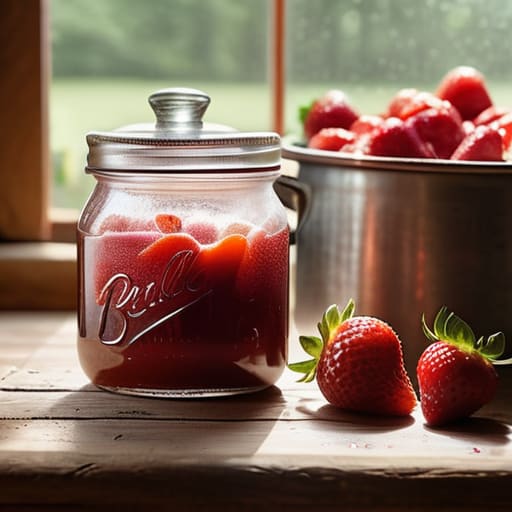
The Complete Guide to Jam Making
I spent thirty-four years watching people walk into my bakery looking for perfection in a box, and I see the same thing happening online with every “complete guide to jam making” that claims you need a laboratory of specialized pectin powders and expensive copper preserves pans to succeed. It’s nonsense. Most of these guides treat fruit like a chemistry experiment rather than a living thing, and they’ll leave you staring at a runny, syrupy mess while telling you that you simply didn’t follow the instructions. The truth is, your jam didn’t fail because you lacked a fancy gadget; it failed because you didn’t respect the relationship between heat and sugar, or you tried to force the fruit to set before it had truly surrendered its soul to the pot. I’m not here to sell you on expensive additives or complicated gadgets that will only gather dust in your pantry. Instead,…
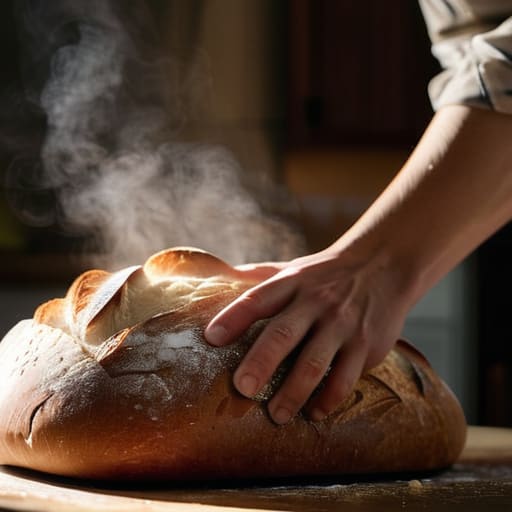
Bringing Yesterday’s Loaf Back for Ten Minutes
I’ve spent thirty-four years watching people treat a slightly stiff baguette like a personal tragedy, often reaching for expensive “bread revitalizers” or, heaven forbid, tossing a perfectly good loaf into the bin because it’s lost its suppleness. It’s a ridiculous waste of flour and effort. Most people think they need a miracle to fix a hard crust, but learning how to refresh day old bread isn’t about magic or fancy gadgets; it’s about understanding that bread is a living thing that simply loses its moisture to the air. If you’ve ever stared at a sourdough boule that feels more like a brick than a breakfast, I want you to stop feeling guilty and start looking at your kitchen environment instead. I’m not going to give you a list of complicated culinary tricks that require a chemistry degree. Instead, I’m going to show you how to use a little bit of…
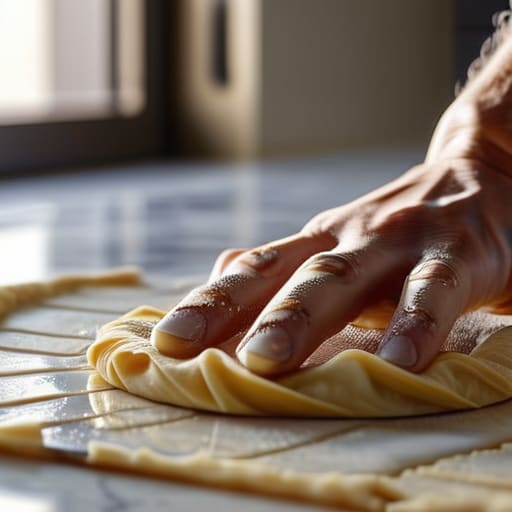
Lamination and Why Temperature Is Everything
If you’ve spent any time scrolling through those glossy recipe sites, you’ve likely been told that learning how to make puff pastry requires a degree in pastry arts or a kitchen full of expensive, specialized equipment. They make it sound like some mystical, unreachable alchemy, often burying the truth under a mountain of “pro tips” that involve nothing more than making your life difficult for the sake of a pretty photograph. Let me tell you something: puff pastry isn’t a secret, it’s just a matter of temperature and discipline. Most people fail not because they lack talent, but because they treat the dough like a chore to be rushed rather than a living thing that needs to stay cold. I’m not going to give you a list of fancy gadgets or tell you to buy imported butter that costs more than your electricity bill. Instead, I’m going to show you…
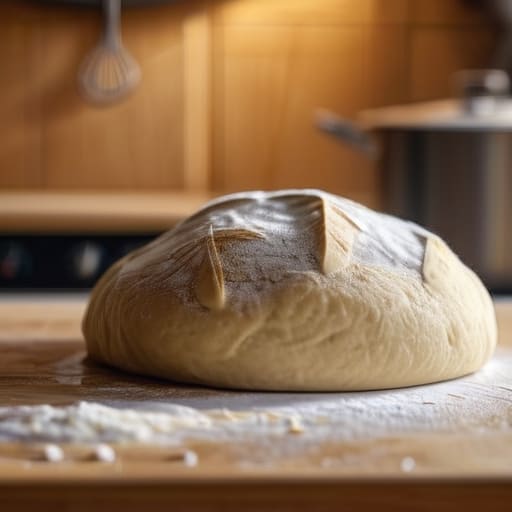
Freezing Dough at the Right Stage
I remember standing in my shop at four in the morning, the air smelling of yeast and damp flour, looking at a mountain of dough that had fermented just a little too well for the morning rush. I used to think that if I didn’t use it immediately, I was wasting the life I’d breathed into it. But after thirty-four years of watching dough behave like a living, breathing creature, I’ve learned that you don’t have to be a slave to the clock. People make how to freeze dough sound like some high-stakes laboratory experiment involving vacuum sealers and expensive gadgets, but they’re making it far too complicated. I’m not here to give you a list of fancy equipment you don’t need; I’m here to tell you how to respect the fermentation while it sleeps. We are going to talk about the actual physics of it—how to protect your hydration…
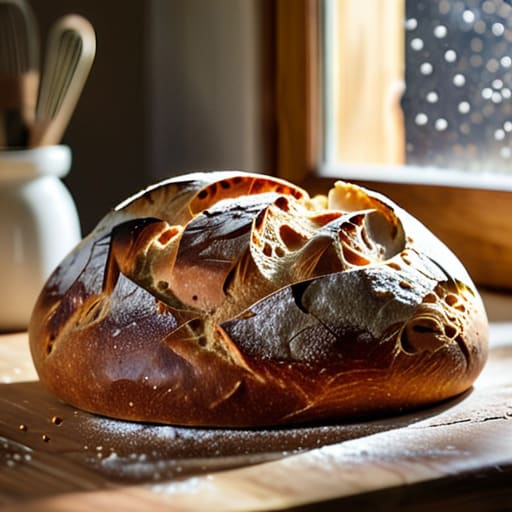
Stop Chasing Perfection and Start Trusting the Dough: Honest, Easy Recipes for Quick No Knead Bread
People will tell you that if you want a decent loaf, you have to spend your entire morning wrestling with a ball of dough on a floured counter, but they are lying to you. The truth is that most people fail at easy recipes for quick no knead bread not because they lack strength, but because they try to force the dough to behave like a machine. I spent thirty-four years watching dough rise in a bakery where the only clock we trusted was the feeling in our palms and the smell in the air. You don’t need a heavy stand mixer or an hour of frantic kneading to get a good crust; you just need to stop fighting the natural rhythm of the fermentation. Now, if you find yourself staring at a dough that just won’t cooperate, don’t go throwing your flour at the wall just yet; usually, it’s…
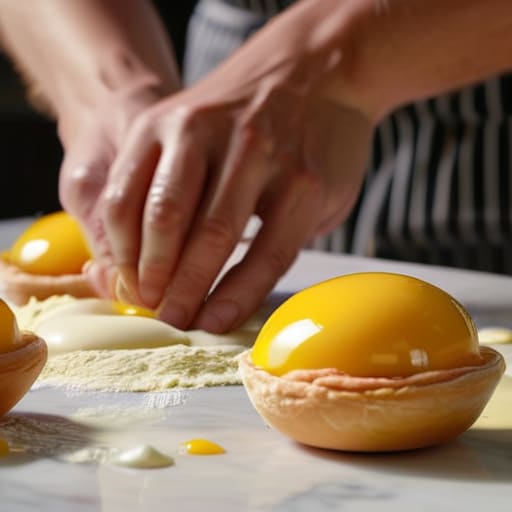
Choux: Dry the Paste, Then Add Eggs Slowly
Everyone tells you that if your éclairs come out flat and sad, you simply didn’t follow the recipe, but that is a lie. I spent my first few years in the bakery watching young apprentices weep over heavy, sodden shells, and I can tell you that the fault almost never lies in the measurements. If you are struggling with how to make choux pastry that actually holds its shape, it isn’t because you used the wrong brand of flour; it is because your panade wasn’t dried long enough on the heat, or your kitchen was too drafty for the steam to do its work. Choux isn’t a chemistry experiment you can set and forget; it is a dance of temperature and moisture that requires you to pay attention to the pot, not just the page. I am not here to give you a list of pretty pictures or a “foolproof”…
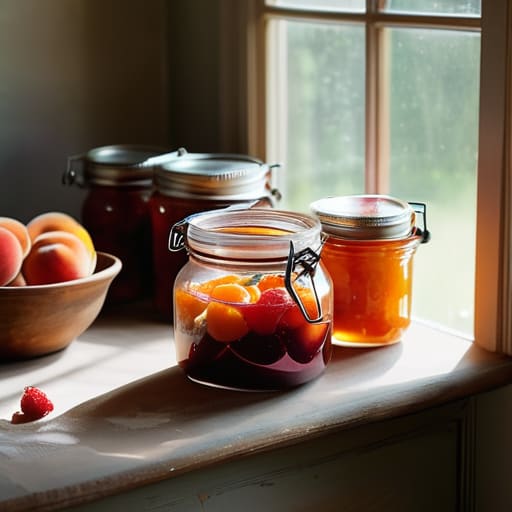
The Complete Guide to Preserving Fruit
I remember standing in the back of my bakery at five in the morning, the air thick with the scent of yeast and the sticky, cloying sweetness of overripe peaches that had sat on the counter just a day too long. It used to break my heart to see such vibrant life go to waste because I hadn’t mastered the timing. Most people will tell you that you need a laboratory of specialized vacuum sealers and expensive, boutique pectin to save the season, but that is a load of nonsense. If you are looking for a complete guide to preserving fruit that relies on gadgets rather than your own senses, you’ve come to the wrong place; fruit is a living thing, and if you ignore the temperature of your kitchen or the ripeness of the harvest, you aren’t preserving it—you’re just watching it rot. I’m not here to sell you…
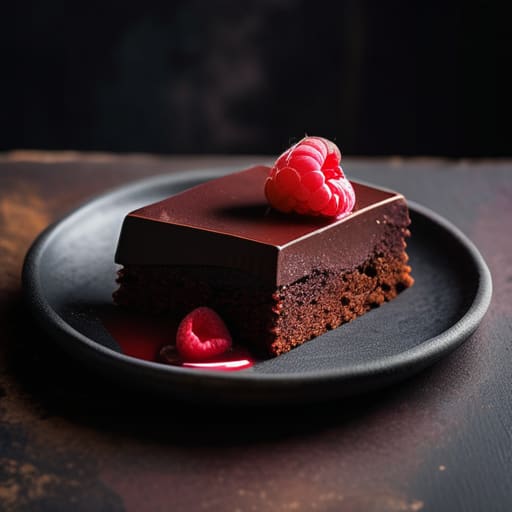
Plating Without Tweezers
I spent thirty-four years watching people try to hide mediocre pastry behind a frantic mountain of mint leaves, edible flowers, and unnecessary chocolate drizzles that look more like an accident than an art form. It’s a common delusion that more is better, but if you’re staring at a plate wondering how to plate a dessert simply without it looking like you just forgot the garnish, you’re already ahead of the crowd. Most of those glossy magazine photos are lying to you; they use tweezers and expensive lighting to mask a lack of soul. A dessert shouldn’t need a theatrical production just to be served; it needs to be respected. I’m not going to give you a list of fancy tools or tell you to buy gold leaf you can’t afford. Instead, I’m going to show you how to use space, temperature, and intention to let the actual work—the crumb, the…
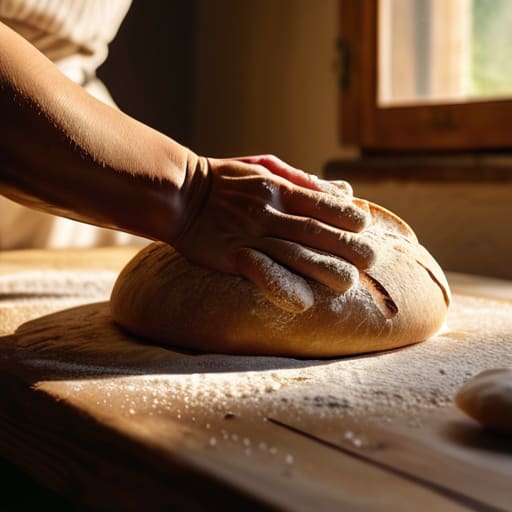
Everything Here Was Made by Hand for Decades
I spent thirty-four years listening to the relentless, high-pitched whine of industrial mixers at four in the morning, and if there is one thing I’ve learned, it’s that the machine is often just a way to avoid actually feeling your bread. People will try to sell you expensive stand mixers or complicated gadgets, claiming they are the only way to get a decent crumb, but they are lying to you. Most of those fancy machines actually strip the life out of the dough because they do all the work without any of the intuition. If you are wondering how to bake without a mixer, you aren’t looking for a shortcut; you are looking to reconnect with the flour and the water. I’m not going to give you a list of “hacks” or tell you to use a whisk like it’s some magical wand. Instead, I’m going to teach you how…

The 7 Best Essential Tools for Professional Cake Decorating
I’ve spent more years than I care to count watching people buy every shiny, gadget-filled contraption thrown at them by late-night infomercials, only to end up with a cake that looks more like a battlefield than a centerpiece. They think a fancy machine will fix a lack of technique, but a tool is only as good as the hand holding it. If you want to move past the amateur stage, you have to stop collecting toys and start investing in the essential tools for professional cake decorating that actually respond to your touch. It isn’t about having the most expensive kit on the shelf; it is about having the right weight in your hand when you’re trying to smooth a buttercream that’s just a hair too warm. In the following list, I’m stripping away the fluff to show you the seven items that actually matter. We aren’t looking at decorative…