I spent thirty-four years watching people try to hide mediocre pastry behind a frantic mountain of mint leaves, edible flowers, and unnecessary chocolate drizzles that look more like an accident than an art form. It’s a common delusion that more is better, but if you’re staring at a plate wondering how to plate a dessert simply without it looking like you just forgot the garnish, you’re already ahead of the crowd. Most of those glossy magazine photos are lying to you; they use tweezers and expensive lighting to mask a lack of soul. A dessert shouldn’t need a theatrical production just to be served; it needs to be respected.
I’m not going to give you a list of fancy tools or tell you to buy gold leaf you can’t afford. Instead, I’m going to show you how to use space, temperature, and intention to let the actual work—the crumb, the cream, the crust—take center stage. We are going to focus on purposeful placement and the quiet confidence of a clean plate. By the time we’re done, you’ll realize that the most elegant thing you can do is get out of the way and let the flavors speak for themselves.
Mastering Minimalist Dessert Presentation Through Restraint
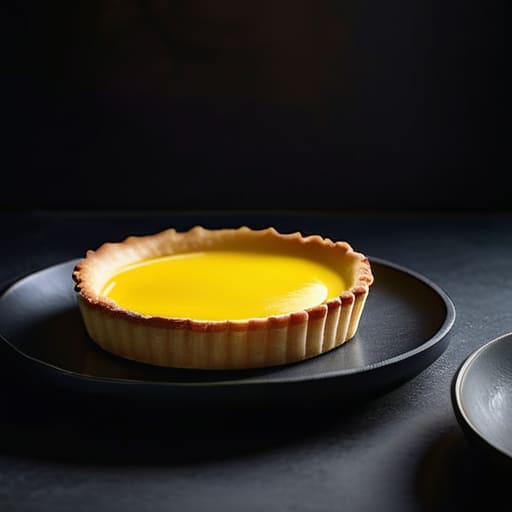
Restraint isn’t about having nothing to say; it’s about knowing when to stop talking. I spent three decades watching people try to bury a perfectly good lemon tart under a mountain of unnecessary spun sugar and mint leaves, and frankly, it broke my heart. When you are practicing minimalist dessert presentation, you have to trust that the component you worked so hard on—the crumb, the custard, the crust—is actually worth looking at. If the texture is right, you don’t need a forest of garnishes to distract the eye.
The secret lies in using negative space in food styling to give your dessert room to breathe. Think of your plate like a quiet room; if you cram every corner with crumbs and coulis, the guest feels claustrophobic before they’ve even picked up a spoon. Instead, place your main element slightly off-center. Let the emptiness of the porcelain act as a frame. It draws the eye exactly where you want it: to the heart of the dish. Don’t fear the blank space; it’s where the elegance lives.
Using Negative Space in Food Styling With Intention
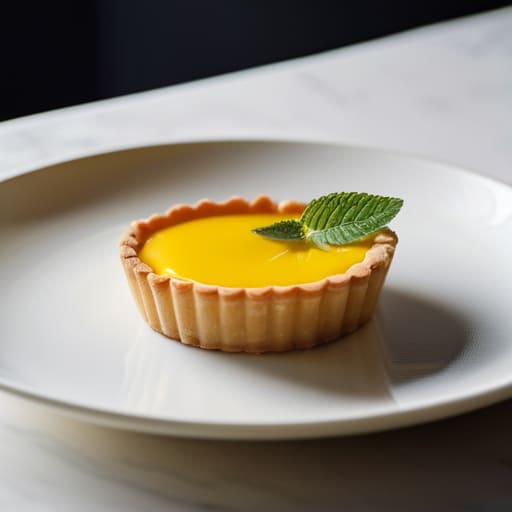
Think of your plate not as a canvas you need to fill, but as a quiet room where the dessert is the only guest invited. When I was running the shop, I saw so many young pastry students try to hide a mediocre tart under a mountain of berries and spun sugar. They were terrified of the empty white space. But using negative space in food styling isn’t about leaving things out; it’s about giving your star ingredient the room it needs to breathe. If you crowd the edges, you aren’t presenting a dessert; you’re staging a rescue mission.
I want you to look at the center of that porcelain. If you place a single, perfect quenelle of mousse slightly off-center, the emptiness around it actually draws the eye right to the texture of the cream. That’s the secret to minimalist dessert presentation. You don’t need a dozen different edible garnish ideas to make a plate look expensive. Sometimes, a single, deliberate smear of coulis or a precise dusting of cocoa is more powerful than a chaotic pile of crumbs. Let the plate be quiet so the flavors can be loud.
Five ways to stop decorating and start plating
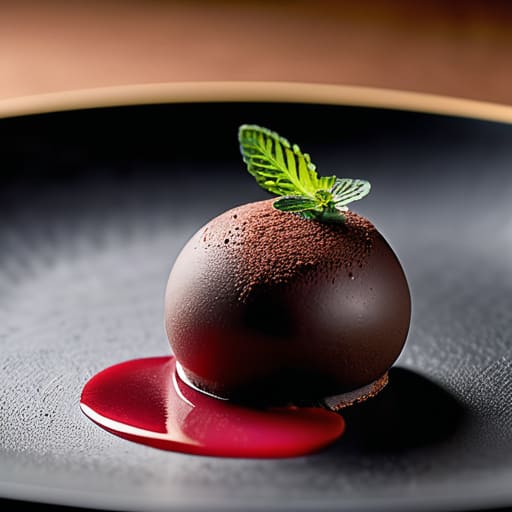
- Stop treating your plate like a canvas for a painting; treat it like a stage. You don’t need a smear of raspberry coulis stretching from one edge to the other just to prove you have a spoon. Pick one element—a single pool of sauce, a dusting of cocoa, or a crumble—and let it sit where it belongs. If the dessert is the star, don’t bury it under a mountain of unnecessary garnishes that end up in the bin.
- Temperature is part of your presentation, whether you admit it or not. There is nothing more heartbreaking than a beautiful, minimalist plate of warm chocolate ganache sitting on a cold porcelain dish for ten minutes while you look for the perfect mint leaf. Warm your plates in a low oven first. A dessert that stays the temperature you intended is a dessert that respects the person eating it.
- Learn the difference between a “dusting” and a “mess.” I see people throwing powdered sugar around like they’re trying to hide a crack in a tart crust. If you use a sieve, use it with purpose. A light, even veil of sugar should look like a morning mist, not like someone sneezed over the pastry. If you can’t control the distribution, don’t use the ingredient.
- Use your textures to create visual interest instead of adding more “things.” If your cake is soft and uniform, you don’t need a sprig of parsley to make it look interesting—you need a crunch. A handful of toasted hazelnuts or a shard of brittle provides a different silhouette and a different mouthfeel. When the texture changes, the eye follows, and you don’t need a single piece of edible gold leaf to make it happen.
- Check your heights. A flat plate is a boring plate, but a tower of food is an unstable one. You want a little bit of architecture—a cake leaning against a quenelle of cream, or a crumble providing a base for a fruit compote. Just remember that gravity is always working against you, so if your plating looks like it might collapse before the guest picks up their spoon, you’ve gone too far.
The Baker's Rule for a Finished Plate
Stop treating the plate like a canvas for every garnish in your pantry; if the component doesn’t serve the flavor or the texture, it’s just clutter getting in the way of the bite.
Temperature is your silent partner in presentation, so ensure your plates aren’t stealing the heat from a warm tart or making a delicate mousse weep before it even reaches the table.
Trust the natural geometry of your dessert rather than trying to force it into a perfect circle, because a slight, organic tilt often looks more honest and inviting than something engineered to look like a photograph.
The Beauty of Less
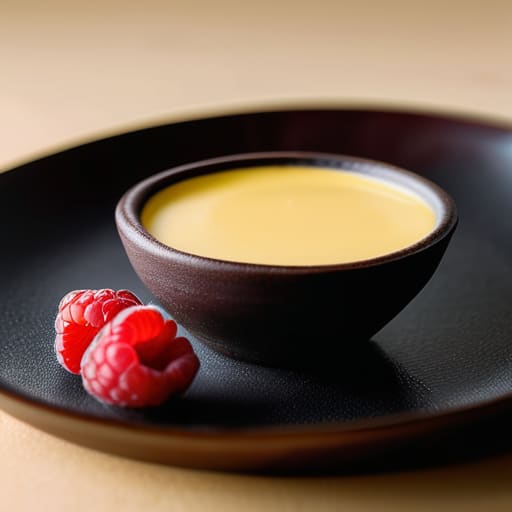
At the end of the day, plating isn’t about proving how many tweezers you own or how many micro-greens you can scavenge from the garden. We’ve talked about restraint, the power of a clean plate, and why that empty space is actually your best friend, but it all comes back to the same thing: respect. If you’ve focused on the temperature of your components and the texture of your sauces, you’ve already done the hard work. Don’t go ruining a perfectly balanced custard by burying it under a mountain of unnecessary garnishes. Remember, a dessert is successful when the intentionality of the arrangement allows the diner to focus on the flavor, not the clutter. If the plate looks crowded, your mind will be crowded, too.
I spent thirty-four years watching people try to hide mediocre baking behind elaborate decorations, and let me tell you, it never works. A simple plate is a brave thing because it leaves you nowhere to hide. It demands that your crumb be right, your cream be set, and your seasoning be precise. But when you get it right—when that single, perfect quenelle of mousse sits in its own quiet space—it is more profound than any architectural masterpiece. Trust your hands, trust your palate, and most importantly, trust that sometimes the most powerful thing you can do is simply step back and let the food speak for itself.
Frequently Asked Questions
If I'm going for a minimalist look, how do I stop the dessert from looking like I simply forgot to finish the plate?
You haven’t forgotten the plate; you’ve just given the dessert room to breathe. The difference between “unfinished” and “minimalist” is intention. If you drop a single quenelle of mousse in the center of a vast white plate without a single purposeful smear of coulis, a crumb of crunch, or a deliberate placement of a micro-herb, it looks lonely. Every element must look like it was placed there with a steady hand and a reason.
Does the temperature of the plate actually matter when I'm trying to keep the presentation clean and simple?
It matters more than most people realize. If you’re serving a warm tart or a molten cake on a cold porcelain plate, you’re fighting a losing battle against physics. The dessert will lose its soul to the plate before the guest even picks up a spoon. Warm your plates in a low oven—about 50°C—so the food stays lively. A cold plate kills temperature, and a dying dessert never looks as intentional as it should.
When I'm working with something soft like a mousse or a custard, how do I plate it without it looking like a messy puddle?
Listen, if you’re working with a 40% fat mousse or a soft custard, stop fighting the physics of it. You can’t force a liquid to act like a brioche. Instead of trying to stack it, embrace the flow. Use a chilled ring mold to give it temporary structure, or better yet, let it pool naturally in a shallow well. If it spreads, let it spread. A deliberate, elegant puddle is much better than a forced, collapsing tower.