I remember standing in my shop at four in the morning, the air smelling of yeast and damp flour, looking at a mountain of dough that had fermented just a little too well for the morning rush. I used to think that if I didn’t use it immediately, I was wasting the life I’d breathed into it. But after thirty-four years of watching dough behave like a living, breathing creature, I’ve learned that you don’t have to be a slave to the clock. People make how to freeze dough sound like some high-stakes laboratory experiment involving vacuum sealers and expensive gadgets, but they’re making it far too complicated.
I’m not here to give you a list of fancy equipment you don’t need; I’m here to tell you how to respect the fermentation while it sleeps. We are going to talk about the actual physics of it—how to protect your hydration and prevent those tiny, precious air bubbles from turning into icy crystals. I will show you exactly how to tuck your dough into the cold without killing the soul of the bread, so when you finally bring it back to life, it tastes like it was never even interrupted.
The Best Way to Wrap Dough for Freezing
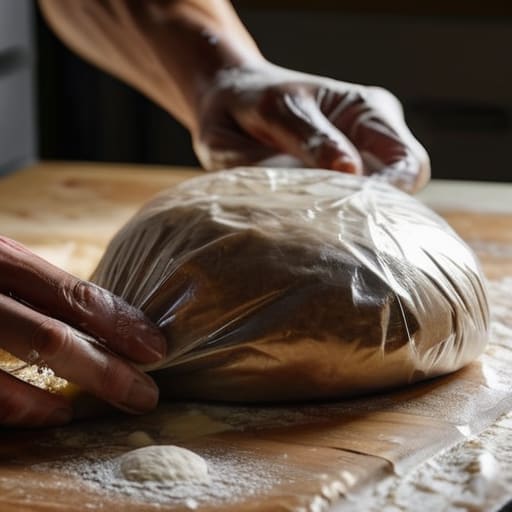
If you think you can just toss a ball of dough into a zip-top bag and call it a day, you’re asking for a dry, flavorless loaf. The freezer is a thief; it’ll reach right into your dough and steal the moisture if you aren’t careful. The best way to wrap dough for freezing is to use a two-step defense. First, lightly oil your dough ball—just enough so it doesn’t feel tacky—and press it into a tight, smooth shape. Then, wrap it in a layer of plastic wrap, making sure there isn’t a single pocket of air trapped against the surface. Air is what causes freezer burn, and freezer burn is the death of a good crumb.
Once you’ve got that first layer tight, slide the whole thing into a heavy-duty freezer bag. Squeeze every bit of air out before you seal it. If you’re following specific freezing pizza dough instructions, I suggest using a smaller, flatter shape; it freezes faster and thaws much more predictably. I always tell my apprentices: treat the dough like it’s alive, because, in its own way, it is.
Storing Yeast Dough in Freezer Without Losing Life
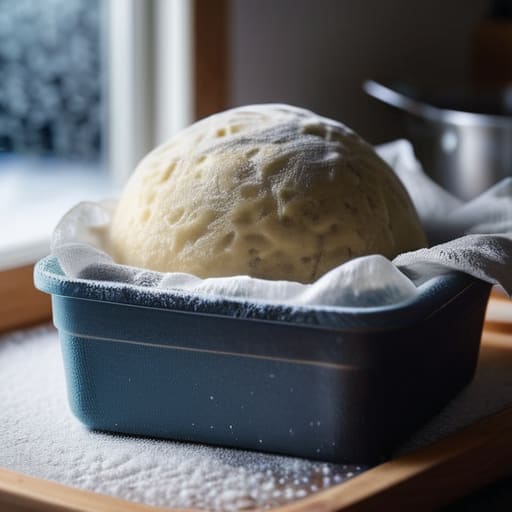
Now, if you’re storing yeast dough in the freezer, you have to remember that you aren’t just freezing a mass of flour and water; you are putting a living, breathing thing into a deep sleep. Yeast is a stubborn creature, and if you rush it or handle it roughly, it won’t wake up quite right. I always tell my neighbors that the secret to storing yeast dough in freezer conditions without killing the spirit of the loaf is to ensure the dough is already well-developed before it hits the cold. Don’t try to freeze a brand-new mix that hasn’t even seen a bit of fermentation; you want that dough to have a head start so it has the strength to fight its way back to life once it thaws.
When it comes time to bring that dough back into the light, don’t go looking for a microwave or any sort of heat to speed things up. That’s a recipe for disaster. The real trick to dough proofing after freezing is patience. Move your dough to the fridge the night before, letting it wake up slowly and gradually. You’re looking for that gentle, rhythmic expansion, not a frantic burst of gas. If the kitchen feels too sluggish, give it a little warmth, but never force it.
Five Rules for Keeping the Life in Your Dough
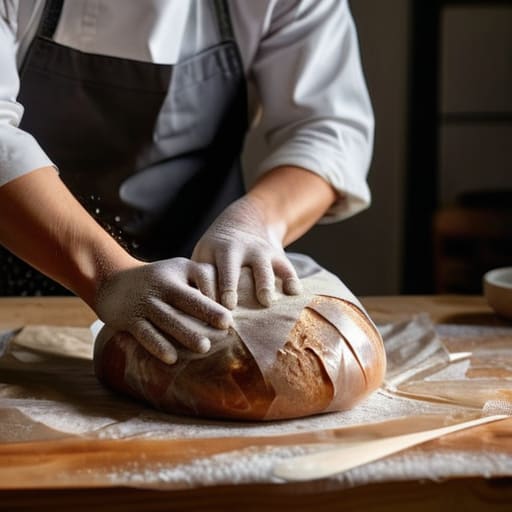
- Respect the temperature of your dough before it hits the ice. If you try to freeze a dough that’s already mid-rise and warm, you’ll end up with a fermented mess that tastes like old beer once it thaws. Let it chill in the fridge for a few hours first; you want to catch it while it’s still calm and steady.
- Don’t be stingy with the oil. A light coating of olive oil or even a bit of melted butter on the surface of your dough before you wrap it acts like a shield. It stops that dry, freezer-burnt skin from forming—because once that skin sets, your dough loses its ability to stretch and expand properly.
- Watch your hydration levels when you plan ahead. If you’re freezing a dough with high hydration—say, 75% or higher—it’s going to be a bit more temperamental during the thaw. I usually find that slightly lower hydration doughs, around the 65% mark, handle the freeze and the subsequent rise much more gracefully.
- Give the dough space to breathe, even in the cold. When you wrap your portions, don’t compress them into tight, hard balls. Leave a little bit of “give” in the packaging so the dough doesn’t feel suffocated. You want it to be able to wake up and expand the moment it starts warming up again.
- The thaw is just as important as the freeze. Never, and I mean never, try to rush a frozen dough by putting it in a warm spot or near a radiator. You’ll cook the outside while the heart is still an ice cube. Let it come back to life slowly in the refrigerator; patience is what keeps the crumb structure from collapsing into a gummy heap.
The Baker's Essentials for Freezing
Wrap your dough tight enough to fight the frost; if you leave air pockets in your bag, the freezer will steal the moisture right out of the flour and leave you with a crust that tastes like cardboard.
Never freeze dough that has already done its heavy lifting; you want to catch it while it’s still young and active, because trying to revive a dough that has already over-proofed is a losing battle against time.
Give the dough permission to wake up slowly; when you finally pull it from the cold, don’t rush it to the oven—let it sit in a warm spot until it feels alive and supple again, or you’ll never get that proper rise.
A Final Word Before the Oven
At the end of the day, freezing dough isn’t about cheating the clock; it’s about managing your energy so you can bake when you actually have the spirit for it. Just remember that you aren’t just freezing flour and water; you are pausing a living process. Keep your wraps tight to fight off that freezer burn, and never, ever try to rush the thaw by shoving a frozen mass into a warm oven. If you respect the temperature and the timing, your dough will wake up from its slumber ready to perform. It’s all about protecting that moisture and giving the yeast a gentle transition back to the warmth of your kitchen.
I know it can feel intimidating to work with something that has been sitting in the cold, but trust your hands more than any timer. If the dough feels sluggish or a bit tighter than usual, give it an extra hour to find its rhythm. Baking is a conversation between you and the ingredients, and sometimes that conversation just needs a little more patience and quiet. Don’t be afraid of a little trial and error; even a slightly over-proofed loaf tells you something about your environment. Now, get that dough into the freezer, clear your bench, and I’ll see you when it’s time to bake.
Frequently Asked Questions
If I freeze my dough, will the yeast still be strong enough to give me a decent rise when I finally bake it?
It will, provided you don’t treat it like a piece of meat. Yeast isn’t a machine; it’s a living thing. If you freeze it too fast or let it sit in a lukewarm kitchen for hours before it hits the ice, you’ve already exhausted its energy. Wrap it tight to prevent freezer burn, and when you thaw it, do it slowly in the fridge. Patience here ensures the yeast wakes up hungry, not exhausted.
Can I freeze a sourdough starter, or will the cold kill off the culture I've spent years building?
You can freeze it, but don’t go thinking you’re putting it to sleep forever. Think of it more like a long, deep hibernation. The cold won’t kill a healthy culture—it just slows the metabolism to a crawl. I’ve kept portions of my own starter in the frost for months. Just make sure it’s well-fed and bubbly before it goes in; if you freeze a hungry starter, it’ll wake up weak and bitter.
How long can I actually keep dough in the freezer before the quality starts to slide and the texture goes off?
Listen, if you’re looking for a way to stock up for months, you’re asking the wrong question. You want freshness, not a science experiment. I’d say three weeks is your sweet spot. Beyond that, even with the best wrap, the ice crystals start to tear at the gluten structure, and you’ll end up with a loaf that’s more crumbly than chewy. Treat it like fresh produce; use it while the life is still in it.