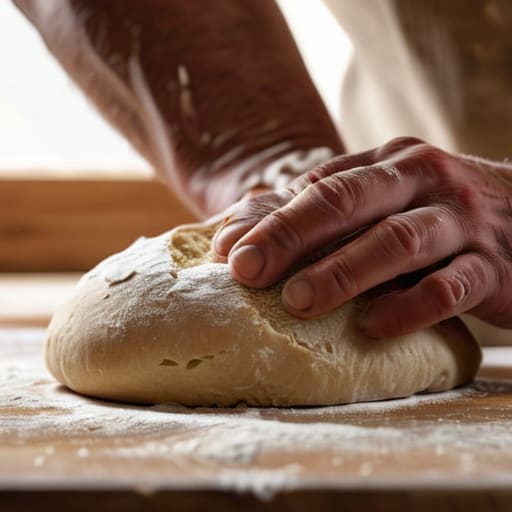
I’ve seen enough “lifestyle” influencers spend a fortune on copper bowls and specialized proofing baskets just to convince you that baking is a luxury hobby. They make it look like a delicate, expensive performance, but if you’re looking for a way to learn how to bake bread every week sustainably, you don’t need a boutique pantry or a designer apron. You just need a bit of flour, some patience, and the sense to stop treating your kitchen like a laboratory. Most people fail because they try to force the dough into a schedule instead of listening to what the dough is actually telling them.
I’m not here to sell you a gadget or a complicated ten-step ritual that requires you to wake up at midnight. I’m going to show you how to integrate a real, honest rhythm into your life by focusing on the things that actually matter: temperature, hydration, and timing. We are going to move away from those fickle measuring cups and get comfortable with weights and percentages so you can actually understand your bread. By the time we’re done, you won’t just be following a recipe; you’ll be managing a living process that fits into your week without breaking your spirit.
Mastering Your Weekly Bread Baking Schedule
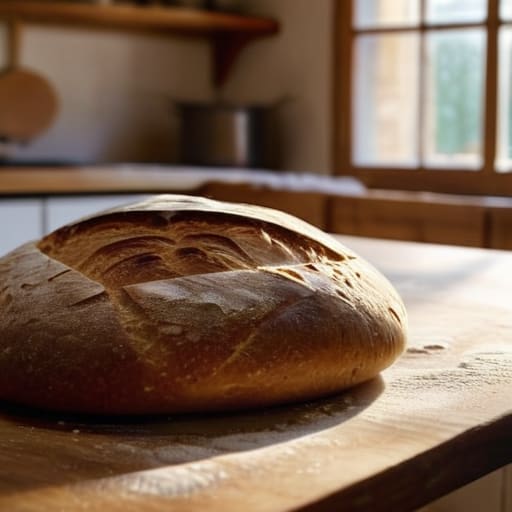
You don’t need a grand, sweeping overhaul of your life to bake bread regularly; you just need to stop treating it like a special event and start treating it like a rhythm. I used to think I needed a pristine, choreographed kitchen, but thirty years of four a.m. starts taught me that consistency beats intensity every single time. Instead of trying to bake three loaves on a Sunday and feeling exhausted by Monday, aim for a simple weekly bread baking schedule that slots into your existing life. Pick one day where the dough can sit undisturbed, and let the clock do the heavy lifting for you.
The secret to not feeling overwhelmed is getting your mise en place sorted before you even touch the flour. I always keep my bulk flour storage solutions organized—glass jars or airtight bins—so I’m never hunting for ingredients when the starter is peaking. If you have your weights ready and your water at the right temperature, the process becomes meditative rather than a chore. Remember, if you’re rushing the prep, you’re already asking for a dense loaf. Respect the timing, and the bread will respect you back.
Bulk Flour Storage Solutions for the Patient Baker
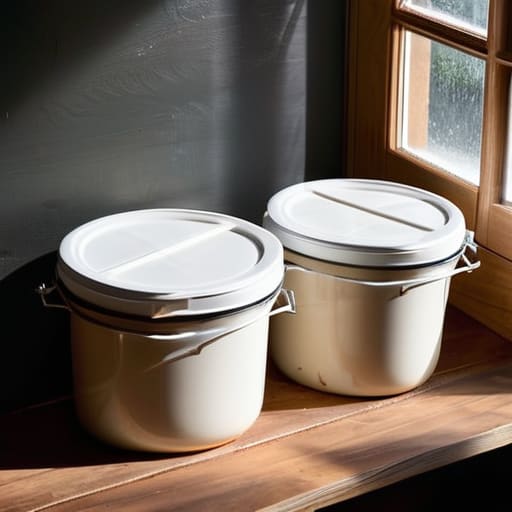
If you’re planning on a regular weekly bread baking schedule, you cannot keep buying those little two-kilogram bags from the supermarket every time you realize your pantry is bare. It’s expensive, it’s a mountain of plastic, and frankly, it’s a headache. I’ve always found that the best bulk flour storage solutions involve finding large, food-grade buckets with airtight lids—the kind that actually keep the moisture out. If you leave your flour in the original paper sack, you aren’t just inviting pantry moths; you’re inviting humidity, and humidity is the enemy of a consistent hydration percentage.
When you do buy in bulk, treat your flour like a living thing. Keep it in a cool, dark corner, away from the heat of the oven or the dampness of the sink. This is one of those simple zero waste baking tips that actually pays off in the quality of your loaf; fresh, well-stored flour behaves predictably during fermentation. When your flour is stable, your dough is stable. You won’t find yourself fighting a sponge that refuses to rise simply because the flour had gone stale or damp in a poorly sealed bag.
Five Ways to Stop Fighting the Dough and Start Working With It
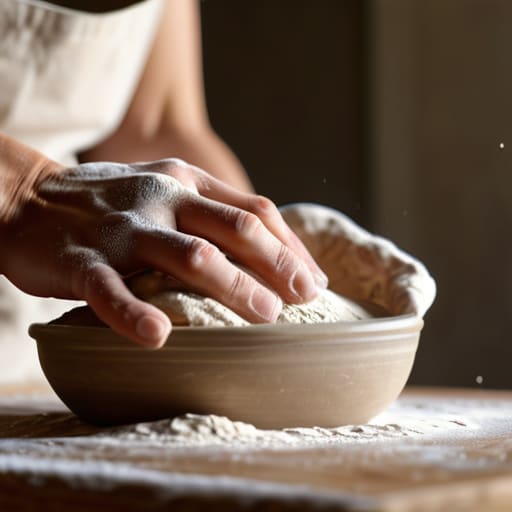
- Stop buying those little “convenience” bags of flour. If you’re baking every week, you’re a baker now, not a hobbyist. Buy your flour in bulk—five or ten kilos at a time—and keep it in an airtight container. It’s cheaper, it’s better for the planet, and it means you aren’t running to the shop every time you realize you’re low on protein.
- Respect the hydration, not the volume. If you’re using a recipe that calls for “two cups of water,” throw it in the bin. I always work with a 75% hydration for my weekly loaves; it gives me enough structure to handle without being so sticky it’s a nightmare. Use a scale. If you can’t weigh your ingredients, you aren’t baking, you’re just guessing.
- Don’t fight a cold kitchen. If your house is chilly, your dough will take forever to rise, and you’ll get frustrated and start poking it too much. Instead of turning the oven on just to warm the room, find a warm corner or let the dough sit in a turned-off oven with the light on. Work with the temperature you have, rather than trying to force the dough to keep up with your schedule.
- Manage your starter like a living thing, not a chore. You don’t need to feed a massive jar of sourdough every single day if you aren’t using it. Keep a small amount in the fridge and only bring it out a day before your scheduled bake. It’s about finding a rhythm that fits your life, not letting a jar of fermented flour dictate when you can go out for dinner.
- Learn to read the dough, not the clock. A timer is a suggestion, not a law. If the recipe says “rise for two hours” but your kitchen is drafty and the dough still feels dense and tight, it isn’t ready. Wait until it feels aerated and looks alive. The most sustainable thing you can do is wait an extra hour so you don’t end up throwing a heavy, useless brick in the bin.
The Baker’s Three Truths
Forget the clock and watch the dough; a schedule is just a suggestion, but the temperature of your kitchen and the way the dough responds to your touch are the only real masters you have.
Stop measuring by volume and start measuring by weight, because a cup of flour can vary by twenty percent depending on how much you’ve packed it, and your hydration percentages will never lie to you.
Sustainability isn’t about fancy gadgets; it’s about respecting your ingredients, keeping your flour dry, and understanding that time is the only ingredient you can’t rush without ruining the bread.
The Rhythm of the Loaf
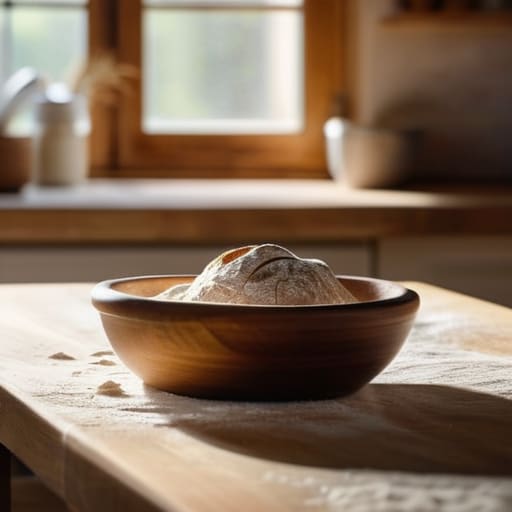
At the end of the day, baking every week isn’t about having a perfectly organized pantry or a rigid, military-grade schedule. It is about understanding that your flour needs a dry home, your starter needs a steady rhythm, and your kitchen needs to be a place where you can listen to the dough. We have talked about managing your bulk supplies and finding a window in your week that actually works for your life, but don’t let the logistics overwhelm the craft. If you keep your hydration consistent and your storage airtight, the rest of the work becomes a conversation between you and the grain. Respect the ingredients, respect your time, and you will find that the weekly loaf stops being a chore and starts being a habit.
Don’t be discouraged if your first few attempts don’t look like the glossy pictures in those magazines. Most of those photos are hiding a lack of soul behind a heavy dusting of flour. If a loaf comes out too dense or a crust is a bit pale, don’t blame the recipe; check your water temperature or look at how much you’ve rushed the fermentation. Baking is a living thing, and like anything living, it requires a bit of grace when things don’t go exactly to plan. Pull up a chair, get your hands a little messy, and remember that the most important tool you own isn’t a stand mixer or a digital scale—it is your own patience.
Frequently Asked Questions
My kitchen is much colder than yours; how do I adjust my bulk fermentation timing when the temperature keeps dropping?
Listen, a cold kitchen isn’t a curse, it’s just a different rhythm. If your dough is sitting in a drafty room, stop looking at the clock; the timer is lying to you. You need to adjust your water temperature—use slightly warmer water when mixing to give the yeast a head start—and perhaps find a cozy nook, like inside a turned-off oven. Watch the dough, not the minutes. Wait until it feels alive and pillowy.
I’ve been using a sourdough starter for a few months, but it seems to be losing its strength—amam I feeding it too much or not enough?
It’s rarely about the quantity of food and almost always about the timing. If your starter is sluggish, you’re likely feeding it when it’s already peaked and exhausted, or you’re feeding it too little to sustain its vigor. Watch the bubbles, not the clock. If it’s sitting in its own acidity for too long, it’ll weaken. Try a 1:2:2 ratio—starter, flour, water—and keep it in a warmer spot. Let it breathe.
Is it better to bake one massive batch of loaves to save on oven energy, or does that mess with the dough's rhythm and handling?
You’re tempting fate by trying to bake everything at once. While I understand the desire to save on the oven’s heat, dough isn’t a machine you can just pause. If you shape ten loaves but only have room for two in the oven, those other eight will over-proof while they sit there waiting. They’ll lose their tension and turn sour. Bake in smaller, manageable batches; respect the dough’s window of peak fermentation.