I spent thirty-four years watching people walk into my shop and ask for “specialty” breads that were nothing more than expensive flour and ego. They’ll buy you a fancy, multi-step guide on how to make a poolish or biga that promises a “revolutionary” crust, but they never mention that the most important tool in your kitchen is actually just patience. You don’t need a laboratory or a $500 mixer to master these pre-ferments; you just need to stop treating your dough like a math problem and start listening to what it’s actually doing in the bowl.
I’m not going to waste your time with flowery prose or “optimized” schedules that only work in a temperature-controlled professional kitchen. Instead, I’m going to show you the real difference between a liquid poolish and a stiff biga, using the exact weights and hydration percentages that actually work. We’ll talk about how to read the bubbles and feel the strength of the gluten, because once you understand the soul of the fermentation, you won’t need a recipe to tell you when it’s ready.
Understanding the Difference Between Poolish and Biga
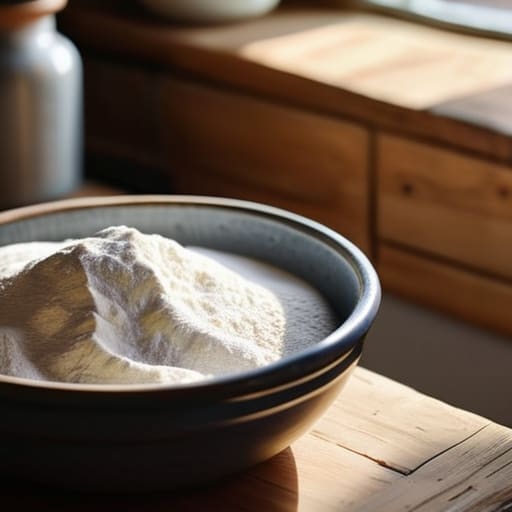
Now, don’t go thinking a preferment is just one thing. People often lump them together, but knowing the difference between poolish and biga is like knowing the difference between a light morning mist and a heavy summer rain; they both bring moisture, but they behave entirely differently once they hit your flour. A poolish is a liquid affair—usually 100% hydration, meaning equal weights of flour and water—which makes it easy to stir and quick to incorporate. It’s what I reach for when I want a sweet, nutty aroma and a lovely, open crumb that doesn’t fight me during the shaping process.
A biga, however, is a much more stubborn creature. It’s a stiff preferment, often sitting at a mere 50% to 60% hydration, so you’ll be working with a shaggy, dense ball rather than a pourable batter. Because it’s so dry, the yeast works more slowly, building up a complex, slightly acidic strength that you just can’t get from a liquid starter. If you’re looking for those deep, fermented flavors and a more substantial chew, the biga is your best friend. It requires a bit more muscle to mix, but that’s just part of the craft.
The Science of Yeast Hydration Levels for Dough
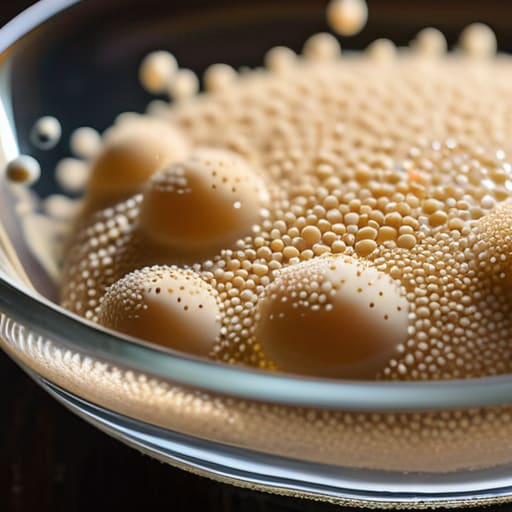
Now, don’t go thinking that water is just there to make the flour wet. When we talk about yeast hydration levels for dough, we are really talking about how much freedom we are giving those tiny living things to move. In a poolish, which sits at a lovely 100% hydration, the water is plentiful. The yeast can swim, eat, and multiply with almost no resistance. This results in a more liquid, active starter that yields a dough with a more even, open crumb. It’s a gentle way to build flavor without the heavy lifting.
A biga, however, is a different beast entirely. It’s much stiffer, usually sitting around 50% to 60% hydration. Because the dough is tight and dense, the yeast has to work much harder to navigate that thick environment. This struggle is exactly what we want; that slow, pressurized fermentation is one of those long fermentation bread techniques that creates those deep, complex acids you can’t get from a quick rise. You aren’t just making bread; you are managing a biological pace, and the water level is your primary lever for controlling that speed.
Five Things the Recipe Won't Tell You
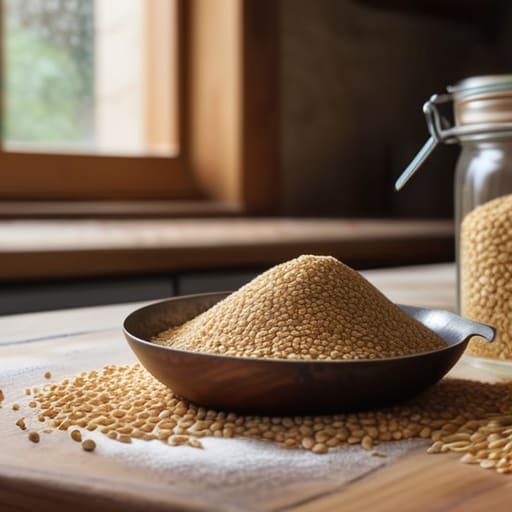
- Stop looking at the clock and start looking at the bubbles. A poolish is ready when it’s frothy and just beginning to recede at the edges, not necessarily when a timer dings. If you add it to your main dough while it’s still a sleeping pool of flour, you’re robbing yourself of the flavor that only comes from those tiny, active gas pockets.
- Temperature is your silent partner, and she can be fickle. If your kitchen feels like a cellar, your biga is going to take its sweet time; if it’s a humid summer afternoon, that biga will turn sour before you can grab your flour. Use water that’s a few degrees warmer than you think you need if you’re working in a drafty house, but never, ever use hot water—you’ll kill the very life you’re trying to cultivate.
- Respect the hydration. A poolish is typically 100% hydration—equal weights of flour and water—which makes it liquid and easy to stir, whereas a biga is much stiffer, usually around 50% to 60%. If your biga looks like a soup, you’ve miscalculated your weights, and you’ll find your final dough lacks the structural strength it needs to hold its shape in the oven.
- Don’t be afraid of a little funk. A well-fermented biga should smell tangy and bright, like a good cider or a ripe pear. If it smells like pure vinegar or something truly unpleasant, your fermentation went too far or your environment was too warm, and it’s better to toss it and start over than to ruin a perfectly good bag of flour.
- Use your hands, not just a spoon. When you finally incorporate your pre-ferment into the final dough, don’t just stir it in and call it a day. You need to feel the texture change as those fermented bits distribute. You’re looking for a dough that feels alive and elastic, not one that feels heavy or resistant because you rushed the integration.
The Baker’s Essentials
Stop reaching for the measuring cups; if you aren’t using a scale to track your flour and water by weight, you aren’t making a pre-ferment, you’re making a guessing game.
Respect the temperature of your kitchen above all else, because a poolish left in a drafty room will sleep right through its window, and a biga in a hot house will turn sour before you even reach for the flour.
Learn to read the bubbles and the smell rather than the clock, because yeast doesn’t care what time it is, it only cares if it has been given enough time and warmth to wake up properly.
Trust Your Hands, Not the Clock
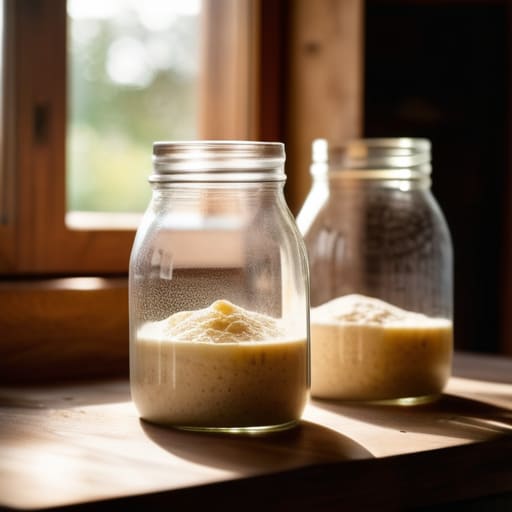
At the end of the day, whether you choose the liquid ease of a 100% hydration poolish or the sturdy, fermented strength of a stiff biga, you are simply setting the stage for the real work to come. Remember that a poolish will give you that lovely, creamy crumb and a subtle sweetness, while a biga is going to fight you just a little more, giving you that deep, complex tang and a crust that holds its shape. Don’t get hung up on the exact minute the timer goes off; instead, look for those tiny bubbles and smell the fermentation. If your kitchen is running cold, give it an extra hour; if it’s a heatwave, watch it like a hawk. The math of the weights and the percentages will get you in the ballpark, but your senses are what will actually finish the job.
I know it feels daunting when you’re staring at a bowl of fermenting flour and water, wondering if you’ve done something wrong because it doesn’t look like a glossy photo in a magazine. But baking isn’t about perfection; it’s about listening to the dough. There will be days when the poolish is too sour or the biga is too sluggish, and that is perfectly fine. Those “failures” are just your way of learning the rhythm of your own kitchen. So, stop worrying about the “perfect” result and just start mixing. The flour and water are ready when you are, and the bread will always tell you its truth if you’re patient enough to hear it.
Frequently Asked Questions
My poolish looks like a flat, grey sludge instead of being bubbly and alive—did I kill the yeast or is the flour just too weak?
Don’t go blaming the flour just yet. If it’s sitting there like grey sludge, you likely either used water that was too hot—scalding the yeast right out of the party—or you didn’t give it enough time to wake up. A poolish needs warmth and patience, not a temperature shock. Check your water temp next time; it should feel like a lukewarm bath, never a hot tea. Let it sit; the bubbles will come.
If my kitchen is freezing in the winter, can I still use a biga, or will the cold stop the fermentation entirely?
Oh, don’t you worry; the cold won’t stop the fermentation, but it will certainly try to put it to sleep. A biga is actually quite hardy because of that lower hydration, but in a freezing kitchen, your yeast is going to take a long, long nap. If your house feels like a larder, move the bowl near the oven or inside a turned-off microwave. Just don’t rush it; let the warmth coax the life back into it.
How do I know exactly when the pre-ferment has peaked and is ready to be mixed into the final dough before it starts to collapse?
You don’t look for a number; you look for life. For a poolish, you’re waiting for those tiny, frantic bubbles to crowd the surface and for the center to look slightly domed, almost like it’s holding its breath. If it starts to look concave or smells sharply like vinegar, you’ve missed the window and the structure is collapsing. It should feel airy and smell sweet and yeasty—if it looks flat, it’s already too late.