I remember a Tuesday morning, thirty years ago, standing in my shop at five a.m. with a tray of carrot cakes that looked like they’d been caught in a summer rainstorm. I had followed the recipe to the gram, yet the frosting was sliding off the sponge in sad, weeping ribbons. It wasn’t the recipe’s fault, and it certainly wasn’t because I lacked “skill”; it was because I hadn’t respected the physics of the fat. Most cookbooks treat it like a static ingredient, but if you want to bake anything worth eating, you have to understand how cream cheese frosting behaves when the room temperature climbs just two degrees too high. It isn’t a stable wall of sugar; it is a living, shifting emulsion that reacts to every breath of warm air in your kitchen.
I’m not here to sell you a special stabilizer or a fancy new brand of butter. I am going to tell you exactly what happens to that fat and sugar when they meet the air, and why your frosting is either holding its shape or surrendering to the plate. We are going to talk about temperature, the necessity of chilling, and why patience is the only thing that will keep your cake from looking like a disaster.
Temperature Is Everything Room Temperature vs Refrigeration Frosting
Temperature is Everything: Room Temperature vs Refrigeration Frosting
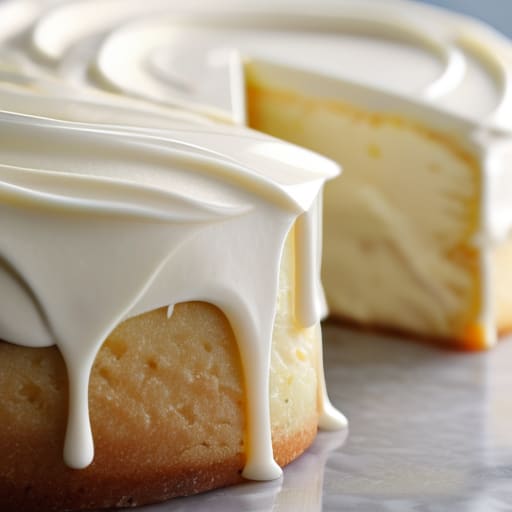
You cannot treat cream cheese like butter; it has a different soul entirely. When I was running the shop, I learned that the biggest mistake people make is treating room temperature vs refrigeration frosting as a matter of preference rather than physics. If you whip your frosting while the cheese is still slightly too cold, you’ll end up with tiny, stubborn lumps that no amount of vigorous beating will ever smooth out. But, if you let it sit out too long in a warm kitchen, you aren’t just frosting a cake—you’re essentially painting with soup.
The real trouble starts when you try to move a cake from the counter to the fridge. Because of the high moisture content, you’ll find that preventing runny cream cheese frosting requires a delicate balance of chill and stability. If your kitchen is running hot, that frosting is going to lose its fight against gravity. I always tell my apprentices: if the frosting feels heavy and slack under the spatula, stop adding sugar to fix it. You don’t have a sugar problem; you have a temperature problem.
The Hidden Weight of Sugar Content and Frosting Structure
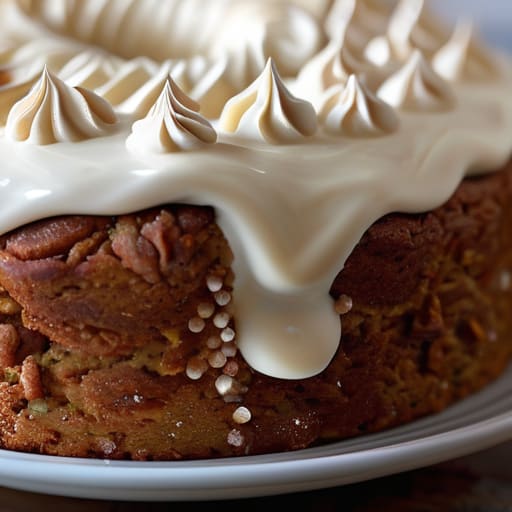
You can’t talk about stability without talking about the grit of the sugar. I’ve seen many a baker think that if their frosting is weeping down the side of a carrot cake, they simply need more cream cheese. That is a mistake. Cream cheese is mostly fat and moisture; it has no backbone of its own. It is the sugar that provides the scaffolding. When you look at sugar content and frosting structure, you aren’t just looking at sweetness; you are looking at the architecture that holds the fat in place.
If you use a sugar that is too coarse, or if you don’t let it fully dissolve into the fat, you’ll end up with a grainy mess that refuses to hold a peak. On the other hand, if you go too heavy on the powdered sugar to fix a soft batch, you’ll end up with something that tastes like a dust cloud. For those of you struggling with preventing runny cream cheese frosting, remember that the sugar acts as a stabilizer. It creates a tension between the liquid and the fat. If the ratio is off, the structure collapses, and no amount of chilling will save a frosting that was fundamentally unbalanced from the start.
Five Things Your Frosting Wants You to Know (But Won't Tell You)
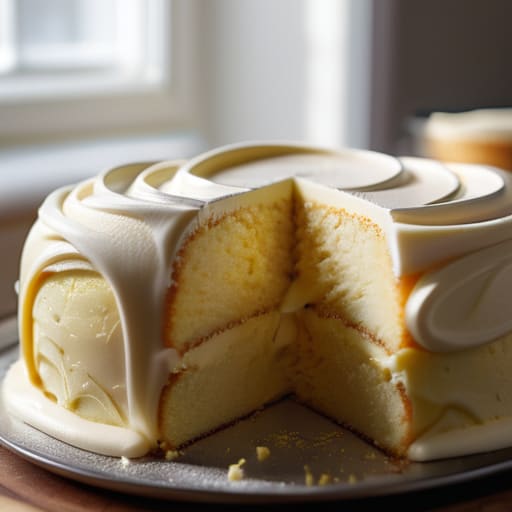
- Stop fighting the fat. If you try to whip cream cheese that’s still a bit too cold, you’ll end up with tiny, stubborn lumps that no amount of whisking will ever smooth out. It needs to be truly room temperature—not sweaty, just soft—so it can actually bond with the butter.
- Watch your mixing time like a hawk. Unlike a buttercream that you can whip for ten minutes to get air into it, cream cheese is fragile. If you overwork it, the emulsion breaks, the fat separates, and you’re left with a puddle of yellow oil and white clumps instead of a silky spread.
- Trust the ratio, not the “heaping spoon.” I always tell people to look at the percentage of fat to sugar. If you’re adding too much liquid (like vanilla extract or if your cheese is particularly high-moisture), your frosting will lose its structural integrity and slide right off the cake like it’s looking for an exit.
- The “Set” is a lie. People think once it looks stiff in the bowl, it’s ready to go. It isn’t. Cream cheese frosting needs a proper rest in the fridge to let those fats stabilize. If you frost a cake immediately after mixing, it’ll look perfect for five minutes before it starts to slump under its own weight.
- Acid is the enemy of stability. If you’re using a very sharp, tangy cream cheese, it can actually start to break down the structure of your sugar more quickly. If you find your frosting is weeping or getting runny, you might need to slightly increase your solids—usually a bit more powdered sugar—to compensate for that acidity.
The Three Pillars of a Frosting That Holds Its Ground
Stop trusting the clock and start trusting your hands; if the frosting feels too heavy or “short,” you’ve likely let the cream cheese sit too long at room temperature and lost the structural tension between the fat and the sugar.
Sugar isn’t just for sweetness—it is your stabilizer—so if you find your frosting weeping or sliding off a cake, you haven’t used enough to build the necessary scaffold, regardless of what the “sweetness” level tells you.
Respect the chill; a frosting that has been rushed from the fridge to the piping bag will never behave, so give it the time to settle so the fats can find their place before you start working them.
The Baker’s Final Word on Frosting
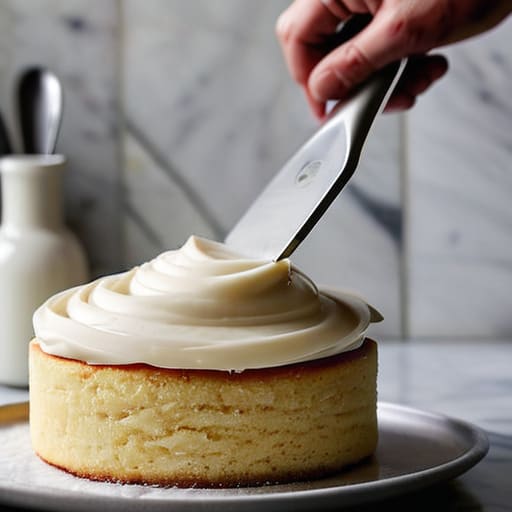
At the end of the day, if your cream cheese frosting is sliding off the cake or weeping into a puddle, don’t go looking for a new recipe; look at your thermometer and your scale. We have talked about how the fat behaves when the room warms up and how the sugar provides the skeleton that keeps the whole thing standing. If you respect the temperature of your ingredients and understand that sugar isn’t just for sweetness but for structural integrity, you will stop fighting the frosting and start working with it. It isn’t a magic potion; it is simply a balance of fat, acid, and crystals that requires your full attention before you even pick up a spatula.
I spent thirty-four years watching dough rise and frosting set, and if there is one thing I learned in those four-o’clock starts, it is that you cannot rush a thing that relies on chemistry. Baking is often a lesson in surrendering control to the environment around you. You can measure every gram to the decimal point, but you must still feel the air in the kitchen and the softness of the cream. So, stop worrying about the perfect photograph and start paying attention to the texture under your fingers. Once you learn to listen to how the frosting behaves, you’ll find you aren’t just decorating a cake—you are mastering it.
Frequently Asked Questions
If my frosting is too runny to hold its shape on a cake, can I fix it with more sugar, or is the fat ratio fundamentally broken?
You can throw all the sugar you want at it, but if your fat ratio is off, you’re just making sweet soup. If that cream cheese is too warm or you’ve used a low-fat version, the structure is fundamentally broken. Sugar adds weight and sweetness, but it doesn’t add stability. Chill your bowl, use full-fat blocks, and if it’s still weeping, you can’t fix it with more powder—you have to fix it with cold.
How much can I actually rely on butter to stabilize the cream cheese if I'm planning to leave the cake out on a summer buffet?
You can rely on butter to provide structure, but don’t mistake stability for invincibility. If you’re heading into a summer buffet, you’ll want a higher fat-to-cheese ratio—think 60% butter to 40% cream cheese by weight. Butter provides the skeletal frame that cream cheese lacks, but once the ambient temperature climbs above 75°F (24°C), that frame starts to soften. Keep it chilled until the very last second; no amount of extra butter can fight a heatwave.
Is there a way to tell if my cream cheese was too cold when I started mixing, or did I just overwork the dough-like consistency into something grainy?
If it looks like tiny, curdled beads of white, you’ve likely hit the “cold cream cheese” trap. When you force cold cheese into a mixer, the fat stays in clumps instead of emulsifying with the sugar and butter. If it’s grainy but feels heavy, you’ve over-aerated it, breaking the fat structure into something that looks like wet sand. Feel it: if it’s gritty and cold, it was the temperature; if it’s greasy and broken, you worked it too hard.