Most people think that if their carrot cake comes out heavy, sodden, or tasting like a damp sponge, they simply didn’t use enough spices or a fancy enough flour. They spend hours scrolling through glossy websites trying to figure out how to make carrot cake that doesn’t collapse under its own weight, but they are looking in all the wrong places. The truth is, your cake isn’t failing because of the cinnamon; it’s failing because you’re treating your batter like a chemistry experiment instead of a living thing. You’re likely over-mixing the flour until the gluten gets angry, or you’re dumping in grated carrots that are so full of water they’ve turned your lovely crumb into mush.
I am not going to give you a list of “secret ingredients” or tell you to buy a specific brand of expensive oil. Instead, I’m going to teach you to listen to the batter and understand the moisture balance that actually matters. We will talk about the weight of your ingredients and the temperature of your kitchen, because that is where the real magic happens. I’ll show you how to achieve a crumb that is light yet substantial, focusing on the technique rather than the decoration.
Recipe Details
Ingredients
- 2 cups grated fresh carrots
- 1.5 cups all-purpose flour
- 1 cup granulated sugar
- 0.5 cup brown sugar
- 1 cup vegetable oil
- 3 large eggs
- 1 teaspoon baking soda
- 1 teaspoon baking powder
- 2 teaspoons ground cinnamon
- 0.5 teaspoon salt
Recipe Instructions
Step 1
First, we need to prep the carrots. Don’t you dare reach for that electric grater if you can help it; it turns the carrot into a watery mush that will ruin your batter’s structure. I want you to grate them by hand until you have roughly 450g of carrot, which sits at about 65% of your flour weight. You want those tiny, distinct shreds that hold their shape, not a pulp. If they look too wet, give them a gentle squeeze over the sink to shed the excess moisture before they ever touch the bowl.
Step 2
Now, let’s talk about the fat and sugar. You’ll be using 300g of oil and 400g of brown sugar. I know some people swear by butter, but for a cake that needs to stay moist for three days, oil is your best friend. Whisk them together until the sugar isn’t just sitting there like sand, but has actually begun to dissolve into the oil. It should feel slightly gritty but heavy, like wet silt.
Step 3
Incorporate your eggs—three large ones, about 150g—one at a time. This isn’t a race. If you dump them all in at once, the oil and water won’t want to be friends, and you’ll end up with a broken emulsion. Whisk them in steadily until the mixture looks smooth and glossy. This is the foundation of your lift, so don’t rush the marriage of the fat and the eggs.
Step 4
Sift in your dry ingredients: 400g of plain flour, 2g of salt, and 5g of baking soda. Now, listen to me: stop mixing the moment the white streaks of flour vanish. If you keep stirring, you’ll develop the gluten, and instead of a tender crumb, you’ll end up with a carrot-flavored sponge that’s as tough as a work boot. Fold it in with a large spoon or a spatula, using a gentle hand to keep the air you’ve worked so hard to build inside the batter.
Step 5
Finally, fold in your texture. I like 200g of crushed walnuts and about 150g of raisins, but use your judgment there. Once everything is combined, pour the batter into two greased 20cm tins. If your kitchen is particularly chilly today, let the tins sit on the counter for ten minutes before they go in. Bake at 175°C for about 35-40 minutes, but don’t trust the timer blindly. The cake is done when a skewer comes out with a few moist crumbs clinging to it, not when it comes out bone-dry.
Selecting the Best Spices for Carrot Cake and Moist Ingredients
When you’re looking for the best spices for carrot cake, don’t just grab whatever dusty tin has been sitting in the back of your cupboard since last Christmas. Spices are living things; they lose their soul if they aren’t fresh. I always tell my apprentices that cinnamon is your foundation, but it’s the nutmeg and ginger that provide the warmth that lingers on the tongue. If you want a deeper, more complex profile, try a touch of ground cloves or cardamom. It isn’t about making it “spicy” in terms of heat, but about building layers of scent that hit you before the first bite even reaches your mouth.
As for the crumb, most people obsess over the flour, but they forget that the secret to moist carrot cake ingredients lies in the fat and the moisture content of your produce. I don’t care how many photos you see of perfectly smooth batter; a real cake needs the weight of oil and the structural integrity of properly grated carrots. If you’re leaning into walnut carrot cake variations, toast those nuts in a dry pan first. It brings out an earthiness that balances the sugar. And please, don’t rush the cooling process before you reach for that cream cheese frosting recipe; a warm cake is a sponge that will turn your beautiful frosting into a greasy mess.
Walnut Carrot Cake Variations and the Art of the Crumb
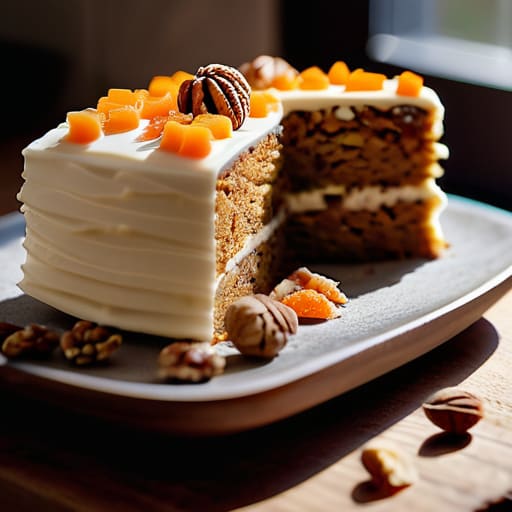
Now, if you’re looking to play with texture, let’s talk about the nuts. I’ve always found that most people treat walnuts like an afterthought, just something to toss in at the end, but they are vital to the architecture of the crumb. For my favorite walnut carrot cake variations, I suggest lightly toasting the halves in a dry pan first. It wakes up the oils and prevents them from feeling greasy against the sponge. If you want a bit of crunch that doesn’t feel heavy, chop them unevenly; you want some fine dust that integrates into the batter and some larger, jagged pieces that catch the light when you slice into it.
The real secret to a professional finish, however, is how the cake holds up under its weight. When you are working with moist carrot cake ingredients like oil and grated root, the cake can sometimes feel a bit too soft if you aren’t careful with your folding. You want a crumb that is tight enough to support a generous layer of a proper cream cheese frosting recipe, but loose enough to melt on the tongue. Don’t overmix once the flour hits the wet ingredients, or you’ll end up with a tough, bread-like texture instead of a delicate cake.
Five Things the Recipe Won't Tell You
- Stop looking at the clock and start looking at your batter. If you’re using a recipe that calls for oil and eggs, the batter should look heavy and glossy, not thin and runny. If it feels like it’s fighting you, you’ve likely over-mixed the flour, which develops gluten and turns a tender cake into something more akin to a muffin.
- Temperature is a silent ingredient. If your kitchen is drafty or your eggs have just come out of a cold refrigerator, your fat will seize or your emulsion will break. I always tell people to let their eggs and butter sit until they feel like they’re part of the room’s temperature; a cold egg in a warm batter is a recipe for a broken texture.
- Grate your own carrots; please. I know the pre-shredded bags in the supermarket look tempting when you’re tired, but those little orange sticks are dehydrated and woody. They won’t release their moisture into the crumb the way a fresh, juice-heavy carrot will, and you’ll end up with a cake that’s deceptively dry despite all the oil.
- Don’t be afraid of the weight of the spices. If you’re measuring by volume, you’re guessing. I prefer to think of my spice ratios—about 2% of the flour weight for cinnamon and a fraction of that for nutmeg. It ensures that the warmth of the spice sits in the background rather than shouting over the sweetness of the carrots.
- The cooling process is where most people fail. If you try to frost a carrot cake while it still has a hint of warmth in its center, the moisture from the cake will melt your cream cheese icing into a sugary puddle. A cake needs to be completely, stubbornly cold before it meets the spatula.
The Baker’s Final Notes
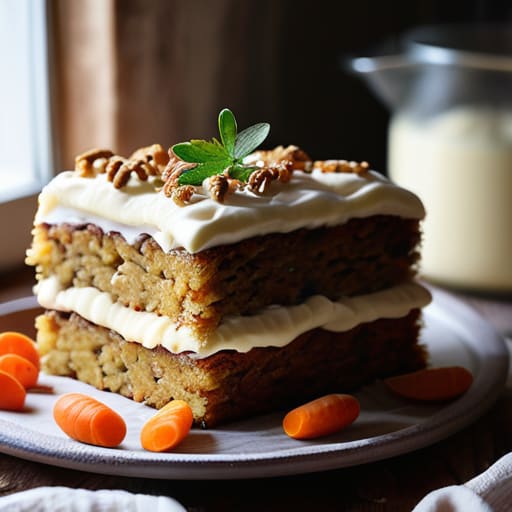
Stop looking at the clock and start looking at the batter; if your carrots are particularly juicy, you might need to hold back a splash of your liquid to keep the crumb from becoming a heavy, sodden mess.
Spices are alive, not static; if your cinnamon has been sitting in the back of the pantry since the last decade, it won’t provide the warmth the cake needs, so taste it first—if it doesn’t smell like a hug, don’t bother using it.
Temperature is the silent partner in every bake; if your kitchen is drafty, your fats will behave differently, so don’t panic if the batter feels a bit stiff—just trust the weight of the ingredients and the heat of your oven.
The Baker’s Final Word
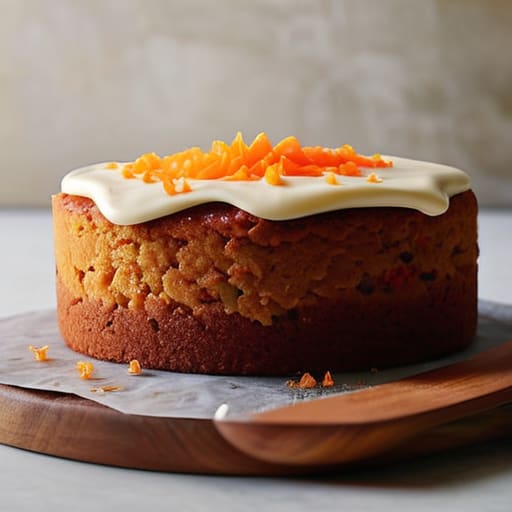
At the end of the day, a proper carrot cake isn’t about following a list of instructions to the letter; it is about understanding how those ingredients behave when they meet the heat. We have talked about why you need to weigh your spices to avoid a bitter finish and why the moisture from your carrots is more reliable than any liquid measurement you’ll find in a book. Remember that the crumb depends on how you handle the batter—if you overwork it, you’ll end up with a heavy, tired sponge rather than something light and tender. It comes down to the balance of texture and temperature, ensuring your spices are fragrant and your fats are perfectly emulsified before they ever hit the oven.
If your first attempt isn’t quite the masterpiece you saw in a glossy magazine, don’t you dare throw in the towel. Most “failures” are simply lessons in disguise, telling you that your kitchen was a bit too drafty or perhaps you let the batter sit a moment too long. Baking is a conversation between you and the ingredients, and sometimes you just need to listen a little more closely. Stop worrying about whether it looks exactly like a photograph and start focusing on how it smells when you crack that oven door. Trust your senses, respect the time the cake demands, and eventually, you’ll find your own rhythm.
Frequently Asked Questions
My cake came out dense and heavy instead of light; did I overwork the batter after adding the flour?
It’s a common mistake, but it’s rarely just about the mixing. If you overworked the batter, yes, you developed too much gluten, turning a delicate crumb into something more akin to a heavy loaf of bread. However, check your leavening too. If your baking powder is old or your oven was a few degrees too cool, that weight won’t lift. Fold your flour in until the white streaks just disappear, then stop.
How do I know if my carrots are providing enough moisture, or if I've gone too far and turned the batter into a soup?
Stop looking at the bowl and start looking at the batter’s movement. If it’s sloshing like a soup, you’ve let the carrots weep too much juice; you need to squeeze them dry in a clean tea towel first. You’re looking for a batter that is heavy and holds its shape for a second before settling. It should feel thick, almost reluctant to pour, clinging to the spoon with a certain weight.
Should I adjust my oven temperature if my kitchen is particularly drafty, or will that just dry out the edges?
Don’t touch the dial. If your kitchen is drafty, the oven temperature stays exactly where the recipe says it should be. If you crank the heat to compensate for the chill in the air, you’ll end up with a cake that’s burnt on the outside and raw in the middle. Instead, preheat your oven for a good twenty minutes longer than usual to ensure the heat is truly stable, and keep your door shut tight.