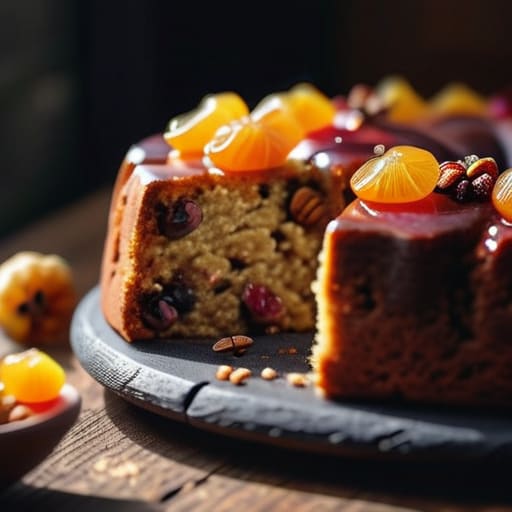
Fruit Cake Is a Long Game
Most people think that learning how to make a fruit cake is about finding a fancy recipe with exotic spices or expensive brandy, but they’ve got it backwards. After thirty-four years of watching people walk into my shop with disappointment in their eyes, I can tell you that the recipe is rarely the culprit; it’s the impatience that kills the cake. I remember a young man once asking me why his holiday loaf was nothing but a soggy, heavy brick despite following a cookbook to the letter. He had tried to bake it the same day he prepared it, treating the fruit like it was just another ingredient to be tossed in and forgotten. He didn’t realize that a proper fruit cake isn’t baked; it is nurtured over time. I’m not here to give you a list of measurements that rely on fickle measuring cups or tell you that a…
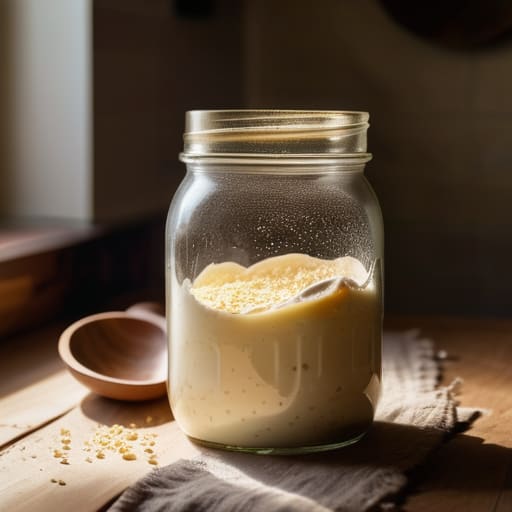
The Complete Guide to Sourdough Starters
Stop buying those fancy “starter kits” with the pre-measured organic flours and the sterile glass jars that look more like laboratory equipment than kitchen tools. If you think a hundred-dollar box is going to do the heavy lifting for you, you’ve been misled. Most of these online tutorials treat a sourdough starter like a delicate chemistry experiment that requires a laboratory setting, but that’s nonsense. A starter isn’t a specimen; it’s a living, breathing thing that wants to grow, provided you stop overthinking it and start paying attention to your kitchen. This isn’t a complete guide to sourdough starters designed to sell you more gadgets; it’s a way to help you finally understand the life sitting in your jar. I’m not going to give you a list of precise, impossible-to-follow instructions that assume your kitchen is a climate-controlled vacuum. Instead, I’m going to teach you how to read the bubbles…
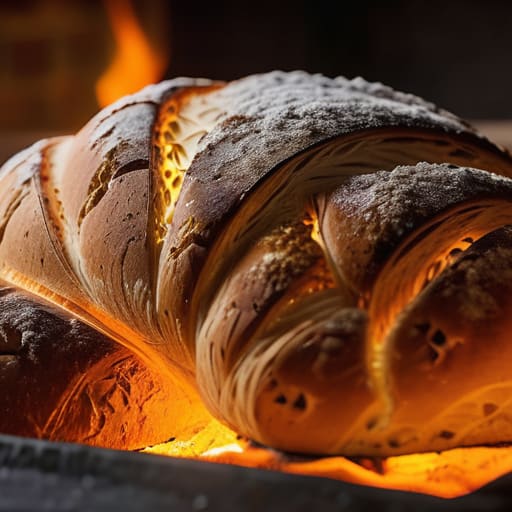
Crust Is Steam, Then Heat, Then Patience
I remember standing before my old wood-fired oven at four in the morning, my shoulders aching and the air thick with the scent of toasted grain, watching a loaf emerge with a crust so dull it looked like wet cardboard. I had followed every “professional” tip the magazines threw at me, yet I still couldn’t figure out how to get a better crust that actually sang when you sliced it. People will try to sell you expensive steam injection ovens or specialized stone decks, claiming those are the secrets, but they’re just selling you hardware to mask a lack of understanding. A crust isn’t something you buy; it’s something you earn through heat and moisture. I’m not here to give you a shopping list of gadgets or a complicated ritual that requires a degree in thermodynamics. Instead, I’m going to tell you what is actually happening inside that oven when…
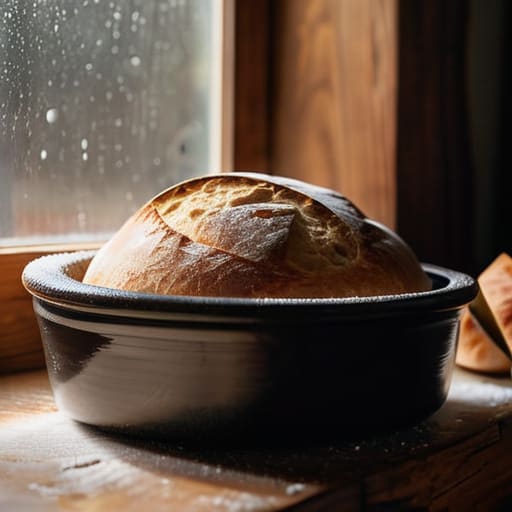
Proving in a Cold House Without Waiting All Day
I remember a Tuesday in mid-January, back when I was still running the shop, staring at a bowl of dough that felt more like a block of ice than a living thing. The radiator was clanking, my hands were numb, and the clock was mocking me because the recipe said the dough should have doubled by now. Most people will tell you to buy a specialized proofing box or a heated proofer to solve your problems, but that is just more expensive clutter for your counter. The truth about how to prove dough in a cold kitchen isn’t found in a gadget; it’s found in understanding that yeast is a living creature that reacts to its environment, not a timer on a machine. I am not going to give you a list of fancy tools you don’t need or tell you to follow a rigid schedule that ignores the reality…

Temperature Is Your Speed Dial
I remember a Tuesday in mid-November, back when the bakery was still mine and the wind was howling through the cracks in the window frames. I had followed a sourdough recipe to the gram, used the finest flour, and even gave the dough a gentle, respectful touch—yet when I went to score it, the loaf sat there like a heavy, lifeless stone. I didn’t need a new brand of flour or a fancy digital proofing box; I just needed to realize that my kitchen had dropped five degrees and my yeast had gone into hiding. Most people spend far too much money on gadgets when they should be learning how temperature controls fermentation by simply feeling the air on their skin. I am not here to sell you a specialized proofer or a complicated piece of software that promises perfection at the touch of a button. Instead, I’m going to…
Dutch Process Cocoa Changes Your Raising Agent
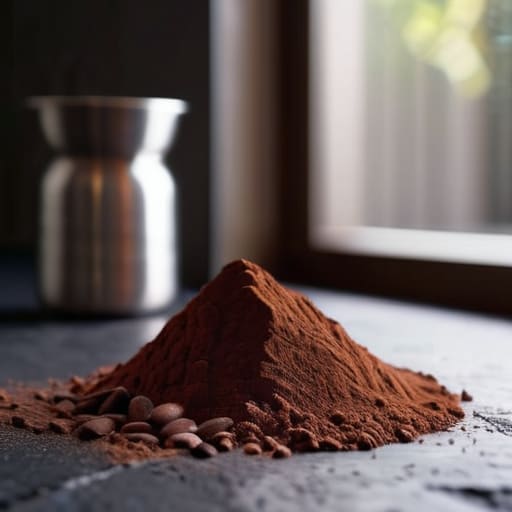
I remember a young man once came into my shop, clutching a high-end recipe book like it was a holy text, insisting his brownies were coming out dry and crumbly despite using the most expensive dark bar he could find. He’d swapped the melted chocolate for a handful of cocoa powder without adjusting a single thing, expecting the same result. That’s the trouble with most modern baking advice; it treats ingredients like interchangeable tokens in a game, completely ignoring how cocoa and chocolate differ in baking. One is a concentrated, lean powder that demands more fat and liquid to behave, while the other is a complex, structural marriage of solids and cocoa butter that carries its own weight. I’m not here to sell you on fancy brands or tell you that you need a professional kitchen to get this right. I’m going to show you exactly what happens to your…
Stopping a Fruit Pie Flooding
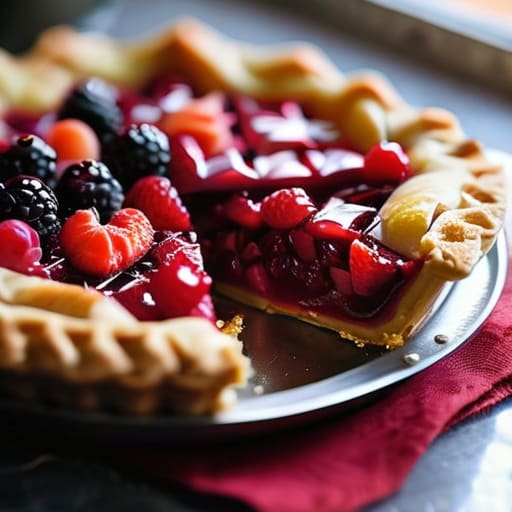
Stop looking for the “perfect” recipe for fruit pie; you won’t find it in a glossy cookbook or a list of thirty-seven precise measurements for a single apple. Most people think learning how to make a fruit pie is about mastering a specific ratio of sugar to fruit, but they’ve got it backward. The secret isn’t in the pantry; it’s in the temperature of your fingertips and the way the fruit yields when you press it. I spent thirty-four years watching people ruin perfectly good seasonal berries because they were too busy reading a screen and not busy enough watching the steam escape the crust. I’m not here to give you a list of instructions that ignore the reality of a warm kitchen or a bruised peach. Instead, I’m going to show you how to listen to your dough and respect the fruit you’ve chosen. We are going to talk…
The Rise That Happens After It Goes in
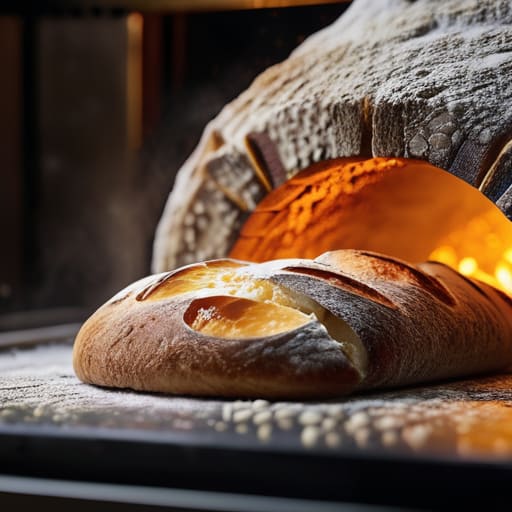
I remember standing in my shop at four in the morning, watching the steam rise off a fresh batch of sourdough, feeling that specific, quiet ache in my shoulders that told me it was time to slow down. There is nothing quite like the sight of a loaf hitting the stone and suddenly stretching toward the ceiling, but I see too many people online buying expensive steam-injection ovens or high-tech gadgets thinking that’s the secret. They treat it like a magic trick, but understanding how oven spring happens isn’t about the hardware you buy; it’s about the life inside the dough. If your loaf comes out looking like a flat, dense brick instead of a proud, airy boule, you haven’t failed the recipe—you’ve likely just ignored the temperature or the tension. I’m not here to sell you a fancy piece of equipment or a complicated gadget. I’m going to tell…
The Complete Guide to Sourdough
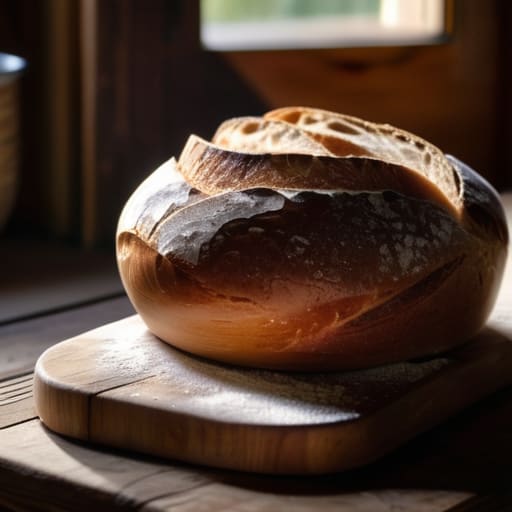
If you’ve spent any time scrolling through your phone lately, you’ve likely been bombarded with some glossy, over-produced “complete guide to sourdough” that promises perfection if you just buy a specific ceramic jar or a designer proofing basket. Let me tell you something: your dough doesn’t care about your aesthetic, and it certainly doesn’t care about your expensive gadgets. Most of these guides treat baking like a chemistry experiment gone wrong, leaving you staring at a flat, sour brick and wondering which “essential” tool you missed. They focus on the look of the crust in a photograph, but they completely ignore the fact that your kitchen is ten degrees too cold or that you’re being far too aggressive with your folds. I’m not here to sell you a lifestyle or a piece of equipment; I’m here to teach you how to read the dough with your hands. In this guide,…
Moisture in Chocolate Cake Comes From the Liquid
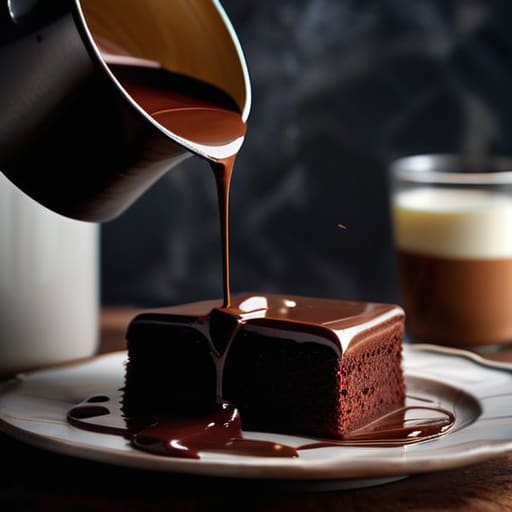
I’ve spent more time than I care to admit watching people throw money at “luxury” cocoa powders and expensive emulsifiers, thinking that’s the secret to a perfect crumb. They treat a recipe like a chemistry experiment gone wrong, when the truth is much simpler. If you’ve ever stared at a slice of cake that looks beautiful in a magazine but feels like eating a piece of sweetened drywall, you know the frustration. Most people struggle with how to make a chocolate cake that is moist because they are chasing a photograph instead of understanding the physics of fat and heat. You don’t need a pantry full of specialty imports; you need to understand why your oven is stealing your moisture before the cake even hits the cooling rack. I’m not going to give you a list of fancy ingredients that cost more than my morning flour delivery. Instead, I’m going…