I remember a Tuesday morning in the bakery, back when my shoulders didn’t ache quite so much, watching a young apprentice try to fix a split, greasy mess of chocolate by frantically whisking in more cold cream. He thought he needed a more expensive brand of couverture or a fancy stabilizer, but he was just fighting the physics of it. People get so caught up in buying the priciest chocolate that they completely forget that understanding how ganache is made and used is actually a lesson in temperature and patience. It isn’t some temperamental magic trick that requires a culinary degree; it is simply a matter of letting fat and liquid find their way to each other without being bullied.
I’m not going to give you a list of fancy equipment you don’t need or promise you a “miracle” glaze. Instead, I’m going to tell you the truth about ratios—and yes, we will be using percentages, not cups—so you can actually predict how your mixture will behave. I’ll show you how to control the heat so you don’t break your emulsion, and exactly how to use it, whether you need a pourable glaze or a firm truffle center.
Emulsifying Chocolate and Heavy Cream With a Steady Hand
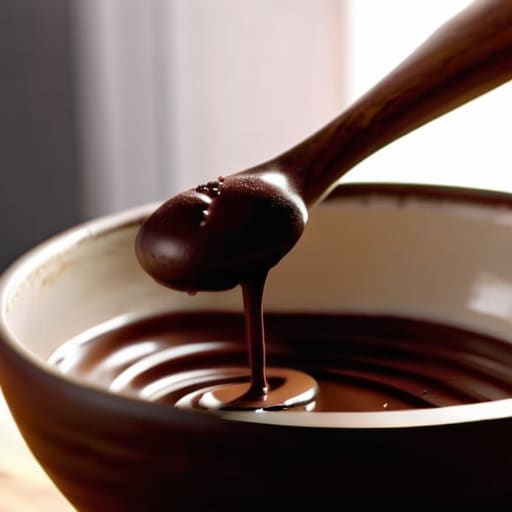
Now, listen closely, because this is where most people lose their nerve. You aren’t just pouring liquid into solids; you are asking two completely different substances to become one. When you’re emulsifying chocolate and heavy cream, the secret isn’t in the whisking—it’s in the temperature and the stillness. If you pour that hot cream over your finely chopped chocolate and immediately start beating it like it owes you money, you’ll shatter the emulsion. You’ll end up with a greasy, separated mess that looks more like curdled milk than silk. Instead, let the heat do the heavy lifting. Let the cream sit on the chocolate for a minute or two, then stir from the center outward in small, steady circles. You’re looking for that moment when the fat and the water finally shake hands and decide to stay together.
If you see tiny beads of oil weeping to the sides, don’t panic; that’s just a sign you’ve rushed the process. Troubleshooting broken ganache usually comes down to heat management. If it splits, try adding a teaspoon of room-temperature milk and whisking gently—sometimes a little extra liquid is all it needs to find its footing again.
Mastering Chocolate Ganache Ratios for Glazing and Perfection
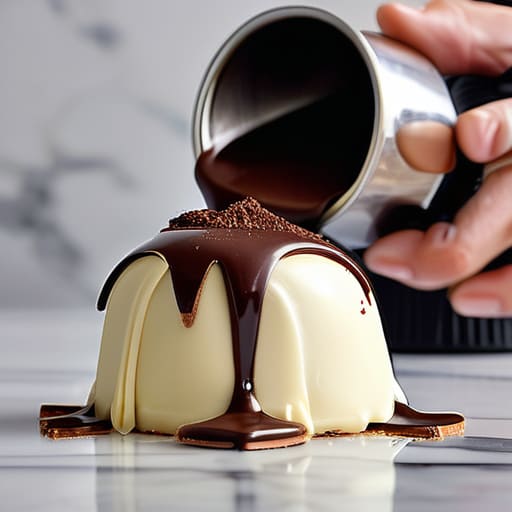
If you want to master your chocolate ganache ratios for glazing and perfection, you have to stop thinking in “cups” and start thinking in percentages. In my shop, we never guessed. If you want a pourable glaze that clings to a cake like a silk shroud, you’re looking at roughly a 50% chocolate to 50% cream ratio. But if you’re looking for a stable ganache consistency for fillings—the kind that holds its shape when you pipe a rosette—you’ll need to lean heavier on the chocolate, perhaps a 2:1 ratio.
The math changes depending on your cocoa solids, too. You’ll find that dark chocolate vs milk chocolate ganache behave entirely differently; milk chocolate contains more milk solids and sugar, which means it sets softer and can feel quite heavy if you don’t adjust your liquid. I always tell my apprentices: listen to the chocolate. If it feels too stiff, it’s likely because your chocolate had a higher cocoa percentage than you accounted for. Don’t panic and dump in more cream blindly—just add it a teaspoon at a time until the texture tells you it’s ready.
Five things I learned from thirty years of broken emulsions
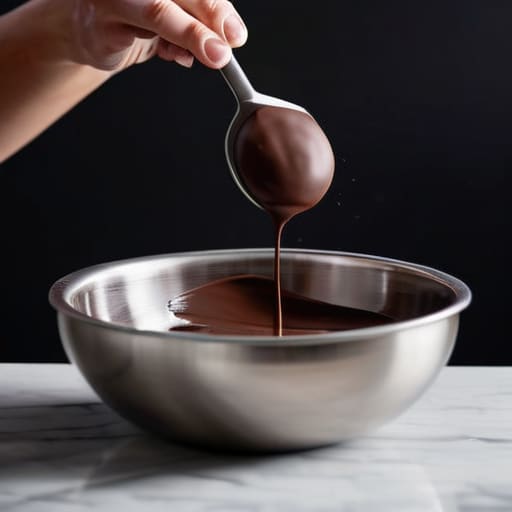
- Temperature isn’t a suggestion; it’s the law. If your cream is boiling like a tea kettle, you’ll scald the chocolate and ruin the texture. You want it just at the edge of a simmer—enough to melt the chocolate, but not enough to shock it into a grainy mess.
- Stop stirring like you’re trying to beat a rug. When you’re building that emulsion, use a spatula and work from the center outward in small, steady circles. You’re coaxing the fat and the liquid to become friends, not forcing them into a fight.
- If you see oil separating and your ganache looks like a greasy puddle, don’t throw it away. It’s just lost its way. Add a tiny splash of room-temperature milk or cream and whisk it in vigorously; usually, you can coax it back into a smooth state if you don’t panic.
- Respect the set time. A ganache might look ready five minutes after you’ve mixed it, but it hasn’t finished its work yet. If you’re using it as a filling, give it the time to settle at room temperature. Forcing it to work before it’s ready is how you end up with a runny center.
- Use the weight of your chocolate, not the volume. A cup of chocolate chips is a lie told by manufacturers; some are larger, some are denser. If you want a 2:1 ratio for a firm truffle or a 1:1 for a pourable glaze, use a scale. Percentages don’t lie, but measuring cups certainly do.
What to remember when your ganache is on the stove
Forget the “one-size-fits-all” approach; your ratio is dictated by your goal, whether that’s a pourable glaze at 50% chocolate or a firm truffle center at 80%, and you must adjust your liquid to your specific cocoa percentage.
An emulsion is a living thing, not a static recipe, so if you see oil separating, stop stirring frantically and start whisking gently from the center to coax those fats back into the liquid.
Temperature is your silent partner, meaning you must let the ganache sit undisturbed to reach its working state rather than forcing it to set in a refrigerator, which only bruises the texture.
The Heart of the Ganache
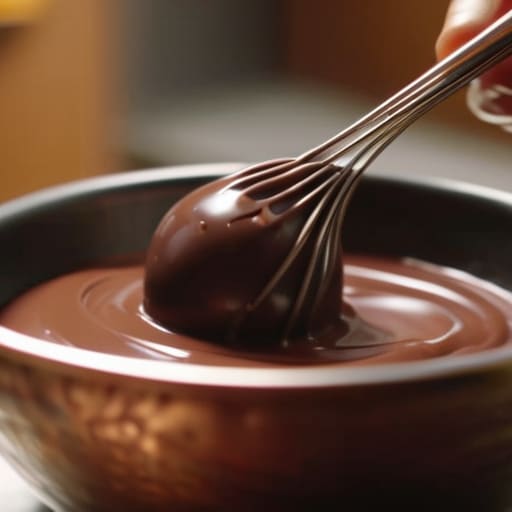
At the end of the day, making a proper ganache comes down to respecting the physics of the ingredients. You’ve learned that the ratio is your map—whether you’re aiming for a thick, stable 50% hydration for a filling or a thinner, pourable glaze—but the map isn’t the journey. You have to watch the temperature, feel the resistance of the whisk, and understand that emulsion is a living thing. If you rush the cream or shock the chocolate, the fat will separate and leave you with nothing but a greasy mess. It isn’t a failure of the recipe; it is simply a failure to listen to the texture as it comes together.
Don’t let a broken emulsion discourage you. Even after thirty-four years of pulling trays out of a hot oven, I’ve had my share of split sauces. The difference between a novice and a baker is simply the willingness to start again and the patience to let the ingredients find their equilibrium. Chocolate is a forgiving medium if you treat it with respect, and it is a demanding one if you try to bully it. So, keep your weights precise, keep your hands steady, and remember that true mastery is found in the quiet moments between the heat and the pour. Now, get back in the kitchen and try again.
Frequently Asked Questions
Why does my ganache look grainy or separated even though I followed the ratios?
If your ratios are correct but your ganache looks like curdled milk, you haven’t failed the recipe; you’ve failed the emulsion. You likely introduced the cream too fast or, more often, your chocolate was too cold when the liquid hit it. When the fat and water refuse to shake hands, you get graininess. Don’t panic—grab a stick blender or whisk vigorously with a tiny splash of warm cream to coax them back together.
Can I use a different kind of fat, like butter or oil, to make the glaze shinier?
You could, but you’ll be trading stability for a bit of shine, and I’m not sure that’s a trade worth making. Adding butter—what we call a monté au beurre—will give you a lovely, satiny gloss and a richer mouthfeel, but it makes the glaze temperamental. It’ll soften quickly in a warm room. Oil is even more fickle; it can break your emulsion if you aren’t careful. Stick to the cream and keep your temperatures steady.
How do I know when the ganache is at the right temperature to pour without seizing the chocolate?
You don’t look for a number on a dial; you look for the way the light hits it. If it’s too hot, it’ll look thin and watery, and you’ll lose that deep, dark luster. If it’s too cool, it’ll look heavy and sluggish, like it’s fighting you. You want it to hold a soft, slow ripple when you move the bowl—thick enough to coat a spoon but fluid enough to flow like silk.