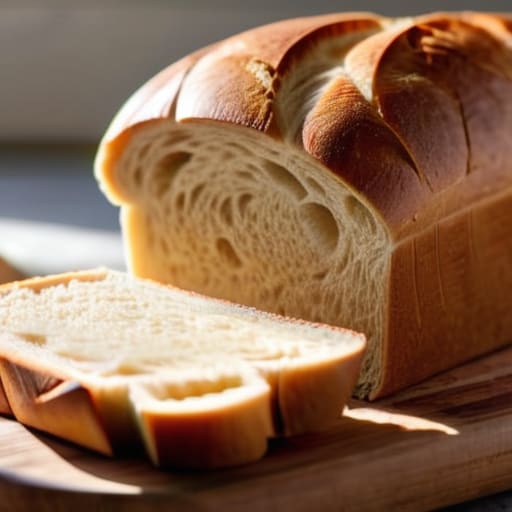
I’ve spent forty years watching people treat a trifle like a frantic construction project rather than a slow, deliberate assembly of textures. You’ll see them in the shops, buying pre-made, gelatinous sponges that have the structural integrity of a wet sponge and the flavor of nothing at all, thinking that’s the secret to how to make trifle properly. They think more layers and more expensive sherry will hide a multitude of sins, but they’re wrong. A trifle shouldn’t be a frantic race to the bottom of a glass bowl; it should be a study in patience, where every soak and every fold has a purpose.
I’m not going to give you a list of fancy gadgets or tell you to buy gold leaf for your fruit. Instead, I’m going to teach you how to respect the weight of your custard and the absorption rate of your sponge. We are going to talk about the physics of the soak and why your cream needs to be whipped to a specific, soft peak rather than a stiff, unyielding mountain. I’ll show you how to build something that holds its own weight but melts the moment it hits the tongue.
The Architecture of Classic English Trifle Components
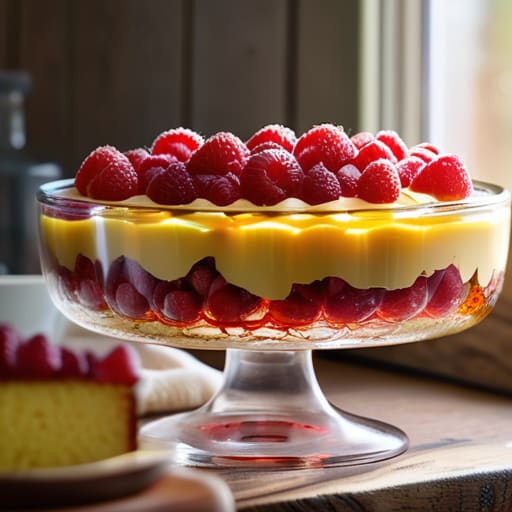
A trifle isn’t a salad; it’s a structural feat. If you treat it like a bowl of leftovers, you’ll end up with a sodden mess. To get the architecture right, you have to understand the weight of each layer. You start with the foundation: the sponge. Whether you’re using ladyfingers or a homemade Genoise, you aren’t just layering sponge cake and fruit; you are creating a reservoir. The sponge needs enough structure to hold the juice without turning into mush, but enough porosity to drink it in. If your cake is too dry, it’ll sit there like a stone; too wet, and the whole thing collapses by dessert.
Then comes the custard, the glue that holds the dream together. I don’t care for those instant powders that taste like nothing. You want a real crème anglaise or a thick pastry cream—something with enough body to stand its ground. Achieving the perfect custard texture for desserts means it must be thick enough to coat the back of a spoon, yet silky enough to melt the moment it hits your tongue. If it’s too runny, it seeps into the sponge too fast, ruining the distinct lines that make a trifle look like the masterpiece it is.
Layering Sponge Cake and Fruit Without Rushing the Soak
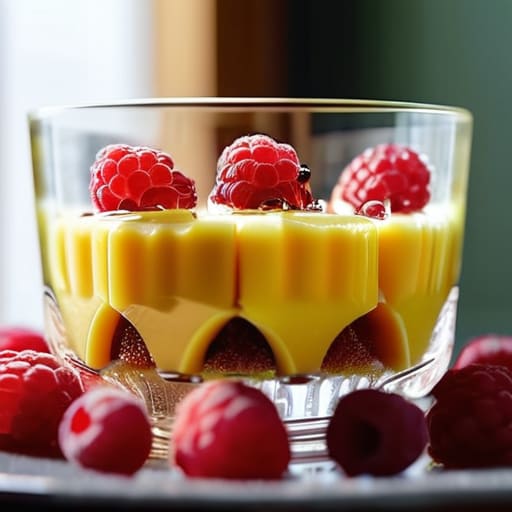
Now, listen closely, because this is where most people lose the battle: you cannot treat sponge cake like a dry foundation. If you simply pile it in, you’ll end up with a dessert that is either a sodden, weeping mess at the bottom or a series of dry, choking crumbs at the top. When you are layering sponge cake and fruit, you must think about the migration of moisture. I like to soak my cubes in a bit of sherry or fruit juice first, but you have to let that liquid settle into the crumb before it ever touches the glass. If the sponge is still resisting the liquid, it isn’t ready to meet the fruit.
Once your fruit is nestled against that damp sponge, don’t be in a hurry to pour your custard. I’ve seen too many beginners rush the assembly, only to find the layers sliding around like a landslide because the fruit wasn’t properly anchored. Patience is your best tool here. You want the fruit to sit in its own juices, creating a little well for the custard to rest upon. This isn’t just about looks; it’s about ensuring that every spoonful has the right weight and the right moisture from the very first bite.
Five Truths About the Assembly
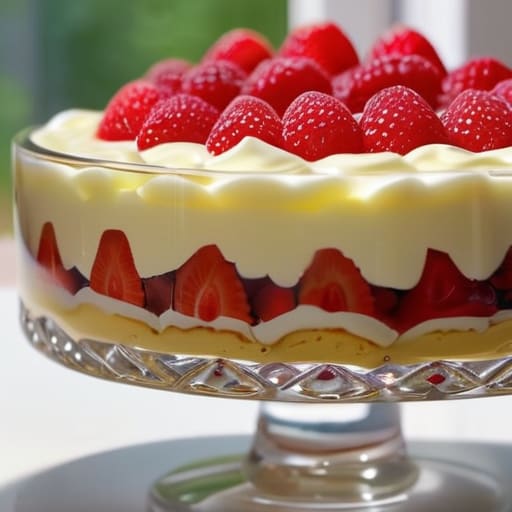
- Don’t fear the soak; if your sponge looks like it’s drowning, you’re doing it right, but give it time to settle so the fruit juice and sherry can actually reach the center of the crumb.
- Treat your custard like a living thing—it needs to be thick enough to hold its own weight against the cream, but smooth enough that it doesn’t feel like a heavy blanket when you spoon it out.
- Chill the components separately before they meet in the glass; if you try to layer warm custard onto a room-temperature sponge, you’ll end up with a muddy, weeping mess instead of distinct, beautiful strata.
- Use a heavy-bottomed bowl for your fruit maceration; you want the juices to be concentrated and syrupy, not thin and watery, because a trifle that runs like soup is a failure of patience, not a lack of sugar.
- Trust your hands over your eyes when it comes to the cream; whip it until it holds a soft, pillowy shape, but stop before it turns to butter, or you’ll find the texture far too cloying against the delicate sponge.
The Three Pillars of a Proper Trifle
Respect the soak; if your sponge is still fighting the custard or the sherry, you haven’t given it enough time to settle into its new identity.
Trust your hands over your eyes when layering; the weight of the cream and fruit should feel intentional, not like you’re just trying to make a pretty picture for a camera.
Temperature is your silent partner; let the components chill long enough for the flavors to actually marry, otherwise you’re just eating a bowl of cold, separate ingredients.
The Patience of the Final Layer
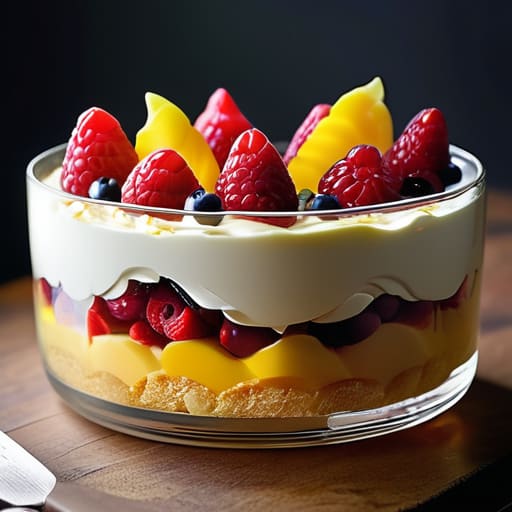
At the end of the day, a proper trifle isn’t built by following a checklist; it’s built by respecting the physics of the ingredients. You’ve ensured your sponge has the right amount of liquid to hold its shape without turning into mush, you’ve balanced the weight of the fruit against the richness of the custard, and you haven’t rushed the assembly. Remember that the custard needs to be thick enough to support the cream, not so thin that it bleeds into the cake layers like a poorly managed dough. If you’ve kept your temperatures steady and your layers distinct, you aren’t just looking at a dessert—you are looking at a structured masterpiece of moisture and cream.
Don’t let anyone tell you that a trifle is just a way to use up leftovers or a quick fix for a Sunday lunch. When you take that first spoonful and feel the way the sponge yields to the weight of the custard, you’ll realize that time is the invisible ingredient that makes it all work. It’s a lesson I learned standing over a hot oven at four in the morning: the best things in life cannot be forced or hurried. So, set your bowl in the fridge, walk away, and let the flavors marry in the quiet. Trust your hands, trust your measurements, and most importantly, trust the wait.
Frequently Asked Questions
My custard is coming out thin and runny rather than holding its own weight; did I mess up the starch or is my milk too hot?
It isn’t your milk temperature that’s the culprit; it’s likely your starch or your patience. If your custard won’t hold its own weight, you either didn’t cook it long enough to fully hydrate the cornflour, or your ratio is off. For a proper trifle, you need a custard with enough body to sit proud. Don’t just boil it; keep it moving over the heat until it thickens and coats the back of a spoon like heavy silk.
How do I know if I've let the sponge soak for too long without it turning into a structural mess at the bottom of the bowl?
You’ll know you’ve gone too far when the sponge loses its “memory.” A properly soaked sponge should feel heavy and saturated, but it should still hold its shape when you press it gently. If you poke it and it collapses into a mushy, weeping paste that refuses to spring back, you’ve drowned it. You want the cake to be a sponge for the liquid, not a reservoir that leaks into the custard.
Should I be chilling the individual layers separately to keep them distinct, or is it better to let the whole thing settle together in the fridge?
Don’t go making a mess of it by chilling layers one by one; you’ll only end up with a cold, disjointed bowl of parts. A trifle needs time to become a single, cohesive thing. Let the sponge soak, then add your fruit and custard, and let the whole assembly sit in the fridge together. It’s the settling of the entire weight that allows the flavors to marry and the textures to find their balance.