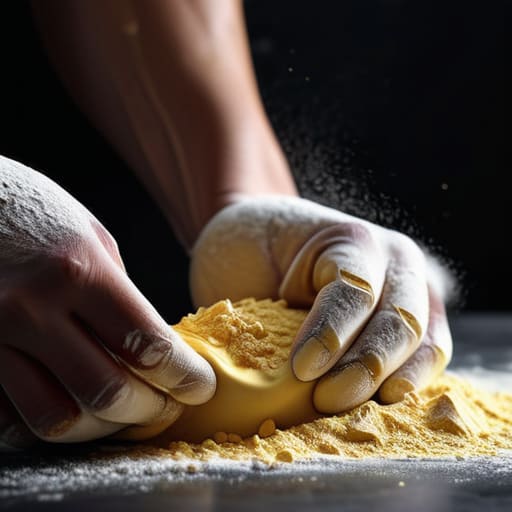
Fat Shortens Gluten and That Is the Point
I remember standing in my bakery at four in the morning, thirty years ago, staring at a batch of brioche that felt more like wet clay than dough. I had followed a recipe to the letter, yet the crumb was tight, stubborn, and utterly lifeless. People love to talk about “luxury ingredients” as if a gold-leafed pastry makes a good loaf, but they miss the fundamental science of how fat changes texture in the actual structure of the grain. It isn’t about making things expensive; it is about how a bit of butter or oil acts as a buffer, coating those gluten strands so they don’t fight each other quite so hard. I am not here to sell you on fancy emulsions or complicated culinary jargon that leaves your kitchen a mess. Instead, I want to show you how to feel the difference in your hands when you’re working with…
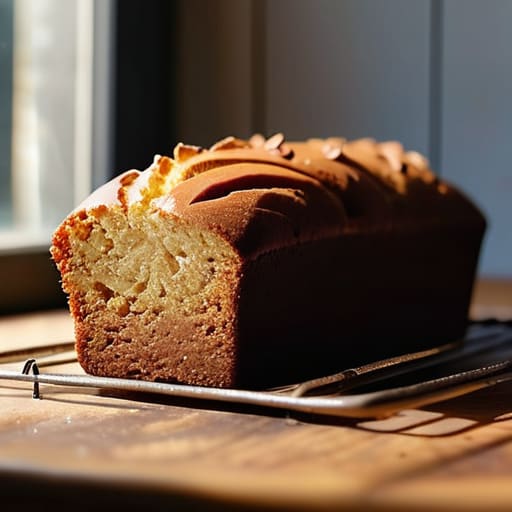
The Crack Down the Middle Is Normal
I’ve spent thirty-four years watching people throw money at expensive, specialized silicone molds and fancy convection settings, convinced that a piece of gear is the secret to how to make a loaf cake evenly. It’s a nonsense idea. I remember one rainy Tuesday in the shop, a young lad came in with a beautiful-looking cake that had a massive, sunken crater right down the middle, looking more like a canyon than a dessert. He blamed his oven, then his flour, then his luck, but he hadn’t even considered the physics of the heat or how he’d treated his batter before it ever touched the tin. I’m not here to sell you a new pan or a gadget that promises miracles. I want to talk to you about the things that actually matter: the weight of your ingredients, the temperature of your room, and why your oven is likely lying to…
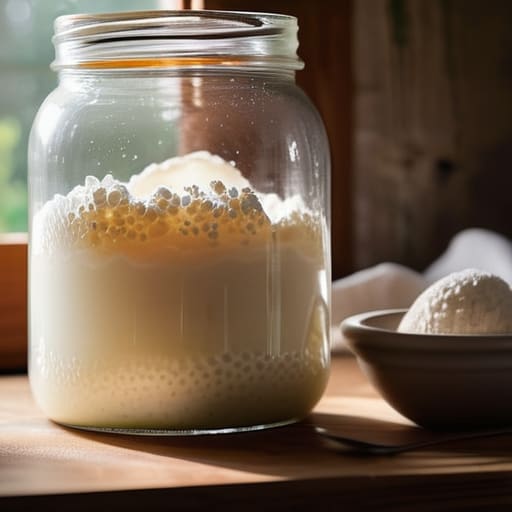
Bringing a Starter Back From the Back of the Fridge
I’ve lost count of how many “gurus” I’ve seen online trying to sell you expensive specialty flours or complex, twelve-step laboratory protocols just to fix a little bit of dormant yeast. It’s nonsense. If you’ve tucked your jar in the back of the fridge and forgotten about it for a month, you don’t need a chemistry degree or a boutique grain subscription; you just need to understand how to revive a neglected starter without losing your temper. I remember a time, back when I was running the village shop, when a particularly cold winter sent my own sourdough into a deep, sluggish slumber. I didn’t panic and throw it out; I simply sat with it, adjusted the temperature, and listened to what the bubbles were telling me. I’m not going to give you a checklist of miracles or tell you to buy fancy equipment you don’t need. Instead, I’m going…
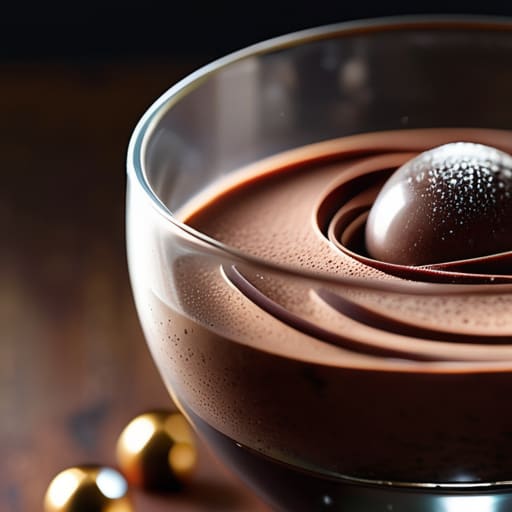
Mousse Is Aeration Held in Place
You don’t need a dozen fancy stabilizers or a chemistry degree to master how to make chocolate mousse; in fact, most of those additives are just a way to hide poor technique. I spent years watching people panic when their mousse turned into a grainy, weeping puddle, blaming the recipe when the real culprit was a bowl that was too warm or a whisking hand that was too impatient. It isn’t about the brand of cocoa you buy; it’s about the relationship between fat and temperature. If you treat the chocolate like a temperamental guest rather than a commodity, it will reward you. I’m not here to give you a list of ingredients and a glossy photograph to chase. Instead, I’m going to teach you to listen to the texture of the egg whites and feel the weight of the chocolate as it folds. We are going to focus on…

Drizzle Goes on Hot, Not Warm
Most people think that learning how to make lemon drizzle is all about finding the most expensive organic lemons or a “secret” zest technique, but they’re looking in the wrong direction. I spent thirty years behind a bakery counter watching people walk out with dry, heavy sponges simply because they treated the batter like a chemistry experiment instead of a living thing. The truth is, a lemon drizzle lives or dies by the temperature of your ingredients and the way you handle that sugar syrup while the cake is still breathing. If you pour that drizzle onto a cold cake, it just sits there like a sad, wet puddle instead of soaking into the very heart of the crumb. I’m not going to give you a list of fancy gadgets or tell you that you need a professional kitchen to get this right. Instead, I’m going to show you the…
Reading a Starter Instead of Testing It
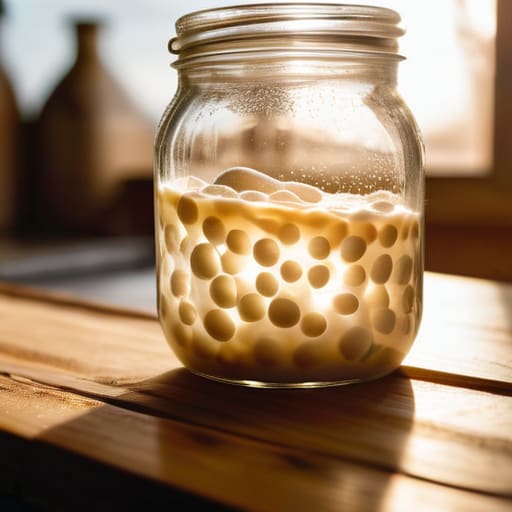
I’ve lost count of how many times I’ve seen a glossy cookbook claim you need a laboratory-grade pH meter or a perfectly timed stopwatch to know when to bake. It’s nonsense. People spend far too much money on gadgets when they should be spending more time actually looking at their flour and water. You don’t need a digital readout to understand how to tell if a starter is ready; you need to stop treating it like a math equation and start treating it like a living thing. I remember a young apprentice back in the nineties who nearly threw away a perfectly good batch because it hadn’t doubled in exactly forty-five minutes, missing the fact that the kitchen was drafty and the yeast was simply taking its time. I’m not here to give you a checklist of arbitrary numbers or tell you to trust a photograph of a bubbly jar.…
The Complete Guide to Bread Problems
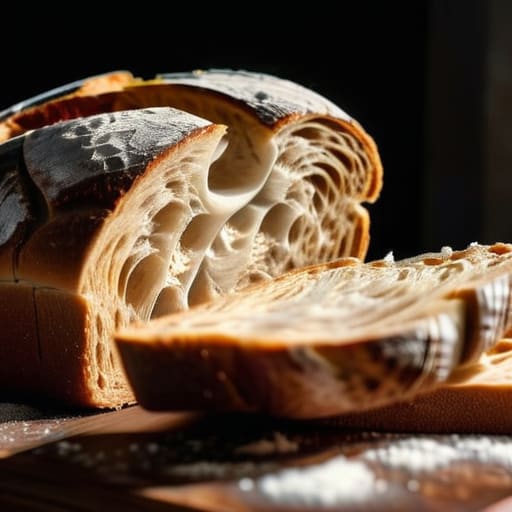
I can still smell the damp flour and the sharp, sour tang of a failed batch from a Tuesday morning in 1994, when I sat on a flour sack and wept because my boules came out looking like leaden bricks. Everyone told me I needed a more expensive mixer or a fancy digital scale, but they were wrong; the problem wasn’t my gear, it was that I was fighting the air in my own kitchen. If you are looking for a complete guide to bread troubleshooting that tells you to buy a new gadget every time your crumb is too tight, you can close this page right now. Most of the “experts” online are selling you solutions to problems that don’t exist, ignoring the fact that bread is a living thing that responds to the room, not just the recipe. I’m not here to give you a checklist of expensive…
Sugar Does Four Jobs and Sweetness Is Only One
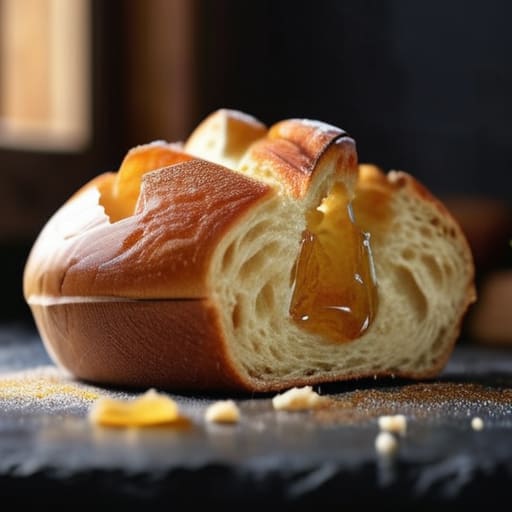
I remember standing over a cooling rack at four in the morning, staring at a batch of brioche that had turned out more like heavy, yellow bricks than the pillowy clouds I’d promised the village. I had followed a recipe to the letter, but I’d ignored the way the sweetness was fighting the yeast. People treat sugar like it’s just there to make things taste pretty, but if you don’t understand how sugar affects a bake, you’re essentially playing a guessing game with your oven. It isn’t just a sweetener; it’s a structural architect that can either lift your dough or weigh it down into a dense, sugary mess if you don’t respect its power. I’m not here to give you a list of fancy syrups or tell you to buy expensive extracts. I want to talk about the mechanics of the crumb and the chemistry of the crust. We…
Curd Thickens Below Boiling, Never Above
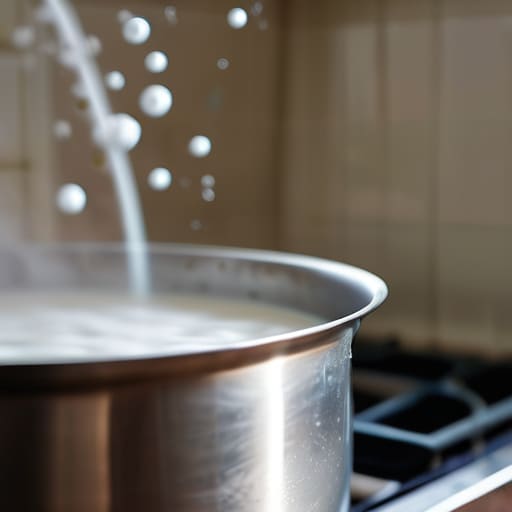
I remember standing in my bakery at four in the morning, the air thick with the scent of proofing dough, watching a young apprentice try to force a batch of curd by cranking up the heat. He thought he could bully the milk into thickening by sheer force of will, but all he did was scorch the bottom and kill the very life he was trying to cultivate. People make how to make curd sound like some high-stakes laboratory experiment involving expensive thermometers and specialized cultures, but they miss the point entirely. It isn’t about the gadgets; it’s about understanding that you are managing a living, breathing transition from liquid to solid, and nature doesn’t respond well to being rushed. I’m not here to give you a list of fancy equipment you don’t need or a recipe that relies on luck. I’m going to show you how to listen to…
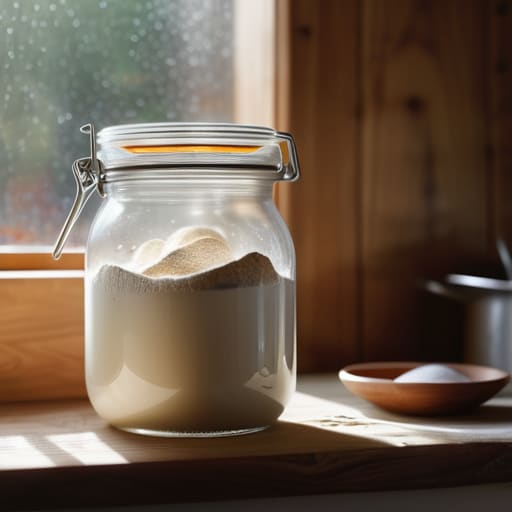
Feeding a Starter Around a Normal Life
I can still smell it if I close my eyes—that sharp, fermented tang hitting the back of my throat at four in the morning, long before the sun even thought about touching the village square. Back then, I didn’t have fancy digital scales or temperature-controlled proofing boxes; I just had a heavy stoneware crock and the feel of the air in the kitchen. People will try to sell you expensive kits or complex schedules, telling you that you need a laboratory setup just to learn how to maintain a starter without it dying on you. They make it sound like a chemistry experiment, but they’re wrong. It isn’t about following a rigid, mechanical ritual; it’s about learning to listen to the life breathing inside that jar. I’m not here to give you a checklist of chores that will make you resent your kitchen. Instead, I’m going to show you how…