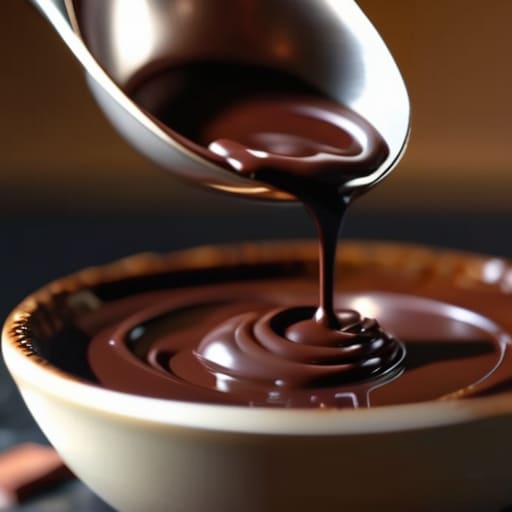
Melting Chocolate Without Seizing It
I remember standing in my shop at five in the morning, the air thick with the scent of yeast, watching a young apprentice try to melt a batch of couverture using a microwave because he was in a hurry. Within minutes, the chocolate had seized into a grainy, scorched mess that looked more like wet sand than silk. People spend a fortune on fancy gadgets and expensive molds, thinking that’s the secret to how to work with chocolate at home, but they forget that chocolate is a living thing that responds to heat and moisture with an attitude. If you treat it like a mindless ingredient, it will punish you for it every single time. I am not here to sell you on some expensive tempering machine or a complicated set of rules that require a degree in chemistry. Instead, I want to teach you the feel of the process—the…
The Complete Guide to Pizza Dough
If you’ve spent any time scrolling through those glossy recipe sites, you’ve likely been told that a “complete guide to pizza dough” requires a specialized stone imported from Italy, a high-tech mixer, or a sourdough starter that you have to nurse like a sickly newborn. It’s nonsense. I spent thirty-four years waking up at four in the morning to the smell of yeast and woodsmoke, and I can tell you that the most expensive gadget in your kitchen won’t save a dough that was handled too roughly or rushed through its rise because you were hungry. Most people fail not because they lack the right equipment, but because they are trying to follow a clock instead of listening to the flour. I’m not here to sell you a lifestyle or a fancy countertop stand; I’m here to give you the truth about hydration, temperature, and timing. This isn’t a list…

Why the Fruit Ends Up at the Bottom
I remember standing over a flour-dusted bench at four in the morning, staring in disbelief at a batch of blueberry muffins that looked more like a graveyard of purple stones than a light, airy sponge. I had followed every “expert” tip on the internet, yet there they were, all the fruit huddled at the bottom like they were seeking warmth. Most people will tell you that you need some fancy, expensive stabilizer or a specific brand of thickener to fix it, but they’re selling you nonsense. The truth about how to stop fruit sinking isn’t found in a specialty aisle; it’s found in the density of your batter and the way you respect the physics of your ingredients. I’m not going to give you a list of magic powders or tell you to buy a different oven. Instead, I’m going to tell you why your hydration levels are betraying you…
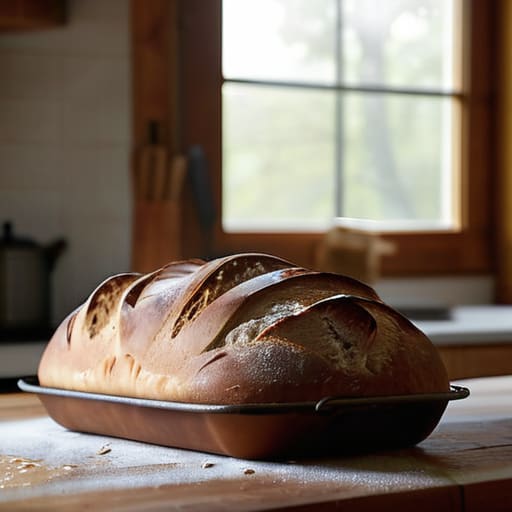
Sourdough Without a Bakery Oven
I’ve spent half my life watching people throw money at expensive steam injectors and heavy-duty deck ovens, convinced that a professional-grade setup is the only way to get a decent crust. It’s a nonsense notion. If you’ve been staring at a flat, pale loaf and wondering how to bake sourdough in a domestic oven without a commercial setup, you aren’t lacking equipment; you’re likely just fighting a losing battle against unpredictable heat. I spent thirty-four years working a wood-fired oven that had the temperament of a moody child, and if that taught me anything, it’s that a piece of metal in your kitchen can be mastered if you stop treating it like a set-it-and-forget-it appliance. I’m not going to give you a list of fancy gadgets you don’t need or a recipe that requires a degree in thermodynamics. Instead, I’m going to tell you how to listen to your dough…
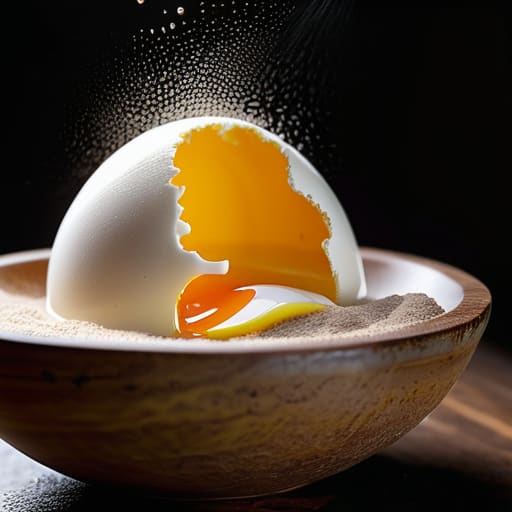
What Each Part of an Egg Contributes
I remember a Tuesday morning back in ’94, around three in the morning, when a batch of brioche came out of my oven looking more like dense, yellow bricks than airy clouds. I had followed the recipe to the letter, but I hadn’t accounted for the fact that my eggs were pulled straight from a cold cellar rather than sitting on the counter. That’s the thing about people who treat ingredients like static numbers on a page; they never stop to ask how eggs work in baking when the temperature of the kitchen shifts. An egg isn’t just a measurement you tick off a list; it is a living, changing variable of fat and protein that can either lift your sponge or sink your entire afternoon if you treat it with indifference. I’m not here to sell you on some expensive, artisanal egg-whisking technique or a gadget that promises perfection.…
The Complete Guide to Flatbreads
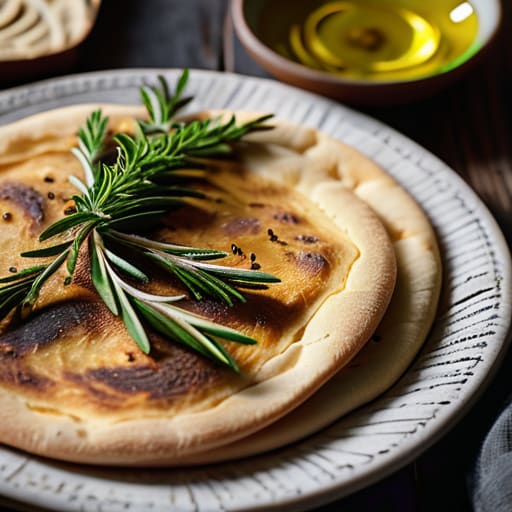
I’ve spent half my life watching people walk into my shop, clutching a smartphone and asking for a “complete guide to flatbreads” that involves expensive stone ovens, fancy imported grains, and a list of equipment that costs more than my first car. It’s nonsense. You don’t need a specialized marble slab or a degree in culinary arts to make a decent piece of bread; you just need to stop treating your kitchen like a laboratory and start treating your dough like a living thing. Most of those glossy guides will tell you that if your bread is tough or won’t bubble, you bought the wrong flour, but they’re lying to you. I’m not here to sell you a gadget or a complicated ritual. I’m going to give you the truth, written in weights and percentages, because I want you to understand the rhythm of the dough rather than just following…

Fitting Sourdough Around a Working Day
I remember standing in my bakery at four in the morning, the air thick with the scent of toasted grain and the damp chill that settles in your bones before the sun dares to rise. I once had a young apprentice who thought he could conquer a batch of rye by simply staring at a digital timer, convinced that if he followed the clock to the second, the bread would obey. He didn’t realize that a kitchen is a living thing, not a laboratory. Most people spend their lives fighting against the clock, trying to force a schedule onto a culture that has its own rhythm, but understanding how sourdough timing works isn’t about mastering a stopwatch; it’s about learning to read the life inside the bowl. I’m not here to sell you a fancy new timer or a complicated spreadsheet that requires a degree in mathematics. What I want…
Tempering Chocolate Without a Marble Slab
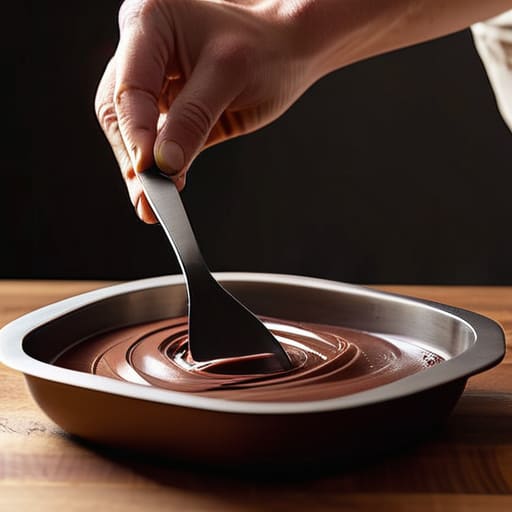
You can buy all the expensive couverture in the world and still end up with a dull, streaky mess that melts the second a warm finger touches it. Most people think they need a miracle or a laboratory to master this, but the truth is that learning how to temper chocolate isn’t about magic; it is about understanding the stubborn physics of fat and temperature. I remember my first decade in the bakery, standing over a bain-marie at five in the morning, cursing a batch of dark chocolate that had turned into a grainy, grey sludge simply because I had been too impatient with the cooling stage. I thought I was doing everything right, but I wasn’t listening to what the chocolate was telling me. In this guide, I am going to strip away the fluff and tell you exactly what is happening inside that bowl. We aren’t going to…
Flatter Cakes From a Cooler Oven
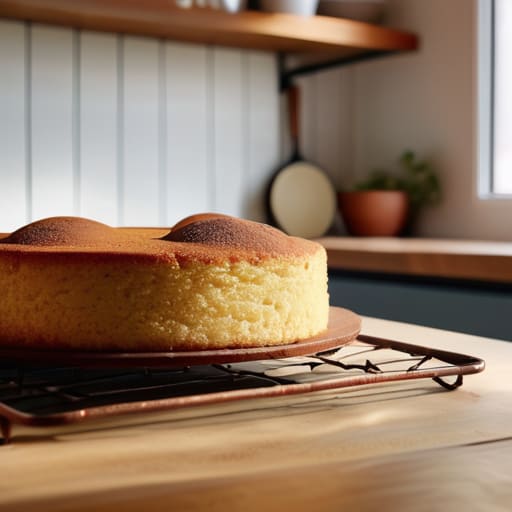
I can still smell the singed sugar from my first decade in the bakery, a constant reminder of the times I thought a fancy new silicone mat or a high-tech convection setting would solve my problems. I used to spend hours scouring magazines, looking for some secret trick on how to stop a cake doming, thinking I just hadn’t bought the right pan or the most expensive thermometer. But after thirty-four years of pulling trays out of a wood-fired oven that had more personality than most people I know, I realized that all those expensive gadgets are just distractions from the physics of heat. A mountain in the middle of your sponge isn’t a mystery; it’s a conversation between your batter and your oven that you aren’t quite listening to yet. I’m not going to sell you a specialized baking strip or a new way to measure your flour in…
The Complete Guide to Enriched Doughs
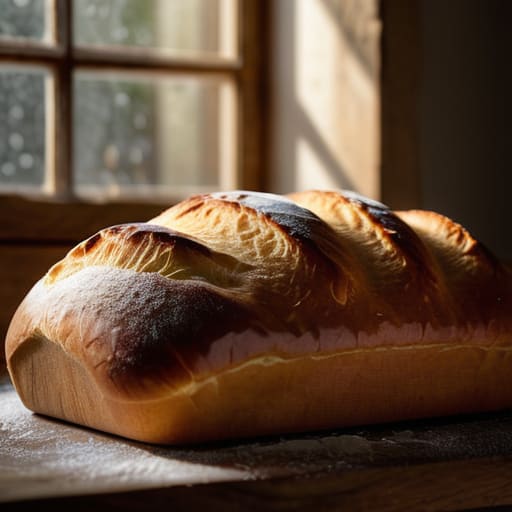
I remember standing in my shop at five in the morning, thirty years ago, staring at a tray of brioche that looked more like heavy, yellow bricks than airy clouds. I had followed every fancy “expert” instruction to the letter, but my dough was stubborn, greasy, and utterly lifeless. Most people will try to sell you a complete guide to enriched doughs that focuses on expensive European butter or specialized machinery, but they forget to mention that fat is a bully; it wants to coat your flour particles and prevent them from ever seeing a drop of water. If you don’t understand how that butter interferes with gluten, all the high-end ingredients in the world won’t save you from a dense, heavy loaf. I’m not here to give you a list of luxury substitutions or pretty pictures of braided loaves. Instead, I’m going to give you the unvarnished truth about…