I spent thirty-four years watching people walk into my bakery, clutching glossy cookbooks and asking why their sponge looked more like a brick than a cloud. They’d buy the most expensive single-origin cacao on the market, only to end up with a dry, bitter mess because they followed a “complete guide to chocolate cakes” that focused entirely on the brand of chocolate rather than the science of the crumb. Most of these guides are just collections of pretty pictures that ignore the fundamental truth: a cake fails because your butter was too cold, your oven has a blind spot, or you treated your mixing bowl like a race track.
I’m not here to sell you a dream or a fancy new gadget; I’m here to give you the truth about how cocoa behaves when it meets heat and moisture. This isn’t just another list of ingredients, but a no-nonsense roadmap built on decades of flour-dusted mornings. I will teach you to look at your batter and know exactly what it needs, focusing on ratios and temperature rather than luck. If you want to master the art of the bake, you have to respect the chemistry, and that is exactly what we are going to do.
Selecting the Best Chocolate Cake Ingredients for Depth
If you want a cake that actually tastes like chocolate rather than just looking like it, you have to stop treating your pantry like a collection of commodities. Most people grab the first tin of cocoa they see, but the real secret to depth lies in the distinction between dark cocoa powder vs milk cocoa. Milk cocoa is fine for a child’s snack, but for a serious cake, you want that Dutch-processed dark cocoa. It’s more alkaline, it’s deeper in color, and it provides a structural bitterness that balances the sugar. If you aren’t weighing your powders to the gram, you’re just guessing, and guessing is how you end up with a dry, one-dimensional sponge.
Then there is the fat. I’ve seen too many people reach for oil because they think it’s a shortcut to achieving cake moisture, and while oil does keep a crumb soft, it lacks the soul that high-quality butter provides. For truly decadent chocolate cake variations, I suggest a marriage of both. Use the butter for the flavor profile and a touch of oil to ensure the cake doesn’t turn into a brick the moment it hits a cool room. Remember, the ingredients are the foundation; if the foundation is weak, no amount of fancy frosting will save the architecture.
Dark Cocoa Powder vs Milk Cocoa the War of Intensity
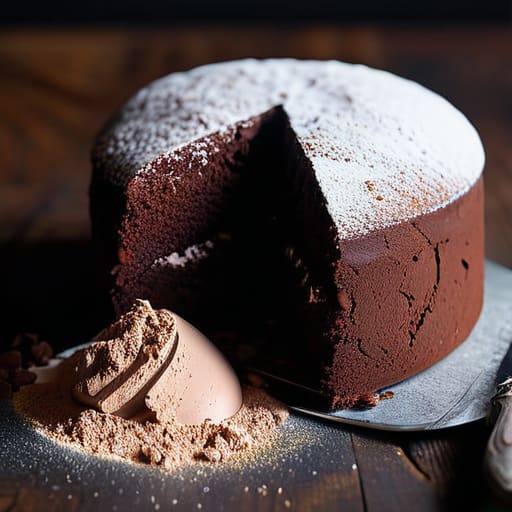
Now, if you’ve ever stared at the baking aisle wondering why one tin of powder looks like dust and the other looks like velvet, you’re standing at the crossroads of flavor. The debate of dark cocoa powder vs milk cocoa isn’t just about color; it’s about how much you want the cake to fight back. Milk cocoa is gentle—it’s sweet, creamy, and leans heavily on the dairy. It’s lovely if you’re making something for a child or a very light sponge, but if you want that deep, soul-warming hit, you need to look toward the dark stuff.
Dark cocoa is a different beast entirely. It has a higher fat content and a much more aggressive acidity, which does something marvelous for achieving cake moisture and a tender crumb. Because it’s more intense, it reacts differently with your leavening agents. When I’m working on my more decadent chocolate cake variations, I always lean toward a high-percentage dark cocoa. It provides that bitter, sophisticated backbone that prevents a cake from tasting like nothing more than a glorified sugar bomb. Don’t fear the bitterness; it’s what makes the chocolate actually taste like chocolate.
The Subtle Art of Not Ruining a Good Batter
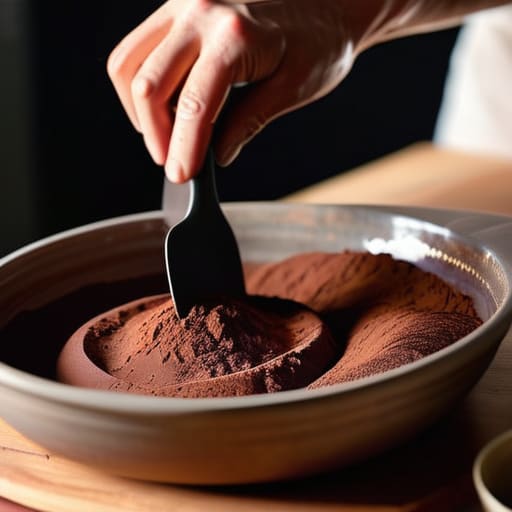
- Respect the temperature of your fats; if you’re using melted butter, let it cool until it’s barely warm to the touch, because if you pour hot fat into your eggs, you aren’t making a cake, you’re making chocolate scrambled eggs.
- Stop measuring your flour by the scoop; a cup of flour can weigh anywhere from 120 to 160 grams depending on how much you’ve packed it down, so use a scale and stick to percentages to ensure your crumb isn’t a brick.
- Don’t overwork the batter once the flour hits the wet ingredients; you aren’t kneading bread, and the moment you see those gluten strands tightening up, stop mixing, or you’ll end up with a tough, rubbery sponge instead of a melt-in-the-mouth crumb.
- Watch your oven, not just the timer; every kitchen has its own temperamental heat, and a cake that looks “done” on a clock might still be weeping in the center because your oven’s hot spots are playing tricks on you.
- Give the cake its dignity by letting it cool completely in the tin before you even think about turning it out; a warm cake is a fragile cake, and rushing the cooling process is the quickest way to shatter your hard work into a pile of crumbs.
What to Carry Away From the Flour and Cocoa
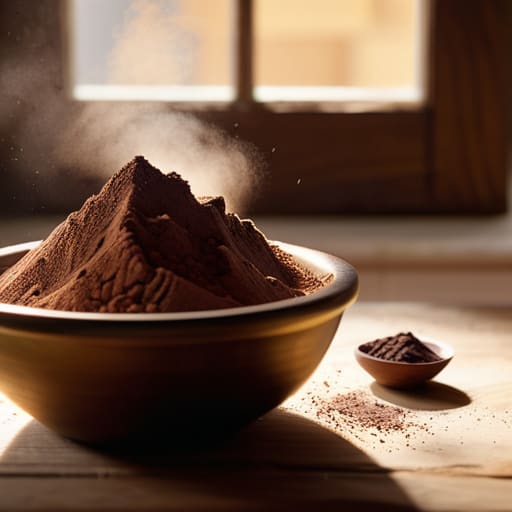
Stop reaching for measuring cups; if you want a cake that actually holds its crumb, you must weigh your ingredients in grams to ensure the ratio of fat to flour is exact every single time.
Remember that chocolate is a temperamental beast of temperature, not just flavor; if your batter breaks or your cocoa clumps, it is likely because you rushed the emulsification or used liquid that was too cold.
Respect the cocoa’s intensity by understanding that milk cocoa adds sweetness but lacks the structural backbone of dark cocoa, so choose your powder based on the depth of flavor you want, not just what is in the pantry.
The Final Fold
At the end of the day, a truly great chocolate cake isn’t built on a fancy gadget or a designer pan; it is built on the marriage of quality cocoa and a respect for the chemistry happening in your bowl. We have talked about the weight of your ingredients, the necessity of choosing a cocoa that actually tastes of something, and the way temperature dictates whether your crumb is tight and velvety or crumbly and sad. Remember that if your batter looks a bit thin or your oven seems to be lying to you, it isn’t a failure of the recipe—it is simply a matter of adjusting to the environment. Once you stop fighting the ingredients and start listening to the texture of the batter, you stop being a person following instructions and start being a baker.
Don’t let a sunken center or a slightly dry crumb discourage you from reaching for the flour again tomorrow. In my thirty-four years, I have ruined more cakes than I have perfected, and I can tell you that every mistake is just a lesson in how heat and moisture behave. Baking is a conversation between your hands and the heat, and sometimes the conversation is a bit loud or a bit messy. So, weigh your cocoa, trust your thermometer, and most importantly, give yourself the grace to practice. A cake is just flour, sugar, and cocoa, but the patience you find while waiting for it to rise is what actually makes you a master.
Frequently Asked Questions
Why does my chocolate cake always sink in the middle even when I follow the measurements exactly?
It isn’t your measurements; it’s your timing or your heat. If your cake sinks, you’ve likely pulled it from the oven while the structure was still setting, or your oven temperature is lying to you. A cake needs that final bit of heat to stabilize the crumb before it meets the cool air. Check your oven with a thermometer—don’t trust the dial—and let the cake rest in the tin for ten minutes before you dare touch it.
Should I be using room temperature eggs and butter, or does it really matter if I'm in a rush?
If you’re in a rush, you’re already halfway to a heavy, broken batter. It matters immensely. When you force cold butter into sugar, it won’t cream; it just clumps, leaving you with a greasy texture instead of a fine, aerated crumb. And cold eggs? They’ll shock your fats and cause the emulsion to split. If you can’t wait, put your eggs in warm water. Respect the temperature, or don’t bother with the whisk.
How can I tell if I've overmixed the batter just by the feel of it, before it goes into the oven?
If you’re looking at the batter and wondering if you’ve gone too far, stop looking and start feeling. A proper cake batter should feel supple and cohesive, moving with a certain rhythmic weight. If it suddenly turns stringy, or if you see it starting to look elastic and “rubbery” like a bread dough, you’ve overdeveloped the gluten. It loses that silky, flowing grace and starts to resist you. Once it feels tough, the damage is done.