
The Complete Guide to Layer Cakes
I’ve spent more years than I care to count watching people tear their hair out over a collapsed sponge or a buttercream that’s turned into a greasy puddle, all because they followed a flashy video instead of understanding the science of their own kitchen. Most people think they need a professional pastry kitchen and a mountain of expensive gadgets to master this, but that is a lie. If you are looking for a complete guide to layer cakes that promises perfection through a magic ingredient or a specific brand of mixer, you can stop reading right now. A cake doesn’t care about your fancy equipment; it cares about the temperature of your butter and the steady rhythm of your hands. I’m not here to sell you on a dream or show you a photograph that’s been airbrushed into submission. Instead, I’m going to give you the honest truth of how…
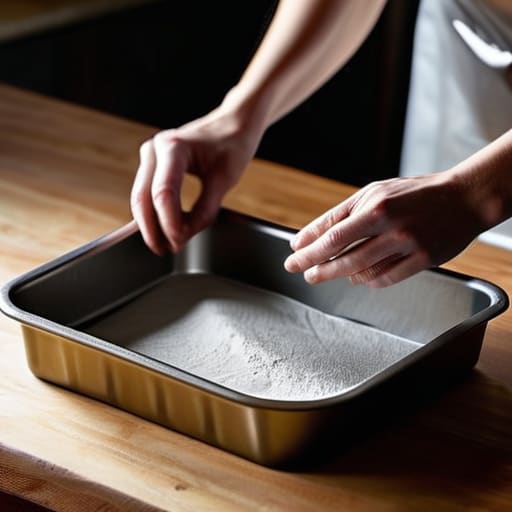
Lining a Tin So Nothing Sticks
I remember a Tuesday morning, back when the flour dust was thick enough to taste, watching a young apprentice try to salvage a beautiful, high-hydration sourdough by hacking it out of a poorly greased tin with a knife. The loaf didn’t just break; it surrendered, leaving half the crumb stuck to the metal like a stubborn memory. People spend a fortune on non-stick pans or fancy silicone liners, thinking they can buy their way out of a mistake, but they’re missing the point of how to prepare a tin properly. You don’t need a gadget; you need to understand the relationship between the fat, the heat, and the surface of the metal. I’m not here to sell you a specific brand of spray or a complicated multi-step ritual that takes more time than the proofing itself. Instead, I’m going to show you how to treat your tins with the same…
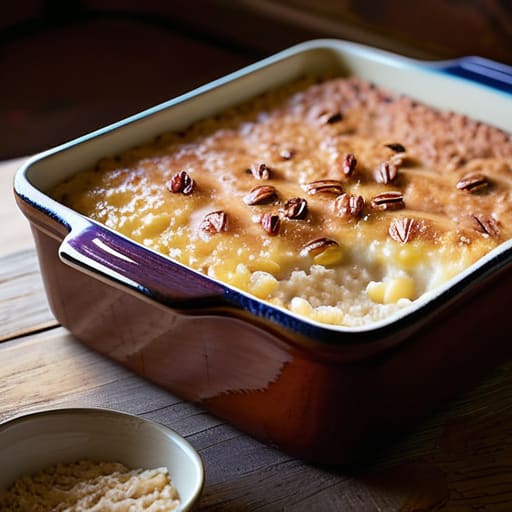
Rice Pudding: Slow Oven, No Stirring
Most people think that learning how to make rice pudding is about finding the perfect ratio of sugar to cream, but they’ve got it backwards. They treat it like a chemistry experiment where if the measurements are exact, the result is guaranteed. I spent years watching people follow recipes to the letter only to end up with a pot of gummy, broken starch or a liquid mess that never quite set. The truth is, rice pudding isn’t a math problem; it’s a lesson in listening to the pot. You aren’t just heating grains; you are managing the way starch releases its grip on the liquid, and that requires your eyes and your hands, not just a measuring cup. I’m not going to give you a list of fancy ingredients or tell you that you need a specific brand of vanilla to succeed. Instead, I’m going to teach you how to…
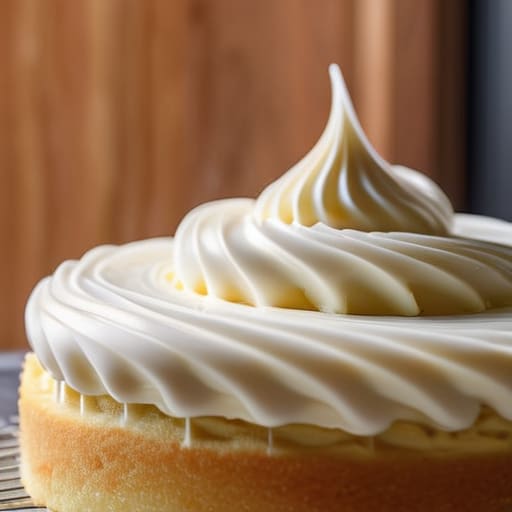
Cream Cheese Frosting Without It Sliding Off
I remember a Tuesday morning, thirty years ago, standing in my shop at five a.m. with a tray of carrot cakes that looked like they’d been caught in a summer rainstorm. I had followed the recipe to the gram, yet the frosting was sliding off the sponge in sad, weeping ribbons. It wasn’t the recipe’s fault, and it certainly wasn’t because I lacked “skill”; it was because I hadn’t respected the physics of the fat. Most cookbooks treat it like a static ingredient, but if you want to bake anything worth eating, you have to understand how cream cheese frosting behaves when the room temperature climbs just two degrees too high. It isn’t a stable wall of sugar; it is a living, shifting emulsion that reacts to every breath of warm air in your kitchen. I’m not here to sell you a special stabilizer or a fancy new brand of…
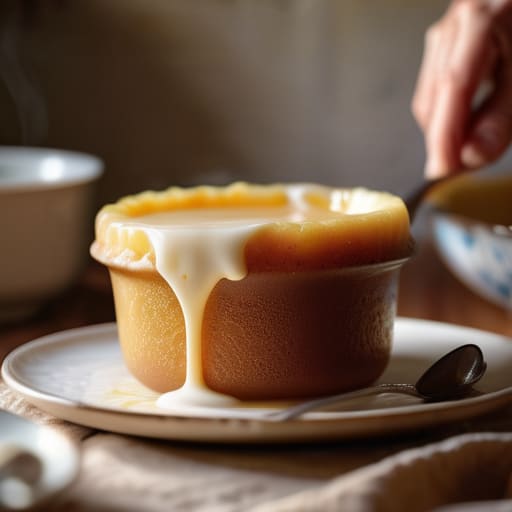
Steamed Puddings and Why They Went Out of Fashion
People will tell you that the secret to a perfect sponge is a fancy new steamer or a precise set of electric timers, but they are lying to you. After thirty-four years of watching dough rise in kitchens that were far too drafty and far too humid, I’ve learned that if you want to master how to make steamed puddings, you have to stop looking at the clock and start using your senses. A pudding doesn’t care about your digital readout; it cares about the weight of the steam in the air and the way the scent of suet and sugar begins to hang heavy in the room. I’m not going to give you a list of expensive gadgets or a recipe that relies on “folding in” ingredients until your arms ache for no reason. Instead, I’m going to show you the actual mechanics of the steam—the hydration levels that…

The Complete Guide to Decorating a Cake
Most people think a “complete guide to cake decorating” should be a catalog of pretty colors and expensive piping tips, but they’re looking at it all wrong. I spent thirty-four years watching people buy the most expensive palette knives and stabilizers only to end up with a slumped, weeping mess on a dessert plate. The truth is, you can own every gadget in the shop, but if your crumb is unstable or your buttercream is fighting the room temperature, all that artistry is just window dressing on a disaster. I learned that the hard way during a frantic Sunday rush when a wedding tier decided to slide right off the board because I was too busy worrying about the lace pattern and not enough about the structural integrity of the sponge. In this guide, I’m not going to show you how to make a cake look like a filtered photograph;…
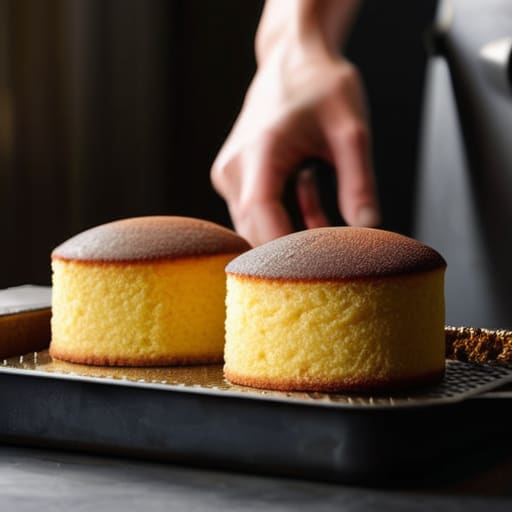
Dark Tins Bake Faster Than Pale Ones
I spent thirty-four years watching people throw money at “professional grade” gadgets, only to come to my counter crying because their sponge was a dense, gummy mess. They’d swear the recipe was cursed, but I could see the truth from across the flour-dusted counter: they were trying to bake delicate batters in thin, flimsy tins that couldn’t hold a lick of steady heat. Most people don’t realize how baking tins affect results until they’re staring at a sunken center or a crust that’s burnt on the bottom while the middle stays raw. It isn’t magic, and it certainly isn’t a bad recipe; it’s simply a failure of heat distribution. I’m not here to sell you a designer set of copper pans or tell you that you need a kitchen full of specialized gear to get a decent rise. I want to tell you what actually happens when that dough meets…
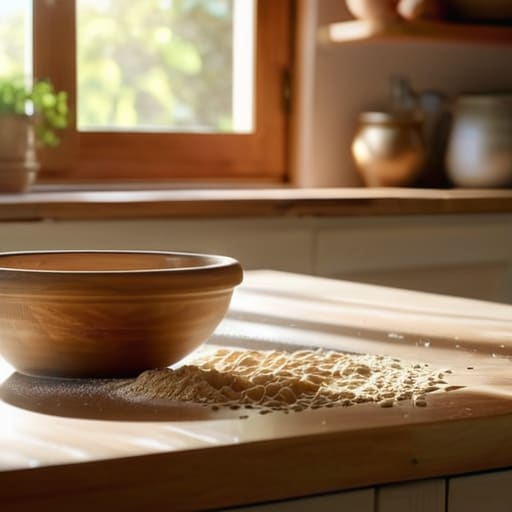
Wholemeal Needs More Water and More Patience
I spent thirty-four years watching people walk into my shop, pick up a loaf of wholemeal, and sigh because it was too dense, too heavy, or felt like they were chewing on a brick. They’d go home, try a fancy recipe from a glossy magazine, and conclude that wholemeal is just inherently “difficult.” Let me tell you something: it isn’t difficult, it’s just different. Most of those recipes fail because they treat wholemeal like white flour, and that is your first mistake. If you want to stop fighting your dough and actually learn how to make wholemeal bread work, you have to stop treating it like an enemy and start respecting its thirst. I’m not here to sell you expensive additives or complex machinery that will only gather dust in your pantry. I’m going to show you how to listen to the grain, adjust your hydration to account for those…
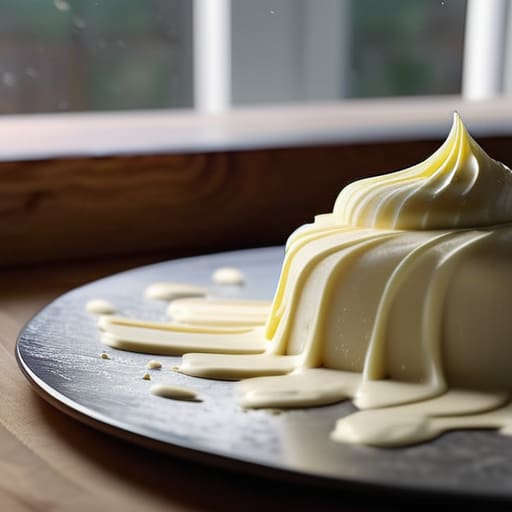
The Complete Guide to Buttercream
I’ve spent thirty-four years watching people throw money at “specialty” ingredients and expensive gadgets, convinced that a professional-grade buttercream requires a chemistry degree or a high-end stand mixer. They see these glossy, perfect videos online and think they’re missing a secret component, but they aren’t. Most people fail because they treat frosting like a set-and-forget recipe rather than a living thing that reacts to the air in your kitchen. If you’re looking for a complete guide to buttercream that promises magic with a single click, you’ve come to the wrong place; I’m here to tell you that it’s really just a matter of mastering the relationship between fat, sugar, and the temperature of your room. I am not going to give you a list of fancy flavorings and call it a day. Instead, I’m going to teach you how to feel when the emulsion is right and how to fix…
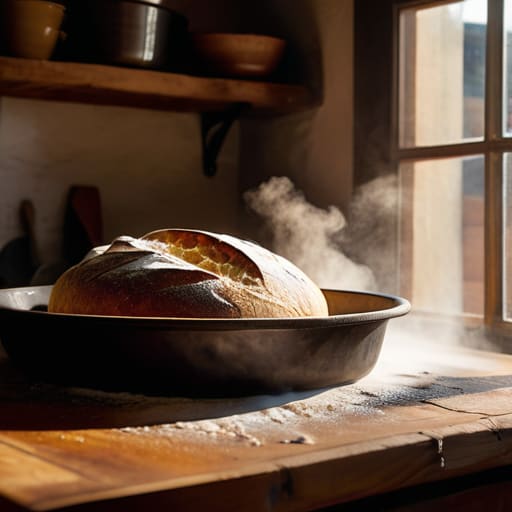
Three Ways to Get Steam Without a Deck Oven
You can buy all the fancy, expensive Dutch ovens in the world, but if you don’t understand the physics of moisture, you’re just heating up expensive ceramic. I spent my first decade in the village bakery watching young apprentices panic because their loaves were coming out with crusts as thick and dull as a paving stone, blaming their expensive flour or their sourdough starter. The truth is much simpler: they hadn’t mastered how to create steam at home to allow the dough to expand before the crust sets. If you don’t respect the steam, the bread cannot breathe, and it will never give you that thin, crackling shatter that makes a loaf truly alive. I am not going to give you a list of gadgets you don’t need or tell you that a specific brand of spray bottle is the magic answer. Instead, I’m going to show you how to…