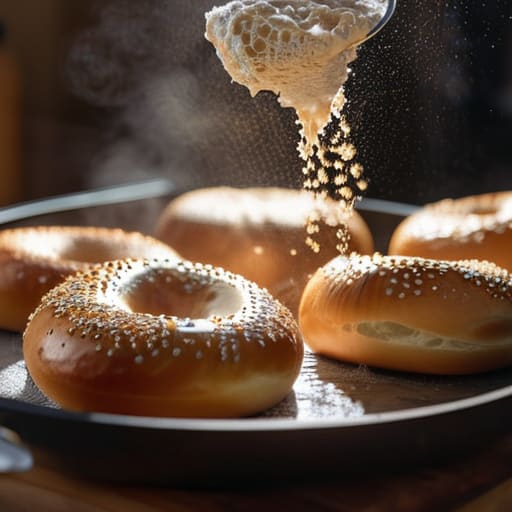
Bagels: the Boil Is the Whole Point
If you’ve been staring at a tray of dense, pale lumps and wondering why your kitchen doesn’t produce that chewy, golden crust you see in glossy magazines, stop blaming your oven. Most people think learning how to make bagels is about finding a “magic” ingredient or a secret boiling trick, but they are dead wrong. I spent years watching beginners ruin perfectly good flour because they were too busy looking at a timer and not paying enough attention to the tension in the dough. A bagel isn’t a piece of bread that’s been boiled; it is a specific marriage of high protein and controlled fermentation that demands you respect the clock and the temperature. I’m not going to give you a recipe filled with vague “cups” and “spoons” that will only lead to heartbreak. Instead, I’m going to give you the actual math—the weights and the hydration percentages—that kept my…
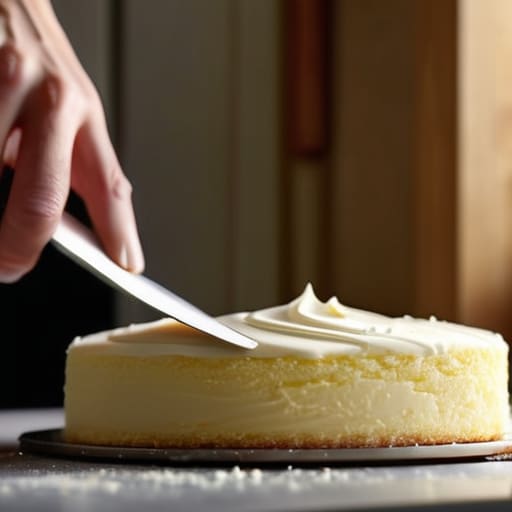
The Crumb Coat Is the Whole Difference
I remember standing in my bakery at five in the morning, staring at a beautiful sponge that looked like a disaster because I’d tried to rush the final finish. I thought if I just applied more frosting, I could hide the mess, but all I did was create a heavy, slumped mountain of sugar that looked more like a landslide than a celebration. Most people think the secret to a professional finish is a fancy turntable or a high-end spatula, but the truth is that knowing how to crumb coat a cake is actually about restraint. You aren’t trying to decorate yet; you are simply building a structural seal to trap those loose, unruly crumbs before they ruin your hard work. In this guide, I’m going to strip away the fluff and tell you exactly how to handle your frosting so it behaves. We aren’t going to chase perfection in…
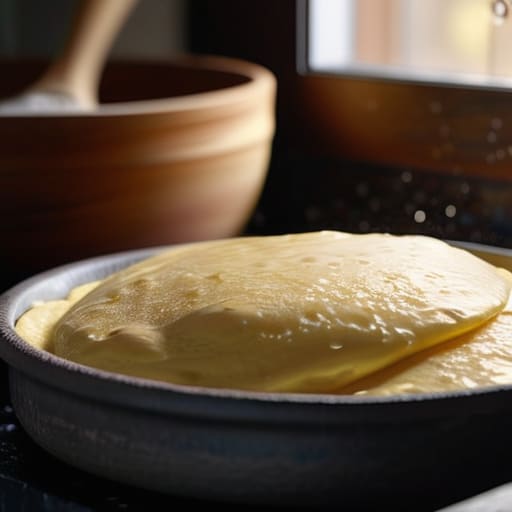
Resting Batter Makes a Real Difference
I spent thirty-four years watching people walk into my shop at dawn, and if there is one thing I’ve learned, it’s that most people are being lied to by glossy cookbooks. You see these photos of pancakes so thick and uniform they look like they were carved from foam, and you think you’re failing because yours don’t look like that. They tell you that you need expensive specialty flours or some magic chemical leavener to get it right, but that’s nonsense. When people ask me how to make pancakes and batters that actually taste like something, they don’t need a pantry full of expensive gadgets; they need to understand the relationship between your ingredients and the heat of your pan. I’m not going to give you a list of “secret” ingredients or a recipe that requires a degree in chemistry. Instead, I’m going to teach you the actual physics of…
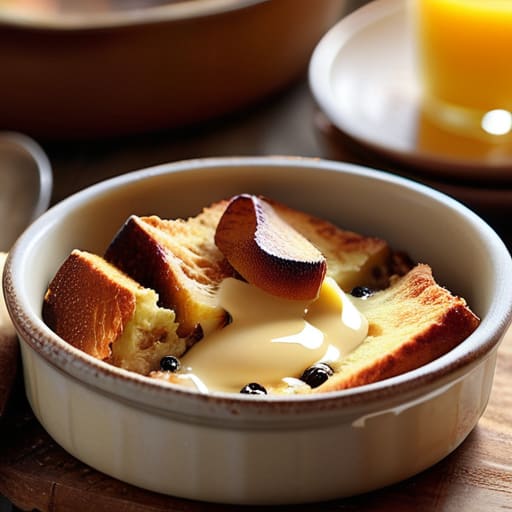
Bread and Butter Pudding From Yesterday’s Loaf
If you’ve spent any time scrolling through those glossy cooking sites, you’ve likely been told that the secret to a perfect dessert is finding the most expensive, artisan brioche or a perfectly sliced loaf of milk bread. That is a lie. If you want to learn truly how to make bread and butter pudding, you need to stop looking for perfection and start looking for stale bread. I spent thirty-four years watching dough rise and fall in my shop, and I can tell you that fresh bread is actually your enemy here; it’s too eager, too soft, and it’ll turn into a sodden, mushy mess before the custard even has a chance to set. I’m not going to give you a list of fancy ingredients you can’t find at your local grocer, nor will I show you a photograph of a dish that looks like it belongs in a museum.…
Flatbreads: Fifteen Minutes and a Hot Pan
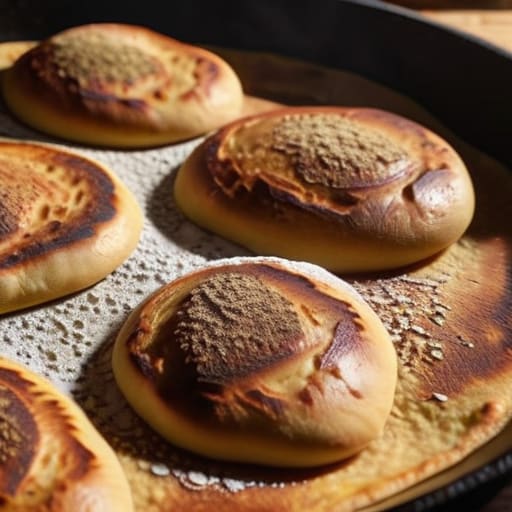
If you’ve spent any time scrolling through those glossy recipe sites, you’ve likely been told that learning how to make flatbreads requires a specialized stone oven, a mountain of exotic spices, or some high-tech gadget that costs more than my first delivery van. It’s nonsense. Most of those recipes treat flatbread like a delicate science experiment rather than what it actually is: a simple, rhythmic dance between flour and heat. I spent thirty-four years watching people overcomplicate the simplest things, thinking that if they just bought the right equipment, the bread would magically rise to meet them. But a piece of cast iron and a hot pan will do more for you than any expensive imported stone ever could. I’m not here to give you a list of instructions that assumes you’re reading a textbook; I’m here to teach you how to listen to the dough. We are going to…
The Complete Guide to Celebration Cakes
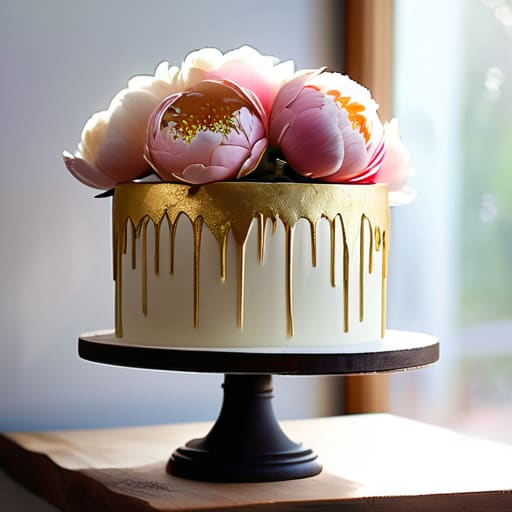
I spent thirty-four years watching people walk into my shop, eyes wide at the glossy, sugar-sculpted monstrosities in magazines, only to leave disappointed when their own home bakes collapsed under the weight of too much ambition. Most people will tell you that a “complete guide to celebration cakes” requires a degree in structural engineering and a kitchen full of gadgets you’ll only use once. They’ll talk about expensive stabilizers and decorative flourishes, but they forget to mention that a cake is a living thing of fat, sugar, and heat. If you follow a recipe blindly without understanding how your butter behaves in a warm kitchen, all the fancy piping in the world won’t save a dry, crumbly mess. I’m not here to teach you how to build a sugar palace; I’m here to teach you how to bake a cake that actually tastes like something. This isn’t a list of…
Fondant: Practical for Covering, Rarely for Eating
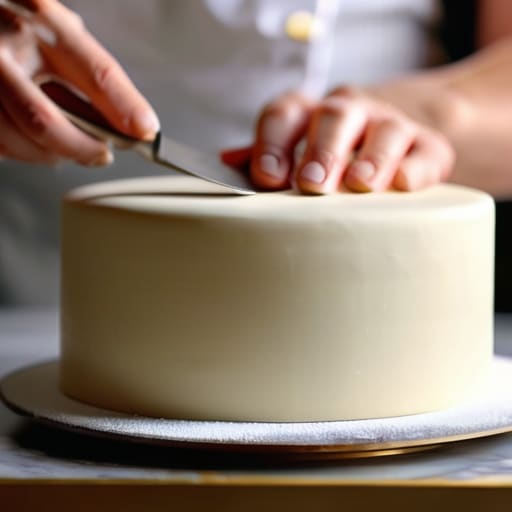
I remember a Tuesday morning back in ’94, standing over a tiered wedding cake that had more cracks than a dried-up riverbed, simply because the kitchen was too warm and the baker was in too much of a hurry. People treat fondant like it is some magic wand that can turn a mediocre sponge into a masterpiece, but that is a lie. If you try to use it to hide a cake that hasn’t been leveled or chilled, you aren’t decorating; you are just masking a failure. Understanding how fondant is used well isn’t about buying the most expensive rolling pin or the flashiest edible gold; it is about respecting the temperature of your room and the stability of what lies beneath it. I am not here to sell you on fancy shortcuts or tell you that a bit of extra sugar will fix a structural disaster. Instead, I am…
Internal Temperature Beats Guessing Every Time
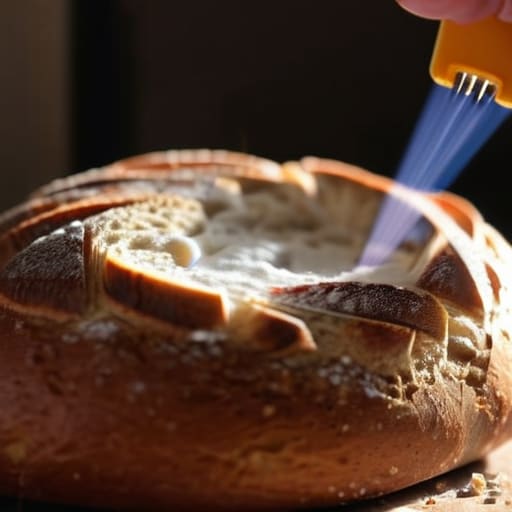
I spent thirty-four years standing before a wood-fired oven that didn’t have a single digital sensor to tell me what was happening, and if there is one thing those years taught me, it is that you cannot trust a timer. People spend a fortune on expensive instant-read thermometers and fancy apps, yet they still pull a loaf out of the oven only to find it’s gummy in the middle or as dry as a bone. If you are relying solely on a clock to figure out how to tell when something is baked, you aren’t baking; you are just following instructions and hoping for the best. I’m not here to give you a list of gadget-heavy hacks or tell you to stare at a photograph of a golden crust. Instead, I want to teach you how to use your own senses—the way a real baker does. We are going to…
Rye Is Not Wheat and Will Not Pretend to Be
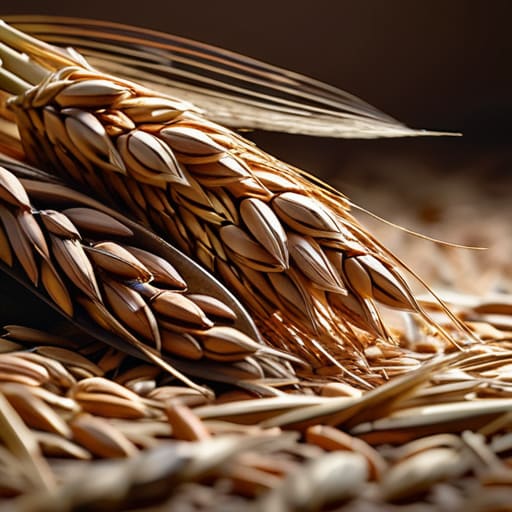
I remember a young lad who came into my shop twenty years ago, clutching a cookbook like it was the Holy Grail, complaining that his rye loaves were coming out as dense as paving stones. He’d followed every instruction to the letter, yet his kitchen looked like a battlefield of sticky, unmanageable grey sludge. He didn’t realize that understanding how rye behaves differently isn’t something you can learn from a glossy photograph or a list of “easy” steps; it’s something you have to feel in your bones. Rye doesn’t have the same structural backbone as wheat, and if you try to treat it with the same aggressive kneading, it will simply collapse under your ego. I’m not here to sell you some fancy, high-protein flour or a specialized machine to fix your mistakes. What I’m going to give you is the truth about hydration, temperature, and why that sticky mess…
Royal Icing Consistencies Explained
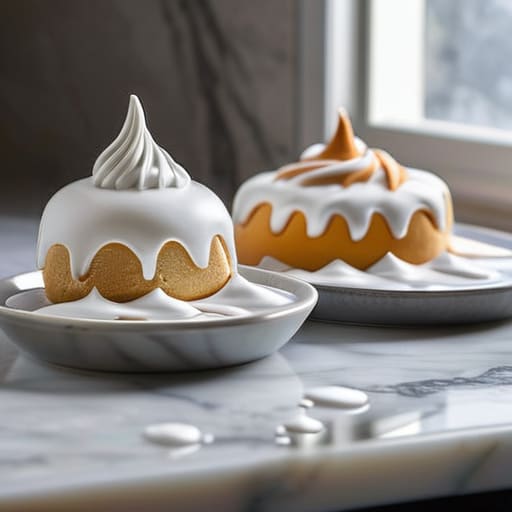
I spent thirty-four years watching people treat royal icing like some kind of temperamental magic spell, as if a dusting of gold luster or a fancy piping tip could hide a fundamentally broken mixture. They buy expensive stabilizers and specialty gums, convinced that the secret to a perfect flood is hidden in a boutique jar, but they couldn’t tell you the first thing about how royal icing works on a molecular level. The truth is much simpler and far less expensive: it is just sugar and protein held together by the right amount of moisture, and if your lines are jagged or your details won’t hold, it is because your ratios were off or your hands were too impatient to wait for the right consistency. I am not here to sell you a miracle ingredient or a complicated gadget. Instead, I am going to show you how to master the…