I spent thirty-four years watching people walk into my shop, eyes wide at the glossy, sugar-sculpted monstrosities in magazines, only to leave disappointed when their own home bakes collapsed under the weight of too much ambition. Most people will tell you that a “complete guide to celebration cakes” requires a degree in structural engineering and a kitchen full of gadgets you’ll only use once. They’ll talk about expensive stabilizers and decorative flourishes, but they forget to mention that a cake is a living thing of fat, sugar, and heat. If you follow a recipe blindly without understanding how your butter behaves in a warm kitchen, all the fancy piping in the world won’t save a dry, crumbly mess.
I’m not here to teach you how to build a sugar palace; I’m here to teach you how to bake a cake that actually tastes like something. This isn’t a list of expensive tools, but a way to look at your ingredients with honest intention. We are going to talk about the science of crumb, the temperament of buttercream, and why your oven’s hot spots matter more than your decorating skills. By the time we’re done, you won’t be chasing a photograph—you’ll be mastering the texture.
Beyond the Visual Mastering Custom Cake Design Ideas
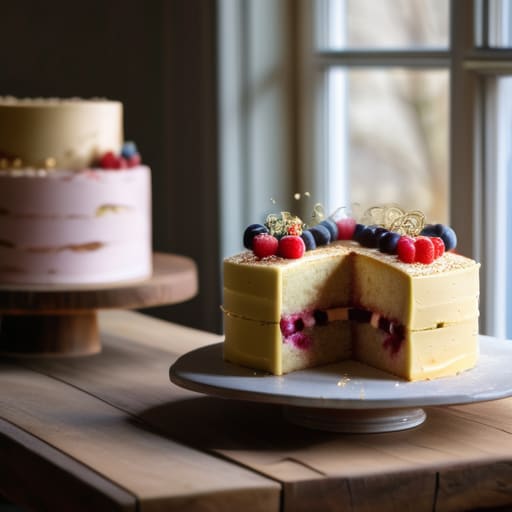
Most people approach custom cake design ideas by scrolling through a screen, looking for a photograph that looks like a dream. But a cake isn’t a sculpture; it’s an edible event. If you design a towering, multi-tiered masterpiece that relies on heavy fondant but forget that your guest list expects something light and seasonal, you haven’t designed a cake—you’ve designed a problem. I always tell my clients that the architecture must serve the appetite. You can have all the gold leaf and sugar flowers in the world, but if the crumb is dry because the structure was too heavy, the beauty is wasted.
You must also consider how your aesthetic choices impact the practicalities of cake storage and freshness. A delicate sponge with a high-moisture fruit filling behaves very differently in a humid garden marquee than it does in a temperature-controlled kitchen. Don’t just pick a color palette; think about how those cake decorating techniques—be it a rustic Swiss meringue buttercream or a precise ganache—will hold up under the lights and the heat. A cake should feel as good as it looks, and that begins with understanding the physics of what you’re building.
The Alchemy of Taste Unforgettable Cake Flavor Combinations
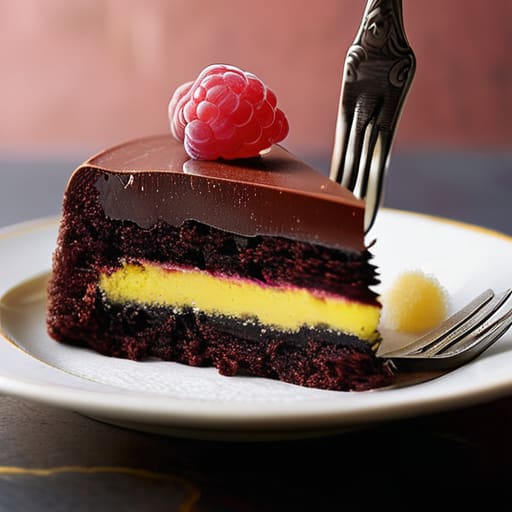
Most people approach a celebration cake like they’re picking out a new coat—they look at the color and the silhouette, but they rarely think about how it actually feels against the skin. In baking, we call it the palate, but I call it the soul of the thing. When you’re looking at cake flavor combinations, don’t just chase the trend of salted caramel or matcha because a magazine told you to. A cake needs balance; if your sponge is heavy with dark chocolate, your filling needs a sharp acidity—perhaps a raspberry reduction or a bright lemon curd—to cut through that richness. Without that contrast, you aren’t serving a dessert; you’re serving a mouthful of sugar that leaves the guest feeling heavy and unsatisfied.
I’ve seen too many beautiful tiers that taste like nothing but sweet air because the baker was too focused on cake decorating techniques and not enough on the crumb. A truly unforgettable cake relies on the marriage of textures. Think about the way a moist, tender crumb yields to a slight crunch from toasted hazelnuts or a silky, stable buttercream. If you’re planning a large event, remember that a cake that is too delicate will struggle with its own weight, and one that is too dense will feel like a chore to eat. Aim for harmony, not just sweetness.
The Mechanics of the Bake: Five Truths for a Cake That Holds Together
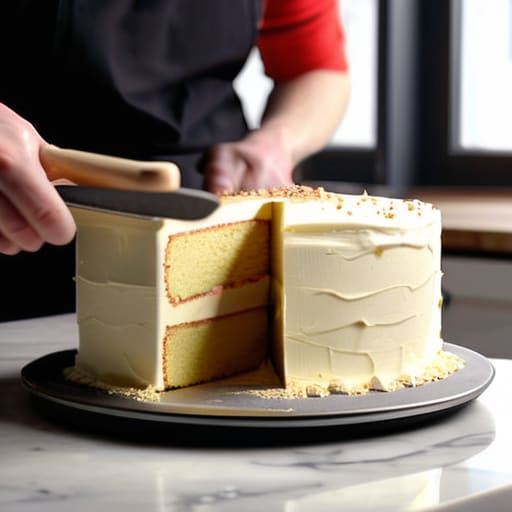
- Stop relying on your oven’s digital display; those dials are liars. A celebration cake needs a steady, predictable heat, and most home ovens cycle temperature wildly. Invest in a simple oven thermometer to sit right on the rack. If your oven says 175°C but it’s actually hitting 185°C, you’ll have a beautiful crust and a raw, weeping center that no amount of frosting can hide.
- Temperature is your most important ingredient, and it isn’t something you can buy in a bag. When a recipe calls for room-temperature butter and eggs, it means it. If you force cold butter into sugar, you aren’t creating air; you’re just making clumps. I want to see that butter pale and fluffy, like a soft cloud, before you even think about adding the flour.
- Weigh your dry ingredients with a digital scale, not a cup. A cup of flour can vary by twenty percent depending on how tightly you’ve packed it, and in a tiered cake, that twenty percent is the difference between a structural masterpiece and a leaning tower of crumbs. I work in percentages for a reason: consistency is the only way to ensure the third tier tastes exactly like the first.
- Respect the cooling process as much as the mixing. I’ve seen too many young bakers try to frost a cake while it still has a hint of warmth in its heart. You’ll end up with a structural disaster where the buttercream melts into a greasy puddle. A cake needs to be completely, bone-deep cold—ideally rested in the fridge—before it meets a spatula.
- Don’t fear the crumb; learn to read it. If your sponge feels tight and rubbery, you’ve overmixed the flour and developed too much gluten, treating your cake like a loaf of sourdough. A celebration cake should yield to the touch with a gentle, springy resistance. If you press it and it stays indented, you’ve worked it too hard. Be gentle with the batter; it’s a guest in your kitchen, not a piece of dough to be fought.
What Stays With You After the Last Slice is Gone
A cake that looks like a masterpiece but tastes like cardboard is a failure of chemistry, not just art; always prioritize the moisture of your crumb and the balance of your sugar over a perfect layer of fondant.
Stop chasing the “perfect” look in photos and start listening to your batter; if your sponge feels heavy or your buttercream breaks, it’s a matter of temperature and emulsion, not a faulty recipe.
The most memorable celebration cakes are built on structural integrity and thoughtful flavor, meaning you must ensure your sponge can actually support the weight of your ambitions without collapsing under the pressure.
The Heart of the Celebration
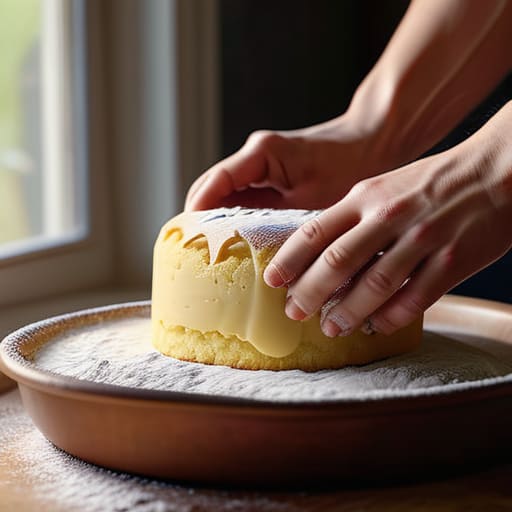
We have wandered through the technicalities of design and the delicate chemistry of flavor, but remember that a celebration cake is more than just a centerpiece for a photograph. It is a structural feat of stability, a balanced marriage of moisture and crumb, and a testament to your willingness to work with the ingredients rather than against them. Whether you are navigating the complexities of a multi-tiered sponge or simply trying to find that perfect ratio of acidity to sweetness, never forget that texture is the silent language of a great cake. If your crumb feels tight or your frosting feels heavy, don’t blame the book; look at your oven temperature, check your mixing time, and trust your hands over your eyes.
At the end of the day, the most beautiful cake in the world is a failure if it doesn’t taste like something worth celebrating. I have spent thirty-four years watching people pull cakes from ovens that were too hot or rush through a cooling process that required patience, only to end up with something dry and disappointing. Don’t let the pursuit of perfection rob you of the joy of the bake. Let the kitchen be messy, let the flour dust your apron, and most importantly, give your dough the time it asks for. A cake made with patience and a bit of soul will always outshine a perfect-looking sponge that has no heart. Bake for the people, not the camera.
Frequently Asked Questions
My cake layers are coming out dense and heavy instead of light and airy; is it my mixing method or did I perhaps overwork the flour?
It’s likely a bit of both, but let’s look at the mechanics. If you’re overworking the flour, you’re developing gluten—that’s for bread, not sponge. You want structure, not a rubber ball. However, if your layers are heavy, check your aeration. Did you cream the butter and sugar long enough to trap air, or did you deflate the batter with a heavy hand? Don’t just stir; fold until the streaks vanish.
How do I know if my buttercream is actually stable enough to hold up a heavy tiered design, or if it’s just going to slump in a warm room?
You don’t check stability with a thermometer; you check it with your thumb. Take a small dollop of your buttercream and press it firmly. If it feels like soft butter that immediately loses its shape, it’s too warm or lacks enough fat to hold a structure. If it resists slightly—feeling more like a dense, pliable paste that holds the indentation of your print without weeping oil—it’s ready. If it’s too stiff, your tiers will crack; if it’s too soft, they’ll slide.
I’m struggling with moisture—how do I keep a sponge from drying out when it has to sit out for a few hours before the party starts?
Listen, a sponge isn’t just a sponge; it’s a living thing that breathes. If it’s drying out, you’re likely losing moisture to the air or your bake was a minute too long. I always use a simple simple syrup—just equal weights of sugar and water boiled together—to brush the layers while they’re still slightly warm. It seals the crumb. Also, keep it under a cake dome or a clean cloth until the very last second.