I remember standing at the flour-dusted counter of my shop at five in the morning, my knuckles aching and my eyes stinging from the steam, watching a young apprentice try to decorate a batch of eclairs. She had every expensive, stainless-steel tip money could buy and a textbook full of diagrams, but her hands were shaking so hard the cream looked like it had been thrown at the pastry by a toddler. She was so focused on the image of perfection that she forgot the most basic truth of the craft: you cannot force a steady hand if your grip is a death clutch. If you are searching for a way to learn how to pipe neatly, stop looking at the fancy nozzle kits and start looking at your own shoulders.
I am not going to sell you on a miracle tool or a secret brand of frosting that promises a steady hand. Instead, I am going to teach you how to listen to the pressure in your palm and the rhythm of your breath. We are going to talk about the physics of the squeeze and why your temperature is just as important as your technique. By the time we are through, you won’t be chasing a photograph; you will be feeling your way to a clean line every single time.
Mastering Consistent Frosting Pressure Through the Palm
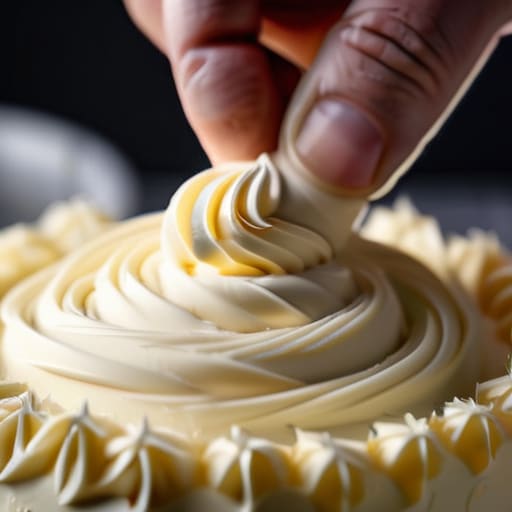
Stop trying to control the bag with your fingers; that’s a quick way to end up with a trembling hand and a lopsided swirl. If you use your fingertips to squeeze, you’re only using the small, twitchy muscles that react to every little bit of nerves. Instead, you need to move the pressure up into the heel of your palm. I always tell my apprentices that the bag should feel like an extension of your arm, not a tool you’re wrestling with. By applying consistent frosting pressure through the base of your hand, you’re using your larger, more stable muscle groups. It’s the difference between a frantic scribble and a smooth, intentional line.
When you’re working with different cake decorating nozzle types, the physics changes slightly, but the palm rule remains the same. A large star tip requires a broader, more rhythmic squeeze, while a smaller tip demands a gentler, more sustained push. If you find your decorative borders looking jagged, it’s likely because you’re “pulsing” the bag. Don’t pulse. Find a steady cadence, lean into the weight of the frosting, and let your hand move as one single, fluid unit.
Piping Bag Handling Skills That Demand Muscle Memory
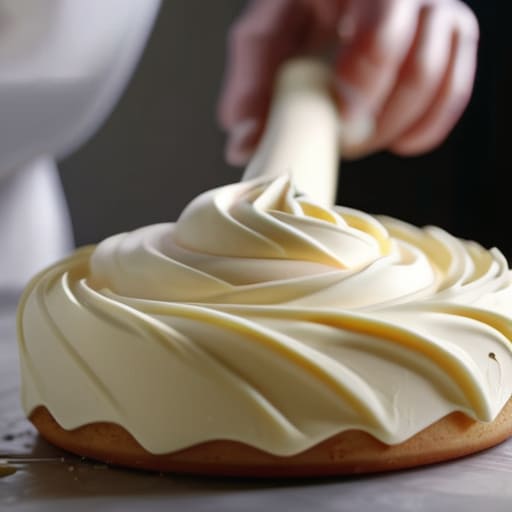
You can have the most expensive star tips in the world, but if your grip is frantic, the frosting will look frantic too. Real piping bag handling skills aren’t about being delicate; they are about being certain. I spent years watching my hands develop a sort of independent intelligence, and you’ll find yours too once you stop treating the bag like a ticking bomb. You need to hold it high enough that you aren’t looking at your knuckles, but low enough that you can feel the weight of the buttercream shifting. It’s a dance between your thumb and your fingers, finding that sweet spot where the bag becomes an extension of your arm rather than a plastic intruder.
If you find yourself wobbling, stop looking at the nozzle and start feeling the tension in your wrist. Most beginners try to control the flow by squeezing harder when they get nervous, but that just ruins your consistent frosting pressure. Instead, try to relax into the movement. Your hand should be steady not because it is frozen, but because it is fluid. It’s about rhythm—a rhythmic, steady push that matches the pace of your hand moving across the cake. If you rush the motion, the frosting will look squeezed and stressed, and a stressed cake is never a happy one.
Five things your hands know that your eyes don't
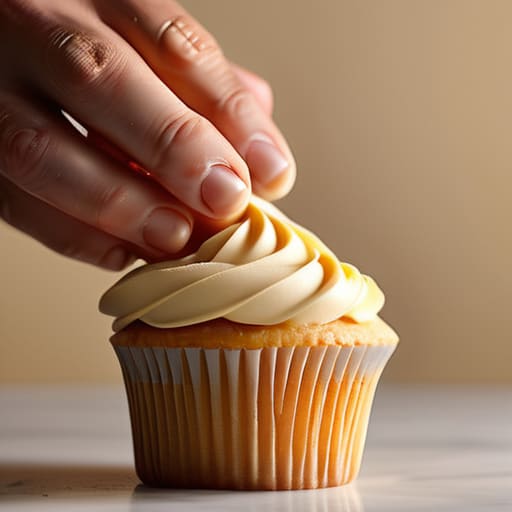
- Stop looking at the nozzle; look at the movement. If you’re staring at the tip of the bag, you’re going to jerk your wrist every time you see a lump of frosting, and that’s how you get those jagged, nervous lines. Watch the flow, not the point.
- Temperature is everything, and I don’t mean the oven. If your buttercream feels like heavy sludge, you’re fighting a losing battle with your grip; if it’s runny, you’re chasing a ghost. If it’s too stiff, warm the bag against your palm for a minute before you even think about squeezing.
- Respect the air. Every time you squeeze that bag, you’re pushing air around just as much as sugar. If you don’t keep a steady, continuous pressure, you’ll end up with little air bubbles that pop and leave craters in your finish. It’s a rhythm, like kneading dough.
- Don’t be afraid of the “stop.” A clean line isn’t just about how you start; it’s about how you end. When you reach the end of a stroke, don’t just pull away—lightly lift the bag upward while you finish the squeeze. It’s the difference between a blunt stump and a graceful tail.
- Clean your tools as often as you wipe your flour bench. A bit of dried frosting inside the tip acts like a pebble in a shoe; it disrupts the flow and makes your pressure uneven. If the bag feels “clumpy,” stop, empty it, and start fresh.
The Baker’s Checklist for a Steady Hand
Stop staring at the cake and start feeling the bag; if your hand is white-knuckled and shaking, you’re fighting the frosting instead of guiding it, and your lines will show that tension every single time.
Consistency isn’t about how much you squeeze, but how much you relax; you have to find that rhythm where the pressure from your palm and the movement of your wrist act as one single, fluid motion.
Trust the weight of the bag rather than the look of the tip; a heavy bag means you’re working too hard, so let the gravity and the steady squeeze do the heavy lifting while you just steer the course.
Trust Your Hands, Not the Clock
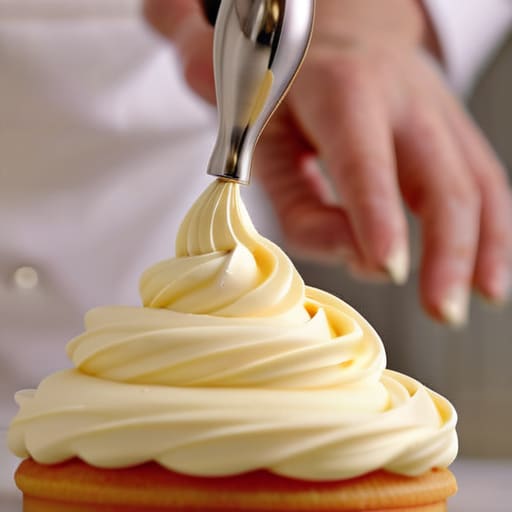
At the end of the day, neat piping isn’t about having the steadiest hand in the village; it’s about the connection between your palm and the bag. If you remember to let your hand do the heavy lifting rather than white-knuckling the nozzle, and if you treat the pressure like a conversation instead of a command, the frosting will follow your lead. You have to stop looking at the clock and start listening to the resistance against your fingertips. Whether you are working with a stiff buttercream or a soft ganache, remember that consistency comes from a relaxed wrist and a steady rhythm. If a line wobbles, don’t panic and squeeze harder—that’s just how you turn a flower into a smudge. Just reset your pressure and try the next one.
I spent thirty-four years watching people fret over a single uneven swirl on a sponge cake as if it were a catastrophe. It never was. The most beautiful things I ever pulled from my oven weren’t the ones that looked like they belonged in a glossy magazine; they were the ones that felt honest. Piping is a skill of the nerves as much as the muscles, and you cannot rush a skill that requires true muscle memory. So, go ahead, make a mess of the first batch. Get some frosting on your apron and feel the weight of the bag. Eventually, you’ll stop thinking about the technique and start feeling the flow, and that is when the magic actually happens.
Frequently Asked Questions
My frosting keeps coming out chunky or unevenly—is it my hand pressure, or have I botched the consistency of the icing itself?
It’s usually both, but let’s look at the icing first. If your frosting feels gritty or breaks when you squeeze, your consistency is off—likely because you’ve over-whipped it or the temperature in your kitchen is fighting your butter. A dough or a cream has a rhythm; if the icing is too stiff, you’ll fight the bag and end up with jagged, uneven lines. Fix the texture before you blame your hands.
How do I know when my bag is getting too full and heavy to control, and should I stop to reload or just push through?
If your wrist starts aching or you’re squeezing so hard your knuckles are white, you’ve gone too far. A heavy bag is a clumsy bag; you lose that delicate, tactile connection to the tip. Don’t push through. When the weight starts fighting your hand, stop. Empty it, clean the tip, and reload. It’s better to lose five minutes to a reload than to ruin a whole batch because your hands got clumsy.
If I’m working in a kitchen that’s too warm, will the butter in my frosting melt and make my lines go wonky no matter how steady my hands are?
Oh, darling, you’ve hit the nail right on the head. You can have the steadiest hands in the village, but if your buttercream is weeping because the room is eighty degrees, you’re fighting a losing battle. When the fat warms up, the structure collapses; your lines won’t just be wonky, they’ll be shapeless. Chill your bowls, work in batches, and if the air feels heavy, step into a cooler room. Don’t blame your hands for the weather.