I’ve lost count of how many “gurus” I’ve seen online trying to sell you expensive specialty flours or complex, twelve-step laboratory protocols just to fix a little bit of dormant yeast. It’s nonsense. If you’ve tucked your jar in the back of the fridge and forgotten about it for a month, you don’t need a chemistry degree or a boutique grain subscription; you just need to understand how to revive a neglected starter without losing your temper. I remember a time, back when I was running the village shop, when a particularly cold winter sent my own sourdough into a deep, sluggish slumber. I didn’t panic and throw it out; I simply sat with it, adjusted the temperature, and listened to what the bubbles were telling me.
I’m not going to give you a checklist of miracles or tell you to buy fancy equipment you don’t need. Instead, I’m going to show you how to work with the biology you already have. We are going to talk about hydration levels, the importance of consistent warmth, and why patience is the only tool that actually matters when you’re bringing something back to life. We’ll get your rhythm back, one feeding at a time.
Distinguishing Sourdough Starter Liquid on Top From True Decay

Now, before you go reaching for the bin, let’s talk about that greyish puddle sitting on the surface. Most people see that liquid and think the whole thing has turned toxic, but more often than not, it’s just your starter telling you it’s hungry. That sourdough starter liquid on top—what we bakers call “hooch”—is nothing more than alcohol, a byproduct of the sourdough fermentation process when the yeast has run out of food. It isn’t rot; it’s a cry for help. If it smells sharp, like cider or vinegar, you haven’t lost the battle; you’ve just let the hunger go on too long.
You need to look closer to find the real sourdough starter signs of spoilage. If that liquid is accompanied by fuzzy white, green, or pink mold, or if it smells like something died in your pantry rather than just smelling sour, then yes, throw it out and start fresh. But if it’s just a thin, dark layer of liquid, don’t panic. You can either pour it off if you want a milder flavor, or stir it back in if you’re looking for a more vigorous rise. Just remember: a hungry starter is a grumpy starter, not a dead one.
The Quiet Tragedy of Recovering Inactive Yeast
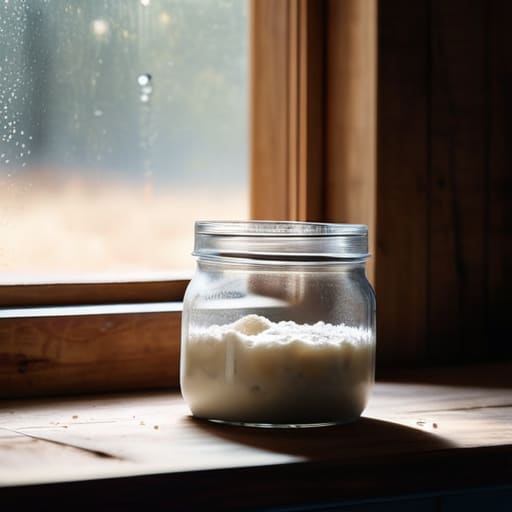
When you realize your jar has gone silent, there is a specific kind of heaviness in the kitchen. You look at that sluggish, greyish mass and feel like you’ve failed a living thing. But please, don’t go throwing the whole jar in the bin just yet. The quiet tragedy of recovering inactive yeast isn’t about a lost cause; it’s about a rhythm that has been broken. Most people think the yeast has died, but usually, it’s just gone into a deep, defensive sleep because the environment became too harsh or the food became too sparse.
The mistake I see most often is trying to force it back to life with sheer willpower and massive amounts of flour. You cannot bully a starter into fermenting. If you try to rush the sourdough fermentation process by feeding it three times a day in a frantic attempt to see bubbles, you’ll only exhaust what little life is left. Instead, you have to treat it like a guest who has fallen ill. Stop the frantic pace, keep your hands gentle, and focus on consistent, small feedings at a stable temperature. It isn’t a race; it’s a conversation.
Five Ways to Stop Pushing and Start Listening

- Stop treating it like a chore and start treating it like a guest; if you’ve been throwing flour at it every six hours in a panic, you’re just stressing the microbes, so back off and give it a steady, predictable rhythm instead.
- Forget the room temperature on your thermometer; find the warmest, draft-free corner of your kitchen—maybe near the oven or on top of the fridge—and let the ambient heat do the heavy lifting for you.
- Use a higher hydration to jumpstart the movement; if your starter is sluggish, try a 100% hydration ratio (equal weights of flour and water) to make the environment more fluid and easier for those little organisms to navigate.
- Watch the bubbles, not the clock; I don’t care if the recipe says “feed every twelve hours” if your starter is still sitting there like a heavy stone—wait until you see actual signs of life before you add more weight to the pot.
- Use flour with some character, like a whole rye or a good unbleached bread flour, rather than that bleached, lifeless white dust; the microbes need something substantial to eat if they’re going to wake up from a long nap.
Three Things to Remember When You're Bringing it Back to Life
Don’t panic at the liquid; a dark pool on top is just your starter crying out for water and flour, not a sign that it’s gone bad.
Stop looking at the clock and start looking at the bubbles; a starter needs to be fed when it’s hungry and active, not just because it’s Tuesday.
Forget the fancy thermometer for a moment and find a warm, steady corner of your kitchen—temperature is the heartbeat of the fermentation, and a cold counter is the quickest way to stall your progress.
The Rhythm of the Return

At the end of the day, reviving a starter is less about following a rigid schedule and more about learning to listen to what that jar is telling you. You’ve learned to tell the difference between a little hooch on top and actual rot, and you’ve understood that a sluggish rise isn’t a death sentence, but a plea for warmth and consistency. Remember that when you are working with a low-hydration, stiff starter, you are building strength, whereas a more liquid mix might move faster but lack that same structural backbone. Don’t go chasing perfection or trying to force a double-volume rise in an hour; just watch for those tiny, stubborn bubbles and wait for the scent to shift from sharp vinegar to something soft and lactic.
There is a certain quiet satisfaction in bringing something back to life that most people would have simply tossed in the bin. It reminds you that in baking, as in most things worth doing, nothing is ever truly lost if you are willing to give it the time it requires. My starter has survived decades of broken hearts, cold winters, and my own occasional lapses in memory, simply because I never stopped treating it with respect. So, stop worrying about the mistakes of last week and just find your rhythm again. The flour and water are ready when you are; now, all you have to do is be patient.
Frequently Asked Questions
I’ve been feeding mine every day for a week and it’s still not bubbling; am I doing something wrong or is it just being stubborn?
It isn’t being stubborn; it’s likely just cold or underfed. If you’re feeding it at the same ratio every day without seeing movement, you might be diluting the strength rather than building it. Try a 1:2:2 ratio—one part starter, two parts flour, two parts water—and find a warmer spot, maybe near the oven or on top of the fridge. Stop looking for bubbles and start feeling for warmth and life. Patience, darling.
Is it possible to save a starter that smells like pure acetone, or have I finally crossed the line into actual rot?
Don’t panic; you haven’t crossed the line into rot just yet. That sharp, nail-polish remover scent is just acetone—it’s the starter’s way of screaming that it’s starving. It’s produced because the acidity has spiked and the yeast has run out of food. It’s not dead, it’s just famished. Stop reaching for the bin. Discard half, give it a thorough stir, and feed it a 1:2:2 ratio of starter, flour, and water. It needs a steady rhythm to find its balance again.
If I use a different flour than what I originally used, will that confuse the culture or help wake it up?
It won’t confuse it, I promise. In fact, a bit of variety is often exactly what a sluggish culture needs. If you’ve been feeding it plain white bread flour for months, throwing in a handful of whole rye or even a bit of whole wheat is like giving it a multivitamin. Those bran particles and minerals are food the yeast hasn’t seen in a while. It’s not a magic fix, but it certainly provides a better spark.