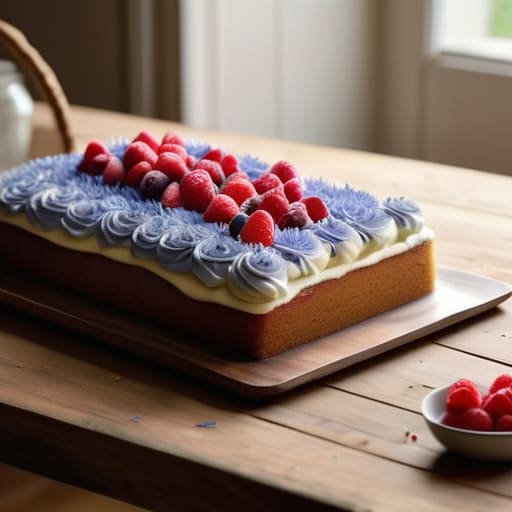
Traybakes for Numbers
I spent thirty-four years watching people walk into my shop looking for “magic” in a box, as if a traybake could be perfected by simply following a glossy instruction sheet and a timer. They treat it like a chemistry experiment where you just plug in the numbers, but they forget that a kitchen is a living, breathing thing. If you’re looking for a way to make traybakes by simply relying on a digital scale and a prayer, you’ll likely end up with something dry enough to choke a bird. The truth is, knowing how to make traybakes isn’t about the gadget you bought or the fancy brand of chocolate you’re using; it’s about understanding the weight of the batter and how the heat of your oven actually behaves when you close that door. I’m not here to give you a list of expensive ingredients or a series of steps that…
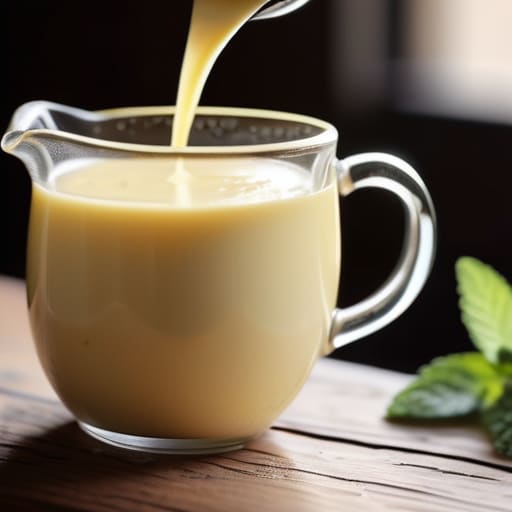
The Complete Guide to Custards
I remember standing in my bakery kitchen at five in the morning, the air thick with the scent of yeast and cooling stone, watching a young apprentice try to fix a curdled crème anglaise with a whisk and a prayer. He was following a printed guide to the letter, yet his custard looked like scrambled eggs. People think they need a complete guide to custards filled with fancy French terminology and expensive stabilizers to get it right, but that’s nonsense. You don’t need more equipment or “secret” ingredients; you need to understand that custard is simply eggs, milk, heat, and restraint. I’m not going to waste your time with glossy photographs of perfect puddings that don’t tell you why the texture failed. Instead, I’m going to give you the truth about how temperature and movement actually dictate the outcome. This isn’t just a list of ingredients; it is my personal…
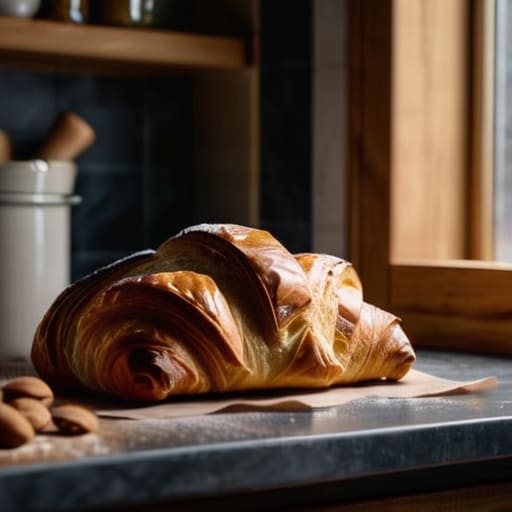
Freezing Properly and Bringing It Back
I spent thirty-four years watching people throw away perfectly good loaves simply because they didn’t know how to freeze and refresh bakes without turning them into something resembling a doorstop. I’ve seen it a thousand times in my own shop: a baker gets ambitious, overproduces, and then panics when the bread starts to go stale by Tuesday. They think they need expensive vacuum sealers or some complicated laboratory technique to save their hard work, but they’re just making it harder than it needs to be. Most of the time, the problem isn’t the bread itself; it’s the way you’ve treated it once the oven door closed. I’m not here to sell you on fancy gadgets or complicated storage systems that take up half your counter space. Instead, I’m going to tell you exactly how to handle your dough and finished crusts so they stay as good as the day they…
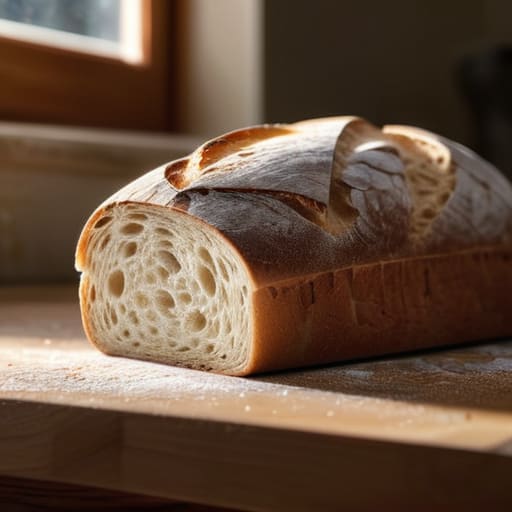
Dense Loaf: Three Likely Causes
I remember standing in my bakery at four in the morning, the air thick with the scent of yeast and the hum of the cooling oven, only to pull a tray of loaves out that felt more like doorstops than sourdough. It’s a heartbreaking feeling, isn’t it? You follow every step, you watch the videos, and yet you’re left staring at a heavy, tight crumb that won’t yield to a knife. Most people will tell you that you need a fancy new stand mixer or a more expensive brand of flour, but they’re selling you nonsense. If you are searching for how to fix dense bread, stop looking at your equipment and start looking at your environment. I’m not going to give you a list of expensive gadgets or complicated science experiments. Instead, I’m going to tell you what I learned from thirty-four years of watching dough rise and fall.…
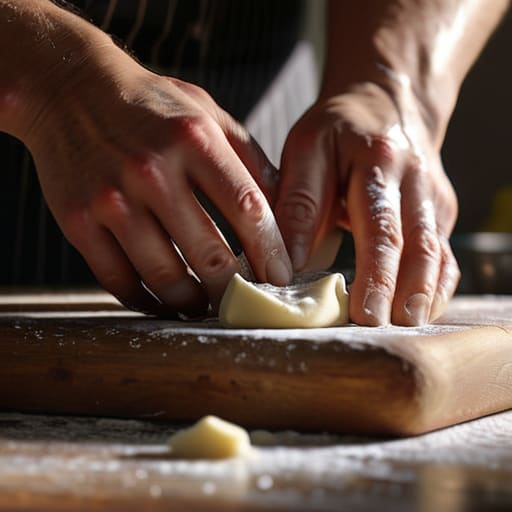
Stop Chasing the Perfect Photograph and Start Feeling the Cold: the Truth About Making Flaky Pastry Crusts From Scratch.
I can still feel the grit of flour on my palms from those four a.m. shifts, back when the only thing colder than the morning air was the marble slab I used for my pastry work. I’ve watched countless beginners spend a small fortune on “specialty” chilled fats or fancy gadgets, only to end up with a crust that has the structural integrity of a wet cracker. They think making flaky pastry crusts from scratch is a matter of following a list of expensive ingredients, but they’re looking in all the wrong places. If your pastry is coming out tough and heavy, it isn’t because you bought the wrong butter; it’s because your kitchen was too warm or your hands were too busy working the dough when they should have been letting it rest. I’m not going to give you a list of “secret” ingredients or tell you to buy…
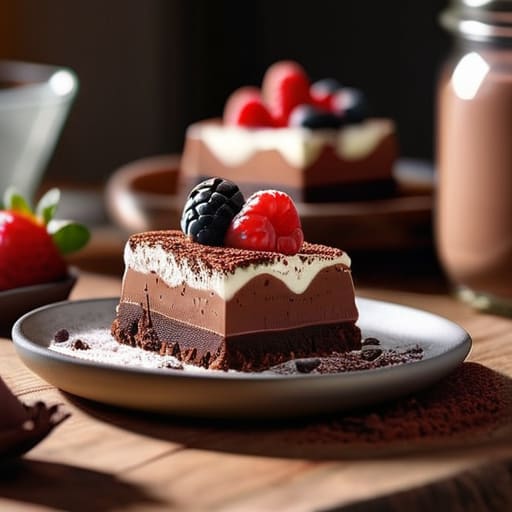
7 Irresistible Easy No Bake Desserts for Beginners That Require Zero Oven Time
I’ve spent most of my life standing before a wood-fired oven, watching the heat transform flour and water into something golden and crusty. People often assume that if you aren’t wrestling with yeast or monitoring a temperamental oven temperature, you aren’t truly “cooking.” But after thirty-four years of four o’clock starts, I’ve learned that sometimes the most satisfying things in life require nothing more than a steady hand and a bit of patience. If you are feeling intimidated by the technicalities of pastry or simply don’t want to fight with a thermometer on a humid afternoon, finding easy no bake desserts for beginners is the best way to reclaim your joy in the kitchen. It isn’t about cutting corners; it’s about respecting the ingredients you have in front of you. In the following list, I am going to walk you through seven treats that rely on assembly and timing rather…
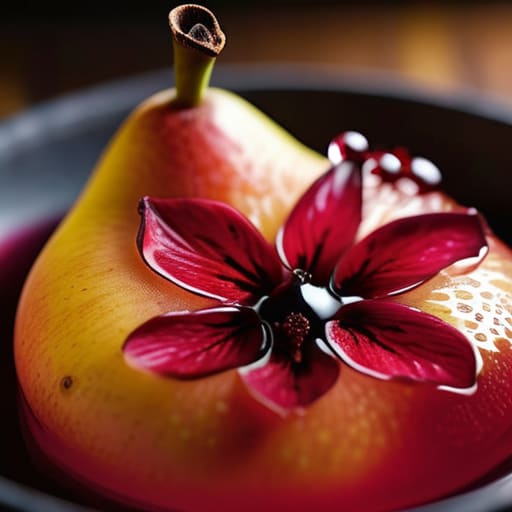
Poaching Fruit Into Something Better
I spent thirty-four years watching people treat dessert like a chemistry experiment or, worse, a way to show off with expensive, imported spices they don’t actually need. Most cookbooks will try to tell you that learning how to poach fruit requires a specialized syrup of rare saffron or heavy cream to be successful, but that’s just nonsense designed to sell more pantry items. If you’ve ever ended up with a bowl of mushy, grey pears that taste more like the pot they sat in than the fruit itself, you haven’t failed the recipe—you’ve simply rushed the heat. I’m not here to give you a list of fancy garnishes that look lovely in a photograph but taste like nothing. Instead, I’m going to teach you how to listen to the fruit as it softens and how to respect the temperature of your liquid so you don’t boil the life right out…
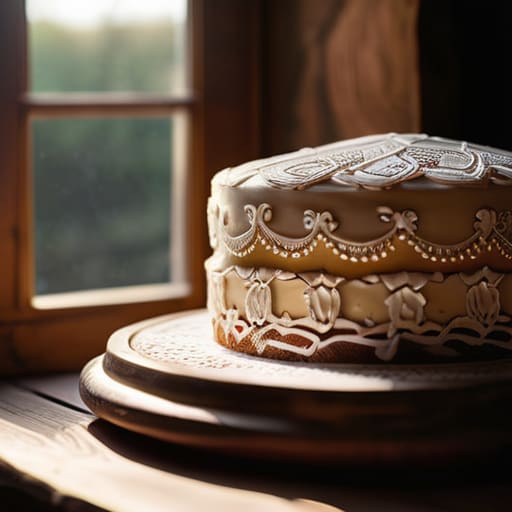
Beyond the Sugar and the Spectacle: What the History of Traditional Wedding Cakes Teaches Us About the True Weight of Commitment.
I remember standing in my shop at five in the morning, flour coating my eyelashes, watching a young bride weep because her tiered masterpiece looked nothing like the glossy magazine spread she’d pinned to her fridge. People treat wedding cakes like these photographs—as if they are mere architectural feats of sugar and structural engineering designed to impress strangers. But if you look closely at the history of traditional wedding cakes, you’ll find they weren’t born from a desire for a perfect Instagram post; they were born from grain, honey, and the sheer, stubborn necessity of celebrating life with what you had on hand. Now, as we look at how these traditions moved from the heavy, spiced fruitcakes of the medieval era to the lighter sponges we see today, it’s clear that celebrations have always been about more than just the sugar on the plate; they are about the people you…
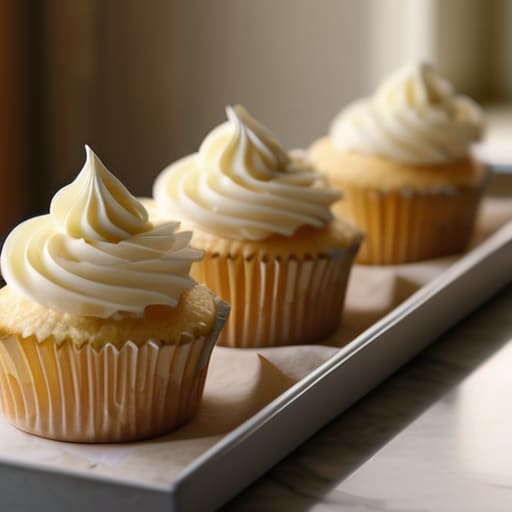
Cupcakes That Are All the Same Size
I remember standing in my shop at five in the morning, the air thick with the scent of yeast and sugar, watching a young apprentice try to “eyeball” her batter distribution. She was looking for that perfect, symmetrical dome you see in glossy magazines, but she was doing it by eye, and she was doing it with a spoon. By the time those trays came out of the oven, half were sunken craters and the other half were overfilled monsters. People spend far too much money on fancy silicone molds or expensive rotating pans thinking that’s the secret to how to make cupcakes evenly, but they’re just buying expensive distractions. I’m not here to sell you a new gadget or a complicated gadget-based technique. I’m going to tell you that the secret isn’t in the pan, it’s in the precision of your scale. I’ll show you how to stop guessing…
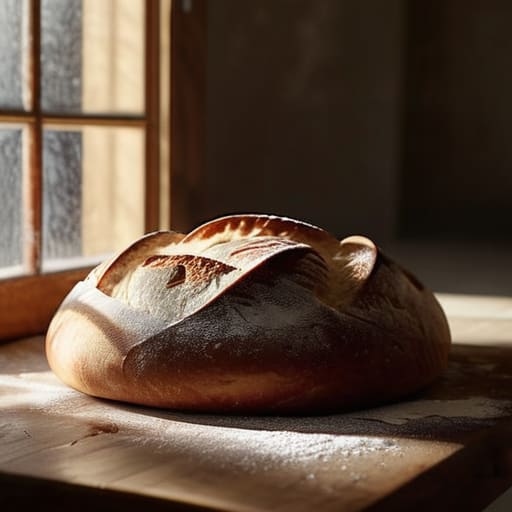
The 7 Best Essential Tools for Professional Bread Baking
I’ve spent thirty-four years watching people walk into my shop with expensive, shiny gadgets they’ve seen on social media, only to walk out with loaves that look more like heavy bricks than bread. They think the magic is in the machine, but they’re missing the point entirely. If you want to move beyond the hobbyist stage and actually understand the soul of your dough, you need to stop chasing trends and start investing in the essential tools for professional bread baking that actually serve the craft. Most of what you see in those glossy magazines is just window dressing; a true baker knows that the right tools shouldn’t do the work for you, they should simply get out of your way so you can feel what the flour is telling you. In the following list, I’m stripping away the nonsense to give you the seven items I wouldn’t dream of…