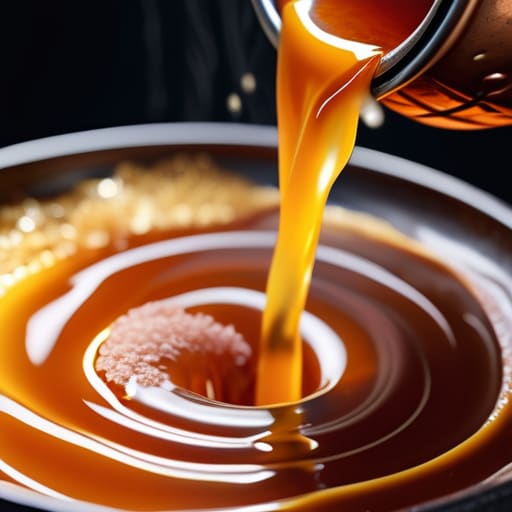
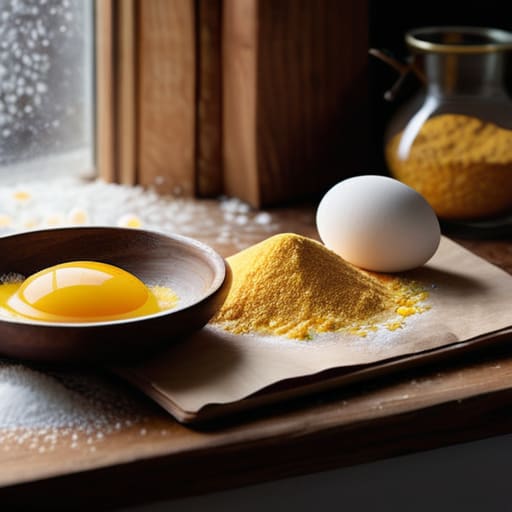
I’ve spent forty years watching people walk into my bakery, and if there is one thing that makes my blood boil, it’s the idea that you need a chemistry degree and a grocery budget from a king to bake something delicious. I see these “specialty” aisles overflowing with expensive, processed substitutes that taste more like cardboard than actual food, as if you can just swap a stick of butter for a jar of flavored oil and call it a day. If you are searching for how to make dairy free desserts that don’t leave a gritty, artificial aftertaste, you need to stop looking for a magic replacement and start looking at how fats actually behave when they hit the heat.
I am not here to sell you on some miracle powder or a trendy, overpriced nut-milk that breaks the moment it touches a warm pan. Instead, I’m going to show you how to work with what is real—understanding the way coconut fat holds a structure or how a well-made cashew cream can mimic the richness of heavy cream without the fuss. We are going to focus on texture and temperature, because a dessert is only as good as the mouthfeel it leaves behind. I’ll give you the weights, the ratios, and the honest truth about what works.
The Truth About Non Dairy Milk Substitutes for Baking
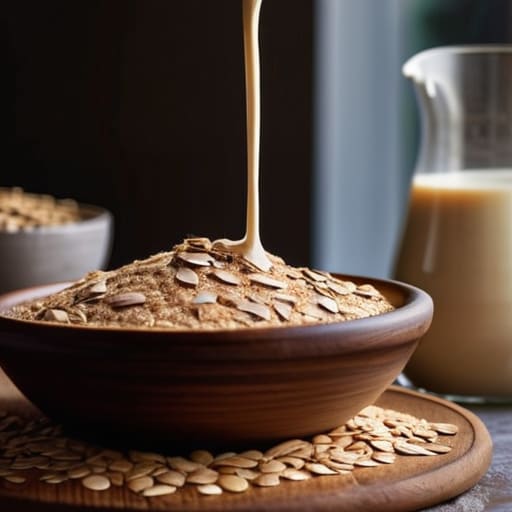
If you go into this thinking you can just swap cow’s milk for whatever carton is on sale and expect the same result, you’re going to be disappointed. Most people treat non-dairy milk substitutes for baking like they’re interchangeable, but they aren’t. A thin, watery almond milk will leave your sponge feeling parched, while an oat milk—which has a lovely, natural starchiness—will behave much more like the real thing. You have to look at the fat content and the protein, not just the label.
When I’m looking for ways of achieving creamy texture without cream, my first instinct is always the coconut. If you’re wondering how to use coconut milk in desserts, remember that the fat is your best friend. Use the full-fat canned variety for ganaches or custards; it provides a mouthfeel that thin plant milks simply cannot mimic. If you use a light version, you’ll find your pudding stays runny or your frosting feels greasy rather than rich. It isn’t about the recipe being “wrong,” it’s about understanding how much fat is actually sitting in your mixing bowl.
Achieving Creamy Texture Without Cream or Compromise
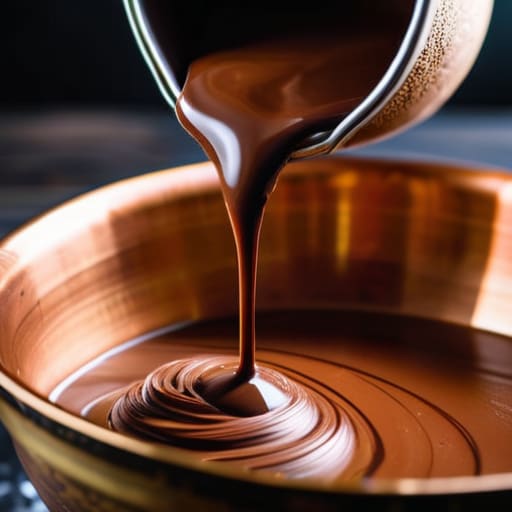
If you’re looking for that luscious, mouth-coating sensation that a heavy cream provides, you have to stop thinking about what you’re removing and start thinking about what you’re adding. Most people fail here because they try to swap milk for water and expect a miracle. To succeed at achieving creamy texture without cream, you need fat and stability. I’ve found that full-fat coconut milk is a baker’s best friend, but you must treat it with respect; if you pour it in cold, it won’t emulsify properly with your sugars. You want it warm and integrated, acting as the structural backbone of your custard or ganache.
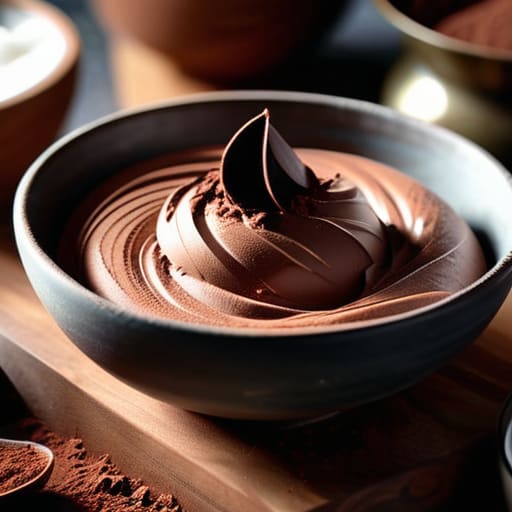
When you move into the realm of plant based dessert thickening agents, don’t just rely on starch. Cornstarch can leave a tacky, gluey film if you’re heavy-handed. Instead, look toward the natural gums or even the way a well-emulsified cashew cream behaves under heat. If you are working with chocolate, remember that how to use coconut milk in desserts effectively depends entirely on the cocoa percentage. High-fat coconut milk married with a dark chocolate creates a silkiness that even the most expensive dairy cream struggles to mimic, provided you don’t rush the cooling process.
The Baker’s Ledger: Five Rules for When the Dairy Vanishes
- Stop treating plant milks like an equal swap and start watching the fat. If you’re using a thin, watery almond milk where a recipe calls for whole milk, your batter is going to be thin and your crumb will be tight and sad. You need to compensate for that missing fat—either by adding a touch more oil or choosing a higher-percentage coconut milk—otherwise, you aren’t making a dessert, you’re making a sponge.
- Trust the fat, not the label. When I’m working without butter, I look at the saturated fat content. Coconut oil is a baker’s best friend because it stays solid at room temperature, giving you that crucial mouthfeel that vegetable oils just can’t mimic. If you use a liquid oil where a solid fat is required, your cake will collapse like a tired souffle the moment it hits the air.
- Watch your temperature, especially with nut-based creams. Most people don’t realize that cashew cream or coconut cream behaves differently under heat than heavy dairy cream; they can split or grain up if you rush them. Don’t just dump them in; introduce them to the other ingredients slowly, and if the room is cold, warm your liquids just enough to wake them up without scaldng the fats.
- Salt is your secret weapon for depth. When you strip away the natural richness of dairy, you lose a layer of flavor that usually rounds out the edges of a dessert. You have to be more intentional with your salt—not enough to make it savory, but enough to bridge the gap between the sugar and the plant fats so the dessert doesn’t taste “flat” or one-dimensional.
- Learn to feel the viscosity, not just read the clock. A dairy-free batter often has a different “drag” against the spatula than a traditional one. If your batter feels too heavy or sluggish, don’t just add more liquid blindly; you might need a tiny bit of acidity, like lemon juice, to help break down the starches and give the batter the movement it needs to rise properly.
The Baker's Rules for Dairy-Free Success
Stop looking for a 1:1 swap and start looking at the fat; if you’re pulling out butter, you must replace the actual lipid content, not just the liquid, or your crumb will turn out as dry as a summer road.
Watch your protein levels closely when switching milks, because a soy milk behaves entirely differently under heat than an almond milk, and one might give you a beautiful rise while the other leaves you with a heavy, sad sponge.
Trust your hands over the clock; dairy-free batters often lack the structural “give” of traditional ones, so you have to feel for that specific tension in the dough rather than just following a timer blindly.
The Baker's Final Word
If you’ve taken anything from this, let it be this: dairy-free baking isn’t about finding a “replacement” that mimics a cow; it is about understanding how new fats and liquids behave. You now know that your milk substitute dictates your hydration levels, and that achieving a silky crumb requires looking toward plant-based fats that actually hold their structure under heat. Don’t just swap milk for almond milk and hope for the best—you must adjust your expectations and your ratios accordingly. Remember, if your batter feels too thin or your fat isn’t emulsifying, it isn’t a failure of the ingredients, it is simply a matter of balancing the chemistry of what you have on the counter.
At the end of the day, a dessert is meant to be a gesture of love, whether it contains butter or not. I have spent thirty-four years watching people panic over a sunken sponge or a grainy frosting, but the secret is that the most delicious things often come from learning how to pivot when the ingredients don’t behave. Stop looking for a perfect photograph and start feeling the weight of your bowl and the temperature of your kitchen. Trust your hands, respect the timing, and remember that patience is the only ingredient that truly cannot be substituted. Now, get your flour out and get to work.
Frequently Asked Questions
If I'm swapping out butter for a plant-based fat, how do I adjust my hydration percentages so the crumb doesn't end up gummy?
When you swap butter for plant oils, you’re moving from a solid fat to a liquid one. Butter holds water; oil does not. If you keep your hydration exactly the same, that extra water has nothing to bind to, and you’ll end up with a crumb that feels like wet sponge. I usually drop my hydration by about 3% to 5% when using oil. You want the dough to feel supple, not tacky.
Can I still use my sourdough starter for dairy-free pastries, or does the lack of milk proteins affect the fermentation timing?
Oh, don’t you worry about your starter; it doesn’t care a lick about milk. Sourdough is a wild thing, fueled by flour and water, not dairy. If you’re swapping milk for a plant-based alternative in your pastry dough, just watch your hydration. Some milks are thinner than others. If your dough feels too slack, add a dusting of flour; if it’s fighting you, give it a moment to rest. The fermentation timing stays the same.
How do I know if my vegan egg substitute is actually binding the structure, or if I'm just masking a failure in temperature control?
If your cake collapses or feels gummy, don’t blame the flax or the aquafaba first. Look at your oven. A binder’s job is to set the structure while the heat works its magic; if your kitchen is a drafty cellar or your oven temperature is dipping, no amount of egg substitute will hold that weight. If the crumb is tight and wet, you rushed the bake. If it’s crumbly, your binder lacked the protein strength to catch the starch.