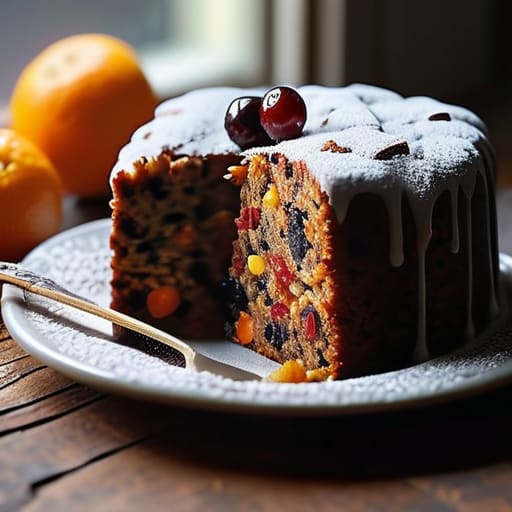
The Complete Guide to Fruit Cake
I remember standing in my shop at four in the morning, the air thick with the scent of molasses and warming spices, watching a young apprentice try to “fix” a heavy batter by adding more flour because it looked too wet. He thought he was following a recipe, but he was actually fighting the chemistry of the fruit. Most people approach a fruit cake like it’s a chore or a heavy brick of sugar, searching for some magic “complete guide to fruit cakes” that promises perfection in an hour. But let me tell you, if you’re looking for a way to bake a dense, dry slab of regret, you’ve come to the wrong place. A proper fruit cake isn’t just a dessert; it is a slow marriage of spirits, fats, and patience. I’m not here to give you a list of expensive, unnecessary gadgets or tell you that your cake…
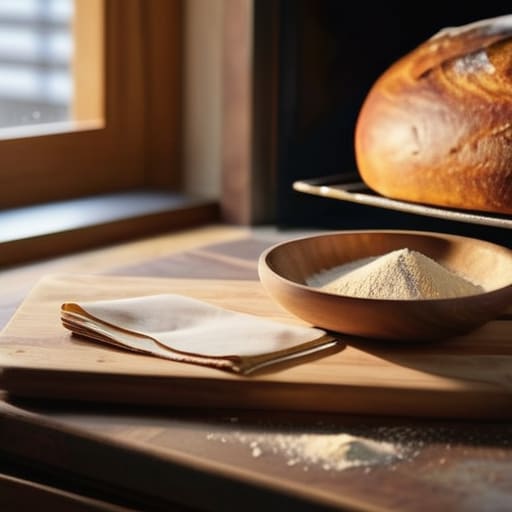
Converting a Recipe for a Fan Oven
I remember a young lad who came into my shop years ago, clutching a cookbook like it was a holy text, complaining that his sourdough came out looking like a flat, pale stone despite following every instruction to the gram. He’d spent a fortune on a fancy new convection model, convinced that a higher price tag meant a better loaf, never realizing that he was fighting his own equipment. The truth is, most people spend far too much time worrying about the gadgets and not nearly enough time understanding how fan and conventional ovens differ in the way they actually treat your dough. A fan doesn’t just “cook faster”; it interrogates the surface of your bread with moving air, whereas a conventional oven offers a steady, quiet heat that lets the crust develop at its own pace. I’m not here to sell you on more expensive kitchenware or give you…
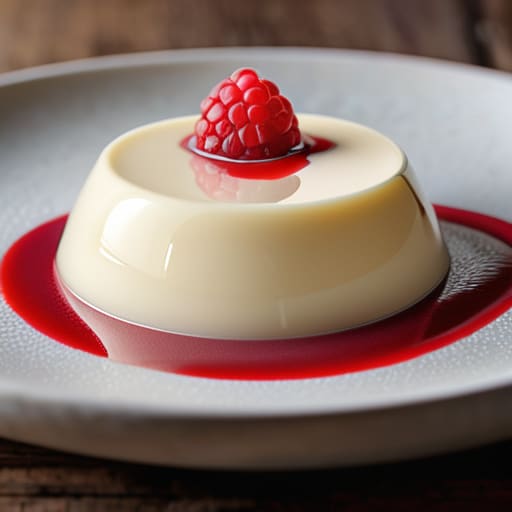
Panna Cotta Should Just Barely Stand Up
Most people think that learning how to make panna cotta is a matter of finding the perfect ratio of gelatin to cream, but they are looking at the wrong side of the equation. They treat it like a chemistry experiment where you just follow a list of instructions and hope for the best, but panna cotta isn’t a science project; it’s a lesson in temperature. I spent years watching young pastry students ruin perfectly good heavy cream because they boiled it too hard or, worse, they rushed the setting time in a frantic attempt to serve it. If you treat the cream with too much aggression or try to cheat the clock, you won’t end up with a silky dessert; you’ll end up with something that feels like rubber or, more likely, a sad, weeping puddle of sweetened milk. I am not here to give you a flashy, filtered recipe…
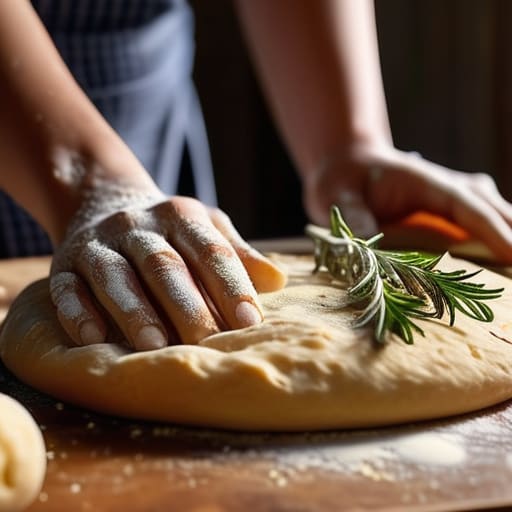
Focaccia: Wet Dough, Generous Oil, Light Hands
Stop looking at those glossy, golden-crusted photos on your feed and wondering why your own kitchen produces something that looks more like a heavy biscuit than a cloud. Most people think the secret to learning how to make focaccia is a fancy proofing basket or a high-end steam oven, but they are dead wrong. The truth is, a focaccia fails because you tried to force it to move faster than the yeast was ready to go, or you treated the dough like a piece of clay to be conquered rather than a living thing to be nurtured. I spent thirty years watching people rush the fermentation process, only to end up with a dense, gummy mess that no amount of rosemary or sea salt could save. I am not going to give you a recipe that relies on “cups” or vague instructions like “let rise until doubled.” Instead, I’m going…
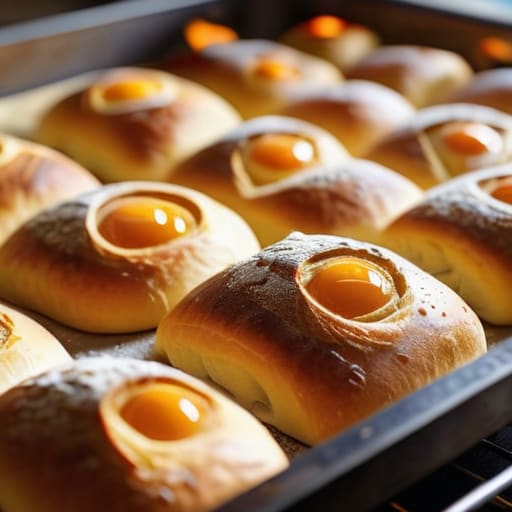
Mapping an Oven With a Tray of Bread
I spent thirty-four years waking up at four in the morning to the smell of yeast and the hum of a wood-fired oven that had more personality than most people I know. Back then, you didn’t consult a digital sensor or buy a fancy infrared thermometer to understand your heat; you learned by the way the crust crackled or how a loaf slumped in the middle. People today get so frustrated when their bakes come out looking like a patchwork quilt—burnt on one side and doughy on the other—and they immediately blame the recipe or their hydration levels. But the truth is much simpler: your oven is a living thing, not a laboratory, and if you don’t know how to find your oven’s hot spots, you’re just guessing in the dark. I’m not here to sell you a gadget or a complicated scientific chart. I want to show you how…
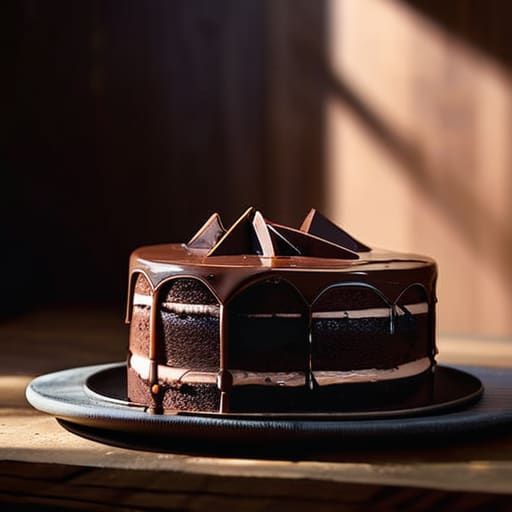
The Complete Guide to Chocolate Cake
I spent thirty-four years watching people walk into my bakery, clutching glossy cookbooks and asking why their sponge looked more like a brick than a cloud. They’d buy the most expensive single-origin cacao on the market, only to end up with a dry, bitter mess because they followed a “complete guide to chocolate cakes” that focused entirely on the brand of chocolate rather than the science of the crumb. Most of these guides are just collections of pretty pictures that ignore the fundamental truth: a cake fails because your butter was too cold, your oven has a blind spot, or you treated your mixing bowl like a race track. I’m not here to sell you a dream or a fancy new gadget; I’m here to give you the truth about how cocoa behaves when it meets heat and moisture. This isn’t just another list of ingredients, but a no-nonsense roadmap…
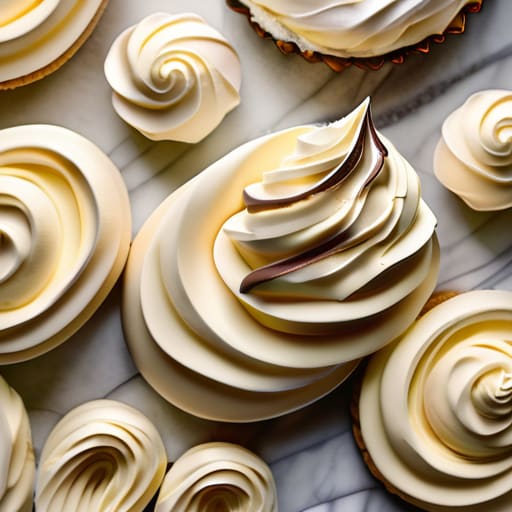
Buttercream: Four Kinds and When Each Suits
I spent thirty-four years watching people treat buttercream like some sort of fickle magic trick, as if you need a degree in chemistry or a kitchen full of specialized gadgets to get it right. They’ll tell you that you need a specific brand of expensive European butter or a high-speed stand mixer to achieve perfection, but that’s just noise. The truth about how buttercream works isn’t found in a fancy gadget; it’s found in the temperature of your hands and the humidity in the air. I’ve seen more beautiful frostings ruined by a cook who was too impatient than by any lack of professional equipment. I’m not here to sell you a miracle or a complicated list of substitutions that leave your cake tasting like wax. Instead, I want to talk about the actual physics of fat and air, and why your kitchen temperature is more important than your recipe…
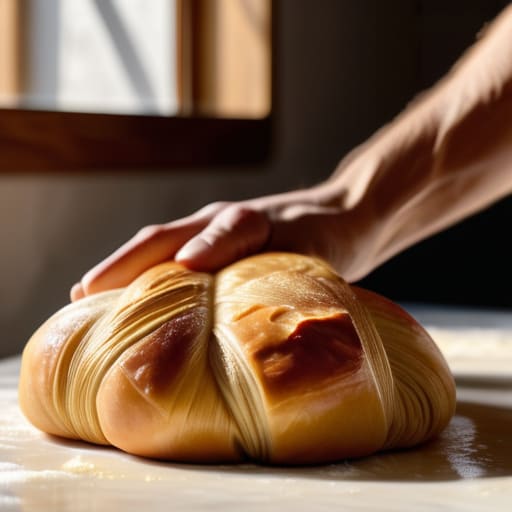
Brioche Is Mostly About Temperature
Most people think that learning how to make brioche is about mastering a complex ratio of eggs and flour, but they’ve got it backwards. They spend hours obsessing over the perfect brand of butter while their dough turns into a greasy, lifeless puddle because they didn’t understand the temperature of the room. I spent my first few years in the bakery thinking I was doing something wrong, only to realize I was fighting the fat instead of working with it. You can have the finest ingredients in the world, but if you rush the incorporation or let the dough get too warm under your palms, you aren’t making brioche—you’re just making expensive, heavy bread. I’m not here to give you a glossy photograph or a list of fancy tools you don’t need. Instead, I’m going to show you how to listen to the dough. We are going to work with…
Crème Brûlée: Gentle Heat and a Hot Top
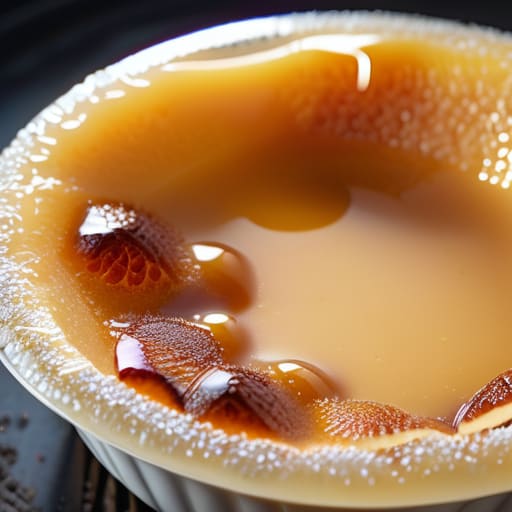
You’ve likely been told that the secret to a perfect custard is a high-end torch or a specific brand of vanilla bean, but that’s nonsense. Most people struggle with how to make crème brûlée because they treat it like a chemistry experiment rather than a lesson in temperature control. I spent decades watching people ruin perfectly good cream by rushing the tempering process or, heaven forbid, trying to caramelize the sugar while the custard underneath was still lukewarm. If you try to torch that sugar while the custard is still warm, you’ll end up with a pathetic, sugary soup instead of a crisp, glass-like crust. I’m not here to give you a list of fancy equipment or a recipe that looks pretty in a magazine but falls apart on the spoon. I’m going to show you how to listen to the custard and understand the rhythm of the heat. We…
Enriched Dough Behaves Like a Different Ingredient
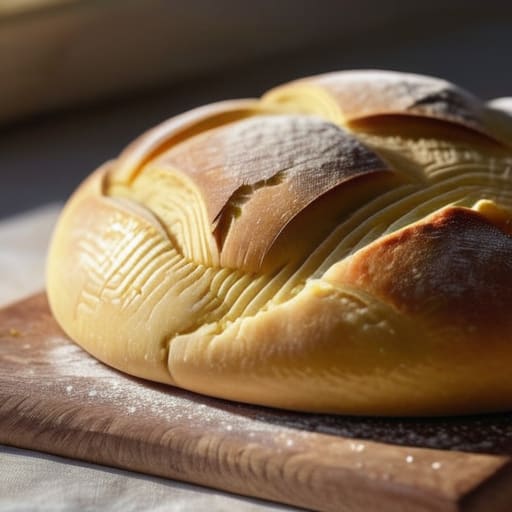
I remember standing in my shop at five in the morning, my hands coated in flour, watching a young apprentice try to treat a brioche like a standard sourdough. He was checking the clock every five minutes, frustrated that the dough wasn’t behaving, completely unaware of how enriched doughs differ from the lean, stubborn loaves I’d been pulling from the oven for decades. He thought he just needed a faster timer, but he didn’t realize that when you introduce butter and eggs, you aren’t just adding flavor; you are changing the very physics of the dough. I’m not here to sell you a fancy new gadget or a bag of imported flour that costs more than your electricity bill. What I want to do is show you the actual, tactile reality of working with fat and sugar. We are going to talk about hydration percentages, the way a heavy dough…