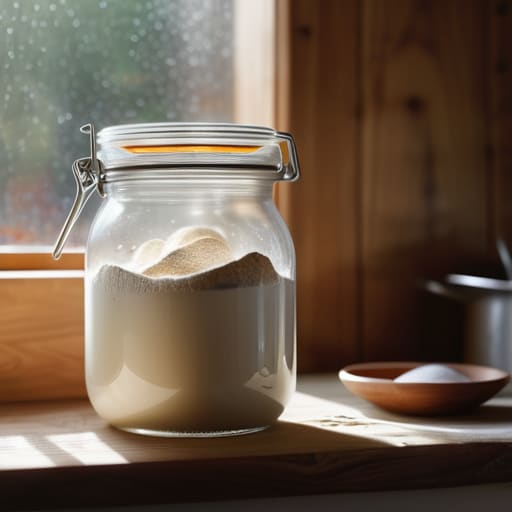
Feeding a Starter Around a Normal Life
I can still smell it if I close my eyes—that sharp, fermented tang hitting the back of my throat at four in the morning, long before the sun even thought about touching the village square. Back then, I didn’t have fancy digital scales or temperature-controlled proofing boxes; I just had a heavy stoneware crock and the feel of the air in the kitchen. People will try to sell you expensive kits or complex schedules, telling you that you need a laboratory setup just to learn how to maintain a starter without it dying on you. They make it sound like a chemistry experiment, but they’re wrong. It isn’t about following a rigid, mechanical ritual; it’s about learning to listen to the life breathing inside that jar. I’m not here to give you a checklist of chores that will make you resent your kitchen. Instead, I’m going to show you how…
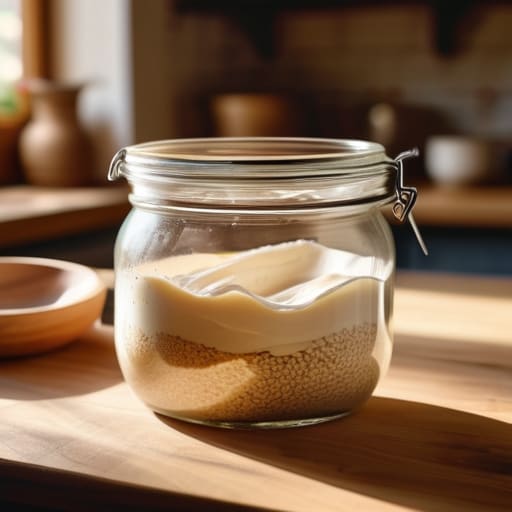
Starting a Starter and Keeping It Alive
People will tell you that building a starter is some kind of dark magic, or that you need a laboratory-grade environment to succeed, but they are simply wrong. Most of the fuss comes from people treating flour and water like a chemistry experiment instead of a living thing. If you’ve been staring at a jar of grey, stagnant goo wondering how to make sourdough starter that actually bubbles and breathes, stop looking for a secret ingredient. You don’t need expensive additives or a specialized incubator; you just need to understand that you are inviting wild yeast into your kitchen, and they don’t care about your fancy gadgets. They care about consistency. In this guide, I’m going to strip away the nonsense and show you how to build a culture using nothing but simple weights and a bit of discipline. We aren’t going to use cups—because those lie to you—and we…

Crust Is Steam, Then Heat, Then Patience
I remember standing before my old wood-fired oven at four in the morning, my shoulders aching and the air thick with the scent of toasted grain, watching a loaf emerge with a crust so dull it looked like wet cardboard. I had followed every “professional” tip the magazines threw at me, yet I still couldn’t figure out how to get a better crust that actually sang when you sliced it. People will try to sell you expensive steam injection ovens or specialized stone decks, claiming those are the secrets, but they’re just selling you hardware to mask a lack of understanding. A crust isn’t something you buy; it’s something you earn through heat and moisture. I’m not here to give you a shopping list of gadgets or a complicated ritual that requires a degree in thermodynamics. Instead, I’m going to tell you what is actually happening inside that oven when…

The Rise That Happens After It Goes in
I remember standing in my shop at four in the morning, watching the steam rise off a fresh batch of sourdough, feeling that specific, quiet ache in my shoulders that told me it was time to slow down. There is nothing quite like the sight of a loaf hitting the stone and suddenly stretching toward the ceiling, but I see too many people online buying expensive steam-injection ovens or high-tech gadgets thinking that’s the secret. They treat it like a magic trick, but understanding how oven spring happens isn’t about the hardware you buy; it’s about the life inside the dough. If your loaf comes out looking like a flat, dense brick instead of a proud, airy boule, you haven’t failed the recipe—you’ve likely just ignored the temperature or the tension. I’m not here to sell you a fancy piece of equipment or a complicated gadget. I’m going to tell…
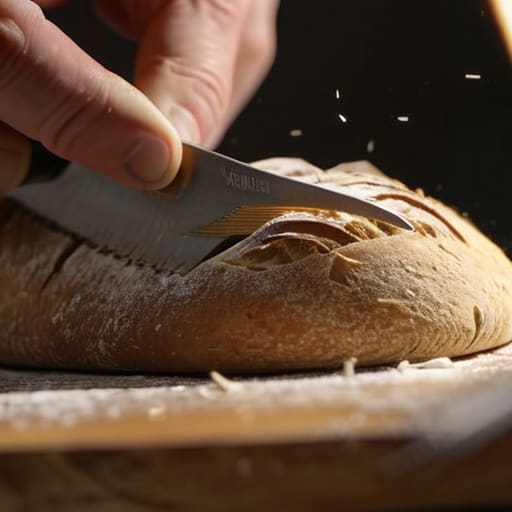
Scoring Controls Where the Loaf Opens
I remember standing over my first wood-fired oven at twenty-two, watching a beautiful, high-hydration loaf burst sideways like an overfilled balloon because I’d been too timid with my blade. I thought I was being careful, but I was actually just suffocating the dough. Most people think that learning how to score bread is about being an artist or drawing intricate wheat stalks on the crust, but that’s a vanity project. In reality, scoring is a mechanical necessity; it is about giving the steam a controlled path to escape so your loaf doesn’t tear itself apart in ways you didn’t intend. If you treat the blade like a paintbrush instead of a release valve, you’ve already lost the battle. In this guide, I’m going to strip away the pretension and show you how to handle a lame with actual intention. We won’t be chasing “Instagram-perfect” patterns that compromise your structure; instead,…
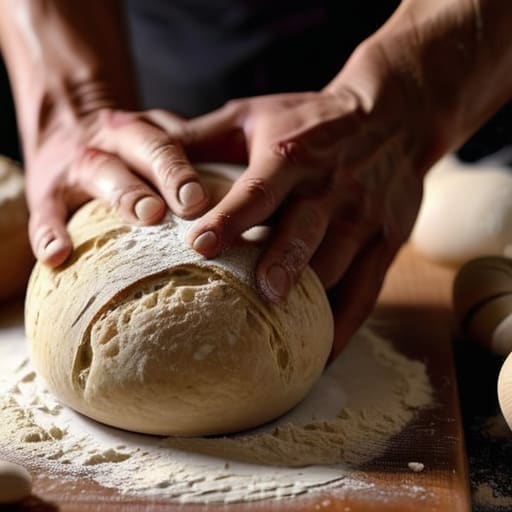
Shaping Is About Surface Tension
I spent thirty-four years watching people pull their hair out over a YouTube video, trying to mimic some perfectly manicured, flour-dusted hand movement that looks lovely in a thumbnail but does nothing for the actual dough. They treat it like origami, all precise folds and delicate touches, but if you’re trying to learn how to shape a loaf by following a still photograph, you’ve already lost the battle. I remember being nineteen, standing over a wood-fired oven that felt more like a living beast than an appliance, realizing that the dough doesn’t care about your aesthetic; it cares about tension and temperature. If you’re too aggressive, you’ll tear the gluten; if you’re too timid, the loaf will simply puddle into a sad, flat pancake once it hits the heat. I’m not going to give you a list of “aesthetic” steps to make your kitchen look like a magazine spread. Instead,…
Judging Bulk Fermentation by Feel, Not Clock
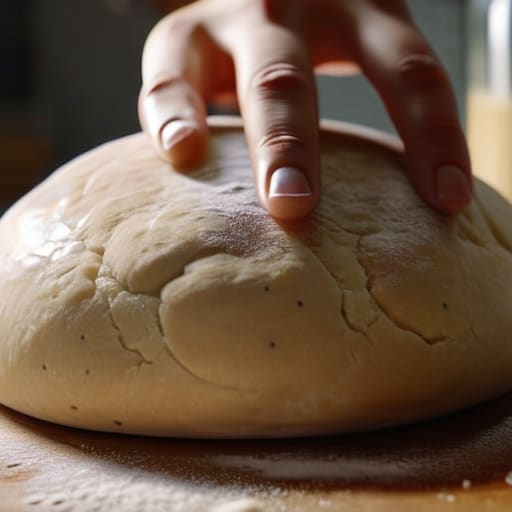
I spent thirty-four years standing before a wood-fired oven that didn’t care a lick about my feelings, and if there is one thing those early morning shifts taught me, it is that you cannot bake by staring at a screen. I see so many people nowadays scrolling through perfectly lit, staged videos, trying to memorize exactly how bulk fermentation should look based on a glossy photograph. Let me tell you something: a photo is a lie. A photo can’t tell you if the dough is holding its gas or if it’s just sitting there like a heavy, lifeless slab of clay because your kitchen is ten degrees too cold. I’m not here to give you a checklist of visual milestones that change every time the humidity shifts. Instead, I want to teach you how to actually read your dough. I’m going to show you how to use your hands and…
Stretch and Fold Instead of Kneading
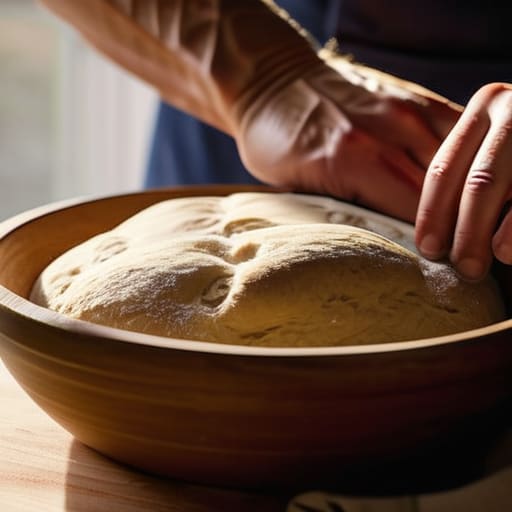
I remember standing in my shop at four in the morning, thirty years ago, staring at a bowl of slack, weeping dough that looked more like soup than bread. I had followed a recipe to the letter, yet the loaf came out of the oven looking like a sad, flat pancake. I used to think I needed a heavier mixer or a more expensive flour, but the truth was much simpler: I wasn’t talking to the dough. Most people treat a recipe like a set of instructions for a machine, but when you’re learning how stretch and fold works, you have to realize you aren’t just following steps; you are building a structure with your own two hands. I’m not going to give you a list of fancy equipment or tell you that you need a temperature-controlled proofing box to get it right. Instead, I’m going to tell you what…
Kneading Until the Dough Tells You to Stop
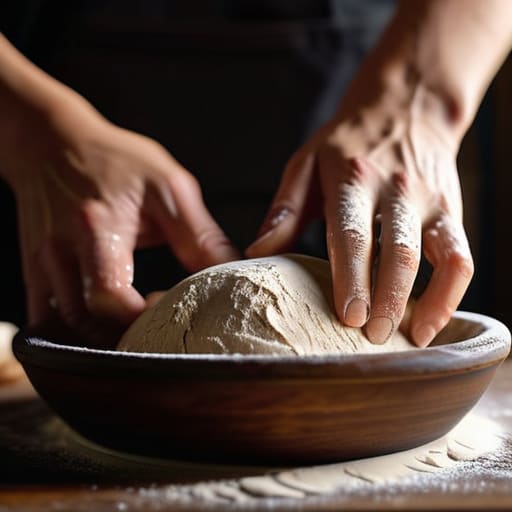
I remember standing in my bakery at four in the morning, thirty years ago, watching a young apprentice try to force a stubborn dough into submission with a heavy wooden rolling pin. He thought he was doing something productive, but he was just bruising the life out of it. People get so caught up in the mechanics of it all, buying fancy stand mixers or following those clinical, scientific videos that treat flour like a laboratory experiment, but they miss the point entirely. They ask me constantly about how kneading develops structure, as if it’s some magical mechanical trick rather than a conversation between your palms and the gluten. The truth is, if you treat the dough like an enemy to be conquered, it will always fight you back. I’m not here to give you a lecture on protein percentages or to tell you that you need a specialized machine…
Handling Eighty Percent Hydration Without Panic
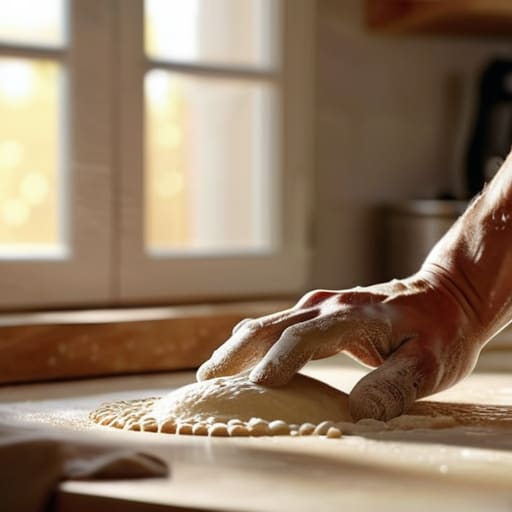
I remember a Tuesday morning, back when the bakery was still mine and my shoulders didn’t ache quite so much, when I stared down a batch of ciabatta that looked more like a puddle of soup than a fermented dough. My apprentice was frantic, reaching for the flour bin to “fix” it, but I stopped him with a look. People think that learning how to handle wet dough means buying expensive high-protein flour or fancy silicone tools, but they’re wrong. Most of the time, you aren’t fighting a bad recipe; you’re just fighting a lack of patience and a misunderstanding of how water behaves when it meets gluten. I’m not here to give you a list of complicated gadgets or tell you to dump more flour into your bowl until the dough becomes a heavy, lifeless brick. Instead, I’m going to teach you how to read the tension in your…