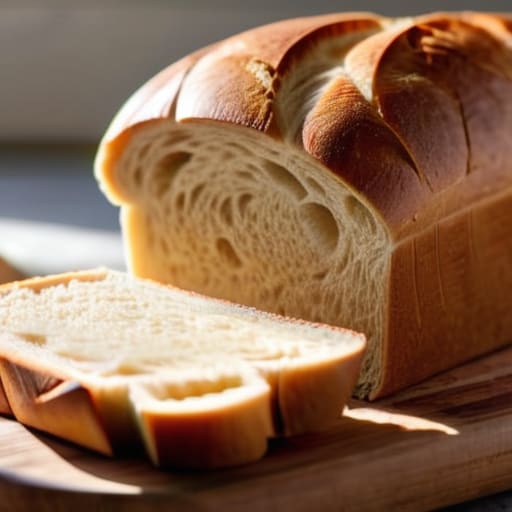
A Tin Loaf That Slices Properly
Most people think that making a soft sandwich loaf requires a mountain of extra butter or a handful of chemical conditioners to get that pillowy texture, but they’ve got it entirely backward. I spent years watching people struggle with heavy, dense bricks, blaming their recipes when the real culprit was usually a lack of proper hydration or a kitchen that was far too cold. You don’t need a chemistry set to master how to make a soft sandwich loaf; you just need to understand how the flour is drinking and how much tension your hands are actually putting into the dough. I’m not going to give you a list of fancy additives or tell you to trust a digital timer blindly. Instead, I’m going to teach you how to work with percentages and feel, so you can sense exactly when that dough has moved from being a sticky mess to…
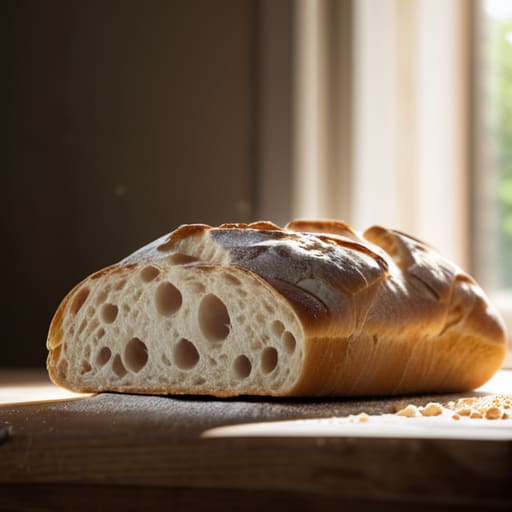
Ciabatta and the Open Crumb
Most people think that learning how to make ciabatta requires a high-tech kitchen or a specialized mixer that costs more than my first car, but they couldn’t be more wrong. I spent thirty years in a bakery where the only thing “high-tech” was a heavy wooden table and a window that let in the morning light, and let me tell you, the dough didn’t care about the gadgets. The real struggle isn’t the equipment; it’s that most recipes treat hydration like a suggestion rather than the soul of the bread. If you’re trying to follow a guide that tells you to use measuring cups, you’ve already lost the battle before the flour even hits the water. I’m not here to sell you on a lifestyle or show you a polished photograph of a loaf that looks perfect but tastes like nothing. Instead, I’m going to show you how to work…
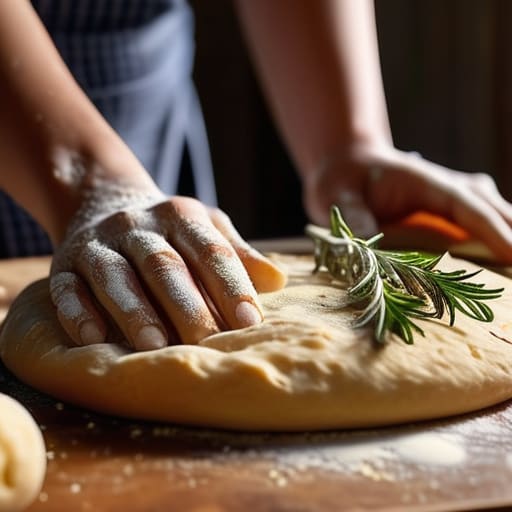
Focaccia: Wet Dough, Generous Oil, Light Hands
Stop looking at those glossy, golden-crusted photos on your feed and wondering why your own kitchen produces something that looks more like a heavy biscuit than a cloud. Most people think the secret to learning how to make focaccia is a fancy proofing basket or a high-end steam oven, but they are dead wrong. The truth is, a focaccia fails because you tried to force it to move faster than the yeast was ready to go, or you treated the dough like a piece of clay to be conquered rather than a living thing to be nurtured. I spent thirty years watching people rush the fermentation process, only to end up with a dense, gummy mess that no amount of rosemary or sea salt could save. I am not going to give you a recipe that relies on “cups” or vague instructions like “let rise until doubled.” Instead, I’m going…
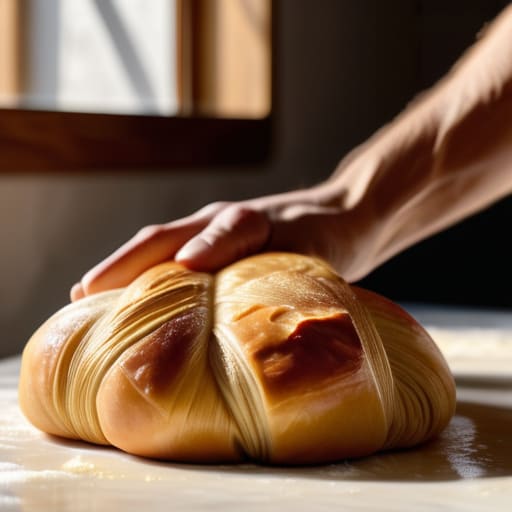
Brioche Is Mostly About Temperature
Most people think that learning how to make brioche is about mastering a complex ratio of eggs and flour, but they’ve got it backwards. They spend hours obsessing over the perfect brand of butter while their dough turns into a greasy, lifeless puddle because they didn’t understand the temperature of the room. I spent my first few years in the bakery thinking I was doing something wrong, only to realize I was fighting the fat instead of working with it. You can have the finest ingredients in the world, but if you rush the incorporation or let the dough get too warm under your palms, you aren’t making brioche—you’re just making expensive, heavy bread. I’m not here to give you a glossy photograph or a list of fancy tools you don’t need. Instead, I’m going to show you how to listen to the dough. We are going to work with…
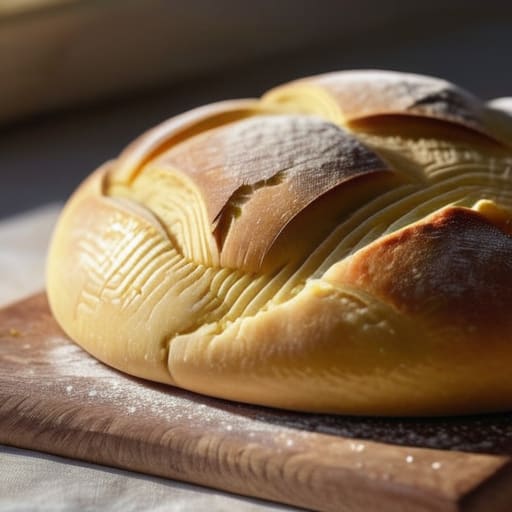
Enriched Dough Behaves Like a Different Ingredient
I remember standing in my shop at five in the morning, my hands coated in flour, watching a young apprentice try to treat a brioche like a standard sourdough. He was checking the clock every five minutes, frustrated that the dough wasn’t behaving, completely unaware of how enriched doughs differ from the lean, stubborn loaves I’d been pulling from the oven for decades. He thought he just needed a faster timer, but he didn’t realize that when you introduce butter and eggs, you aren’t just adding flavor; you are changing the very physics of the dough. I’m not here to sell you a fancy new gadget or a bag of imported flour that costs more than your electricity bill. What I want to do is show you the actual, tactile reality of working with fat and sugar. We are going to talk about hydration percentages, the way a heavy dough…

Preferments: More Flavour for No More Work
I spent thirty-four years watching people walk into my shop and ask for “specialty” breads that were nothing more than expensive flour and ego. They’ll buy you a fancy, multi-step guide on how to make a poolish or biga that promises a “revolutionary” crust, but they never mention that the most important tool in your kitchen is actually just patience. You don’t need a laboratory or a $500 mixer to master these pre-ferments; you just need to stop treating your dough like a math problem and start listening to what it’s actually doing in the bowl. I’m not going to waste your time with flowery prose or “optimized” schedules that only work in a temperature-controlled professional kitchen. Instead, I’m going to show you the real difference between a liquid poolish and a stiff biga, using the exact weights and hydration percentages that actually work. We’ll talk about how to read…
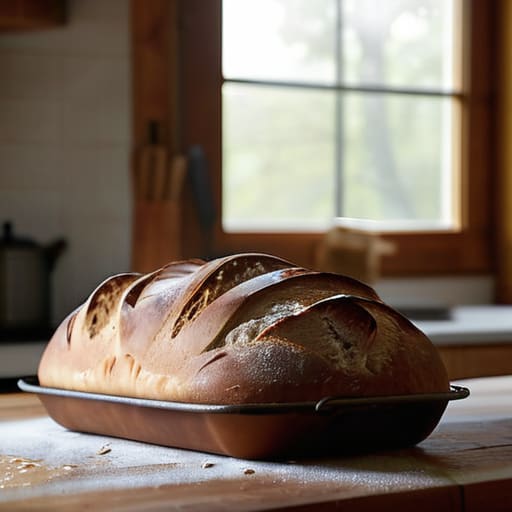
Sourdough Without a Bakery Oven
I’ve spent half my life watching people throw money at expensive steam injectors and heavy-duty deck ovens, convinced that a professional-grade setup is the only way to get a decent crust. It’s a nonsense notion. If you’ve been staring at a flat, pale loaf and wondering how to bake sourdough in a domestic oven without a commercial setup, you aren’t lacking equipment; you’re likely just fighting a losing battle against unpredictable heat. I spent thirty-four years working a wood-fired oven that had the temperament of a moody child, and if that taught me anything, it’s that a piece of metal in your kitchen can be mastered if you stop treating it like a set-it-and-forget-it appliance. I’m not going to give you a list of fancy gadgets you don’t need or a recipe that requires a degree in thermodynamics. Instead, I’m going to tell you how to listen to your dough…

Fitting Sourdough Around a Working Day
I remember standing in my bakery at four in the morning, the air thick with the scent of toasted grain and the damp chill that settles in your bones before the sun dares to rise. I once had a young apprentice who thought he could conquer a batch of rye by simply staring at a digital timer, convinced that if he followed the clock to the second, the bread would obey. He didn’t realize that a kitchen is a living thing, not a laboratory. Most people spend their lives fighting against the clock, trying to force a schedule onto a culture that has its own rhythm, but understanding how sourdough timing works isn’t about mastering a stopwatch; it’s about learning to read the life inside the bowl. I’m not here to sell you a fancy new timer or a complicated spreadsheet that requires a degree in mathematics. What I want…

Bringing a Starter Back From the Back of the Fridge
I’ve lost count of how many “gurus” I’ve seen online trying to sell you expensive specialty flours or complex, twelve-step laboratory protocols just to fix a little bit of dormant yeast. It’s nonsense. If you’ve tucked your jar in the back of the fridge and forgotten about it for a month, you don’t need a chemistry degree or a boutique grain subscription; you just need to understand how to revive a neglected starter without losing your temper. I remember a time, back when I was running the village shop, when a particularly cold winter sent my own sourdough into a deep, sluggish slumber. I didn’t panic and throw it out; I simply sat with it, adjusted the temperature, and listened to what the bubbles were telling me. I’m not going to give you a checklist of miracles or tell you to buy fancy equipment you don’t need. Instead, I’m going…

Reading a Starter Instead of Testing It
I’ve lost count of how many times I’ve seen a glossy cookbook claim you need a laboratory-grade pH meter or a perfectly timed stopwatch to know when to bake. It’s nonsense. People spend far too much money on gadgets when they should be spending more time actually looking at their flour and water. You don’t need a digital readout to understand how to tell if a starter is ready; you need to stop treating it like a math equation and start treating it like a living thing. I remember a young apprentice back in the nineties who nearly threw away a perfectly good batch because it hadn’t doubled in exactly forty-five minutes, missing the fact that the kitchen was drafty and the yeast was simply taking its time. I’m not here to give you a checklist of arbitrary numbers or tell you to trust a photograph of a bubbly jar.…