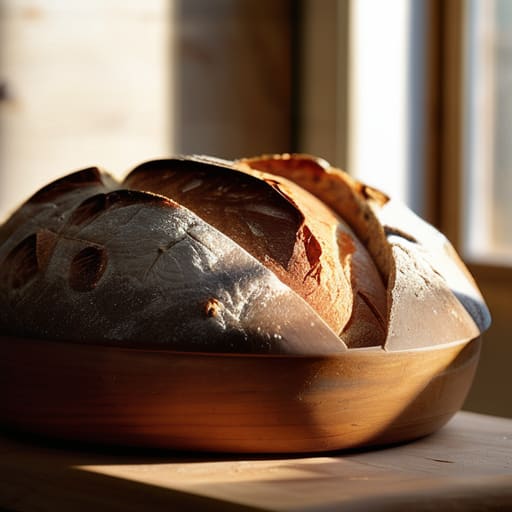
Stop Treating Your Crust Like an Afterthought: the Only True Best Ways to Store Homemade Bread Loaves if You Actually Value the Patience You Put Into Them.
I’ve lost count of how many times I’ve seen someone spend twenty pounds on a fancy, airtight gadget only to end up with a loaf that’s either a rock by morning or a gummy, sweating mess by noon. It’s enough to make you want to throw your rolling pin through the window. People treat bread like it’s some delicate laboratory specimen that needs high-tech containment, but the truth is much simpler. If you’re looking for the best ways to store homemade bread loaves, you don’t need a specialized vacuum sealer; you just need to understand how the crust breathes. Most of the “expert” advice out there ignores the most important thing: temperature and humidity. I’m not here to sell you a subscription to a bread-ware magazine or a plastic bin that costs more than my flour delivery. I’m going to tell you how we did it in the bakery when…
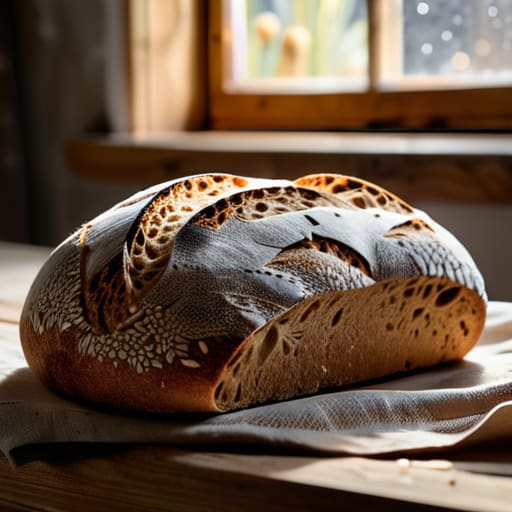
Stop Chasing the Perfect Crumb and Start Understanding the Soul of the Grain: a Deep Dive Into the History of Different Artisanal Bread Types.
I remember standing in my father’s kitchen at sixteen, my hands white with flour and my eyes stinging from the heat of a wood-fired oven that didn’t care a lick about my feelings. People love to talk about the history of different artisanal bread types as if it’s some high-brow, academic pursuit found only in leather-bound books or expensive culinary schools. They’ll feed you nonsense about “ancient grains” and “noble techniques” to justify a ten-dollar loaf, but they forget that bread history isn’t written in ink; it’s written in the callouses on a baker’s palms and the way a village adapted to whatever rye or wheat it could scrape from the soil. I’m not here to give you a lecture or a list of dates to memorize for a test. I want to show you how these traditions actually survived—through necessity, through the changing seasons, and through the stubbornness of…
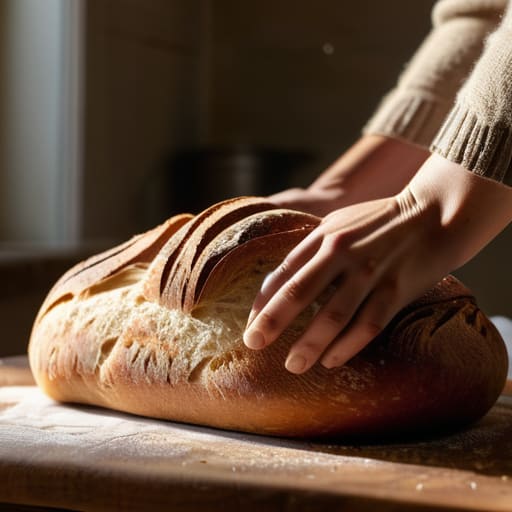
Same Day Bread Without It Tasting Rushed
I’ve spent thirty-four years watching people try to cheat the clock, and frankly, it breaks my heart. You’ll see them on the internet, buying expensive “turbo” mixers or following those ridiculous recipes that claim you can skip the bulk ferment entirely. They tell you they’ve found a secret to how to bake bread faster, but all they’ve actually done is find a way to make dense, flavorless bricks that taste more like disappointment than grain. If you think you can simply bypass the biological reality of yeast with a gadget or a shortcut, you aren’t baking; you’re just rushing a tragedy. I’m not going to sell you a magic powder or a new machine. What I am going to do is show you how to work with the physics of your kitchen so you aren’t waiting around for a dough that refuses to move. We are going to talk about…
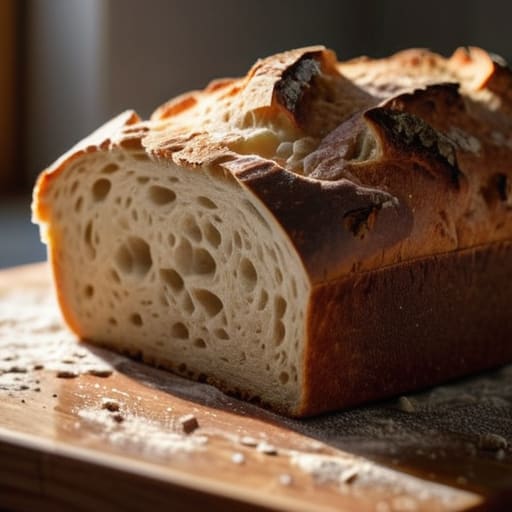
No-knead Bread and Why It Works
Most people will tell you that the secret to a good loaf is how much muscle you can put into it, but they are lying to you. They think if you aren’t sweating over a floured counter, you aren’t really baking. I spent thirty years working a wood-fired oven that demanded everything from my shoulders, so I know a thing or two about hard work, but I also know that when it comes to learning how to make no knead bread, your hands are actually your biggest liability. If you try to force the structure, you’ll just tear the gluten apart; the real magic happens when you step away and let time do the heavy lifting for you. I’m not going to give you a glossy, filtered recipe that promises perfection in an hour. Instead, I’m going to give you the actual mechanics of the dough—the hydration levels, the temperature…
Pizza Dough That Stretches Instead of Tearing
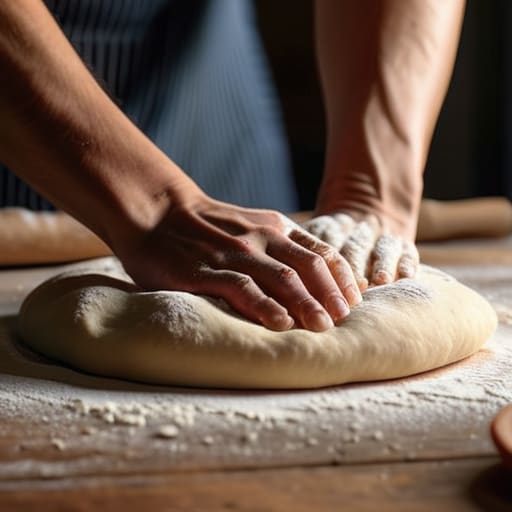
Stop looking for the “secret ingredient” or that expensive, high-tech mixer that promises to do the work for you. If you think your pizza is failing because you lack a fancy stone or a specific brand of imported flour, you’ve been lied to by people who have never had to pull a tray out of a wood-fired oven at four in the morning. Most people struggle with how to make pizza dough because they are too busy watching a timer and not nearly busy enough watching the dough. You can follow a recipe to the letter, but if your kitchen is drafty or your hands are too aggressive with the gluten, that dough is going to fight you every step of the way. I’m not here to give you a list of complicated steps that require a chemistry degree; I’m here to teach you how to feel the life in…

Rolls That Stay Soft Until Tomorrow
I spent thirty-four years watching people walk into my shop, clutching expensive, color-coded recipe books and asking me how to make rolls and buns that didn’t turn out like leaden hockey pucks. They’d tell me they followed every instruction to the letter, yet their kitchen counters were covered in a sticky, unmanageable mess. The truth is, those books are lying to you; they focus on the “what” but completely ignore the why. They won’t tell you that a drafty window or a heavy hand can ruin a batch faster than a bad ingredient ever could, and they certainly won’t tell you that a measuring cup is the quickest way to fail at baking. I’m not here to give you a list of fancy gadgets or a complicated ritual to perform. Instead, I’m going to teach you how to read the dough and understand the relationship between hydration and heat. We…

Bagels: the Boil Is the Whole Point
If you’ve been staring at a tray of dense, pale lumps and wondering why your kitchen doesn’t produce that chewy, golden crust you see in glossy magazines, stop blaming your oven. Most people think learning how to make bagels is about finding a “magic” ingredient or a secret boiling trick, but they are dead wrong. I spent years watching beginners ruin perfectly good flour because they were too busy looking at a timer and not paying enough attention to the tension in the dough. A bagel isn’t a piece of bread that’s been boiled; it is a specific marriage of high protein and controlled fermentation that demands you respect the clock and the temperature. I’m not going to give you a recipe filled with vague “cups” and “spoons” that will only lead to heartbreak. Instead, I’m going to give you the actual math—the weights and the hydration percentages—that kept my…
Flatbreads: Fifteen Minutes and a Hot Pan
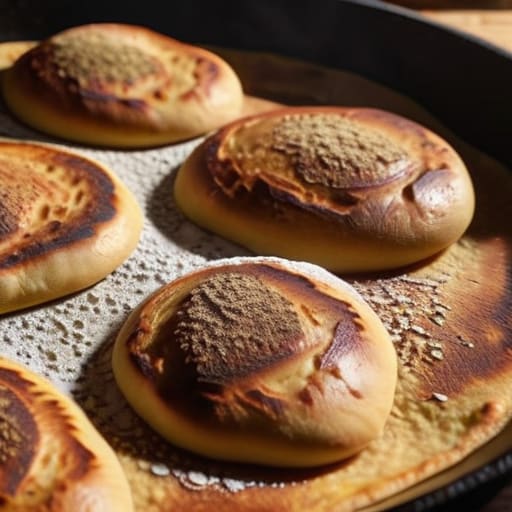
If you’ve spent any time scrolling through those glossy recipe sites, you’ve likely been told that learning how to make flatbreads requires a specialized stone oven, a mountain of exotic spices, or some high-tech gadget that costs more than my first delivery van. It’s nonsense. Most of those recipes treat flatbread like a delicate science experiment rather than what it actually is: a simple, rhythmic dance between flour and heat. I spent thirty-four years watching people overcomplicate the simplest things, thinking that if they just bought the right equipment, the bread would magically rise to meet them. But a piece of cast iron and a hot pan will do more for you than any expensive imported stone ever could. I’m not here to give you a list of instructions that assumes you’re reading a textbook; I’m here to teach you how to listen to the dough. We are going to…
Rye Is Not Wheat and Will Not Pretend to Be
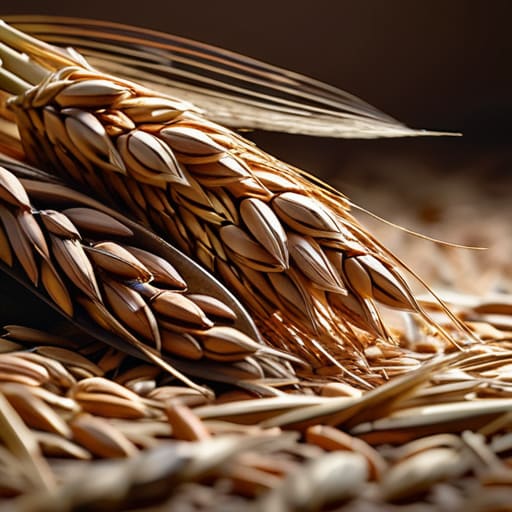
I remember a young lad who came into my shop twenty years ago, clutching a cookbook like it was the Holy Grail, complaining that his rye loaves were coming out as dense as paving stones. He’d followed every instruction to the letter, yet his kitchen looked like a battlefield of sticky, unmanageable grey sludge. He didn’t realize that understanding how rye behaves differently isn’t something you can learn from a glossy photograph or a list of “easy” steps; it’s something you have to feel in your bones. Rye doesn’t have the same structural backbone as wheat, and if you try to treat it with the same aggressive kneading, it will simply collapse under your ego. I’m not here to sell you some fancy, high-protein flour or a specialized machine to fix your mistakes. What I’m going to give you is the truth about hydration, temperature, and why that sticky mess…
Wholemeal Needs More Water and More Patience
I spent thirty-four years watching people walk into my shop, pick up a loaf of wholemeal, and sigh because it was too dense, too heavy, or felt like they were chewing on a brick. They’d go home, try a fancy recipe from a glossy magazine, and conclude that wholemeal is just inherently “difficult.” Let me tell you something: it isn’t difficult, it’s just different. Most of those recipes fail because they treat wholemeal like white flour, and that is your first mistake. If you want to stop fighting your dough and actually learn how to make wholemeal bread work, you have to stop treating it like an enemy and start respecting its thirst. I’m not here to sell you expensive additives or complex machinery that will only gather dust in your pantry. I’m going to show you how to listen to the grain, adjust your hydration to account for those…